

Diwali’s Light: Hindu Philosophy and Australia’s Multicultural Spirit
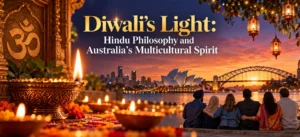
As the evening air grows soft and warm across Australia and our streets begin to shimmer with the gentle light of diyas, my heart fills with a deep, quiet gratitude. Diwali is a season that brings our community together, but it is also a time that invites introspection. As I look out at our vibrant Indian Australian community, flourishing in every corner of this great nation from Calamvale to Canberra, Melbourne to Perth, I am often asked what lies at the core of our cultural resilience and seamless integration into modern Australian society.
The answer, I believe, lies in the very soul of Hindu philosophy: Sanatan Dharma, the Eternal Way.
At a time when global discourse is too often fragmented by division, it is worth reflecting on why Hindu philosophy is intrinsically compatible with all world religions and why its core teachings offer a timeless blueprint for peace, harmony, and mutual respect.
The Philosophy of Pluralism: Many Paths, One Truth
To understand why Hindus, navigate pluralistic societies like Australia with natural ease, one must look to our most ancient spiritual text, the Rig Veda:
“Ekam Sat Vipra Bahudha Vadanti” (Truth is One, though the wise call it by many names.)
Unlike traditions that demand strict adherence to a single dogma or exclusive path to salvation, Hindu thought has recognized for thousands of years that the Divine is infinite and therefore, the ways to approach the Divine must also be infinite.
We do not merely tolerate other faiths; we fundamentally respect them as valid spiritual journeys. To a practicing Hindu, whether a person kneels in a church, bows in a mosque, sits in quiet meditation in a Gurdwara or temple, or finds sacred purpose through secular humanism, they are seeking the same ultimate Reality. This foundational belief removes any impulse toward forced conversion, spiritual superiority, or ideological conflict. It allows Indian Australians to embrace our neighbours of all faiths and backgrounds with open arms and genuine warmth.
Core Goodness: The Pillar Teachings of Hindu Thought
The inherent goodness of Hindu philosophy is rooted in practical, living virtues that elevate individual character and nurture community well-being:
1. Vasudhaiva Kutumbakam (The World is One Family)
Inscribed in the Maha Upanishad, these noble ideal forms the cornerstone of our social ethos. We are taught that geographical, cultural, and religious boundaries are secondary to our shared spiritual origin. When we look at our fellow Australians regardless of their background, we see extended family. This mindset is why our community naturally steps forward during times of national need, whether organizing charity drives, supporting local food banks, or volunteering during bushfires and floods.
2. Ahimsa (Non-Violence in Thought, Word, and Deed)
Popularised globally, Ahimsa is far more than the absence of physical violence; it is the active practice of compassion. It encourages us to speak with gentle honesty, act with empathy, and live in harmony with nature. This reverence for all living beings is why environmental stewardship, vegetarianism, and respect for the earth are so deeply woven into Hindu daily life values that resonate powerfully with modern environmental consciousness.
3. Karma and Dharma (Right Action and Ethical Duty)
The laws of Karma (cause and effect) and Dharma (righteous duty) teach us personal accountability. We believe that every action, word, and intention returns to us, encouraging a life led with integrity, selflessness, and responsibility. Dharma reminds us to fulfill our duties as good citizens, loving family members, and dedicated professionals, contributing constructively to the Australian nation that has welcomed us so generously.
4. The Divinity Within All (Tat Tvam Asi)
In Hindu thought, the Divine presence (Atma) resides within every living soul. When we greet one another with folded hands and say “Namaste,” we are not merely exchanging pleasantries, we are saying: “The Divine in me acknowledges and bows to the Divine in you.” How can hatred or prejudice exist when we recognize the sacred in every person we meet?
Harmonising Heritage with Our Modern Australian Home
Living in multicultural Australia under the Southern Cross is a privilege that highlights the true beauty of our heritage. Our compatibility with the wider Australian community is not an accident of history; it is the natural expression of a philosophy that celebrates diversity as a divine design.
As we celebrate the Festival of Lights, let us carry these noble values in our hearts. Let our diyas illuminate not just our homes, but our minds and actions. Let us continue to build bridges of understanding, share our rich traditions with pride, and practice the universal compassion that defines the best of human spirit.
May the light of peace, wisdom, and unity shine upon our readers, our diaspora, and our entire nation.
