

How the Global Fuel Crisis Is Impacting Australia
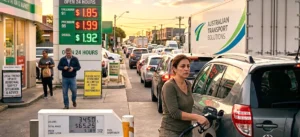
As global geopolitical tensions, trade route disruptions, and supply chain bottlenecks continue to shake global energy markets, the ongoing fuel crisis has emerged as a major economic challenge for Australia. Although geographically isolated and rich in natural resources, Australia imports over 90% of its refined liquid fuels and leaving the country highly exposed to global price spikes and supply disruptions. From individual household budgets to national supply chains, the fallout of the current fuel crisis is felt across every corner of the Australian economy.
1. Pressure at the Bowser and Household Budgets
The most immediate and visible manifestation of the crisis is the cost of petrol and diesel at retail service stations. With global crude oil prices surging well above historic baselines, average Australian pump prices have regularly reached $2.40 to $2.80 per litre in major metropolitan centres.
This sudden escalation forces significant budget adjustments for suburban and regional households:
• Erosion of Disposable Income: Families are forced to redirect discretionary spending from dining, retail, and domestic travel toward essential commuting expenses.
• Regional Disparity: Outer-suburban “mortgage belt” residents and regional Australians, who rely on long daily drives due to limited public transport infrastructure, are disproportionately affected by rising pump costs.
2. Freight, Logistics, and Grocery Price Inflation
Fuel is not merely a consumer product; it is a foundational input for the transport and logistics sector. Over 80% of domestic freight in Australia moves by road, heavily reliant on diesel fuel.
As wholesale diesel prices climb dramatically, trucking companies and logistics operators face shrinking profit margins. Unable to absorb these rising operational costs indefinitely, transport companies pass them along via fuel surcharges. Consequently, the price of everyday groceries, fresh produce, and consumer goods rises at supermarkets, compounding broader cost-of-living challenges across the nation.
3. Industry Vulnerability and Business Operations
Beyond transport, high energy and fuel costs weigh heavily on major economic sectors across Australia. Small-and-medium businesses that rely on service vehicles, such as tradespeople, delivery operators, and mobile services, face a immediate squeeze on operating capital, often forcing them to lift service fees to stay solvent.
4. Macroeconomic Impact: Inflation and Monetary Policy
The fuel crisis poses a complex challenge for central bankers and policymakers. Automotive fuel represents a volatile yet heavily weighted component of the Consumer Price Index (CPI).
1. Persistent Inflationary Headwinds: Sustained high fuel prices keep headline inflation elevated, complicating efforts by the Reserve Bank of Australia (RBA) to bring inflation smoothly back into its 2–3% target band.
2. Interest Rate Stance: Because higher energy costs act as a “tax on consumption,” they cool discretionary demand while simultaneously driving up headline prices. This leaves the RBA balancing the threat of fuel-driven inflation against the risk of broader economic stagnation.
5. National Fuel Security and Resilience
The crisis has renewed intense national debate around Australia’s fuel security architecture. Because domestic oil refining capacity has contracted significantly over past decades, Australia relies on long, vulnerable maritime sea lanes for refined products.
In response, federal initiatives, such as the Minimum Stockholding Obligation (MSO) and expanded investments in the Australian Fuel Security Reserve, aim to guarantee minimum emergency reserves of diesel, petrol, and jet fuel stored onshore. Furthermore, the ongoing crisis is accelerating strategic discussions around fleet electrification for light transport and alternative fuel sources (such as renewable diesel and hydrogen) to insulate the nation from future international supply shocks.
The fuel crisis serves as a stark reminder of Australia’s vulnerability to international energy disruptions. While households and businesses navigate immediate financial strains, the overarching economic impact underlines the need for enhanced national fuel security measures alongside a strategic transition toward greater energy self-reliance.
