

From Prep to Plate: Simple Steps to Stop Food Poisoning
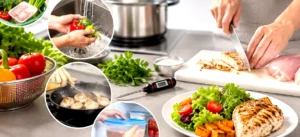
Food safety starts in your own kitchen. As we head into winter, it is very important to be aware of food poisoning risks.
The first and most important step before preparing food is washing your hands.
• You should wash your hands using warm water and soap. Rub your hands together for at least 20 seconds, making sure to clean between fingers and under nails.
• Rinse well to remove soap and germs, then dry hands with a clean towel.
• Damp hands can spread germs more easily.
• Teaching your kids proper handwashing early helps build good hygiene habits and prepares them for safe cooking in the kitchen
When preparing your meals for the week, you should try not to over-pack your containers. Spreading food out lets it cool quickly and safely.
• Food should not stay too long in the temperature danger zone (5°C–60°C), as this is where germs grow fastest and can cause food poisoning.
Any food that is left over must be refrigerated within two hours of cooking. If food has been left out for longer than two hours, it should be eaten straight away and not put back in the fridge. If food has been left out for more than four hours, it should be put in the bin.
When reheating your leftovers, food should be heated until piping hot all the way through. This is very important for rice, as some bacteria can survive if it is not reheated properly. Rice should only ever be reheated once.
For school lunches containing foods like rice, chicken, or pasta, using a freezer block in lunch boxes helps keep food cold and safe until it is eaten.
Raw chicken can carry harmful germs, so it’s important not to use the same chopping board for chicken and foods like fruit or bread. This helps prevent cross contamination.
By taking simple steps, you can reduce the chances of food poisoning for you and your family.
For further information, see Food safety at home | Health | Queensland Government.
