Brisbane Comes Alive with Colours and Culture at Basava Jayanthi 2025
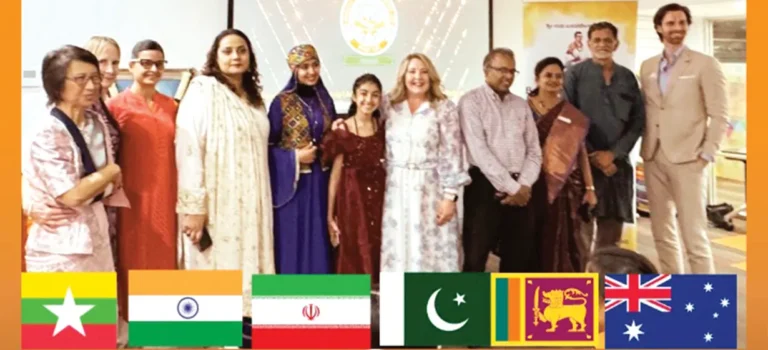
Brisbane, Australia – 23 May 2025: The vibrant multicultural city of Brisbane witnessed a heartwarming celebration of Basava Jayanthi 2025, hosted by Basava Samiti of Asia Pacific (BSAPAC). The annual event commemorates the birth anniversary of Guru Basava, the 12th-century social reformer and spiritual visionary who pioneered inclusive social practices and ethical living, centuries ahead of his time.
Held at a packed venue in Coopers Plains, the celebration showcased a spectacular blend of devotion, knowledge, and community spirit. It was a multicultural confluence of the community dressed in traditional attire, children and adults alike participated in a lively procession of Vachana recitations, songs, and interactive discussions—highlighting the adoption of Guru Basava’s values that centre on equality, compassion, and rational thought.
The program opened by lighting the lamp followed by the key note address was delivered by Mrs Karen Lay-Brew, the Board Member of Energy Queensland, Strategic Advisor to Australian Government. Karen migrated with family at the age of 11 from Mynamar provided an inspiring speech of the hardships of migrants and their journey to success, happiness and peace while navigating through the value system of life. Her speech was inspirational and touched the hearts of young and old.
Mrs. Margie Nightingale, Member of Inala, graced the audience and was impressed to see the community unity threaded with the values. Her encouraging best wishes meant to a lot to the growing community and the charity.
The key highlight of the discussion was the interactive introspection from the audience representing different ethnicities in the community namely, Sri Lanka, multi cultural diaspora of India, Pakistan, Iran, Burma, local Australians sharing their journey of life and the adoption of values. The Distinguished speakers, including local leaders and community scholars, praised BSAPAC’s commitment to Engage, Educate, Empower, and Enlighten across the Asia Pacific. / Guru Basava vegetarian, non-alcoholic community meal (Anna Dasoha), symbolising Basava’s vision of social equality through shared values.
The event also honored young children for their beautiful singing from the Sargam Academy of Music. We thank Mr. Mithun Chakraborthy and Mrs. Bonita Chakraborthy for presenting the wonderful music to the audience. Mr. Linden May, Ex-Board Director of the Charity awarded all the children with the medals for their fantastic participation.
Other notable programs included the Australian national anthem via the violin, presentation of the Guru Basava Dashboard Idol – a spiritually uplifting artefact designed for the car, symbolising values of truth, work, and devotion, ideal for daily travel inspiration by the 12 year old Master Hanish Banavar. BSAPAC will promote these dashboard idols that can be used in the cars via their shopping carts.
Mrs. Soniya Sharma, from the ANZ Bank Mt Ommaney also spoke to the team regarding the offering of the Home Loan Introductory Program.
Other notable organisers were Mrs. Girija Karekal, Executive Director; Mr. Stephen Hodgson, CEO, Mrs. Nivedita H E lead coordinator of Brisbane Chapter. BSAPAC offers gratitude for all the volunteers and children who made this an intimate evening and strengthened the values through multicultural confluence. “Guru Basava’s message is more relevant today than ever. His vision of a just society is what drives our charity’s work in over eight locations across Australia and New Zealand.”
Basava Jayanthi 2025 in Brisbane stood not only as a celebration of history but also a call to action for unity, service, and purposeful living in our contemporary world.
Learn more at https://basavasamitiapac.org
Follow us: #BasavaJayanthi #BSAPAC #GuruBasava #STEMWithValues #EngageEducate
EmpowerEnlighten
The subject of todayʼs discourse is “The Poles Shift their Respective Positions.” Cardinal human principles are almost unchangeable. I say almost unchangeable because they always maintain a [[tangential,]] tactual relationship with the Cosmological Order and so the cardinal human principles or cardinal points of [[humanity]] do not undergo any change or physical metamorphosis. But this is not the case with the physical [[world]]. In the realm of physicality, in the arena of physical emanations, such a change may take place, and in the past took place several times in the history of this Planet Earth, and also in the history of so many other planets, stars, satellites, nebulae, etc.
In the physical sphere change is the order of existence. In the psychic sphere, there is change in the collective structure, but because that change maintains a link with the Cosmological Order, with Cosmic conation, it is not so prominent as that of the physical sphere.
Take the case of our poles: the poles may shift their positions. In the past, such a shifting took place several times – in the annals of this planet and also in the history of so many other planets. As a result of this shifting, as a result of this change, people say that the satellite moved in [and/or] out of this earth when its outer crust, that is, its lithospherical order, was not so solid as it is now.
And some are of the opinion that as a result of this [[– the coming out of a moon from]] the earthʼs lithospherical body – the Pacific Ocean was created. [[As per]] old astronomy and also astrology, Mars also came out of this earth. But it did not move around the earth as its satellite. It started moving around the sun and became a planet. And that is why a name for Mars is Kuja [[in Sanskrit]]. Kuja. Shani rája Kuja mantrii [“Saturn is a king, Mars is a minister”]. Ku means “earth”. [[Ja]] means “born out of” (born out of ku). So in the physical sphere such a change took place in the past and will take place in the future.
The poles shift their positions. Now as a result of this shifting, in the past so many times, the time taken by the earth in moving around itself varied, and the time taken by the earth in the moving around the sun – that is, its year – also changed. Day and night [[jointly]] were not of twenty-four hours, and the year was not of 365/366 days.
As a result of this change in polar positions, the seasonal order also changed, and its relationship with [[months]] varied so many times. And the order of our calendar, the system of our calendar, had to be changed in the past. If the poles change their positions, the time taken by the earth [to move] around itself will certainly be either lessened or increased. And similarly the time taken by the earth in moving around the sun will either increase or decrease.
[[And perhaps you have marked nowadays,]] sometimes we see that the seasonal order is not maintaining proper adjustment with the months: this shows that the shifting is taking place fast. Now as result of this change, not only will the adjustment between the months and the seasons be lost, but the environmental order and also the ecological order of the earth will be disrupted. And as a result of this disruption, there must be physical and biological changes in the structures of all living bodies, all living creatures, including plants. The plants of the Tertiary Age could not be found in the Cretarian [Cretaceous] Age.
The [unintelligible word] plants and also animals of the Cretarian Age could not be found in later ages, the Pliocene, Miocene, Oligocene, Mesozoic and Caenozoic Ages, because they also – their existence, their births and deaths also – depend on [[environmental order and also ecological adjustment,]] ecological balance.
And as a result of the change in position of the poles, some people say that in the eastern hemisphere, the north pole is moving from north to south and in the western hemisphere, the south pole moves from south to north. And it cannot be assured that their relative distance will remain unchanged. So we should be prepared for the future; we should be prepared for the resultant of [[this change or]] these changes in polar positions, in environmental order, and also in ecological structure.
As a result of this change, the magnetic structure of this earth, [[and as a result of that of other planets and satellites]] of the solar system also, will undergo a certain remarkable metamorphosis. And if the magnetic order is disrupted, then [[certainly there will be certain]] remarkable changes [unintelligible word] remarkable metamorphoses in the electromagnetic vibrations of this earth and also of the entire solar system. [As a result of] this type of [[change in the electromagnetic vibrations]], human thought-waves will certainly be affected.
Our progress in the arena of science depends much on our progress, our knowledge of electromagnetic waves, electromagnetic emanations. So our progress both in the field of humanities and in that of science will suffer much, or rather may be assailed much, as a result of this change. We should be prepared, [[we should be ready]], for such a change, and that change may take place in the very near future.
You know, human existence is not only an existence of physicality, an existence in physical structure. It is a [mesh] of vibrations of so many wavelengths. So if the physical waves change, if the climatic conditions undergo a certain gigantic metamorphosis, certainly the emanations and perceptions of nerve-cells and nerve-fibres will be changed, will be disrupted. It may be for the good, it may be for the bad, but change is a must.
In case of such a change in the physical order and also in the physico-psychic order, change is sure to take place [as well] in the realm of spirituality. [[As we know,]] the movement – that is, the movement of humanity, movement of each and every living being – is from matter to consciousness, is from extrovert to introvert. So the thought-waves of human beings will be more of a spiritual nature than they are at present. That is, humans in that developed condition will be more spiritual-minded than they are at present.
The Cosmic Entity, the Supreme Cognitive Faculty, never stops His emanations in the physical, metaphysical, supra-physical and spiritual strata. And in the case of the microcosm, if the change is neurological as a result of physical change, then certainly [[if the nerve-cells and [unintelligible word] nerve-fibres behave in some way other than they do at present, then the thought-waves of the Great, thought-waves of the Supreme Cognitive Faculty, are sure to undergo [[some change,]] some transmutation, when they pass through unit human structures.
And it is expected that under such circumstances, the progress of human beings in the realm of introvert will be more accelerated than [their progress] at present. And if the poles on a particular small planet, like the earth, shift their respective positions, it may be beneficial to human beings [[or it may not be beneficial to human beings]], but it is sure that the thought-waves of the Supreme will do their own duty under changed circumstances. Here, humans will be more meditative and will accept Parama Puruśa, the Cosmic Cognitive Faculty, as their object of ideation in a better way and in a more scientific [[style]]. One must not think that anything is fixed or stationary in this universe.
Everybody moves – certainly the poles move – and they have already started their function of shifting their respective positions. And you see, as a result of such a change, and if the change takes place very fast, then there may come another ice-age here on this earth. And the pre-condition and post-condition of the ice-age may have a big gap – that is, the pre-age and the post-age will have a long gap between them. But we have much expectation and hope from human intellect; and we hope, if a catastrophe comes, human intellect will be able to overcome such a catastrophe [[or]] arrange for shifting the population to some other planet having suitable environmental conditions and a better ecological order. Let humanity rise, and let this development of humanity be more and more spiritually-oriented!
31 May 1986, Calcutta
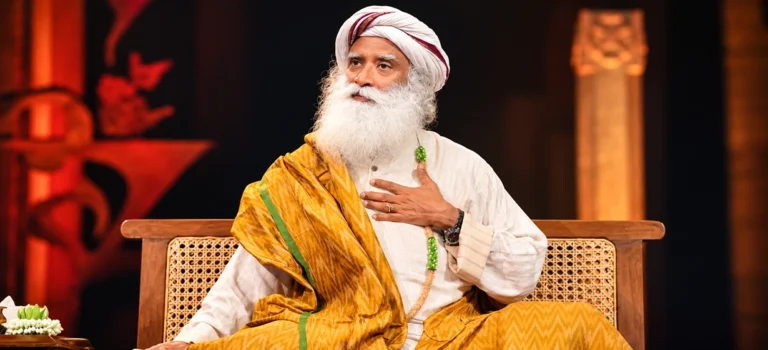
Sadhguru: When it comes to God, you have been told to believe; nobody told you to explore Divinity. Without being touched by an experience, believing something is not going to transform you. Suppose from the day you were born, if I kept telling you my little finger is God, if I show you my little finger, divine emotions will come within you. If I teach you that my little finger is the Devil, if I show you my little finger, terror will arise within you. This is the nature of your mind.
Whatever you make out of the mind is of no true significance. As a device, yes, but in the ultimate sense it does not mean anything, because it may take one shape today and another shape tomorrow; the mind is fluid, you can make anything out of it. How it is shaped simply depends on how it is influenced. If you look deeply, what you call “your mind” is something you have borrowed from thousands of people around you. Your mind is just your background – depending on the kind of family you come from, your education and religion, the country or society you belong to and the world you are living in.
The intellect is just a survival tool, a limited aspect of your life. Survival is essential, but not fulfilling. If you want to go into deeper dimensions of life, first you need the necessary instruments. Right now you experience life with just the sense organs – by seeing, hearing, touching, tasting, and smelling. With these, you cannot know anything beyond the physical. You cannot measure the depth of the ocean with a foot scale. That is what is happening with people. They are approaching the deeper dimensions of life without the necessary instruments. So they jump to wrong conclusions.
People are eager to jump to conclusions because without a conclusion, they have no substance of their own. What you call as “myself,” that person or that personality is just a bundle of conclusions that you have made about life. But whatever conclusion you have made, you are bound to be wrong because life does not fit into any conclusions that you make. The moment you make a conclusion, you have stopped your growth; you have stopped and destroyed the possibilities of life.
A spiritual process does not mean jumping into another set of conclusions. When you dare to exist here without any conclusions, willing to look all the time, willing to exist here as just a small particle of this existence, then you will know the limitlessness of the existence.
Ranked amongst the fifty most influential people in India, Sadhguru is a Yogi, mystic, visionary and a New York Times bestselling author. Sadhguru has been conferred the Padma Vibhushan by the Government of India in 2017, the highest annual civilian award, accorded for exceptional and distinguished service. He is also the founder of the world’s largest people’s movement, Conscious Planet– Save Soil, which has touched over 4 billion people.
Many a times, it so happens that we plan something for a certain date but due to some unforeseen circumstances and factors, we are unable to implement it, as a result of which we have to postpone our programme to some other date. This kind of postponement is quite natural for most of us and it is not due to lethargy, lack of zeal or lack of care on our part. No! It is the sea-change in the situation that makes a forceful demand on us to alter and postpone our charted activity so much so that we are unable to withstand its forceful thrust and to push it aside so as to make a headway.
There may, however, be other kinds of cases of postponement that clearly reflect our wavering mind, our shaky stand, our weak commitment, the frailty of our conviction or the failure of our courage. This would be considered a flaw in our nature, waxing and waning of our will, lack of the strength of our spirit to put a plan into action under trying circumstances, difficult situations and tricky and hard conditions when we are besieged by surmountable troubles and tribulations.
If we can overcome the hardships imposed by these circumstances, it would be fit and wise to maintain a high level of courage and to try our very best to take our plans to their culmination into high success.
Many people form a habit of not applying their mind seriously to problems and programmes. Such people easily get confused and they are perplexed even when there is a slight change in the situation or there is a very small difficulty. They always depend on or wait for others, or, if they take decisions, they do not stick to them. They make slow or slovenly efforts and are so lax that they cannot maintain a consistent level of enthusiasm and efficiency in their life.
They sleep over matters when actually they should be alert and active. Their conscience does not pull them up if they are neglectful and slack. Some even think that God, Nature or good luck would do it for them. They become so thick skinned that they do not even mind if others point out to this bad and harmful habit of theirs nor do they feel any twitches of their conscience. This type of postponing is a criminal waste of one’s precious life-time and societal resources. It is in fact a sin against one’s own self and against others as this prevents a person from attaining any high goal in life and deprives him of many achievements.
It is not a small error or personality-trait but it is something which may cause many problems. However, in contrast to this, there is also a good form of postponing. If one has a habit of postponing, one should better transform it into this kind. Then postponing becomes of much advantage as one can use this to put off certain bad indulgences or activities. For example, a person who is a chain smoker, when he gets an urge to light up a cigarette, he can use this habit of postponing in a positive manner and say to himself: “Not now.” After an hour or the next day, when the same thought to smoke comes up, he should postpone it again by saying to himself: “Not now” or” not today but afterwards.”
In this way, he should go on postponing for his own good. It has been observed by psychologists that if a person postpones his anger even for an hour, the tempo of his anger comes down very fast. Similarly, by postponing again and again the act of drinking alcohol, one develops the power of self-control and is, finally, able to give up that bad habit forever. This kind of postponement, therefore, becomes salubrious.
So, if we want our moral growth or spiritual development, we should adopt the formulae of postponing what is bad and doing, without delay, that which is good, for, if we postpone what is good then it is likely that our mind may change or our enthusiasm may become less. We will thus be deprived of the fortune of doing good acts if we postpone them. It would, therefore, be fit and proper to put our good thoughts into action at the earliest. So, the slogan for the good should be ‘Now’ and the slogan for the bad should be ‘Later’ or ‘Never’.
Australia’s Latest Tax Changes Every Business Owner Should Understand
Saving tax probably won’t make you rich. But none of that matters because there is one thing that unites Australians (and Indians) more than cricket, complaining about the weather and arguing over property prices: We Just Hate Paying the Damn Thing.
Tax laws have changed again. Apparently, Parliament decided you, as a business owner, weren’t stressed enough, so they’ve kindly given us another batch of rules to keep accountants employed and business owners out of pocket.
So, grab your coffee (still sadly not deductible unless you’re buying it for the office) and let’s dive into what changed this month.
The Government’s Tax Reform Package Has Arrived
The Government has officially passed several tax changes that were announced in the budget and then added a few more just to keep everything exciting for us accountants. These changes will affect individuals, investors and business owners and it is going to keep you and us busy.
The changes or passing of legislation:
• Replacing the CGT discount with cost base indexation and a 30% minimum tax from 1 July 2027 passed in the Senate.
• Increasing the small business turnover threshold for the 50% Active Asset Reduction from $2 million to $10 million help small business when they eventually sell. This was basically a bribe because of the anger that was generated after the budget
• Limiting negative gearing on residential property to new dwellings from 1 July 2027 (subject to transitional rules) also passed the Senate
• Introducing the Working Australians Tax Offset from 1 July 2027 and a $1,000 standard work-related expense deduction from 1 July 2026 also passed the Senate.
And because it was not confusing enough Government is also made changes to:
• A targeted CGT discount for innovative start-ups allowing the 50% discount for innovate businesses (whatever they are).
• Preventing SMSFs using future LRBAs to buy residential property. They had to do this otherwise the Greens would not allow the budget to pass.
• Exempting testamentary discretionary trusts from the proposed minimum trust tax. It was a bit hard for the Government to claim that dead parents of minor kids were tax dodgers.
Nothing is ever simple in tax. If it was, accountants would have to find a real hobby.
New Car Limits From 1 July 2026
For the 2027 financial year:
• Maximum depreciation value: $69,883
• Maximum GST credit: $6,353
• Luxury Car Tax thresholds:
– $91,661 for fuel-efficient vehicles
– $80,809 for all others
Buying the latest luxury SUV may impress the neighbours…but the ATO is never impressed unless it results in money going to their coffers.
Small Business: Four Things You Shouldn’t Ignore
1. Payday Super has started from 1 July 2026. Super must reach the employee’s fund within 7 business days and be reported through STP.
2. The $20,000 instant asset write-off remains available for eligible businesses with turnover under $10 million to 30 June 2026 and beyond (it is now permanently in place).
3. GIC and SIC are no longer tax deductible from the 2025–26 income year (scumbags).
4. Plug-in hybrid vehicles are no longer FBT exempt from the 2026 FBT year.
Because the ATO definitely won’t ignore these changes.
The ATO Might Be Holding Your Super
The ATO may be holding forgotten super from inactive accounts, unpaid employer super that couldn’t be allocated, or Government super contributions.
You can check if your Super is being held too by looking at your myGov, ATO Online Services or the ATO App.
Having more than one Super account is costing you thousands in fees you do not need to pay. Trust me, the banks don’t need it.
Just think of it as one of the few times logging into myGov might actually make you richer.
Dental Clinic Learns an Expensive Lesson About Contractors
The Administrative Review Tribunal found an oral health therapist was an employee for super purposes, despite being treated as a contractor.
The lesson? Simply calling someone a contractor doesn’t make it true. There are many tests and the ATO will look to see what is actually happening.
Rules relating to contractors and employees are complex. If you are considering classifying anyone as a contractor talk to us first before the Super Guarantee Charge asks for you to pay the equivalent of a ransom.
Final Thought or Coffee Sip (Because Lawyers Make Us)
This is general information only and shouldn’t replace personalised advice. Before making any major tax decisions—or explaining your position to the ATO—give us a call first. It’s usually cheaper.
Please don’t:
• sell your house;
• restructure your business;
• start a cryptocurrency empire;
• or tell the ATO that “the coffee blog said it was fine.”
If you’re considering taking action, speak to a qualified professional first (preferably not your mate Dave, who once watched three YouTube videos on tax).
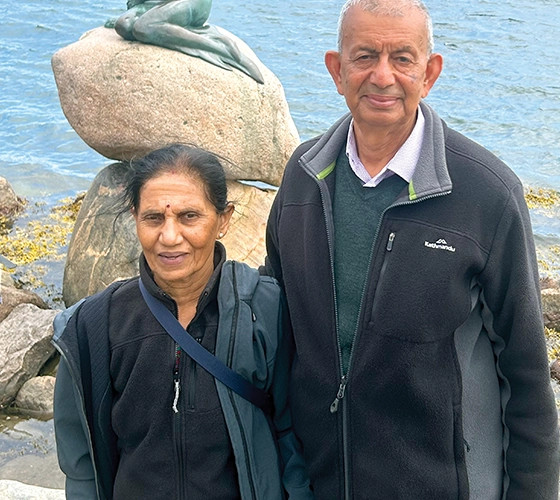
In June 2026, my wife Sudha and I visited the Nordic Nations including Finland, Sweden, Norway and Denmark. The later three are also known as Scandinavia. Previously, Finland was a part of Sweden. It became a part of the Russian Empire in 1809 and then an independent nation in 1917.
Scandinavia was home to the Vikings, who were fierce seafarers, traders and explorers that influenced vast territories starting around the eighth century.
The Arctic Circle, an imaginary line of earth latitude, passes through northern Finland, Sweden and Norway. North of this line, one can experience the Midnight Sun in the summer and the Polar Night in the winter.
Finland
We travelled from Brisbane via Singapore to Helsinki, the capital of Finland. Finland is bordered by Sweden, Norway, and Russia. It has a population of approximately 5.7 million people. Finland is a member country of the European Union and uses Euro as its official currency.
Swedish and Finnish are the official languages of Finland. Finland’s constitution guarantees both languages equal status in government, public services and education.
Helsinki was founded in 1550 by the Swedish king Gustav Vasa. It occupies a peninsula and surrounding islands in the Baltic Sea. It has a population of about 685,000 residents. It was made Finland’s capital in 1812 by the Russian Emperor Alexander I. Under the Russian empire, Finland was allowed extensive autonomy and was able to retain its Lutheran religion and Swedish as the official language.
During the reign of Alexander II, the population began agitating for the Finnish language to be recognised as a joint official language with Swedish, which was achieved in 1866. On 6 December 1917, Finland declared its independence from Russia and adopted a republican constitution in 1919.
A number of tourist attractions are located in Helsinki. They include the Helsinki Cathedral, Suomenlinna fortress, Upenski Cathedral, Kampin Kappeli, Oodi library, Market Square and numerous museums and public buildings.
Helsinki Cathedral is the Finnish Evangelical Lutheran church located in the centre of Helsinki at the senate square. It was built from 1830 to 1852 as a tribute to Emperor Nicholas I of Russia. It is a distinctive landmark in the Helsinki cityscape, with its tall green dome surrounded by four smaller domes.
Suomenlinna is a sea fortress, which was built on a group of islands belonging to the district of Helsinki. Covering an area of 210 hectares and consisting of 200 buildings and 6 km of defensive walls, the fortress stretches over six separate islands. The purpose of the fortress was originally to defend the Kingdom of Sweden against the Russian Empire and to serve as a fortified army base, complete with a dry dock. Sandbanks, barracks and various other buildings were added during the 19th-century Russian period. The defensive system was adapted to match the requirements of a modern fortress and developed in the 19th century using contemporary fortification equipment.
Now, the buildings have been renovated to serve as apartments as well as workspaces, to house private and public services, and for cultural purposes. It is included in the UNESCO list of World Heritage Sites as a unique example of the military architecture of its era. Regular ferry service runs between the market squares on the mainland to the fortress.
Upenski Cathedral is the main monument of the Orthodox Church of Finland. It is located on a hill overlooking the city. It was built in 1868 and is the largest Eastern Orthodox church in Western Europe.
Kampin Kappeli is a small chapel within a shopping complex. Everyone is welcome to enter it and sit in silence. Oodi library is well-known for its special design. It provides dedicated spaces for reading, research and other activities. It overlooks the Parliament house, a glassy concert house and other imposing buildings in the area. Market square is located on the sea shore with numerous shops for souvenirs and food. In a nearby park, free musical and dance entertainment programs are held.
Sweden
From Helsinki we flew to Stockholm in Sweden. Sweden is bordered by Norway to the west and north, and Finland to the northeast. The country is separated from Denmark in the southwest by the Skagerrak, Kattegat, and Öresund straits. The Oresund bridge, a combined railway and motorway bridge, connects Malmo in Sweden with Copenhagen in Denmark. Sweden comprises thousands of coastal islands and inland lakes, along with vast boreal forests and glaciated mountains.
The current population of Sweden is estimated to be 10.7 million. Ethnic Swedes make up around 80% of the population. The indigenous Sami people who mostly live in the northern parts of the country account for about 20,000. Approximately 20% of the population is foreign born representing diverse racial and ethnic groups.
A unified Swedish state was established during the late 10th century. From 1397 to1523 it was a part of the Kalmar Union that included Sweden, Denmark and Norway. Sweden under King Gustavus Adolphus joined the Thirty Years’ War in 1630 to protect its Baltic territories from the advancing Catholic Holy Roman Empire. The king also desired to establish Sweden as a dominant northern European superpower. Sweden remained a formidable European power until its defeat in the war with Russia in 1809.
Modern Sweden is a highly developed nation. It is renowned for its social welfare model that provides universal healthcare and tertiary education. It routinely ranks among the top countries globally in quality of life, gender equality, and innovation metrics. Its currency is the Swedish krona (SEK).
Stockholm is the capital of Sweden. The population of Stockholm is approximately 2.49 million people in the greater metropolitan area, with nearly 1 million residents living directly within the city limits. As Sweden’s economic and cultural hub, it is the largest urban area amongst the Nordic countries.
It encompasses 14 islands connected by more than 50 bridges on an extensive Baltic Sea archipelago. It seamlessly blends a well-preserved medieval history, most notably evident by the cobblestone streets of the Old Town Gamlastan, with cutting edge fashion, design and modern high-rise buildings and shopping complexes.
Gamlastan is home to the Royal Palace, Storkyrkan cathedral and the Noble Museum. Parliament House and other public buildings are either located within it or its vicinity. Ferries and sightseeing boats shuttle passengers between the islands.
The Royal Palace is the official residence of the King. Most of the monarchy’s official receptions are held at this site. It is a combination of royal residence, workplace and cultural-historical monument, and is open all year round to visitors. The palace has more than 600 rooms divided between eleven floors with a state apartment facing the city and smaller living rooms facing the inner courtyard.
In addition to the Royal Apartments, there are three museums steeped in regal history and the Treasury with the regalia. The palace also houses the Royal Chapel. The Changing of the Guard Ceremony and the Royal Gift Shop are particularly popular with visitors. Djurgarden’s Funfare, which is accessible by ferry from near the palace and the Naval Museum Vasamuseet are other major attractions.
In Stockholm we met my class mate from university days in Moscow. He along with his family members welcomed us with open hearts, organised a home gathering in our honour and accompanied us to many sites of interest in Stockholm. Meeting him and his loving family was a highlight of the Stockholm trip.
Norway
From Stockholm, we flew to Oslo in Norway. Norway is a narrow country in northern Europe. It shares the Scandinavian Peninsula with Sweden and Finland. Norway’s coastline is renowned for its fiords, which are sea inlets between steep cliffs. Norway is also home to many mountains. Some of the peaks are so steep that no human has ever tried to climb them.
Mainland Norway shares land boundaries to the east with three countries: Sweden, Finland and Russia. The rest of the country is flanked by extensive coastlines facing the North Sea, the Norwegian Sea, the Barents Sea, and the Skagerrak strait. In addition to the mainland on the Scandinavian Peninsula, Norway also owns the Svalbard island chain and three islands in the Antarctic.
In 872, Harald Fairhair was the first ruler to unite most of Norway. Denmark and Sweden invaded Norway during the rule of Harald Fairhair’s descendant. Denmark ruled Norway for the next century. In 1319, control of Norway was passed to Sweden. In 1397 Denmark, Norway, and Sweden were united as the Union of Kalmar by Queen Margrethe. Sweden broke away from the Union in 1523, and Denmark ruled Norway until 1814. During part of the 19th century, Norway returned to Swedish control. Norway became an independent country in 1905. The current population of Norway is 5.67 million. Its national currency is the Norwegian krone (NOK).
Oslo is its capital and sits on the country’s southern coast at the head of the Oslofiord. The population of Oslo municipality is approximately 724,000 people. When factoring in the contiguous urban area and surrounding suburbs, the greater Oslo region’s population exceeds 1.5 million residents.
Oslo is known for its green spaces, notable building and museums that include Vigeland Park, Royal Palace, Akershus Fortress, Parliament, City Hall, Opera House, Munch Museum, Maritime Museum and the Viking Ship Museum containing Viking ships from the 9th century.
Vigeland Park is the largest sculpture park by a single artist in the world, with more than 200 carvings in bronze, granite and cast iron produced by the Norwegian sculptor Gustav Vigeland. His realistic work represents the cycle of human life and all its emotions.
It is located within Frogner Park, the largest public park in Oslo. Frogner Park also has an open-air pool, a cafe and restaurant, plus the largest playground in Norway and the biggest collection of roses in the country, with 14,000 plants of 150 species. Vigeland was involved in the design and planning of the park, although unfortunately he died six years before its completion in 1949.
The Royal Palace in Oslo was built in the first half of the 19th century as the Norwegian residence of the French-born Charles XIV, who reigned as king of Norway and Sweden. The palace is the official residence of the current Norwegian monarch. It is surrounded by a large well-maintained park.
The new Opera House has a grand design with large walking and viewing spaces on its roof, which offer a complete view of the city. Akershus Fortress is the historical fort covering a sizeable area along the seashore.
Denmark
We flew from Norway to Copenhagen in Denmark. Denmark comprises the Jutland Peninsula and an archipelago of over 400 islands. It shares its mainland land border with Germany to the south, and in the Arctic, it shares a land border with Canada on Hans Island. It is surrounded by the Baltic and North seas, with maritime borders touching Sweden, Norway, Poland and the United Kingdom. It has a population of 5.8 million and its currency is the Danish krone (DKK).
Copenhagen is its capital with a population of approximately 672,000 people. The broader metropolitan area is home to about 1.4 million residents.
Major tourist attractions such as royal palaces, Nyhvan harbour, Tivoli amusement park and the Little Mermaid statue are located in Copenhagen. The Little Mermaid is based on the fairy tale of the same name written by Danish author Hans Christian Andersen. In addition, the library building known as black diamond, Opera House, Freetown Christiana, churches and museums attract numerous tourists.
In all these countries’ capitals, the major tourist attractions are close to the city centre. Among many options, many people prefer “Hop-on, Hop-off” buses that allow stops at and pick-ups from any site along the route.
These countries are among the wealthiest in the world measured by per capita GDP, with Norway sitting at the top of the Nordic ranking. Knowledge of local languages is always desirable but one can manage with English in all these countries. Our conversations with many locals at the places we visited suggested that the populations are stable and feel cared for by their governments. We returned home via Dubai to Brisbane.
—Awadhesh Sharma
www.hinduguru.com.au
Mums United Sewa Project Inc: Changing Lives Through Kindness and Compassion
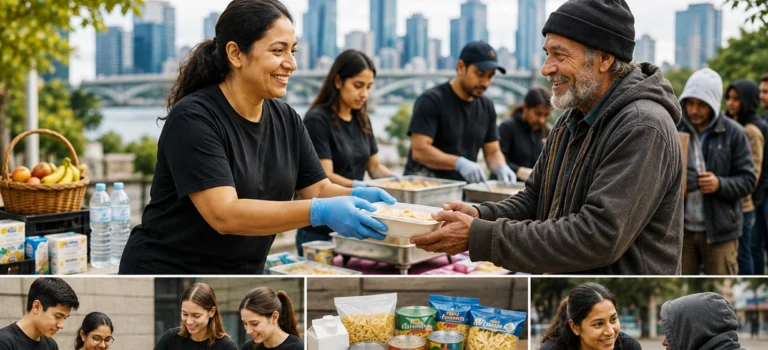
What began as a simple act of kindness during the COVID-19 pandemic has grown into one of Brisbane’s quietly impactful community initiatives. Founded during the pandemic, Mums United Sewa Project Inc (MUSP Inc) was established to support international students who suddenly found themselves without work, income or access to government assistance. During this challenging period, the organisation distributed more than $5,000 worth of groceries, ensuring hundreds of students had food on their tables when they needed it most.
As the pandemic eased, MUSP Inc recognised another growing need within our community—the increasing number of people experiencing homelessness and financial hardship. Today, the organisation is a fully self-funded charity dedicated to serving Brisbane’s most vulnerable residents through monthly outreach programs in the CBD.
To date, MUSP Inc has distributed more than 5,000 grocery bags and 5,000 hot meals, providing practical support and hope to people doing it tough. Each grocery bag is thoughtfully packed with nutritious, ready-to-eat essentials including long-life milk, tuna, baked beans, spaghetti, noodles, fruit cups and other pantry staples, offering meals on the go for people without access to cooking facilities.
Beyond food relief, MUSP Inc also provides dental hygiene packs, winter blankets, toiletries and emergency hot meals during natural disasters, ensuring those most in need receive comfort, dignity and care.
The organisation’s commitment to the community extends beyond homelessness. MUSP Inc has supported individuals and families experiencing domestic and family violence by connecting them with legal assistance, emergency accommodation, financial support, family services and mental health resources. Every person is treated with compassion, respect and confidentiality, reflecting the organisation’s belief that everyone deserves hope and the opportunity to rebuild their lives.
One of MUSP Inc’s proudest achievements is its growing Youth Group. Young volunteers collect donations, pack grocery bags and participate in outreach, learning the importance of kindness, empathy and service. More than simply volunteering, these young people are developing into compassionate leaders who understand the value of giving back and strengthening their communities.
At the heart of MUSP Inc is the principle of “Sewa”—selfless service to others. Every grocery bag packed, every hot meal shared and every conversation held is an opportunity to restore dignity, create connection and remind someone they are not alone.
As Queensland continues to face a growing homelessness and cost-of-living crisis, the need for community support has never been greater. MUSP Inc believes that lasting change begins with ordinary people coming together to show extraordinary kindness.
As a fully self-funded organisation, MUSP Inc relies on the generosity of individuals, businesses and community partners. Financial sponsorships, food donations, essential supplies and volunteers all help ensure the organisation can continue its vital work.
Together, we can build stronger communities where compassion replaces judgement, hope overcomes hardship, and no one is left behind.
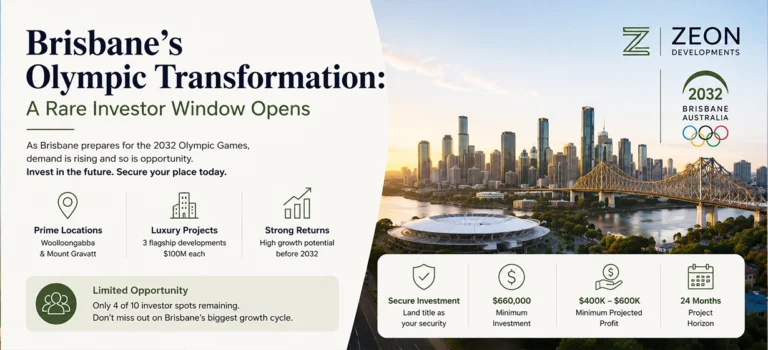
Brisbane’s Olympic Transformation: A Rare Investor Window Opens
As Brisbane gears up for the global spotlight of the 2032 Olympic Games, the city’s property market is undergoing a seismic shift. With infrastructure projects accelerating and demand for premium residential spaces skyrocketing, savvy investors are looking toward high-growth corridors like Woolloongabba and Mount Gravatt.Zeon Developments, a key player in the city’s urban evolution, has officially opened a limited window for private investors to participate in their latest portfolio of luxury residential projects. With four major developments currently underway, each valued at $100 million, the firm is positioning itself at the forefront of Brisbane’s pre-Olympic boom.
Strategic Locations, Proven Returns
The current portfolio includes three flagship developments: Carlonthepark and the dual-tower Lifehub in the high-demand suburb of Woolloongabba—the epicenter of the future Olympic precinct—and The View in Mount Gravatt East.
Each project has been subjected to a rigorous feasibility study, ensuring that the developments not only meet the immediate housing needs of a growing population but also offer long-term capital appreciation. Under the leadership of Development Director Adwin Awadh, a seasoned entrepreneur, Zeon Developments has structured these opportunities to provide an excellent rate of return for early-stage partners.
Investment Structure and Security
Zeon Developments offers a highly secure investment model designed for transparency and growth. Investors buy directly into the land title, ensuring the land itself serves as their security.
Key Investment Highlights:
Key Investment Highlights:
• Direct Security: Investor name is placed on the land title.
• Entry Point: $660,000 buy-in. Contact Sandy Deo on 0400 920 238 for exclusive offer for Australian Indian Times readers.
• Guaranteed Exit: Developer buyback at $1,000,000.
• Profit Potential: Minimum projected profit of $400,000 to $600,000.
• Asset: 2-Bedroom, 2-Bathroom, 1-CarPark unit.
• Market Value: Current sales are trending at $1.2 million.
• Timeline: 24-month project horizon.
• Woolloongabba project is (supported) by the Queensland Governments Fund.
Who Can Invest
This opportunity is open to:
* Equity Investors
* Cash Investors
* Self-Managed Super Funds (SMSF)
A Limited Opportunity
The exclusivity of this investment is underscored by its scarcity. Zeon Developments has confirmed that there are currently only 4 of the 10 exclusive investor spots remaining.
For those looking to secure a foothold in Brisbane’s most anticipated growth cycle, this represents a unique chance to align with established, high-value projects. To facilitate a seamless entry, a $1,000 deposit for an Expression of Interest (EOI) is required, and dedicated brokers are available to assist with finance approval within 24–48 hours.
For more information, contact Adwin Awadh at Zeon Developments 0415 557 430
visit zeonliving.com.au.
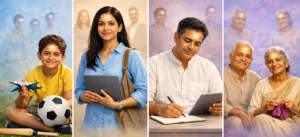
Meditation Across Every Stage of Life: A Raja yoga Perspective
Meditation is often regarded as a practice for adults seeking peace from the pressures of modern life. Others believe it is more suitable for older people who have completed their worldly responsibilities. However, an important question remains: Is there really a “right age” to begin meditation?
From the perspective of Raja yoga Meditation, meditation is not limited by age. Rather, it is a timeless spiritual practice that benefits every individual according to their stage of life. Whether one is a child, a teenager, an adult, or an elder, meditation nurtures inner peace, strengthens emotional resilience, and awakens spiritual awareness.
The true question is not “How old should I be?” but “Am I ready to discover my true self?”
Meditation Begins with Understanding the Self
Raja yoga meditation starts with a simple yet profound realisation: I am a soul, not merely a physical body. The soul is an eternal point of light, naturally filled with peace, love, purity, wisdom, and happiness. These qualities are not acquired from the outside; they are the soul’s original nature. Over time, however, life’s experiences, challenges, and accumulated impressions – known as sanskaras – can cover these original qualities.
Meditation helps remove this inner burden by reconnecting us with our original spiritual identity. It also enables the soul to establish a loving relationship with the Supreme Soul (God), the eternal source of peace, wisdom, and spiritual power. Through regular meditation, individuals begin to experience greater clarity of thought, emotional balance, and a deeper sense of purpose.
Childhood: Building Strong Spiritual Foundations
Childhood is perhaps one of the most suitable times to introduce meditation. Children naturally possess qualities such as innocence, simplicity, honesty, and openness. Their minds are less burdened by stress, prejudice, or deeply rooted habits. Because of this natural purity, they often respond positively to simple meditation practices.
Teaching children to spend a few minutes each day in silence helps them: Develop concentration and attention, improve emotional stability, build self-confidence, learn kindness and compassion, manage anxiety and fear and sleep more peacefully. Rather than teaching complicated philosophies, Raja yoga introduces children to the simple understanding that they are peaceful souls with beautiful inner qualities. These early experiences often become lifelong spiritual assets.
Teenage Years: Finding Stability During Change
Adolescence is one of life’s most transformative periods. Young people experience rapid physical growth, emotional changes, academic pressure, peer influence, and questions about identity and purpose. This stage can often become stressful and confusing. Meditation provides teenagers with an inner anchor. Regular practice helps them:
Handle examination stress, develop emotional intelligence, improve decision-making, build positive self-esteem, reduce anger and anxiety, resist negative influences and strengthen relationships with family and friends.
Raja yoga teaches teenagers that their value does not depend on external achievements alone. Instead, true confidence comes from recognizing one’s spiritual identity. This awareness allows young people to face life’s challenges with maturity and balance.
Adulthood: Creating Balance in a Busy Life
Adult life often brings numerous responsibilities. Career demands, financial commitments, raising children, caring for parents, maintaining relationships, and achieving personal goals can leave little time for inner reflection. As responsibilities increase, mental clutter also grows. Many adults experience: Stress, Anxiety, burnout, emotional exhaustion, relationship conflicts and lack of life balance.
Meditation acts as a daily “mental reset.” Instead of escaping life’s responsibilities, meditation strengthens our ability to manage them wisely. Raja yoga helps adults: Reduce mental stress, improve concentration, make clearer decisions, increase patience, strengthen family relationships, heal emotional wounds, develop positive thinking and maintain inner stability during difficult situations.
Scientific research increasingly supports these benefits, showing that regular meditation contributes to improved mental well-being, lower stress levels, and better emotional regulation. From a spiritual perspective, meditation also transforms old sanskaras – deeply ingrained patterns of thinking and behavior – into more elevated qualities such as forgiveness, compassion, and contentment.
Later Life: A Journey of Reflection and Inner Fulfilment
As people enter later adulthood, priorities often begin to change. Professional responsibilities reduce, children become independent, and individuals naturally spend more time reflecting upon their life’s journey. For many, this stage raises important spiritual questions: What is the purpose of my life? Have I lived meaningfully? What happens after death? How can I experience lasting peace?
Meditation provides comforting answers- not through belief alone, but through personal spiritual experience. Raja yoga teaches that the soul is eternal. The physical body changes, but the soul continues its journey carrying its accumulated impressions. This understanding helps reduce the fear of ageing and death while creating acceptance, gratitude, and inner peace. Many elderly practitioners describe meditation as their greatest companion during this stage of life because it nurtures hope, dignity, and spiritual fulfilment.
Is It Ever Too Late to Start?
One of the most encouraging aspects of meditation is that it is never too early and never too late to begin. Some people begin as children. Others discover meditation during university. Many begin in middle age after facing life’s challenges. Others start after retirement. Every beginning is valuable. Every moment spent reconnecting with the self contributes to greater peace and spiritual growth. Meditation welcomes everyone.
The Timeless Nature of Raja yoga Meditation
Unlike many activities that depend upon physical strength or age, meditation is a practice of consciousness. Its benefits evolve throughout life. Children learn values, teenagers gain emotional strength, adults discover balance, older people experience wisdom and contentment. At every stage, meditation strengthens the soul by reconnecting it with its original qualities and with the Supreme Soul. This makes meditation not simply a relaxation technique but a lifelong journey of self-transformation.
Beginning the Raja yoga Journey
Learning Raja yoga meditation is simple and accessible. The Brahma Kumaris offer free introductory Rajyoga Meditation courses through their centres worldwide, including Australia, India, the United Kingdom, and many other countries.
The introductory course generally covers: Understanding the soul, Understanding the Supreme Soul, The relationship between God and the soul, The cycle of time and the world drama, Spiritual laws governing life, The Human World Tree, Practical Raja yoga meditation techniques. The course is usually conducted over seven sessions, either individually or in small groups, allowing participants to ask questions and learn at their own pace. For those unable to attend in person, many centres also offer online learning opportunities.
Developing a Daily Practice
Meditation becomes most beneficial when practised consistently. A simple daily routine may include Morning Meditation – Begin the day by connecting with the Supreme Soul and creating peaceful, positive thoughts. Spiritual Study – Spend a few minutes reading spiritual wisdom that uplifts the mind and strengthens positive thinking. Mindful Living – Throughout the day, pause occasionally to remember your true identity as a peaceful soul while performing daily activities. Evening Reflection – Before sleeping, review the day’s experiences with gratitude, learn from mistakes without guilt, and mentally offer all concerns to God before resting peacefully. Even 10 to 20 minutes of sincere meditation each day can gradually transform one’s outlook on life.
Conclusion: Meditation Is for Every Age
The right age to begin meditation is today. Whether you are introducing meditation to a young child, encouraging a teenager, managing the responsibilities of adulthood, or seeking deeper meaning in later life, meditation offers lifelong benefits.
Raja yoga reminds us that while the body passes through different ages, the soul remains eternal. By reconnecting with our original qualities of peace, love, purity, and happiness, we learn to live with greater purpose, resilience, and joy. Meditation is not reserved for a particular age group – it is a universal practice that accompanies the soul throughout its eternal journey.
As we nurture the soul through regular meditation, we not only transform ourselves but also contribute to creating a more peaceful family, community, and world.
The best age to begin meditation is the moment we awaken to our true spiritual identity.
Brahma Kumaris Shailer Park provide free Raja Yoga Meditation, Positive Thinking and Anger Management Courses. Please contact us on 0414685144 or [email protected] for further information. https://brahmakumaris.org.au and find out the events happening close to your location.
OM Shanthi
The Future is Expensive—Our Youth Deserve to Be Ready
What if young people learned to budget before algebra? To read a payslip before signing their first contract? To save, invest and make informed decisions before facing rising living costs on their own?
These questions inspired Project Piggybank—a global, youth-led initiative showing that money conversations shouldn’t wait until adulthood.
Founded by Brisbane high school student Gauri Varma, the project has a clear mission: make financial education accessible, engaging and understandable for every young person, regardless of background.
As inflation rises, housing becomes less affordable and financial stress grows, understanding money is no longer optional—it’s essential. Yet many students leave school able to solve equations but unable to budget, understand taxes or build savings habits. Project Piggybank aims to change that.
Unlike traditional programs, it is run by young people, for young people. Its workshops, resources and social media content break down complex ideas into practical, relatable conversations.
Run by youth, for youth, Project Piggybank believes “We don’t just want young people to understand money—we want them to feel confident talking about it,” says Gauri. “It shouldn’t depend on your postcode, your parents’ income or whether your school teaches it.”
What makes Project Piggybank different is its approach. Rather than speaking at young people, it speaks with them. Its workshops and resources are designed in a language today’s generation understands—making conversations around money less intimidating and more empowering. Whether it is understanding the difference between needs and wants, building healthy financial habits or learning the fundamentals of saving and investing, the initiative meets young people where they are.
Project Piggybank’s impact is already measurable. The initiative has built a community of more than 1,000 young people online and has delivered workshops reaching students across Australia, India, the United States, the United Arab Emirates and Indonesia.
Its sessions have engaged about 100 participants in a single international workshop and have provided financial literacy education to underprivileged and disengaged youth through community organisations like Wesley Mission and Career employment Australia. Beyond attendance numbers, its impact can be seen in the conversations it creates—young people asking questions about budgeting, savings, careers and financial wellbeing that they may never have felt confident enough to ask before.
Today’s generation is growing up in an economic landscape unlike any before. Inflation continues to increase the cost of everyday essentials, housing prices are rising, and financial pressures are beginning earlier in life. The young people of today will inherit a future that demands greater financial confidence than ever before.
Financial stress is a leading cause of anxiety among young people. Rising costs, student debt and job uncertainty affect not just finances, but mental wellbeing. Money worries follow students into classrooms, workplaces and homes.
Life is becoming more expensive. Today’s young people face challenges previous generations did not experience at the same scale, from housing affordability to competitive job markets.
While it won’t solve every economic issue, financial education equips young people to navigate them.
What began as a single student’s idea has evolved into a global movement with a powerful message: financial literacy can transform lives.
This is about far more than money—it’s about building confidence, expanding opportunities and equipping young people with the tools they need to shape their own futures. When uncertainty is replaced with knowledge, new possibilities emerge. With initiatives like Project Piggybank leading the way, the next generation won’t just be prepared—they’ll be empowered to move forward with clarity, resilience and hope.
Because this isn’t just about dollars and cents—it’s about opportunity, independence and giving the next generation the tools to thrive.
Check Out Their Instagram
@proj_piggybank
Many think giving money to their children or family are advantages – It’s not. In fact, they are a massive burden that can lead to anger and regret.
This is because over the next 20 years some AU$3.4 trillion will get passed down from one generation to another. The young keep telling me that life is hard and that they have no chance of buying a house.
That, in many cases is crap. But at the same time there may be some truth in it.
To those that tell me they will not buy a home I usually tell them that they won’t have to. Most will be given the family home and yes in many cases the family home will have to be shared with other siblings, but I would give my left and my right arm to be in their position when I was their age. But it is not ideal – our children want to have a home now.
Now that may mean the young have to wait until the reaper has come and taken their parents away but inheriting a debt free home in your 40’s or 50’s is not a bad thing. Most people today aged 40 to 50 would love a debt free home. I was speaking to a doctor aged 71 the other day and he still has a debt on his home of $710K.
But there is no doubt – whatever we do not use (or give away while we are alive) we will leave it behind for others in our family to enjoy. And my experience is that this wonderful, beautiful gesture may become the pathway to hell.
And that is because if it is not done correctly the chances are your hard-earned cash and investments are going to get blown away.
Over the last 18 months or so I have been having a lot of discussions about how money should be passed about. I have been involved in many estate plans, and many do not realise how big their estate will be. Recently I had clients who thought they were worth less than $600,000 and thought an estate plan was not necessary for their ‘meagre’ wealth. By the time I finished with calculations which included life insurance and super we were sitting with an estate value of more than $4m.
Here is what I do know. If you have worked hard for your dough you are going to be pretty pissed off if it is not used wisely. These are hours spent running a business or working overtime to pay your mortgage. You did not buy the Ferrari or do the 30-day cruise, but I can bet your bottom dollar your kids probably will because they can afford it. With your money. And when you find out you are going to be properly cross about that.
Here I what you should do if you want to give your money away.
It’s about you, not them
Parents usually will do anything to help their kids out. Often at the expense of damaging themselves because if you overdo it (give more than you should) and need it back all kinds of excuses come out, and you never get to see your own dough. And I do not care how you try to convince me that your kids are good and decent. When it comes to money there are no guarantees because even if your kids are the best in the world if they divorce, go bankrupt or worse die, it will be almost impossible to get it back. Trust me this is depressing and sad stuff.
And so many of my earlier discussions are about how much you need to keep for yourself if you want to give money during your lifetime.
In other words, worry about yourself not your kids. Kids feel they have an automatic right to your money. They don’t. It’s your money. The only person who has a right to it is you.
Once you make a gift, there is no guarantee of getting it back if you need it. You might trust your children to look after you, but their death, divorce or bankruptcy would take the funds that you gave them out of their hands. All rather gloomy stuff.
Have the Discussion
Whether it’s a discussion about your Estate plan (Wills) of gifts/ loan during your lifetime have the discussion. Talk to your family, especially your kids.
The last thing they need are surprises. If you want to give more or less to one child/ family member, explain to them the reasons. They may not be happy about it but at least they expect it and they can ask questions whilst you are still alive.
My experience is that when they find out they have received less and it is unexpected, they try looking for answers and usually none are available because you are no longer around to explain. This then creates anger and everyone ends up in court hating each other. Which leads me to ……..
…..Try to be Equal
I have found that if you do treat children unequally it causes the largest and most bitter disputes between them.
Many think that means all kids get the same. It does not. What it means is that the distribution is seen as being correct or fair.
I was recently involved in an estate plan when one child living overseas was not to receive a significant cash payment which her 3 other siblings would receive. This was based on advice I had given because the child living overseas had received significant financial help whilst my client was alive whereas the other 3 children had not.
This was clearly put in the will, and the 4 children were all told about it. All 4 agreed that it was fair. In this case the chances of dispute significantly fall but without the explanation or discussion? Who knows where it would have ended up.
Loan or gift?
If you provide funds to your children during your lifetime, is it a loan or a gift? I personally always favour loans because a loan is repayable. A gift never is. But it can cause issues in themselves.
A loan means that in the event of divorce, death and sometimes bankruptcy of your child these funds can be repaid to you should you wish.
The problem? It needs to be documented and for reasons that evade me, parents don’t like getting their children to sign things. Emotion take president over logic.
But if you do go down the emotion route, don’t complain when you lose it.
If you do decide a loan is the way to go it could be interest free and repayable on demand, but I would always include a small repayment – it could be as low as $100 a year and make sure it is received/ paid.
Why? Well because a loan repayable on demand lapses after 6 years if no demand or repayment is made which converts it to …… a gift. And if there is a repayment no-one can argue it was not a loan.
This can be particularly useful if you have a married child and you have provided financial assistance to them to say pay a deposit on a home. If they later divorce and you have no documentation the chances, are you will have give approximately 50% to your child’s ex, and I have never met an ex in law that is happy with that.
Problems? Well banks don’t like parents giving loans for a deposit on a home – they want it as a gift. And if you yourself get into financial difficulty then suddenly creditors could ask for the money back from your child. It’s not ideal.
Never Rush into Giving Gifts/ Loans or an Estate Plan
Why?
Because the biggest screwups I have come across is because there was a rush to do something.
Time allows you to think about what is right. If you have a family discretionary trust or a company this complicates matters. Add in superannuation, life cover etc and suddenly there a lot to think about. And then there are tax bills. Whatever you do the last thing you want is to allow the ATO to get their grubby hands on your money.
Many of my clients have multiple trusts and multiple companies. The more complex your structures and investment vehicles the more time you need to think.
Use Trusts
My preference when undertaking estate plans is to put the estate in trust at death. This can provide protection from divorce, bankruptcy and ensures maximum tax advantages. If drafted properly it can also ensure your bloodline benefits from the capital.
The latest budget has put a spanner in the works (because the Australian Government thinks that if you think about passing your wealth to your kids you are evil) but trusts are still a great way to protect your assets. Your aim is to protect your wealth, not necessarily to save taxes.
It will also stop a 19-year-old kid from buying a Ferrari or the 30-day cruise and ensure the capital is protected and invested for your child’s future. They can buy the Farrari when they are more responsible.
If you want to give a gift during your lifetime with the expectation that they invest it rather than buy a Ferrari, then family trusts are a good way to control funds but new tax rules have put a spanner in the works so take advice.
When it comes to giving your money away remember a few things. Its is your money and only you have the right to it and decide who gets what. And whenever you do give it away make sure it is protected and cannot be abused. But unless you talk about it and plan it that won’t happen.


 Brisbane, Australia – 23 May 2025: The vibrant multicultural city of Brisbane witnessed a heartwarming celebration of Basava Jayanthi 2025, hosted by Basava Samiti of Asia Pacific (BSAPAC). The annual event commemorates the birth anniversary of Guru Basava, the 12th-century social reformer and spiritual visionary who pioneered inclusive social practices and ethical living, centuries ahead of his time.
 The program opened by lighting the lamp followed by the key note address was delivered by Mrs Karen Lay-Brew, the Board Member of Energy Queensland, Strategic Advisor to Australian Government. Karen migrated with family at the age of 11 from Mynamar provided an inspiring speech of the hardships of migrants and their journey to success, happiness and peace while navigating through the value system of life. Her speech was inspirational and touched the hearts of young and old.
 Other notable programs included the Australian national anthem via the violin, presentation of the Guru Basava Dashboard Idol – a spiritually uplifting artefact designed for the car, symbolising values of truth, work, and devotion, ideal for daily travel inspiration by the 12 year old Master Hanish Banavar. BSAPAC will promote these dashboard idols that can be used in the cars via their shopping carts.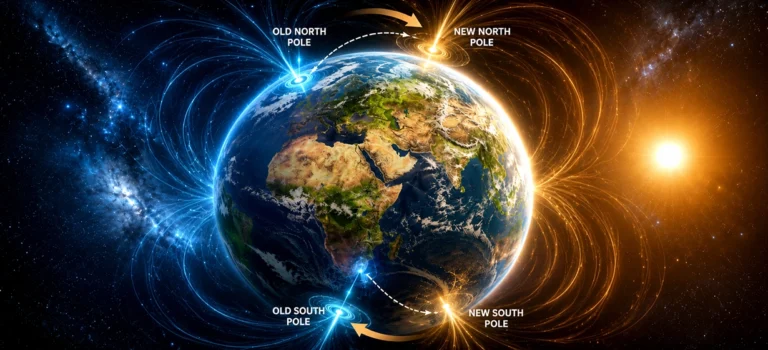

 Sadhguru: When it comes to God, you have been told to believe; nobody told you to explore Divinity. Without being touched by an experience, believing something is not going to transform you. Suppose from the day you were born, if I kept telling you my little finger is God, if I show you my little finger, divine emotions will come within you. If I teach you that my little finger is the Devil, if I show you my little finger, terror will arise within you. This is the nature of your mind.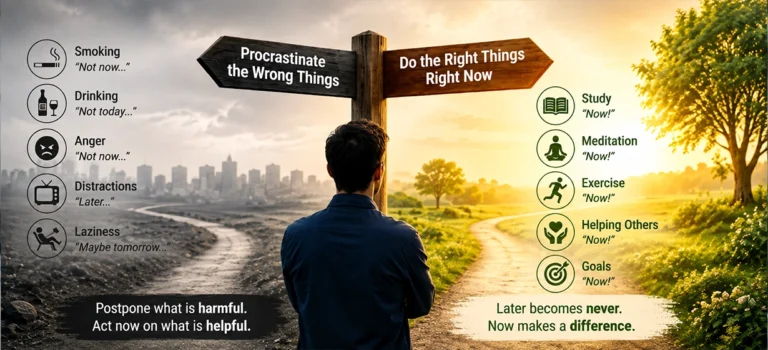
 Many a times, it so happens that we plan something for a certain date but due to some unforeseen circumstances and factors, we are unable to implement it, as a result of which we have to postpone our programme to some other date. This kind of postponement is quite natural for most of us and it is not due to lethargy, lack of zeal or lack of care on our part. No! It is the sea-change in the situation that makes a forceful demand on us to alter and postpone our charted activity so much so that we are unable to withstand its forceful thrust and to push it aside so as to make a headway.


 As Brisbane gears up for the global spotlight of the 2032 Olympic Games, the city’s property market is undergoing a seismic shift. With infrastructure projects accelerating and demand for premium residential spaces skyrocketing, savvy investors are looking toward high-growth corridors like Woolloongabba and Mount Gravatt.Zeon Developments, a key player in the city’s urban evolution, has officially opened a limited window for private investors to participate in their latest portfolio of luxury residential projects. With four major developments currently underway, each valued at $100 million, the firm is positioning itself at the forefront of Brisbane’s pre-Olympic boom.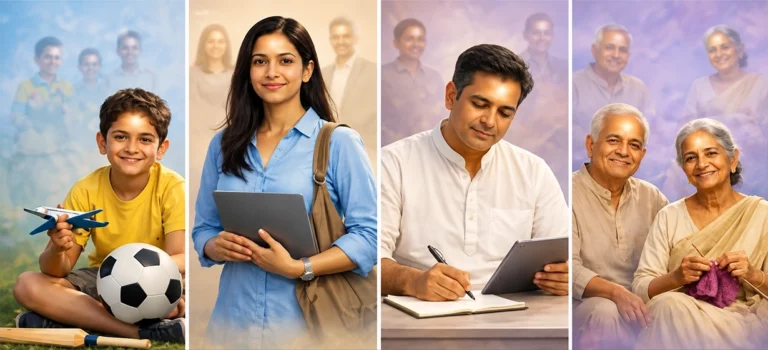
 Meditation Across Every Stage of Life: A Raja yoga Perspective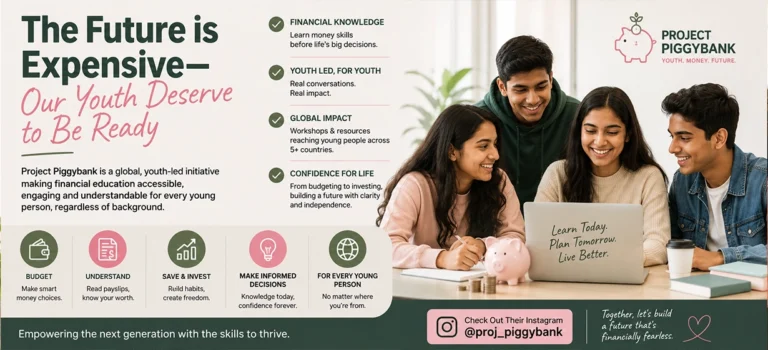

 Over the last 18 months or so I have been having a lot of discussions about how money should be passed about. I have been involved in many estate plans, and many do not realise how big their estate will be. Recently I had clients who thought they were worth less than $600,000 and thought an estate plan was not necessary for their ‘meagre’ wealth. By the time I finished with calculations which included life insurance and super we were sitting with an estate value of more than $4m.