Baby Vaani’s Valentine’s Day arrival a sweet gift for her parents
Sandeep Mann can’t wipe the smile off her face as she nurses her newborn baby girl – a special delivery on Valentine’s Day.
Baby Vaani was born at Brisbane’s Mater Mothers’ Hospital at 5.54am weighing 3.276kg.
Mrs Mann, a clinical nurse, said Vaani’s birth was a “great surprise” for her family as she was one week overdue.
“I was actually 41 weeks into my pregnancy and really, this is the best gift my husband Balwinder and I could receive on such a special day,” Mrs Mann, of Kuraby, said.
“Our son Kabir is 17 months old, and he is going to love meeting his baby sister. He just loves kids.”
Mrs Mann said her relatives in India were “very excited” about Vaani’s Valentine’s Day arrival.
“My parents are here to help look after Kabir and send him to Kindy while we get ready to bring Vaani home,” she said.
Baby Vaani has lots of hair and is very active and alert, said Mrs Mann.
Mater Mothers’ Hospitals are Australia’s largest maternity service with almost 12 000 babies born every year.
Namaste to everyone celebrating India’s Republic Day.
It is a wonderful co-incidence of history that Australia shares its national holiday with India— 26 January.
There is an easiness, a natural connection, between our two cultures, and a deep friendship. Australians call it mateship. Indians call it dosti.
Our familiarity means that we can work easily together – and together we strive to build a better world.
On this shared day – we honour the communities that share Australian and Indian heritage in our two countries. We know the pandemic has been testing for them with so many families separated.
In 2022, we share a hope of a COVID recovery – with families reuniting, and students and travellers returning to both of our shores, and our peoples living with health, safety and prosperity.
In setting down its constitution in 1950, India secured the democratic freedoms that ensure justice, liberty, equality and fraternity for its people.
I join them — and every Australian with a connection to India — in celebrating the constitution’s enactment on this day.
As India also marks its 75th anniversary of independence in 2022, Australia and India continue to share great friendship.
The Morrison Government has announced a series of visa measures to provide an incentive for fully vaccinated Student and Working Holiday Maker visa holders to return to Australia as soon as possible to help address current workforce shortages caused by COVID-19.
Refunds of Visa Application Charges
Working Holiday Maker visa holders who are currently offshore and come to Australia during the next 12 weeks will be eligible for a refund of their Visa Application Charge.
Any Student visa holder who is currently offshore and comes to Australia over the next 8 weeks, will be eligible for a refund of their Visa Application Charge.
The current Visa Application Charge for a student is $630 and for a Working Holiday Maker it is $495.
These changes will also apply for new applications, which will be processed quickly so applicants can come to Australia during the refund window.
As well as providing an incentive for existing offshore visa holders to bring forward their travel, these changes will generate new interest in Australia and new visa applications.
The provision of refunds and priority visa processing, together with a Tourism Australia advertising campaign, will generate fresh interest in Australia from students and Working Holiday Makers who contribute greatly to our economy and fill vital skills gaps.
International Student – Working Hours Flexibility
The Morrison Government has supported Australian businesses during the pandemic by allowing Student visa holders to work additional hours in critical sectors.
Due to current workforce shortages, the Government is temporarily extending this arrangement by removing the limit on Student visa holders’ working hours across all sectors of the economy.
This measure takes effect immediately for all ongoing students as well as new student arrivals who start a job prior to their course commencement, and will be reviewed in April 2022.
Working Holiday Makers – Employer Flexibility
In addition, effective immediately and until the end of 2022, there will be no limit on the length of time Working Holiday Makers can work for the same employer.
The above measures are temporary and designed to provide immediate assistance to Australian businesses that are currently facing critical workforce shortages, to enable them to continue delivering goods and services to the community.
There are currently around 150,000 Student and 23,500 Working Holiday Maker visa holders offshore.
All international arrivals must be fully vaccinated or hold a valid medical exemption.
Australia’s COVID-19 vaccination program has been extended to children aged 5 to 11 years. This is because the Australian Government accepted recommendations from Australia’s immunisation experts, the Australian Technical Advisory Group on Immunisation (ATAGI).
ATAGI also recommends a booster dose of COVID-19 vaccines for people aged 18 years and over.
Read on to find out why it is important to get your children vaccinated, and how booster doses will help maintain your protection against COVID-19.
Why is it important to vaccinate 5 to 11-year-old children for COVID-19?
On 5 December 2021, the Therapeutic Goods Administration (TGA) provisionally approved the paediatric Comirnaty (Pfizer) vaccine for use among 5 to 11-year-old children in Australia. The TGA are the scientists and medical experts who regulate and approve all vaccines, medicines, and other medical products for use in Australia.
The TGA’s provisional approval was based on a careful evaluation of available data to support the Pfizer vaccine’s safety and effectiveness among this age group.
Getting vaccinated is the best way to protect children from getting very sick from COVID-19. It will help reduce the chances of them spreading COVID-19 to their family and community. It will also help children get back to normal life without interruptions to school, sport, and other activities.
If you are a parent, carer, or guardian, you can be confident in vaccinating your children against COVID-19. You will have done everything possible to keep your children safe from this virus.
Children will be able to receive their free vaccination at doctors’ clinics, government vaccination clinics, and participating pharmacies.
Appointments are available for children aged 5 to 11 years old from 10 January 2022. Find a local vaccine provider and book an appointment at australia.gov.au, or call 1800 020 080. For interpreting services call 131 450.
The importance of COVID-19 vaccine booster doses
People in Australia aged 18 years and over can access a booster dose of COVID-19 vaccine to maintain maximum protection against COVID-19.
Two doses of COVID-19 vaccines provide very good protection, especially against severe disease. A booster dose will make sure the protection from the first two doses is even stronger and longer lasting. It increases your protection against infection with the virus that causes COVID-19, severe disease, and dying from COVID-19. A booster dose will continue to protect you, your loved ones and your community against COVID-19.
Booster doses of Pfizer and Moderna are free and available through doctors, participating pharmacies, and government vaccination clinics.
Booster doses are now recommended for severely immunocompromised people. If you have received your third dose of the COVID-19 vaccine, it is recommended that you get your booster dose 4 months after your third dose. From 31 January 2022, you will be able to receive your booster dose 3 months after your third dose.
You can find out more about the COVID-19 vaccine booster program and check when you can book your booster dose by visiting australia.gov.au, or calling 1800 020 080. For interpreting services, call 131 450.
Authorised by the Australian Government, Canberra.
Pregnancy and COVID-19 vaccines and information for people who have been vaccinated overseas
Everyone in Australia 12 years of age and over can have a free COVID-19 vaccine at participating pharmacies, doctors’ clinics, and government clinics. While more than 80 per cent of people in Australia aged 16 and over are now fully vaccinated with two doses, there is still misinformation about COVID-19 vaccines. Read on to find out about COVID-19 vaccines and pregnancy, how and where you can get vaccinated and to learn more about the importance of maintaining good hygiene and physical distancing.
Is it safe to get vaccinated if I am pregnant, planning to start a family or breastfeeding?
The Therapeutic Goods Administration (TGA) are the scientists and medical experts who regulate and approve all vaccines, medicines and other medical products for use in Australia. The TGA has approved Comirnaty (Pfizer) and Spikevax (Moderna) vaccines for pregnant and breastfeeding women and those planning a pregnancy.
The risk of getting serious side effects from COVID-19 and needing intensive care is higher for pregnant women and their unborn baby. Vaccination is the best way to reduce these risks.
A study from the United States of more than 35,000 pregnant women showed that vaccination does not increase the chances of complications such as premature delivery, stillbirth, and birth defects. Scientific evidence suggests that the antibodies created by pregnant women after receiving the COVID-19 vaccine can cross the placenta, particularly in women vaccinated early in pregnancy who received both doses before their baby was born. These antibodies may provide the baby with some protection against COVID-19 for the first few months of life.
For people wanting to start a family, getting vaccinated before conceiving means you are likely to have protection against COVID-19 throughout your pregnancy. Getting vaccination does not affect fertility or your chances to conceive.
What are the next steps if you have just arrived in Australia after being partly or fully vaccinated overseas?
If you have received an approved vaccine while overseas, you can have it recorded on the Australian Immunisation Register (AIR) upon returning to Australia, provided your documents are in English. It will then appear on your immunisation history statement (IHS).
If your vaccination documents are not in English, you can get them translated. The Department of Home Affairs website has a free translating service which you can use. Find out more at translating.homeaffairs.gov.au.
The approved vaccines that are recognised in Australia are: AstraZeneca, Pfizer, Moderna, Sinova Coronavac, Sinopharm BBIBP-CorV, Johnson & Johnson COVID vaccine, and Bharat Biotech Covaxin.
If you have not been vaccinated with the above approved vaccines, you do not meet Australia’s definition for being fully vaccinated.
If you have only had your first dose of any of these vaccines, you can book to have your second dose at a participating pharmacy, doctors’ clinics, or government clinic. If it has been more than 6 months since you had your second dose, you are eligible to take a booster shot.
Remember to continue washing your hands regularly – and maintain cough and sneeze hygiene and physical distancing. You may still be required to wear a mask in some locations. If you have any symptoms such as a sore throat, runny nose, cough or fever, get tested and stay at home until you receive a negative test result.
To book your COVID-19 vaccine or booster dose appointment, visit australia.gov.au, or call 1800 020 080. For interpreting services, call 131 450.
Authorised by the Australian Government, Canberra.
On the basis of medical advice provided by the Chief Medical Officer of Australia, Professor Paul Kelly, the National Security Committee has taken the necessary and temporary decision to pause the next step to safely reopen Australia to international skilled and student cohorts, as well as humanitarian, working holiday maker and provisional family visa holders from 1 December until 15 December.
The reopening to travellers from Japan and the Republic of Korea will also be paused until 15 December.
The temporary pause will ensure Australia can gather the information we need to better understand the Omicron variant, including the efficacy of the vaccine, the range of illness, including if it may generate more mild symptoms, and the level of transmission.
Australia’s border is already closed to travellers except fully vaccinated Australian citizens, permanent residents and immediate family, as well as fully vaccinated green lane travellers from New Zealand and Singapore and limited exemptions.
All arrivals to Australia also require a negative PCR test and to complete Australian traveller declaration forms detailing their vaccination status and confirming requirements to comply with state and territory public health requirements.
On Saturday, the Australian Government announced the following measures:
Effective immediately, anyone who is not a citizen or permanent resident of Australia, or their immediate family including parents of citizens, and who have been in African countries where the Omicron variant has been detected and spread – within the past 14 days – will not be able to enter Australia. The countries are: South Africa, Namibia, Zimbabwe, Botswana, Lesotho, Eswatini, Malawi and Mozambique.
Australian citizens and permanent residents, immediate family members including parents arriving from these countries will need to go into immediate supervised quarantine for 14 days subject to jurisdictional arrangements.
Anyone who has already arrived in Australia and who has been in any of the eight countries within the past 14 days must immediately isolate themselves and get tested for COVID-19 and follow jurisdictional quarantine requirements which will include quarantine for 14 days from the time of departure from southern Africa.
These restrictions also apply to people, for instance international students and skilled migrants, arriving from the safe travel zones we have established with New Zealand and Singapore who have been in any of the eight countries within the past 14 days.
There are no flights planned from these countries.
These measures will also be continued until 15 December.
Upon further advice from Professor Kelly, Seychelles has been removed from the list of countries of concern.
Australian Border Force retains discretion to allow people in who are already in transit to enter, but these people will be subject to state based isolation requirements.
Under state public health requirements, New South Wales and Victoria have already initiated testing and 72 hours of isolation requirements for Australian citizens, permanent residents and immediate family members entering the country. In other states, 14 days of managed quarantine is required, and traveller cap arrangements are in place.
The Australian Government’s quarantine facility at Howard Springs in Darwin is available to support returning Australians each fortnight as required.
The Prime Minister has called a meeting of National Cabinet tomorrow to further discuss the Omicron variant and Australia’s response.
Australians can be assured that we are in a strong position to deal with COVID and its emerging challenges.
We have one of the highest vaccination rates in the world, with 92.3 per cent having had a first dose and 86.8 per cent of our eligible population now double vaccinated, and we have one of the only whole of population booster programs being delivered, with around 415,000 Australians having received their booster.
Australia has a proven record of dealing with COVID, we have one of the lowest fatality rates, highest vaccination rates and strongest economies in the world.
We will continue to take sensible and responsive evidence based action, led by medical experts. This will ensure we can open safely, and stay safely open as we learn to live with the virus.
COVID-19 CONCESSIONS FOR OFFSHORE TEMPORARY GRADUATE VISA HOLDERS
Temporary Graduate (subclass 485) visa holders who have been unable to travel to Australia as a result of COVID-19 international border restrictions will be able to apply for a replacement visa.
Minister for Immigration, Citizenship, Migrant Services and Multicultural Affairs Alex Hawke said this would allow current and former Temporary Graduate (subclass 485) visa holders whose visas expired on or after 1 February 2020 to re-apply for a new subclass 485 visa of the same duration as their original visa.
“This recognises the importance of international students in our community, as well as our workforce, and aligns with other visa concessions made as a result of COVID-19,” Minister Hawke said.
“We look forward to welcoming fully vaccinated Student and Temporary Graduate visa holders back into our communities from 1 December 2021.”
Minister for Education and Youth Alan Tudge said this announcement will give confidence to international students that they will have the opportunity to use their skills and qualifications in Australia.
“Australia’s border settings have been an important part of our health response to COVID-19, but we understand the impact that restrictions have had on current and former international students who remain overseas,” Minister Tudge said.
“The Morrison Government’s new Strategy for International Education will guide the recovery of the sector, strengthen the sector’s resilience to market disruptions and support growth. This announcement forms part of that Strategy.”
In normal circumstances, applicants are limited to just one initial subclass 485 visa in a lifetime and a further visa is only available on the basis of regional work and study.
There are about 30,000 Temporary Graduate visa holders who lost time in Australia due to travel restrictions, who will now have the opportunity to apply for another subclass 485 visa. Fully vaccinated Temporary Graduate visa holders outside Australia will be able to travel from 1 December 2021.
Those graduates whose visas have expired will be able to apply for a replacement visa from 1 July 2022.
There will also be other changes to Temporary Graduate visa settings to ensure Australia remains a competitive and attractive destination for international students.
The stay period on the Temporary Graduate (subclass 485) visa for Masters by Coursework graduates, will increase permanently from two to three years, to match the stay period for Masters by Research graduates.
As a concession during the COVID-19 pandemic, the stay period on the Temporary Graduate (subclass 485) visa Graduate Work stream, will increase from 18 to 24 months, and application requirements will be streamlined by removing the requirement for graduates to nominate an occupation from the skills occupation list.
These changes to Temporary Graduate visa stay periods will be implemented from 1 December 2021, and the removal of skilled occupation list requirements from 1 July 2022.
“Increasing the length of Temporary Graduate visas for Masters by Coursework and Vocational Education and Training (VET) graduates and expanding opportunities for VET graduates to apply for a Temporary Graduate visa will benefit our economy,” Minister Hawke said.
These changes will be implemented progressively from 1 December 2021 through to 1 July 2022. Further details will be available on the Department of Home Affairs website shortly.
GOPIO Queensland Hosts 11th India Day Fair at Southbank
BRISBANE, GOPIO Queensland hosted their eleventh India Day Fair on 23rd October at Southbank Piazza. The iconic event celebrates India’s Independence Day and is normally held at the amphitheatre of Roma Street Parkland. Since last year there have been uncertainties about the restrictions. The restrictions imposed at Roma street was unmanageable in 2020 so the committee decided to hold a virtual event which went very well but it is never the same as the real event.
Fast forward to 2021, the restriction was still in place so the committee decided to shift the event to Southbank Piazza which would be more manageable in terms of crowd control with dedicated entry and exit points. Being a under cover venue was another plus point, the shifting of venue wasn’t taken lightly, risks were weighed against the opportunities and threats. As all previous India Day Fair were held at the Amphitheatre in Roma Street Parkland, it had become the default location, and people did not event think of going to another location, if fact few people went to the amphitheatre this year thinking that the event was being held there.
The idea of shifting the venue was nothing new, it had previously been mooted and a lot of time and effort had gone into seeking alternative venues but in vain. The amphitheatre comes with its own unique challenges, challenges that that GOPIO Qld had learnt to manage, unlike other organisers who overlooked the strict requirements and went ahead regardless. One of the biggest challenges was the uneven terrain where the stalls are set up, and the strict bump in and bump out procedures.
After the hard decision of shifting the venue, the committee got the wheels in motion of organising the event, the date was set 15th of August and all seemed to be progressing well , the committee had secured the services of a professional event management company to help facilitate the event. This was uncharted waters for the committee who had previously run the whole event successfully themselves. A highly successful launch and poster release of India Day Fair 2021 was held at Emporium Hotel in Southbank. At the poster release the new venue and the event partners were announced and introduced.
The event was advertised, invites were sent, and good response was received, then the unthinkable happened as new COVID 19 restrictions came into force in Queensland, the committee had no choice but to shift the date. This proved to be a logistical nightmare , as Brisbane festival had just began and the venue was not available, and there were other competing events happening, in some of which our event mangers were directly involved, all of this pushed the date to 23rd October – a far-fetched date from 15th of August.
With the change of date GOPIO Queensland decided to go ahead with a dinner function at Queensland Parliament house on 15th August, as the day had to be celebrated. This event was organised and completely sold out within thirty hours. Another highly successful event in GOPIO Queensland Tradition. Many politicians and community leaders missed out on the event as the speaker’s hall was still only accommodating limited numbers as per the COVID 19 restrictions.
India Day Fair 2021 was delivered to a reasonable standard, but it did not have the same charm as it would have if it had taken place on the 15th of August. The line of dignitaries was impressive and demonstrated the value placed they placed on the event, the official party included Steve C Coghill – Indigenous Elder, Minister Leanne Linard – representing Queensland Premier, Umesh Chandra OAM, Katarina Carroll – Queensland Police Commissioner, Lord Mayor Adrian Schriner , Mrs Archana Singh Ji- Honorary Counsel for India in Queensland, Rakesh Sharma- GOPIO Queensland President, Lady Mayoress- Nina Schriner, Dr Maha Sinnathamby AM – Patron GOPIO Qld, Christine Castley – Multicultural Australia, – Jim Chalmers MP – Federal shadow treasurer, David Crisafulli MP – State leader of opposition and Swami Atmeshananda.
Being a new venue, there were new challenges such as the VIP reception area, and the traditional India Day Parade. The programming as usual began with devotional songs, lifetime achievement award, VIP reception, India Day Parade, Official ceremony, sponsors presentation, afternoon acts and performances. The stalls were on the outer ring of the Piazza, the good part was that it caused little disruption; downside was that it was a bit disengaged from the program itself.
There were more people in the later part of the day, this is quite normal practice as traditionally people expect senior groups to be performing in this segment. Not All VIPS are interested in the cultural items and they usually leave after their speeches or the VIP reception. The feed back from the VIPs was that being under cover was a relief.
As organisers the dilemma that we are faced with is balancing the entertainment with the formalities, it is not easy, and we must find the happy medium. Without sponsors an event of this magnitude is just not possible, we realise that sponsors certificate presentation has low entertainment value, but the fact is that without the sponsors we would not have the event. The seating capacity of Southbank Piazza is more than double that of the amphitheatre at Roma Street Parkland and so patrons were spread out in line with the Covid restrictions. The class of performances were high, and it is good to see that groups have come a long way and have put in a lot of effort and energy into staging their acts.
GOPIO Queensland committee worked hard to present India Day Fair 2021, and would like to thank everyone for attending and would like to place on record special thanks to the performers who put in a lot of effort in staging their acts and a very special mention to our sponsors. Hopefully 2022 will be a stable year enabling everyone to plan effectively .
On 28 October 2021, the Australian Government announced COVID-19 vaccination booster doses for people 18 years of age and older.
Read on to find out more about the booster program, and when you can get your booster dose.
Why is there a booster program?
The COVID-19 vaccines available in Australia – Vaxzevria (AstraZeneca), Comirnaty (Pfizer) and Spikevax (Moderna) – are very effective at protecting people from severe disease, having to go to hospital, and death. They also have a significant impact on reducing the risk of getting COVID-19 and passing the virus on to others.
The Australian Government has started rolling out booster doses to people who completed their two-dose primary vaccination course at least six months ago.
It is important people know that two doses of COVID-19 vaccine provide very good protection, especially against severe disease.
A booster dose, six or more months after the second dose, will make sure that the protection from the first doses is even stronger and longer lasting and should help prevent spread of the virus.
Do not rush to get your booster dose before six months of having your initial course, even if you are going overseas or you have other concerns. You can be confident that your two-dose course is giving you full protection for at least six months.
How do I get my COVID-19 vaccine booster dose?
COVID-19 vaccines are free to everyone in Australia. This includes booster doses.
You can go to a doctor, a government vaccination clinic, or a participating pharmacy to get your COVID-19 vaccine booster dose.
To book your COVID-19 vaccine booster dose appointment, visit www.australia.gov.au, or call 1800 020 080. For interpreting services, call 131450.
If you do not remember when you had your second dose, you can find those details on your COVID-19 vaccine certificate. Go to www.servicesaustralia.gov.au for information on how to access your certificate. Or, if you received your second dose from your doctor, you can ask them.
What’s the difference between booster doses and third doses?
Australia’s immunisation experts, the Australian Technical Advisory Group on Immunisation (ATAGI), recommend a third dose of COVID-19 vaccine for people aged 12 years and over who are severely immunocompromised. People who are severely immunocompromised have lower levels of immunity than the rest of the population. They need this third dose to get the same protection others will have from two doses.
Those who are eligible for a third dose should have it between two to six months after their second dose of COVID-19 vaccine, as part of their initial course.
A third COVID-19 vaccine dose is different from COVID-19 booster dose. Booster doses are not currently recommended for people who are severely immunocompromised and who have had a three-dose primary course of the COVID-19 vaccination.
Where do I go for more information?
It’s important to stay informed about the COVID-19 vaccination program through reliable and official sources.
Visit www.health.gov.au/covid19-vaccines-languages for more information in your language. You can also call the National Coronavirus and COVID-19 Vaccine Helpline on 1800 020 080. For interpreting services, call 131 450.


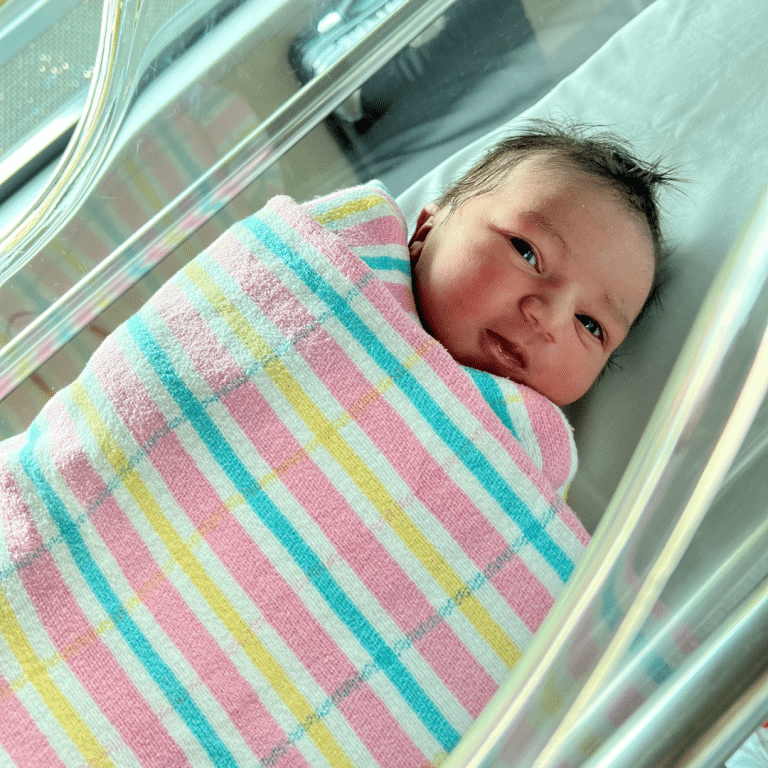
 Sandeep Mann can’t wipe the smile off her face as she nurses her newborn baby girl – a special delivery on Valentine’s Day.
 Mrs Mann said her relatives in India were “very excited” about Vaani’s Valentine’s Day arrival.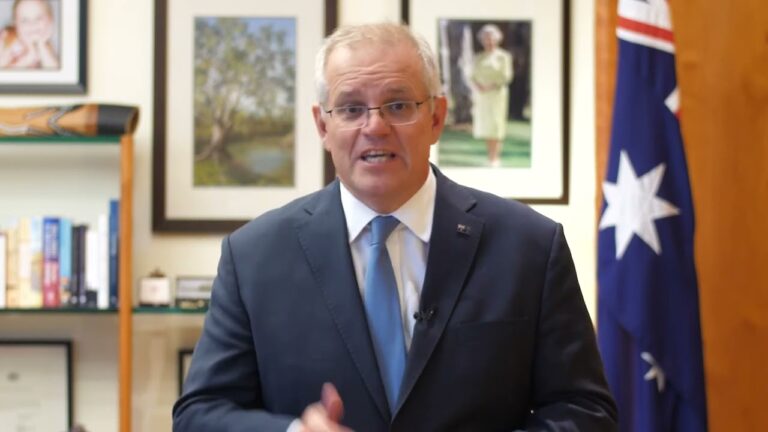


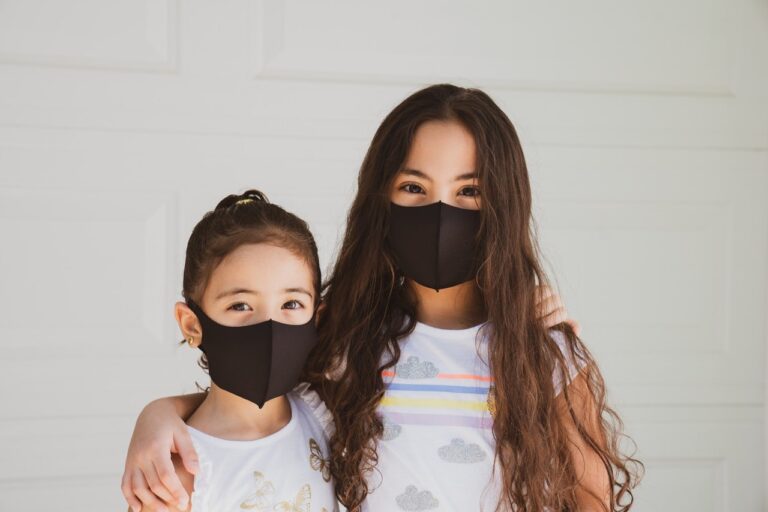
 Australia’s COVID-19 vaccination program has been extended to children aged 5 to 11 years. This is because the Australian Government accepted recommendations from Australia’s immunisation experts, the Australian Technical Advisory Group on Immunisation (ATAGI).
 The Therapeutic Goods Administration (TGA) are the scientists and medical experts who regulate and approve all vaccines, medicines and other medical products for use in Australia. The TGA has approved Comirnaty (Pfizer) and Spikevax (Moderna) vaccines for pregnant and breastfeeding women and those planning a pregnancy.

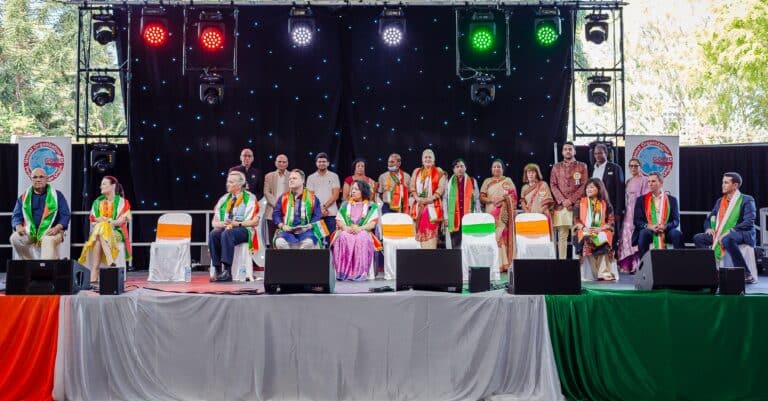
 BRISBANE, GOPIO Queensland hosted their eleventh India Day Fair on 23rd October at Southbank Piazza. The iconic event celebrates India’s Independence Day and is normally held at the amphitheatre of Roma Street Parkland. Since last year there have been uncertainties about the restrictions. The restrictions imposed at Roma street was unmanageable in 2020 so the committee decided to hold a virtual event which went very well but it is never the same as the real event.


 Being a new venue, there were new challenges such as the VIP reception area, and the traditional India Day Parade. The programming as usual began with devotional songs, lifetime achievement award, VIP reception, India Day Parade, Official ceremony, sponsors presentation, afternoon acts and performances. The stalls were on the outer ring of the Piazza, the good part was that it caused little disruption; downside was that it was a bit disengaged from the program itself.



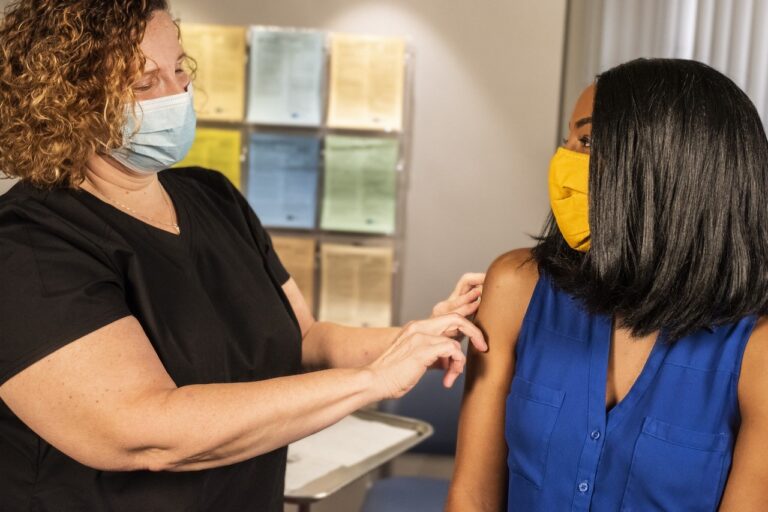
 The Australian Government has started rolling out booster doses to people who completed their two-dose primary vaccination course at least six months ago.