Mums United Sewa Project Inc: Changing Lives Through Kindness and Compassion
What began as a simple act of kindness during the COVID-19 pandemic has grown into one of Brisbane’s quietly impactful community initiatives. Founded during the pandemic, Mums United Sewa Project Inc (MUSP Inc) was established to support international students who suddenly found themselves without work, income or access to government assistance. During this challenging period, the organisation distributed more than $5,000 worth of groceries, ensuring hundreds of students had food on their tables when they needed it most.
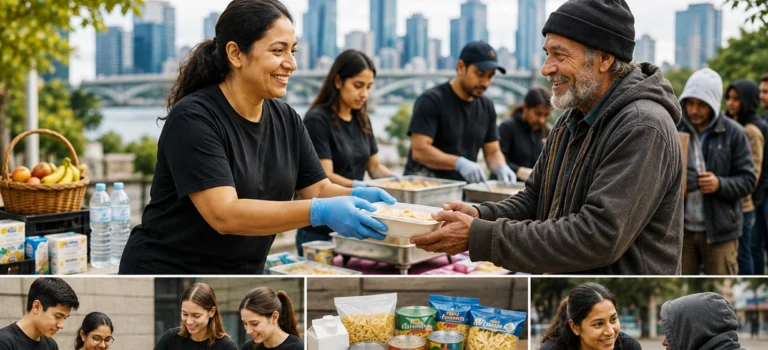
As the pandemic eased, MUSP Inc recognised another growing need within our community—the increasing number of people experiencing homelessness and financial hardship. Today, the organisation is a fully self-funded charity dedicated to serving Brisbane’s most vulnerable residents through monthly outreach programs in the CBD.
To date, MUSP Inc has distributed more than 5,000 grocery bags and 5,000 hot meals, providing practical support and hope to people doing it tough. Each grocery bag is thoughtfully packed with nutritious, ready-to-eat essentials including long-life milk, tuna, baked beans, spaghetti, noodles, fruit cups and other pantry staples, offering meals on the go for people without access to cooking facilities.
Beyond food relief, MUSP Inc also provides dental hygiene packs, winter blankets, toiletries and emergency hot meals during natural disasters, ensuring those most in need receive comfort, dignity and care.
The organisation’s commitment to the community extends beyond homelessness. MUSP Inc has supported individuals and families experiencing domestic and family violence by connecting them with legal assistance, emergency accommodation, financial support, family services and mental health resources. Every person is treated with compassion, respect and confidentiality, reflecting the organisation’s belief that everyone deserves hope and the opportunity to rebuild their lives.
One of MUSP Inc’s proudest achievements is its growing Youth Group. Young volunteers collect donations, pack grocery bags and participate in outreach, learning the importance of kindness, empathy and service. More than simply volunteering, these young people are developing into compassionate leaders who understand the value of giving back and strengthening their communities.
At the heart of MUSP Inc is the principle of “Sewa”—selfless service to others. Every grocery bag packed, every hot meal shared and every conversation held is an opportunity to restore dignity, create connection and remind someone they are not alone.
As Queensland continues to face a growing homelessness and cost-of-living crisis, the need for community support has never been greater. MUSP Inc believes that lasting change begins with ordinary people coming together to show extraordinary kindness.
As a fully self-funded organisation, MUSP Inc relies on the generosity of individuals, businesses and community partners. Financial sponsorships, food donations, essential supplies and volunteers all help ensure the organisation can continue its vital work.
Together, we can build stronger communities where compassion replaces judgement, hope overcomes hardship, and no one is left behind.
Brisbane’s Olympic Transformation: A Rare Investor Window Opens
As Brisbane gears up for the global spotlight of the 2032 Olympic Games, the city’s property market is undergoing a seismic shift. With infrastructure projects accelerating and demand for premium residential spaces skyrocketing, savvy investors are looking toward high-growth corridors like Woolloongabba and Mount Gravatt.Zeon Developments, a key player in the city’s urban evolution, has officially opened a limited window for private investors to participate in their latest portfolio of luxury residential projects. With four major developments currently underway, each valued at $100 million, the firm is positioning itself at the forefront of Brisbane’s pre-Olympic boom.
Strategic Locations, Proven Returns
The current portfolio includes three flagship developments: Carlonthepark and the dual-tower Lifehub in the high-demand suburb of Woolloongabba—the epicenter of the future Olympic precinct—and The View in Mount Gravatt East.
Each project has been subjected to a rigorous feasibility study, ensuring that the developments not only meet the immediate housing needs of a growing population but also offer long-term capital appreciation. Under the leadership of Development Director Adwin Awadh, a seasoned entrepreneur, Zeon Developments has structured these opportunities to provide an excellent rate of return for early-stage partners.
Investment Structure and Security
Zeon Developments offers a highly secure investment model designed for transparency and growth. Investors buy directly into the land title, ensuring the land itself serves as their security.
Key Investment Highlights:
Key Investment Highlights:
• Direct Security: Investor name is placed on the land title.
• Entry Point: $660,000 buy-in. Contact Sandy Deo on 0400 920 238 for exclusive offer for Australian Indian Times readers.
• Guaranteed Exit: Developer buyback at $1,000,000.
• Profit Potential: Minimum projected profit of $400,000 to $600,000.
• Asset: 2-Bedroom, 2-Bathroom, 1-CarPark unit.
• Market Value: Current sales are trending at $1.2 million.
• Timeline: 24-month project horizon.
• Woolloongabba project is (supported) by the Queensland Governments Fund.
Who Can Invest
This opportunity is open to:
* Equity Investors
* Cash Investors
* Self-Managed Super Funds (SMSF)
A Limited Opportunity
The exclusivity of this investment is underscored by its scarcity. Zeon Developments has confirmed that there are currently only 4 of the 10 exclusive investor spots remaining.
For those looking to secure a foothold in Brisbane’s most anticipated growth cycle, this represents a unique chance to align with established, high-value projects. To facilitate a seamless entry, a $1,000 deposit for an Expression of Interest (EOI) is required, and dedicated brokers are available to assist with finance approval within 24–48 hours.
For more information, contact Adwin Awadh at Zeon Developments 0415 557 430
visit zeonliving.com.au.
Meditation Across Every Stage of Life: A Raja yoga Perspective
Meditation is often regarded as a practice for adults seeking peace from the pressures of modern life. Others believe it is more suitable for older people who have completed their worldly responsibilities. However, an important question remains: Is there really a “right age” to begin meditation?
From the perspective of Raja yoga Meditation, meditation is not limited by age. Rather, it is a timeless spiritual practice that benefits every individual according to their stage of life. Whether one is a child, a teenager, an adult, or an elder, meditation nurtures inner peace, strengthens emotional resilience, and awakens spiritual awareness.
The true question is not “How old should I be?” but “Am I ready to discover my true self?”
Meditation Begins with Understanding the Self
Raja yoga meditation starts with a simple yet profound realisation: I am a soul, not merely a physical body. The soul is an eternal point of light, naturally filled with peace, love, purity, wisdom, and happiness. These qualities are not acquired from the outside; they are the soul’s original nature. Over time, however, life’s experiences, challenges, and accumulated impressions – known as sanskaras – can cover these original qualities.
Meditation helps remove this inner burden by reconnecting us with our original spiritual identity. It also enables the soul to establish a loving relationship with the Supreme Soul (God), the eternal source of peace, wisdom, and spiritual power. Through regular meditation, individuals begin to experience greater clarity of thought, emotional balance, and a deeper sense of purpose.
Childhood: Building Strong Spiritual Foundations
Childhood is perhaps one of the most suitable times to introduce meditation. Children naturally possess qualities such as innocence, simplicity, honesty, and openness. Their minds are less burdened by stress, prejudice, or deeply rooted habits. Because of this natural purity, they often respond positively to simple meditation practices.
Teaching children to spend a few minutes each day in silence helps them: Develop concentration and attention, improve emotional stability, build self-confidence, learn kindness and compassion, manage anxiety and fear and sleep more peacefully. Rather than teaching complicated philosophies, Raja yoga introduces children to the simple understanding that they are peaceful souls with beautiful inner qualities. These early experiences often become lifelong spiritual assets.
Teenage Years: Finding Stability During Change
Adolescence is one of life’s most transformative periods. Young people experience rapid physical growth, emotional changes, academic pressure, peer influence, and questions about identity and purpose. This stage can often become stressful and confusing. Meditation provides teenagers with an inner anchor. Regular practice helps them:
Handle examination stress, develop emotional intelligence, improve decision-making, build positive self-esteem, reduce anger and anxiety, resist negative influences and strengthen relationships with family and friends.
Raja yoga teaches teenagers that their value does not depend on external achievements alone. Instead, true confidence comes from recognizing one’s spiritual identity. This awareness allows young people to face life’s challenges with maturity and balance.
Adulthood: Creating Balance in a Busy Life
Adult life often brings numerous responsibilities. Career demands, financial commitments, raising children, caring for parents, maintaining relationships, and achieving personal goals can leave little time for inner reflection. As responsibilities increase, mental clutter also grows. Many adults experience: Stress, Anxiety, burnout, emotional exhaustion, relationship conflicts and lack of life balance.
Meditation acts as a daily “mental reset.” Instead of escaping life’s responsibilities, meditation strengthens our ability to manage them wisely. Raja yoga helps adults: Reduce mental stress, improve concentration, make clearer decisions, increase patience, strengthen family relationships, heal emotional wounds, develop positive thinking and maintain inner stability during difficult situations.
Scientific research increasingly supports these benefits, showing that regular meditation contributes to improved mental well-being, lower stress levels, and better emotional regulation. From a spiritual perspective, meditation also transforms old sanskaras – deeply ingrained patterns of thinking and behavior – into more elevated qualities such as forgiveness, compassion, and contentment.
Later Life: A Journey of Reflection and Inner Fulfilment
As people enter later adulthood, priorities often begin to change. Professional responsibilities reduce, children become independent, and individuals naturally spend more time reflecting upon their life’s journey. For many, this stage raises important spiritual questions: What is the purpose of my life? Have I lived meaningfully? What happens after death? How can I experience lasting peace?
Meditation provides comforting answers- not through belief alone, but through personal spiritual experience. Raja yoga teaches that the soul is eternal. The physical body changes, but the soul continues its journey carrying its accumulated impressions. This understanding helps reduce the fear of ageing and death while creating acceptance, gratitude, and inner peace. Many elderly practitioners describe meditation as their greatest companion during this stage of life because it nurtures hope, dignity, and spiritual fulfilment.
Is It Ever Too Late to Start?
One of the most encouraging aspects of meditation is that it is never too early and never too late to begin. Some people begin as children. Others discover meditation during university. Many begin in middle age after facing life’s challenges. Others start after retirement. Every beginning is valuable. Every moment spent reconnecting with the self contributes to greater peace and spiritual growth. Meditation welcomes everyone.
The Timeless Nature of Raja yoga Meditation
Unlike many activities that depend upon physical strength or age, meditation is a practice of consciousness. Its benefits evolve throughout life. Children learn values, teenagers gain emotional strength, adults discover balance, older people experience wisdom and contentment. At every stage, meditation strengthens the soul by reconnecting it with its original qualities and with the Supreme Soul. This makes meditation not simply a relaxation technique but a lifelong journey of self-transformation.
Beginning the Raja yoga Journey
Learning Raja yoga meditation is simple and accessible. The Brahma Kumaris offer free introductory Rajyoga Meditation courses through their centres worldwide, including Australia, India, the United Kingdom, and many other countries.
The introductory course generally covers: Understanding the soul, Understanding the Supreme Soul, The relationship between God and the soul, The cycle of time and the world drama, Spiritual laws governing life, The Human World Tree, Practical Raja yoga meditation techniques. The course is usually conducted over seven sessions, either individually or in small groups, allowing participants to ask questions and learn at their own pace. For those unable to attend in person, many centres also offer online learning opportunities.
Developing a Daily Practice
Meditation becomes most beneficial when practised consistently. A simple daily routine may include Morning Meditation – Begin the day by connecting with the Supreme Soul and creating peaceful, positive thoughts. Spiritual Study – Spend a few minutes reading spiritual wisdom that uplifts the mind and strengthens positive thinking. Mindful Living – Throughout the day, pause occasionally to remember your true identity as a peaceful soul while performing daily activities. Evening Reflection – Before sleeping, review the day’s experiences with gratitude, learn from mistakes without guilt, and mentally offer all concerns to God before resting peacefully. Even 10 to 20 minutes of sincere meditation each day can gradually transform one’s outlook on life.
Conclusion: Meditation Is for Every Age
The right age to begin meditation is today. Whether you are introducing meditation to a young child, encouraging a teenager, managing the responsibilities of adulthood, or seeking deeper meaning in later life, meditation offers lifelong benefits.
Raja yoga reminds us that while the body passes through different ages, the soul remains eternal. By reconnecting with our original qualities of peace, love, purity, and happiness, we learn to live with greater purpose, resilience, and joy. Meditation is not reserved for a particular age group – it is a universal practice that accompanies the soul throughout its eternal journey.
As we nurture the soul through regular meditation, we not only transform ourselves but also contribute to creating a more peaceful family, community, and world.
The best age to begin meditation is the moment we awaken to our true spiritual identity.
Brahma Kumaris Shailer Park provide free Raja Yoga Meditation, Positive Thinking and Anger Management Courses. Please contact us on 0414685144 or [email protected] for further information. https://brahmakumaris.org.au and find out the events happening close to your location.
OM Shanthi
The Future is Expensive—Our Youth Deserve to Be Ready
What if young people learned to budget before algebra? To read a payslip before signing their first contract? To save, invest and make informed decisions before facing rising living costs on their own?
These questions inspired Project Piggybank—a global, youth-led initiative showing that money conversations shouldn’t wait until adulthood.
Founded by Brisbane high school student Gauri Varma, the project has a clear mission: make financial education accessible, engaging and understandable for every young person, regardless of background.
As inflation rises, housing becomes less affordable and financial stress grows, understanding money is no longer optional—it’s essential. Yet many students leave school able to solve equations but unable to budget, understand taxes or build savings habits. Project Piggybank aims to change that.
Unlike traditional programs, it is run by young people, for young people. Its workshops, resources and social media content break down complex ideas into practical, relatable conversations.
Run by youth, for youth, Project Piggybank believes “We don’t just want young people to understand money—we want them to feel confident talking about it,” says Gauri. “It shouldn’t depend on your postcode, your parents’ income or whether your school teaches it.”
What makes Project Piggybank different is its approach. Rather than speaking at young people, it speaks with them. Its workshops and resources are designed in a language today’s generation understands—making conversations around money less intimidating and more empowering. Whether it is understanding the difference between needs and wants, building healthy financial habits or learning the fundamentals of saving and investing, the initiative meets young people where they are.
Project Piggybank’s impact is already measurable. The initiative has built a community of more than 1,000 young people online and has delivered workshops reaching students across Australia, India, the United States, the United Arab Emirates and Indonesia.
Its sessions have engaged about 100 participants in a single international workshop and have provided financial literacy education to underprivileged and disengaged youth through community organisations like Wesley Mission and Career employment Australia. Beyond attendance numbers, its impact can be seen in the conversations it creates—young people asking questions about budgeting, savings, careers and financial wellbeing that they may never have felt confident enough to ask before.
Today’s generation is growing up in an economic landscape unlike any before. Inflation continues to increase the cost of everyday essentials, housing prices are rising, and financial pressures are beginning earlier in life. The young people of today will inherit a future that demands greater financial confidence than ever before.
Financial stress is a leading cause of anxiety among young people. Rising costs, student debt and job uncertainty affect not just finances, but mental wellbeing. Money worries follow students into classrooms, workplaces and homes.
Life is becoming more expensive. Today’s young people face challenges previous generations did not experience at the same scale, from housing affordability to competitive job markets.
While it won’t solve every economic issue, financial education equips young people to navigate them.
What began as a single student’s idea has evolved into a global movement with a powerful message: financial literacy can transform lives.
This is about far more than money—it’s about building confidence, expanding opportunities and equipping young people with the tools they need to shape their own futures. When uncertainty is replaced with knowledge, new possibilities emerge. With initiatives like Project Piggybank leading the way, the next generation won’t just be prepared—they’ll be empowered to move forward with clarity, resilience and hope.
Because this isn’t just about dollars and cents—it’s about opportunity, independence and giving the next generation the tools to thrive.
Check Out Their Instagram
@proj_piggybank
Many think giving money to their children or family are advantages – It’s not. In fact, they are a massive burden that can lead to anger and regret.
This is because over the next 20 years some AU$3.4 trillion will get passed down from one generation to another. The young keep telling me that life is hard and that they have no chance of buying a house.
That, in many cases is crap. But at the same time there may be some truth in it.
To those that tell me they will not buy a home I usually tell them that they won’t have to. Most will be given the family home and yes in many cases the family home will have to be shared with other siblings, but I would give my left and my right arm to be in their position when I was their age. But it is not ideal – our children want to have a home now.
Now that may mean the young have to wait until the reaper has come and taken their parents away but inheriting a debt free home in your 40’s or 50’s is not a bad thing. Most people today aged 40 to 50 would love a debt free home. I was speaking to a doctor aged 71 the other day and he still has a debt on his home of $710K.
But there is no doubt – whatever we do not use (or give away while we are alive) we will leave it behind for others in our family to enjoy. And my experience is that this wonderful, beautiful gesture may become the pathway to hell.
And that is because if it is not done correctly the chances are your hard-earned cash and investments are going to get blown away.
Over the last 18 months or so I have been having a lot of discussions about how money should be passed about. I have been involved in many estate plans, and many do not realise how big their estate will be. Recently I had clients who thought they were worth less than $600,000 and thought an estate plan was not necessary for their ‘meagre’ wealth. By the time I finished with calculations which included life insurance and super we were sitting with an estate value of more than $4m.
Here is what I do know. If you have worked hard for your dough you are going to be pretty pissed off if it is not used wisely. These are hours spent running a business or working overtime to pay your mortgage. You did not buy the Ferrari or do the 30-day cruise, but I can bet your bottom dollar your kids probably will because they can afford it. With your money. And when you find out you are going to be properly cross about that.
Here I what you should do if you want to give your money away.
It’s about you, not them
Parents usually will do anything to help their kids out. Often at the expense of damaging themselves because if you overdo it (give more than you should) and need it back all kinds of excuses come out, and you never get to see your own dough. And I do not care how you try to convince me that your kids are good and decent. When it comes to money there are no guarantees because even if your kids are the best in the world if they divorce, go bankrupt or worse die, it will be almost impossible to get it back. Trust me this is depressing and sad stuff.
And so many of my earlier discussions are about how much you need to keep for yourself if you want to give money during your lifetime.
In other words, worry about yourself not your kids. Kids feel they have an automatic right to your money. They don’t. It’s your money. The only person who has a right to it is you.
Once you make a gift, there is no guarantee of getting it back if you need it. You might trust your children to look after you, but their death, divorce or bankruptcy would take the funds that you gave them out of their hands. All rather gloomy stuff.
Have the Discussion
Whether it’s a discussion about your Estate plan (Wills) of gifts/ loan during your lifetime have the discussion. Talk to your family, especially your kids.
The last thing they need are surprises. If you want to give more or less to one child/ family member, explain to them the reasons. They may not be happy about it but at least they expect it and they can ask questions whilst you are still alive.
My experience is that when they find out they have received less and it is unexpected, they try looking for answers and usually none are available because you are no longer around to explain. This then creates anger and everyone ends up in court hating each other. Which leads me to ……..
…..Try to be Equal
I have found that if you do treat children unequally it causes the largest and most bitter disputes between them.
Many think that means all kids get the same. It does not. What it means is that the distribution is seen as being correct or fair.
I was recently involved in an estate plan when one child living overseas was not to receive a significant cash payment which her 3 other siblings would receive. This was based on advice I had given because the child living overseas had received significant financial help whilst my client was alive whereas the other 3 children had not.
This was clearly put in the will, and the 4 children were all told about it. All 4 agreed that it was fair. In this case the chances of dispute significantly fall but without the explanation or discussion? Who knows where it would have ended up.
Loan or gift?
If you provide funds to your children during your lifetime, is it a loan or a gift? I personally always favour loans because a loan is repayable. A gift never is. But it can cause issues in themselves.
A loan means that in the event of divorce, death and sometimes bankruptcy of your child these funds can be repaid to you should you wish.
The problem? It needs to be documented and for reasons that evade me, parents don’t like getting their children to sign things. Emotion take president over logic.
But if you do go down the emotion route, don’t complain when you lose it.
If you do decide a loan is the way to go it could be interest free and repayable on demand, but I would always include a small repayment – it could be as low as $100 a year and make sure it is received/ paid.
Why? Well because a loan repayable on demand lapses after 6 years if no demand or repayment is made which converts it to …… a gift. And if there is a repayment no-one can argue it was not a loan.
This can be particularly useful if you have a married child and you have provided financial assistance to them to say pay a deposit on a home. If they later divorce and you have no documentation the chances, are you will have give approximately 50% to your child’s ex, and I have never met an ex in law that is happy with that.
Problems? Well banks don’t like parents giving loans for a deposit on a home – they want it as a gift. And if you yourself get into financial difficulty then suddenly creditors could ask for the money back from your child. It’s not ideal.
Never Rush into Giving Gifts/ Loans or an Estate Plan
Why?
Because the biggest screwups I have come across is because there was a rush to do something.
Time allows you to think about what is right. If you have a family discretionary trust or a company this complicates matters. Add in superannuation, life cover etc and suddenly there a lot to think about. And then there are tax bills. Whatever you do the last thing you want is to allow the ATO to get their grubby hands on your money.
Many of my clients have multiple trusts and multiple companies. The more complex your structures and investment vehicles the more time you need to think.
Use Trusts
My preference when undertaking estate plans is to put the estate in trust at death. This can provide protection from divorce, bankruptcy and ensures maximum tax advantages. If drafted properly it can also ensure your bloodline benefits from the capital.
The latest budget has put a spanner in the works (because the Australian Government thinks that if you think about passing your wealth to your kids you are evil) but trusts are still a great way to protect your assets. Your aim is to protect your wealth, not necessarily to save taxes.
It will also stop a 19-year-old kid from buying a Ferrari or the 30-day cruise and ensure the capital is protected and invested for your child’s future. They can buy the Farrari when they are more responsible.
If you want to give a gift during your lifetime with the expectation that they invest it rather than buy a Ferrari, then family trusts are a good way to control funds but new tax rules have put a spanner in the works so take advice.
When it comes to giving your money away remember a few things. Its is your money and only you have the right to it and decide who gets what. And whenever you do give it away make sure it is protected and cannot be abused. But unless you talk about it and plan it that won’t happen.
The Human Thread
with Sabrina Iqbal Khan
Exploring humanity, storytelling, and the social issues impacting our communities.
OUR communities are wonderfully diverse. Within the broader Indian diaspora alone, we find people whose heritage spans India, Fiji, South Africa, Malaysia, Singapore, East Africa, the Caribbean and beyond. We speak different languages, practise different traditions and carry unique family histories. Yet despite these differences, there is far more that unites us than divides us.
Cross-cultural dialogue begins with something remarkably simple: listening. Not listening to respond, persuade or debate, but listening to understand. When we become genuinely curious about another person’s story, we begin to replace assumptions with understanding and stereotypes with respect.
In today’s increasingly connected world, it is easy to live alongside one another without truly knowing one another. Communities can become separated by language, religion, regional identities or generations, even while sharing common values of family, service and resilience. Meaningful dialogue helps bridge those divides by creating opportunities for people to learn from one another rather than about one another.
Throughout my own work in human rights, film-making and dialogue, I have seen the remarkable ability of conversation to transform relationships. Often, the greatest breakthroughs do not come from winning an argument but from creating a space where people feel heard, respected and valued. Genuine dialogue does not require us to agree on everything. It simply asks us to recognise the humanity in one another.
Our younger generations also have an important role to play. Many are growing up with multiple cultural identities, balancing family traditions with contemporary Australian life. They are uniquely positioned to become bridge-builders between generations and across cultures. By encouraging respectful conversations within our homes, schools, workplaces and community organisations, we strengthen not only our relationships but the future of our communities.
Cross-cultural dialogue is not about erasing our differences. Rather, it is about learning to appreciate them while recognising our shared humanity. Every conversation held with respect becomes an investment in stronger communities, greater understanding and lasting social harmony.
The strongest communities are not those without problems, but those willing to face them together.
ABOUT THE WRITER:
Sabrina Iqbal Khan is an international award-winning filmmaker, producer and actress, a barrister to the High Court of Fiji and admitted to the Supreme Court of Victoria, 2007. She is a recipient of a Fijian Medal of Honour for community service, domestic violence awareness and poverty alleviation, and the winner of the 2025 New South Wales Human Rights Medal. Her first film, Seema, received recognition in the United States of America, where a national day was declared in honour of the film.
Sabrina has also published in the field of cross-cultural dialogue, including developing a dialogue theory recognised by the American Center for Dialogue. With heritage connected to North West India, Bengal, Afghanistan and the wider Girmit diaspora experience, she writes on humanity, human rights, storytelling, and the social justice issues impacting our communities.
Federal Budget Reshapes Australia’s Property Market: What It Means for Homebuyers, Renters & Investors
The recent Federal Budget delivered what industry experts are calling the most significant shake-up to property-related tax policy in a generation. Rather than a quick-fix cash splash, the focus is a structural, long-term overhaul aimed at tackling housing affordability and changing where investment money flows.
1. The Big Policy Changes
The government’s package hinges on two major tax reforms set to take effect on 1 July 2027:
• Negative Gearing Restricted: For established residential properties bought after Budget night, investors will no longer be able to offset rental losses directly against their wage income. Instead, those losses will be “quarantined” to be offset only against future rental income or capital gains. Crucially, new builds are exempt—investors can still negatively gear new properties to encourage more construction.
• Capital Gains Tax (CGT) Overhaul: The blanket 50% CGT discount for individuals and trusts is being replaced. Under the new rules, taxable capital gains will adjust for inflation (cost base indexation), but will face a minimum 30% tax rate on the real profit.
• Grandfathering: If you already own an investment property, your current negative gearing and CGT arrangements are locked in, meaning you won’t be hit retrospectively.
2. How This Affects Everyday Australians
The immediate and medium-term impacts vary depending on where you sit in the market:
First-Home Buyers
• The Upside: The ultimate goal of these changes is to level the playing field. By removing tax advantages on existing properties, the government expects to reduce fierce investor competition for established apartments, townhouses, and entry-level homes. Treasury modelling suggests this could help an extra 75,000 Australians buy a home over the next decade.
• The Reality: Don’t expect prices to plummet overnight. Major banks like CBA and Westpac note that the impact will be gradual, forecasting that house price growth will simply moderate stalling relatively flat through 2026 and eventually tracking a few percentage points lower than it otherwise would have.
Renter Households
• Rental Market Pressures: This is the biggest area of concern for everyday renters. Because “mum and dad” investors provide the vast majority of rental housing in Australia, a drop-off in investor confidence could initially tighten rental supply.
• Yields and Cost: Major bank economists predict a gradual firming of average rental yields as the market “equalises” the tax changes, which likely means a combination of lower property prices and slightly firmer rent inflation in the transition period.
“Mum and Dad” Investors
• A Shift in Strategy: Everyday investors looking to build wealth through an established property will face tougher cash-flow dynamics without immediate tax deductions against their salaries.
• The “Lock-In” Effect: Because existing properties are grandfathered, current landlords have a massive incentive to hold onto their portfolios rather than sell. If they sell and try to buy another established property later, they lose their old tax perks.
The Construction & Building Sector
• Infrastructure Boost: To ensure supply keeps up, the Budget included a $2 billion Local Infrastructure Fund to fast-track “last-mile” infrastructure (roads, services, connections) needed to get land ready for building.
• Push to New Builds: With tax incentives specifically preserved for new constructions, investor activity is expected to swing heavily toward buying off-the-plan, new builds, and supporting build-to-rent projects.
Summary Takeaway: The housing market is transitioning from an investor-led boom into a more selective, regulated phase. While first-home buyers may face slightly less competition from investors for existing houses over the next few years, renters will want to keep a close eye on availability and local pricing as the market adjusts to the new tax environment.
Sandy Deo REMAX Landmark 0400920238 07 3189 6355 2/3 Cuban Street Underwood [email protected]
While some locations may experience consistent demand for short-term and holiday accommodation, not all markets maintain year-round demand. As Australians continue to face cost-of-living pressures, holidaying may simply not be as accessible as in previous years. This can pose challenges for property owners including longer vacancy periods than anticipated.
For property owners currently achieving strong returns through short-term accommodation, there may come a time to reassess whether this remains the most effective long-term strategy. Landlords should consider the advantages and disadvantages of both holiday leasing and private rental models.
For those seeking greater consistency in occupancy and income, transitioning to private rental may be an option worth exploring. While short-term and holiday accommodation can generate strong seasonal returns, fluctuations in demand may result in income being less predictable than steady returns associated with long-term rentals.
Long-term tenants are generally more likely to identify and report maintenance issues, helping ensure the property remains in good condition. As such, the property’s condition and ongoing upkeep are especially important. Before transitioning away from holiday accommodation to a long-term rental, landlords should ensure any repairs or maintenance issues are addressed.
If changing the property’s primary use, it is essential to review insurance coverage to ensure it remains appropriate. Landlords should also seek advice from their accountant or financial adviser to understand any tax implications and how the change may affect their personal circumstances.
With vacancy rates remaining low across many markets, demand for long-term rentals continues to be strong and may provide greater year-round stability. Transitioning from self-management or short-term accommodation management to a specialised property management team can help ensure a smooth changeover and support the property’s long-term success.
Beyond the Numbers: From Demographic Scale to Civic Courage in Multicultural Australia
Before we began the interview, Dionne and I spent time simply talking. As with every conversation we’ve shared, there was an undeniable sense of substance, purpose and synergy. We spoke about business, faith, slowing down, family, and the desire to create something that genuinely leaves the world better than we found it.
Dionne Payn is the Founder of Women 4 Homes, host of the Financially Empowered Women podcast and CEO of High Impact Property Investments. Yet beyond the titles is a woman driven by a deep belief that financial empowerment can change lives.
What struck me most wasn’t simply her passion for property. It was her heart for people. Her mission extends far beyond bricks and mortar. It’s about restoring dignity, creating opportunity and ensuring more women have the knowledge, confidence and community to build a secure future.
As our conversation unfolded, it became clear that Women 4 Homes isn’t simply about investing in affordable housing. It’s about creating a community where women realise they don’t have to do life alone.
It’s about hope.
Here’s what Dionne shared.
Every movement begins with a story. Can you take us back to the moment you realised Women 4 Homes needed to exist? What did you witness that made this mission impossible to ignore, and why has it become so deeply personal to you?
It all began at a marketing and branding retreat. Throughout the weekend I kept pulling cards that said things like, “What you resist, persists.” At the same time, women were approaching me saying, “We love what you’re doing. How can we get involved?”
At the time, I was raising capital for property developers with minimum investments of $50,000. I knew many of these women simply didn’t have that kind of money, so I found myself thinking, “Wouldn’t it be wonderful if everyday women could invest in affordable housing too?”
On the final day, during a tea ceremony, everything became clear. I looked up and saw the clouds parting to reveal a beautiful blue sky. In that moment, I realised the blue sky represented my mind, while the clouds were my doubts drifting away. That’s when Women 4 Homes dropped into my heart.
Around the same time, I couldn’t ignore another reality. I knew women sleeping in cars. I’d worked alongside charities supporting women experiencing housing insecurity, and after the Northern Rivers foods I saw thousands of women searching for safe housing.
The more I understood the impact of the gender pay gap, caring responsibilities, divorce and lower superannuation balances, the more I realised this wasn’t about poor decisions. Many women simply hadn’t been shown how the system worked.
That’s when I knew education had to become just as important as investment.
You’ve met and supported many women through this journey. Is there one story that has stayed with you, where you witnessed someone’s life change and thought, “This is exactly why we have to keep going”?
There are so many, but one woman immediately comes to mind.
She was in her 50s and had rented her entire life. She told me, “I never thought I’d buy anything. I just want to be part of this. I want to be on the property ladder.”
When I explained how we could make that possible, she became emotional. For the first time she realised she could have her name on the title of a home. She’d never believed that would be possible.
Another moment that stays with me happened at one of our retreats. A woman arrived feeling guarded and uncertain. Over the course of the weekend, it was like watching a flower slowly unfold. She left with confidence, connection and a community around her.
That’s what reminds me this movement has never just been about property.
Women 4 Homes feels like more than a housing initiative. It feels like a movement where women are investing in women. How intentional are you about creating not just homes, but a community built on dignity, connection and belonging?
It has always been intentional.
Women 4 Homes isn’t simply about investing in affordable housing. It’s about creating a community where women realise they don’t have to do life alone.
When we’re isolated, it’s easy to believe we’re powerless. But when women come together with a shared purpose, something extraordinary happens. We share ideas, ask questions others hadn’t considered and build confidence together.
At the same time, I launched the Financially Empowered Women podcast because I realised I couldn’t be the expert in everything. I wanted to bring together some of Australia’s leading voices so women could hear from people who genuinely understood finance, investing and wealth creation.
Today, the podcast sits alongside Women 4 Homes as a resource to educate, inspire and empower.
Our vision is simple but ambitious: to inspire one million women to invest $5,000 into affordable housing by 2030 while becoming financially empowered along the way.
That sense of belonging is just as important as the homes themselves.
Older women are one of the fastest-growing groups at risk of homelessness in Australia. Why do you believe this issue hasn’t received the attention it deserves, and what conversation do you hope Women 4 Homes will start across the country?
When people think of homelessness, they often picture someone sleeping on the street.
What they don’t see are professional women sleeping in cars, living in tents or couch surfing while still going to work every day. They’re doing everything they can to hold their lives together, which makes their homelessness almost invisible.
I also think we’ve forgotten how much wisdom older women carry. In many cultures, older women were honoured as the elders of the community. Today, too many are simply trying to survive.
If we can provide safety, security and dignity, they can once again share their wisdom and contribute to society. That’s the conversation I’d love Australia to start having.
Imagine it’s the day the first six women walk through the front door of their new home. What do you think that moment will feel like, not only for them, but for you?
I hope they walk into something beautiful, affordable and dignified.
Too often affordable housing is functional, but it doesn’t feel like home. I want these women to walk through the front door knowing they are worthy of beauty, comfort and security.
For me, it will simply be a reminder that this movement was always built from love.
Finally, is there a quote, philosophy or piece of advice that you live by, and how has it shaped both your life and your mission with Women 4 Homes?
One quote has stayed with me for years:
“Don’t fight the existing system. Build a new one that makes the old one obsolete.” — Buckminster Fuller
That’s exactly what Women 4 Homes is about.
We’re not spending our energy fighting what’s broken. We’re building something better, where women can become financially empowered, invest with purpose and create lasting change together.
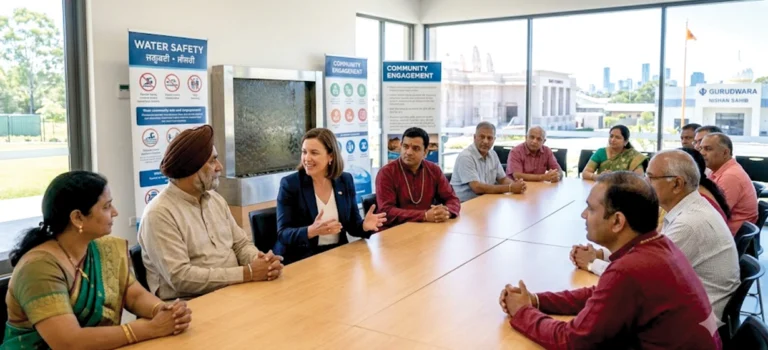
Faith in Action: Cultural Precincts and Parliamentarians Partner on Community Safety and Civic Engagement
In a powerful demonstration of grassroots civic participation, major spiritual and cultural centres across Victoria and Queensland are stepping forward as vital hubs for policy dialogue and community wellbeing. Organizations such as BAPS Swaminarayan Sanstha and prominent local Gurudwaras have recently hosted state parliamentary representatives to address pressing social challenges, including regional community safety, targeted water safety initiatives, and active multicultural engagement.
These collaborative engagements mark a deliberate shift in how multicultural organizations interact with state governance and moving beyond ceremonial gatherings to foster actionable policy partnerships.
Targeted Initiatives: Water Safety and Public Education
A central focus of these consultations has been water safety where a critical issue as demographic data reveals that newly arrived migrants and international students face disproportionately higher risks of accidental drowning in Australian waterways and coastal regions.
During roundtable discussions at major temples and gurdwaras, state MPs alongside representatives from peak bodies like Royal Life Saving Australia met with community elders and youth advocates to address the gap.
Key outcomes from these discussions include:
• Multilingual Safety Campaigns: Development of culturally tailored water safety literature and digital campaigns in Hindi, Punjabi, and Gujarati for distribution at temple festivals and community sports days.
• Community-Led Swimming Pathways: Partnerships between local aquatic centres and cultural trusts to provide subsidized learn-to-swim and beach safety awareness programs specifically designed for migrant families.
• Inland Waterway Awareness: Dedicated outreach educating families on the unseen hazards of inland rivers and unpatrolled regional swimming spots ahead of peak holiday seasons.
Strengthening Civic Links and Precinct Safety
Beyond water safety, meetings between faith leaders and lawmakers focused on broader community safety and youth mentorship programs. Parliamentarians acknowledged the role played by spiritual centres as frontline support networks providing food relief, counselling, and social connection.
Representatives commended the Indian diaspora’s proactive approach to community policing dialogues, youth leadership forums, and anti-discrimination advocacy. In turn, temple and gurudwara leaders emphasized the need for continued state investment in precinct security infrastructure, emergency management integration, and mental health support services tailored to culturally diverse populations.
A Model for Shared Governance
Speaking on the significance of these visits, visiting state members highlighted that engaging directly within faith precincts allows government policy to reflect real, on-the-ground needs.
“Our places of worship are far more than spiritual centres—they are the heartbeats of our neighbourhoods,” shared one attending representative. “When we partner directly with community trusts and volunteer networks, we build safer, more resilient, and deeply connected communities.”
As Victoria and Queensland continue to grow in cultural diversity, these ongoing engagements demonstrate the tangible impact of faith-based institutions stepping up into civic leadership roles. By turning sacred spaces into places of practical action, the diaspora continues to strengthen the broader social fabric of Australia.




 As Brisbane gears up for the global spotlight of the 2032 Olympic Games, the city’s property market is undergoing a seismic shift. With infrastructure projects accelerating and demand for premium residential spaces skyrocketing, savvy investors are looking toward high-growth corridors like Woolloongabba and Mount Gravatt.Zeon Developments, a key player in the city’s urban evolution, has officially opened a limited window for private investors to participate in their latest portfolio of luxury residential projects. With four major developments currently underway, each valued at $100 million, the firm is positioning itself at the forefront of Brisbane’s pre-Olympic boom.
 Meditation Across Every Stage of Life: A Raja yoga Perspective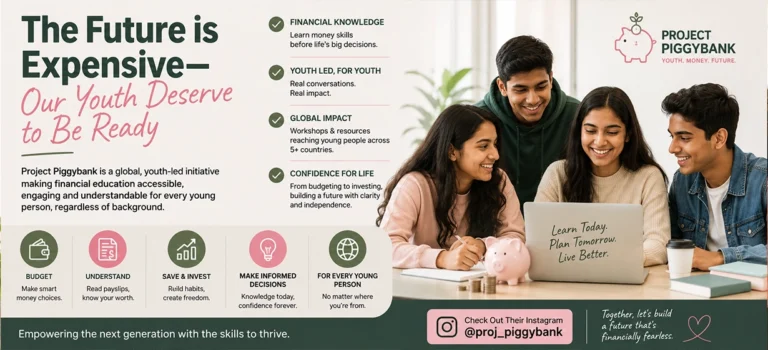


 Over the last 18 months or so I have been having a lot of discussions about how money should be passed about. I have been involved in many estate plans, and many do not realise how big their estate will be. Recently I had clients who thought they were worth less than $600,000 and thought an estate plan was not necessary for their ‘meagre’ wealth. By the time I finished with calculations which included life insurance and super we were sitting with an estate value of more than $4m.