

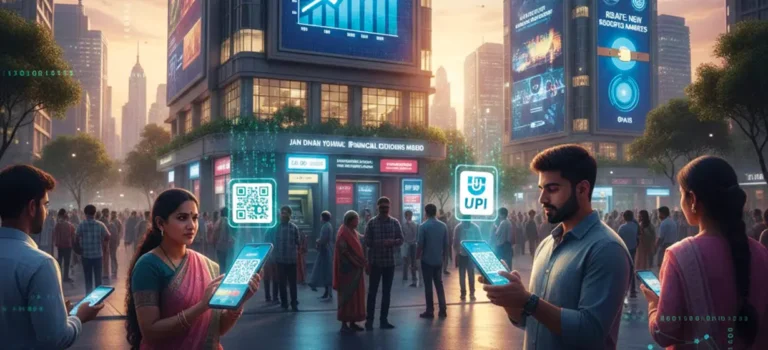
India’s Financial Sector: Navigating Digital Headwinds and Regulatory Shifts
The Indian financial sector is currently at an inflection point, driven by a powerful confluence of technological disruption, proactive regulatory intervention, and a shifting macroeconomic landscape. Far from being a quiet corner of the economy, finance in India today is a dynamic arena where traditional banks, agile FinTechs, and massive government schemes are all vying for space. Understanding the current trends—from the RBI’s surgical approach to Non-Banking Financial Companies (NBFCs) to the unstoppable force of digital payments—is key to grasping the trajectory of the world’s fifth-largest economy.
At the heart of the Indian financial system is the Reserve Bank of India (RBI), which is skilfully balancing the need to spur economic growth with the necessity of maintaining financial stability.
On the growth front, the recent decision to cut the repo rate—the rate at which commercial banks borrow from the central bank—by 25 basis points has injected a renewed sense of optimism. This move is a growth-supportive signal, aimed at lowering the cost of capital in the long term. If fully transmitted by banks, this easing is expected to provide a crucial stimulus to housing, vehicle, and corporate lending, boosting aggregate demand.
However, this supportive monetary policy is juxtaposed against a significant tightening of regulatory screws, particularly for NBFCs. The RBI has expressed concern over the rapid, and sometimes reckless, growth of unsecured lending, prompting an increase in risk weights and capital provisioning requirements for certain loan categories.
This move is not punitive but rather preemptive. It differentiates between prudently managed, secured lenders and those who have chased high growth at the expense of sound risk management. The resulting pressure on capitalization has forced several smaller NBFCs to consolidate or pivot their strategy, steering the sector towards a more stable, secured-lending model and ultimately reducing systemic risk. It is a necessary friction that prioritizes long-term financial health over short-term exuberance.
If the RBI is the central stabilizing force, the Unified Payments Interface (UPI) is the central revolutionary force. India’s digital payment ecosystem continues to break global records, fundamentally altering how commerce is conducted. UPI transactions have maintained exponential growth, penetrating deeper into rural and semi-urban markets and acting as a primary vehicle for financial inclusion.
The current trend is the deepening of this technology. Banks and FinTech companies are now leveraging UPI’s success by integrating Artificial Intelligence (AI) and Machine Learning (ML) tools to enhance the user experience. These technologies are not just about chatbots; they are powering sophisticated fraud detection systems, optimizing credit scoring for thin-file customers, and enabling hyper-personalized financial products, moving India towards a truly intelligent and inclusive financial system.
Furthermore, the government’s commitment to expanding access is evident in the rise of the Financial Inclusion Index (FI-Index), which measures access, usage, and quality of financial services. Driven by initiatives like the Pradhan Mantri Jan Dhan Yojana (PMJDY), which has brought hundreds of millions into the formal banking system, the financial sector is witnessing a structural shift where credit and banking services are no longer the exclusive domain of major metropolitan areas.
On the macroeconomic front, the financial sector is grappling with the pressures of global instability. The Indian Rupee (INR) has faced persistent weakness against the US Dollar, a challenge driven by factors including sustained capital outflows by Foreign Portfolio Investors (FPIs) in response to higher US interest rates and persistent demand for the dollar to service import bills. While the RBI has intervened strategically to manage volatility, the INR’s depreciation remains a key variable influencing corporate balance sheets and the cost of foreign debt.
Despite these external headwinds, the fundamental health of the domestic banking sector remains robust. Decisive action taken years ago to tackle the mountain of bad loans has paid off. The Non-Performing Asset (NPA) ratio continues its downward trajectory, while the Capital Adequacy Ratio (CAR) remains well above international minimums. This improved resilience means Indian banks are better positioned today to manage economic shocks and sustain credit growth.
Finally, the Indian finance sector is exhibiting both maturity and momentum. The digital revolution is democratizing access, while the central bank is ensuring the structural integrity of the players. The immediate future will be defined by the careful execution of new technologies within the framework of tightened regulation, promising a financial system that is not only vast but also fundamentally sound and ready to support India’s ambition of becoming a major global economic power.

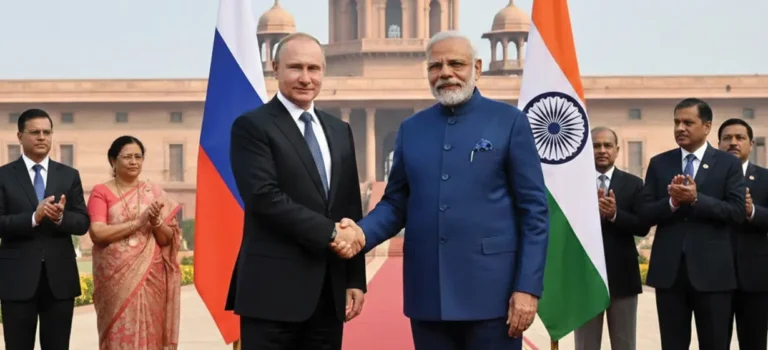


 Music has always held a special place in human life. It transcends language, culture, and geography, touching the deepest emotions and uplifting the soul. Among the various musical traditions of the world, Hindi classical music—more broadly known as Indian classical music—occupies a unique and revered position. Rooted in ancient philosophy and spirituality, it is not merely an art form but a profound system of healing, meditation, and expression. Its intricate rhythms, ragas (melodic frameworks), and talas (rhythmic cycles) have the power to harmonize the body, mind, and spirit.


 Light shapes life and spirit, guiding our biology and illuminating our souls. From regulating sleep, mood, and vitamin D production to symbolizing wisdom, truth, and hope across cultures, light is both a physical necessity and a universal metaphor. Embracing it nurtures health, clarity, and the inner spark that drives human resilience.
 The Springwood Community Centre glowed with warmth and fellowship on October 25 as Brahma Kumaris Shailer Park hosted a community Diwali celebration that drew around 150 attendees, including dignitaries, families and friends from across the local area.
 Guests of honour included Mick de Brenni MP, State Member for Springwood, and Cr. Paul Jackson, who both addressed the gathering. Their remarks touched on the spirit of Diwali, the benefits of meditation for personal and community wellbeing, and the value of multicultural harmony in shaping a resilient, welcoming community. They were joined by ten other local VIPs who lent their support to the celebration.
 Cultural performances—music, dance and singing by both children and adults—brought the hall to life and showcased the intergenerational enthusiasm that Diwali inspires. Laughter, applause and the soft glow of lamps created a festive atmosphere as participants shared stories, rhythms and traditions.
 True to Brahma Kumaris custom, the evening concluded with toil (blessed sweets) and blessing, along with light snacks that encouraged conversation and connection. Attendees left carrying the festival’s message of inner light—renewed in spirit and strengthened in community.

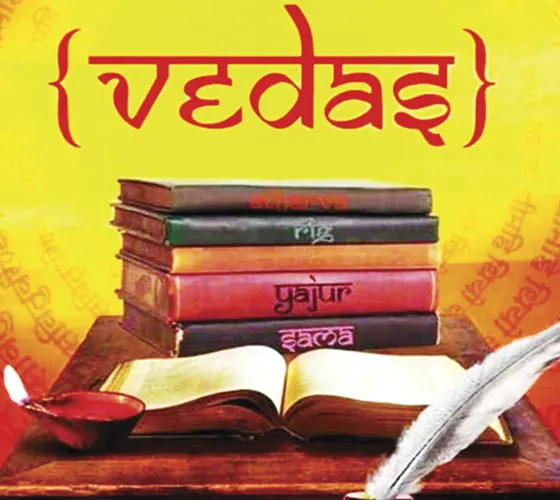

 Being beyond these two things essentially means being beyond memory, because memory means past. You can dabble with the past as much as you want, but nothing new will happen. You can produce permutations and combinations from what you have – the old may get painted – but nothing new will happen.