

Illuminating Australia: The Nation-Wide Countdown to Diwali
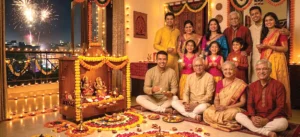
As spring reaches its peak across Australia, an undeniable, vibrant warmth spreads through our cities and regional towns. From the harborside promenades of Sydney and the cultural laneways of Melbourne to the sun-drenched parks of Brisbane, Perth’s foreshore, Adelaide’s squares, and the tranquil settings of Canberra, Hobart, and Darwin, Indian Australians are preparing to welcome Diwali.
More than a key marker on our spiritual calendar, Diwali in Australia has transformed into a national tapestry of light, unity, and shared human values. It stands as a powerful testament to how a thriving diaspora preserves its deep heritage while weaving itself into the modern identity of contemporary Australia.
A Coast-to-Coast Canvas of Celebration
Throughout October and leading into the auspicious days of early November, Australia transforms under the glow of thousands of diyas, architectural projections, and fireworks displays. The 2026 festival calendar reflects a community that is geographically expansive, culturally rich, and deeply connected to civic life across every state and territory.
OCTOBER–NOVEMBER 2026: NATIONWIDE DIWALI HIGHLIGHTS
5 October The Grand Diwali at Eat Street Northshore (Brisbane, QLD) Riverfront lights, live performances, and multicultural food markets
24 October Diwali & Moon Festival in the West (Melbourne, VIC) Cross-cultural lantern celebrations in Williams Landing
25 October NSW Parliament & Harbour Illumination (Sydney, NSW) Civic light installations and state Diwali reception
31 October Deepavali at Sandown Racecourse & Mt Gravatt (VIC / QLD) Major interstate mega-melas featuring artisan stalls and fireworks
1 November Regional Sparkle: Burnie & Goldfields (TAS / WA) Community light showcases uniting regional multicultural networks
8 November Main Diwali / Lakshmi Puja (Nationwide) Traditional home lamp-lightings, temple pujas, and family gatherings
From landmark civic events at Fed Square in Melbourne and Parramatta Park in Sydney to major gatherings in Perth and Brisbane, public spaces across Australia host thousands of multicultural visitors. State parliament houses light up in gold and saffron, symbolising the high level of civic recognition given to the contributions of Indian Australians.
The Art of Assimilation: Two Cultures, One Shared Light
To appreciate Diwali in Australia is to look beyond public spectacles and observe how the holiday unfolds in suburban neighbourhoods nationwide. Assimilation does not require giving up one’s heritage; rather, it is the thoughtful blending of cultural traditions into the everyday Australian story.
Across the country, the Indian Australian community demonstrates this seamless connection:
• Suburban Neighbourhood Spirit: In suburban streets from Blacktown in Sydney and Tarneit in Melbourne to Point Cook, Chermside in Brisbane, and Harrisdale in Perth, strings of warm fairy lights adorn classic brick homes alongside native flora. Families open their doors to neighbours of Anglo, East Asian, European, and Pasifika backgrounds, sharing boxes of fresh mithai and explaining the meaning behind colourful rangoli designs drawn on front porches.
• Corporate and Institutional Embracement: Major Australian employers, hospitals, universities, and federal government departments now host annual Diwali celebrations. These events go beyond simple morning teas—they foster genuine cross-cultural understanding, where non-Indian colleagues learn about the stories of the Ramayana, join in traditional attire, and celebrate shared values of light over darkness.
• Youth as Cultural Bridges: Second- and third-generation Indian Australians are expanding what it means to be multicultural. Through university associations, youth forums, and dance companies, young people act as active ambassadors. They fuse classical arts with contemporary Australian street dance, organize charity food drives for local shelter organizations, and ensure the spiritual meaning of Diwali translates meaningfully to the broader public.
Economic Dynamism and Local Commerce
The national buildup to Diwali brings a substantial economic boost to small businesses across the country. Local Indian entrepreneurs—from fashion designers in Sydney’s Little India precincts to sweet manufacturers in Melbourne, event planners in Perth, and regional artisans—experience their busiest season of the year.
Multicultural grocery outlets become bustling hives of activity as families purchase brass diyas, incense, decorative hangings, and fresh flowers. Meanwhile, local caterers and food vendors introduce diverse regional subcontinental cuisines to wider Australian audiences at weekend night markets. This vibrant commercial exchange demonstrates how cultural heritage actively supports local economic vitality.
Reflections on Unity, Hope, and Belonging
At its core, Diwali delivers a timeless message: Tamaso ma jyotir gamaya—“Lead me from darkness to light.” In a world navigating complex societal challenges, the festival’s universal themes of renewal, integrity, and optimism offer inspiration to all Australians, regardless of cultural background.
The success of the Indian diaspora across Australia lies in its commitment to contributing to the nation’s progress—in healthcare, technology, education, business, and civic leadership—while holding firm to traditions that provide identity and purpose. When an Australian family attends a Diwali festival, paints a clay lamp, or joins in a Gujarati Garba circle, barriers dissolve.
As oil lamps are lit across the nation this season, they illuminate more than just verandahs and temple steps. They light up an inclusive, modern Australia—a country where ancient heritage is embraced under the Southern Cross, and where light truly belongs to everyone.
