Vision Protects You: Embracing God’s Purpose for Your Life
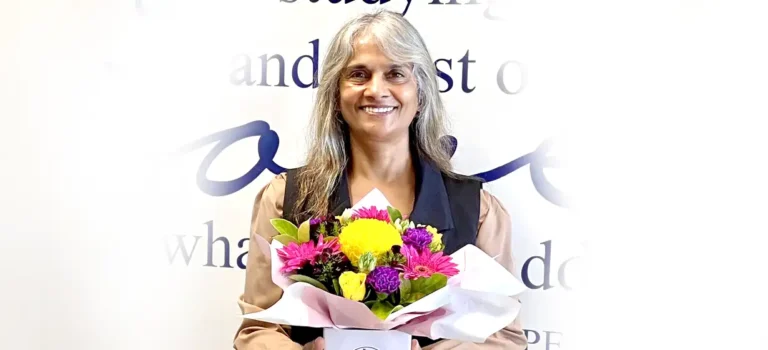
By Pushpa Vaghela, Founder of The Leadership Kingdom
As we navigate our busy lives, it’s easy to become consumed by various demands, distractions, and expectations. Yet, in the midst of the noise, there is one essential truth that can transform how we live: vision protects us. It grounds us, refocuses our energy, and aligns our lives with a higher purpose. For those of us who seek to live a life aligned with God’s will, understanding our vision is not just beneficial—it is essential.
The concept of vision is not just about setting goals or having dreams; it is deeply rooted in understanding God’s purpose for our lives. As a leader, I’ve come to realise that a clear vision is what differentiates a life of fulfillment from one of aimless wandering. It is the compass that directs us, helping us avoid the temptation of trying to do everything at once.
Vision Protects Us from Overcommitting Many of us are guilty of overextending ourselves, trying to be everything to everyone. In our eagerness to prove our capabilities, we may end up participating in activities that, although well-intentioned, pull us away from our true calling. But having a clear vision keeps us grounded. It helps us prioritise what truly matters, ensuring that our efforts align with our God-given mission.
Take the apostle Paul, for example. Although Paul had a deep love for the Jewish people—his own people—his vision was to preach the gospel to the Gentiles. In his letter to Timothy, he clearly states, “For this purpose I was appointed a herald and an apostle—I am telling the truth, I am not lying—and a teacher of the true faith to the Gentiles” (1 Timothy 2:7). Paul’s unwavering focus on his vision allowed him to fulfill his mission without getting sidetracked, even by causes that were close to his heart.
Paul’s vision was not only his guide but also his source of motivation: “I am so eager to preach the gospel also to you who are at Rome” (Romans 1:15). He did not allow himself to be distracted by things that fell outside of his God-given assignment, even if they seemed good or noble on the surface.
Knowing Your Gifts and Staying Within Them
One of the reasons we become overcommitted is that we try to do things outside of our unique gifts and calling. God has equipped each of us with specific talents and strengths to fulfill our personal visions. If we focus on tasks we are not gifted in, we risk depleting our energy, leaving us too exhausted to focus on what we are truly called to do. This is where many people find themselves burnt out, because they have strayed from their core purpose.
Jesus Himself modeled this principle. Though He performed many miracles and served people in countless ways, He never lost sight of His ultimate purpose. Even when one of His closest friends, Peter, tried to dissuade Him from His mission, Jesus stayed firm. When Peter said, “This shall never happen to you!” in response to Jesus speaking of His death (Matthew 16:22), Jesus corrected him. Although Peter’s intentions were good, they did not align with the vision Jesus was sent to fulfill.
This is a powerful lesson for us. Sometimes, even those closest to us may unintentionally steer us away from our vision. That’s why it’s so crucial to remain connected to God’s purpose and to seek His guidance continually.
The Transformation of Heart and Mind
Living with a vision is not just about external actions; it involves a deep internal transformation. It changes the way we think, believe, and live. For those who are believers in Jesus Christ, our vision is ultimately rooted in our identity as citizens of heaven. We are called to live in a way that reflects God’s reign on earth, allowing His principles to guide our actions and decisions.
This mindset shift is what allows us to live with true purpose. It’s not about accumulating wealth, fame, or success in the world’s eyes, but about aligning our lives with God’s eternal plan. The kingdom of God is not merely a distant future reality; it is a present-day calling that impacts every aspect of our lives. It is about letting God reign in our hearts and letting His love flow through our actions.
Living Out God’s Vision in Everyday Life
How can we put this into practice? Here are a few practical steps:
• Spend Time in Prayer and Reflection: Regularly seek God’s guidance to understand His vision for your life. Spend time in prayer, asking for clarity and discernment.
• Identify Your Unique Gifts: Reflect on the talents and passions God has given you. How can you use these gifts to serve others and fulfill your vision?
• Stay Focused on Your Mission: Once you have clarity on your vision, resist the temptation to take on activities that do not align with it. Saying “no” can be challenging, but it’s necessary to protect your purpose.
• Surround Yourself with Supportive People: Be intentional about building a community of like-minded individuals who will encourage you to stay true to your vision. Their support will help you stay on course when challenges arise.
• Trust in God’s Timing: Remember that fulfilling your vision is a journey, not a race. Trust in God’s timing and remain faithful in your efforts, even when results are not immediately visible.
Conclusion
Vision is not just a plan; it is a divine calling that protects and guides us. By aligning our actions with God’s purpose, we find fulfillment and joy, even amidst life’s challenges. As we approach the festive season, let’s take the time to reflect on God’s vision for our lives and recommit ourselves to walking in His path.
At The Leadership Kingdom, we are committed to empowering individuals to discover and live out their God-given vision. If you would like to learn more about how we can support you on this journey, please reach out to us.
Contact The Leadership Kingdom:
Phone: 0497 998 829 [email protected]
Hepatitis C – What is it, how can you get it and can it be cured?
Hepatitis C is an infection caused by the hepatitis C virus. This virus like hepatitis B affects the liver and therefore, it is important to check if you have ever been infected.
How can you get infected with hepatitis C?
Infections generally happen through contact with an infected person’s blood. This includes through:
• The use of unsterile medical/dental equipment – this is less likely in Australia due to strict infection control practices.
• The reuse of needles including those used for acupuncture, cosmetic procedures and injecting drug use.
• Tattooing where the ink and equipment may be contaminated with blood and the equipment is not sterilised – this includes cosmetic tattooing such as eyebrow tattooing.
• Sharing razors and other personal hygiene equipment such as toothbrushes and nail clippers that may be infected with blood.
People living with hepatitis C generally will not know they have the infection until it starts to cause damage to their liver including cirrhosis and liver cancer – this can take many years. It is important to know that not all people are tested for hepatitis B or hepatitis C when they migrate to Australia. So, it is better to test for the virus through a simple specific blood test.
Where can you get tested?
• All GPs can do the blood test.
• Sexual health clinics and the Queensland Injectors Health Network- QuIHN (www.quihn.org) ph: 1800 172 076. (No Medicare Card required for testing and do not have to be an injecting drug user past or present).
Is there a cure for hepatitis C?
Yes: there is a cure. It is medications for 8 or 12 weeks, with minimal or no side effects.
Where can you get medications to treat hepatitis C?
• All GPs can prescribe medication to cure hepatitis C.
• Specialists and trained nurse practitioners can also prescribe the medication.
• Being cured will not protect you against future infections if you come into contact with infected blood.
ECCQ is currently undertaking research with the Kirby Institute for Point of Care Testing (rapid finger-prick testing) for both hepatitis C and hepatitis B for migrants. If you would like to have this free confidential testing (no Medicare Card required) you can scan the QR code in this article or contact us.
If you would like more information about hepatitis C or hepatitis B or want to find out where you can get tested, please contact us at the Love Health Program at ECCQ on 3844 9166 or email [email protected]. For information in your language, you can visit our website at www.eccq.com.au/bbv
If you live in Cairns, please contact: Faith Bassett Phone: 07 42264769 or mobile 0405123691 Email: [email protected]
Health and Wellbeing: Sexually Transmissible Infections (STIs) – How Much Do You Know?
STIs, such as chlamydia, gonorrhoea, and syphilis, are on the rise in Australia, including in Queensland. For example, the most common bacterial STI, chlamydia, had 16,648 notifications in 2020 in Queensland, increasing to 19,361 in 2023. Similarly, gonorrhoea notifications increased from 4,884 in 2020 to 5,470 in 2023, and infectious syphilis cases rose from 737 to 1,026 during the same period (source: www.health.qld.gov.au).
If left untreated, these infections can cause serious health issues, including infertility (in both males and females), pelvic inflammatory disease, and ectopic pregnancy. In particular, syphilis can lead to long-term damage to the brain, heart, eyes, and nervous system. Pregnant women with syphilis are at risk of stillbirth, miscarriage, and passing on syphilis that can cause permanent damage to their babies, including blindness, deafness, and disability.
Symptoms of STIs
Some individuals may experience symptoms such as:
• Blisters, lumps, sores, or rashes in the genital area or inner thighs
• Testicular pain (in males)
• Lower abdominal pain, pain during or after sex, or bleeding between periods (in females)
• Unusual discharge or bleeding from the penis, vagina, or anus
• Pain or difficulty when urinating
However, many STIs are asymptomatic, making regular sexual health checks essential, especially if you:
• Change sexual partners, particularly at the beginning or end of a relationship
• Have had unprotected sex
• Have multiple sexual partners
Special Considerations for Pregnant Women
In Queensland all pregnant women undergo HIV, hepatitis B and syphilis testing at the start of pregnancy, even if they’ve had only one partner, to protect their health and prevent transmission to their baby. Retesting for syphilis is done at 26–28 weeks and again at 36 weeks gestation to avoid serious health issues for both mother and baby.
Mpox (Monkeypox)
Mpox, another STI of concern, has seen rising cases in Queensland, with 69 identified between January 1 and September 27 this year. Mpox can spread through intimate contact, and free vaccines are available for those at high risk, including:
• Sexually active gay, bisexual, and other men who have sex with men (cis and trans), and their sexual partners
• People living with HIV
• Sex workers
• Certain healthcare workers and laboratory staff
For more details, visit the Queensland Government’s health page on Mpox.
Where Can You Get Tested?
General practitioners (GPs) and sexual health clinics across Queensland offer STI testing. You can find your nearest sexual health clinic at https://www.health.qld.gov.au/clinical-practice/guidelines-procedures/sex-health/services/find-service#qld .
Remember, your doctor may ask personal questions, but it’s important to answer honestly to ensure an accurate diagnosis. Your information will remain confidential. Your sexual partners will need to be contacted if you have been diagnosed with an STI. It is important for them to be tested to prevent further transmission. This can be done anonymously by an experienced nurse or doctor or specialist contact tracer for you, or by yourself. You can also use websites to let your sexual partner know: https://letthemknow.org.au/ or https://www.thedramadownunder.info/ (for men who have sex with men).
For more information, visit our webpage www.eccq.com.au/bbv or contact our team.
If you are living in Cairns, you can contact Damian Garozzo-Vaglio at Cairns Sexual Health Services by calling 4226 4760 or emailing [email protected].
The Indian Senior Citizens Association’s Christmas Function, held at Runcorn State School was a heartwarming celebration of holiday cheer, community spirit, and cherished traditions. It brought together association members and friends from across the area to enjoy an afternoon filled with delicious food, entertainment, and goodwill.
Seniors and friends were delighted by the variety of entertainment, including dance performances by local Punjabi dance groups.
Local dignitaries also attended, including Councillor Kim Marx and Senator Paul Scarr, both spoke about the importance of celebrating the seniors in the community. “Our seniors are the backbone of our community” Senator Paul Scarr said. “Events like this are a beautiful reminder of how much they contribute, and we are proud to honour them”.
The Christmas function was not only a time for celebration but also an opportunity to reconnect, meet new faces and feel the spirit of Christmas and create the mood for a great holiday season.
The event was sponsored by Ram Care Services and MLP Senator Paul Scarr. The association also acknowledged and thanked their media partners, JD Media Group and Radio Brisvani for their continued support in making the event a huge success.
JURY GRAND PRIZE FOR ALL WE IMAGINE AS LIGHT, BEST YOUTH FILM TO BOONG AT 17th ASIA PACIFIC SCREEN AWARDS
Gold Coast, Australia: Dea Kulumbegashvili’s April has had a stunning double win at the 17th Asia Pacific Screen Awards (APSA). The gripping cinematic drama took home the APSA for Best Film, with the APSA for Best Performance going to Ia Sukhitashvili for her phenomenal portrayal of a Georgian Ob Gyn providing women’s health services.
Ia Sukhitashvili was at the prestigious APSA ceremony in Australia on Saturday night to accept both awards. The event was held at The Langham, Gold Coast, on the traditional land of the Kombumerri families of the Yugambeh language region.
The international film event, held in strategic partnership with Jewel Private Residences, honours the cinematic excellence of 78 countries and areas of the Asia Pacific, and films that best reflect their cultural origins and the diversity of the vast region.
April is the second feature for Dea Kulumbegashvili, who was a recipient of an MPA APSA Academy Film Fund grant for early development of the film, which is produced by David Zerat, Ilan Amouyal, Luca Guadagnino, Francesco Melzi d’Eril, Archil Gelovani, Gabriele Moratti and Alexandra Rossi.
In a particularly strong year for women’s stories, the International Jury awarded its Jury Grand Prize to All We Imagine as Light, the highly acclaimed second feature from India’s Payal Kapadia. The Prize, selected at the discretion of the jury, was awarded to this story of two working-class nurses amidst the nocturnal landscape of Mumbai.
Best Youth Film also goes to a female director from India, Lakshmipriya Devi, and producers Alan McAlex, Vikesh Bhutani, Ritesh Sidhwani, Farhan Akhtar and Shujaat Saudagar, for Boong, the heartwarming story of a young boy in remote Manipur who goes on an adventure to reunite his family.
The APSA for Best Animated Film has been won by The Missing (Iti Mapukpukaw, Philippines). The film, a groundbreaking adult sci-fi animation, is a personal tale from director Carl Joseph Papa who accepted the award on the night.
Best Documentary Film at the 17th APSA has been won by No Other Land (Palestine, Norway), directed as a group by Palestinian and Israeli filmmakers Basel Adra, Rachel Szor, Hamdan Ballal and Yuval Abraham, and giving their perspective on the violence and destruction surrounding them. The film is currently in theatrical release in Australia and the UK.
Georgian director Tato Kotetishvili was awarded the APSA for Best Director for his debut feature, the dark comedy Holy Electricity (Georgia, Netherlands), which sees cousins selling neon crucifixes door to door in Tbilisi, in a cinematic ode to the city and its people.
From Türkiye, the tense legal thriller Hesitation Wound (Tereddüt Çizgisi, Türkiye, Spain, Romania, France) has seen writer/director Selman Nacar win the APSA for Best Screenplay for his second feature, the story of a fiercely intelligent female defence attorney facing mounting professional, personal and moral challenges.
Winning Best Cinematography is French cinematographer Michaël Capron (Blue Is the Warmest Colour) for Mongrel, the contemplative Taiwanese drama that puts the unseen life of an undocumented Thai carer in the spotlight.
New Zealand’s prolific producer, actor and APSA winner Cliff Curtis is the recipient of the prestigious FIAPF Award, determined by APSA founding partner FIAPF–International Federation of Film Producers Associations, and awarded for outstanding achievement in film in the Asia Pacific region.
FIAPF President Luis Alberto Scalella said, “Cliff Curtis’ impressive career has been built on a strong commitment to screen storytelling that truly speaks to all audiences, both within the New Zealand screen industry, and internationally. His support for emerging Indigenous filmmakers from New Zealand has enabled the production of many compelling films, and he is a producer known for bold and demanding choices in the stories he chooses to tell.”
FIAPF Award winner Cliff Curtis said “A good meal feeds the body for that day a great story sustains the hearts and minds of generations past, present and future. My heart is filled with gratitude for the privilege of working alongside the artists, collaborators and mentors whose works have made this award possible. Thank you to FIAPF and to APSA for recognising Asia Pacific voices and bringing us together to share our stories of humanity, courage and purpose.”
The three previously announced winners were all in attendance in Australia to accept their awards: Neo Sora received APSA’s Young Cinema Award in partnership with NETPAC for Happyend and Nepali director Min Bahadur Bham’s accepted the Cultural Diversity Award forShambhala. Georgia’s Data Chachua accepted his APSA for Best New Performer for Panopticon, a film which also stars APSA Best Performance winner Ia Sukhitashvili.
All three of these awards were presented by the soon-to-launch Top 51 World Filmmakers Club, of which the three winners become members. A dynamic hub for creativity, encouraging innovative collaborations and cultural exchange among global filmmakers, the Top 51 World Filmmakers Club will be located on the 51st level of The Langham, Gold Coast, and will launch in early 2025.
Unprecedentedly, the winners of the 17th edition of APSA have been for films almost exclusively by first- or second-time filmmakers. Amongst some of the winners at the 17th APSA are renowned filmmakers mentoring this next generation, Luca Guadagnino for April and Hou Hsiao-hsienfor Mongrel, creating continuity, connection and growth for the region’s cinema. This is one of the aims of APSA – for its established and growing Academy, already comprising many of region’s leading auteurs and emerging talent, to help celebrate and amplify the talented creative voices of a new generation as they share their stories.
The 17th APSA International Jury was headed by President Pen-ek Ratanaruang (Thailand), one of Asia’s leading film directors and screenwriters, alongside Crazy Rich Asians star Chris Pang (Australia), Papua New Guinea and New Zealand producer Kerry Warkia, Korean filmmaker, educator and policymaker Park Kiyong, and Kazakh producer Yuliya Kim.
The APSA Youth, Animation, Documentary International Jury, determining the winners in those three categories, was led by President of Italy’s Udine Far East Film Festival Sabrina Baracetti, joined by Japan and US-based producer Alex C Lo, Indonesian program director Gugi Gumilang and Australian actress Jillian Nguyen.
Also announced during the 17th Asia Pacific Screen Awards Ceremony are the four recipients of the MPA APSA Academy Film Fund grants of US$25,000 wholly supported by the MPA (Motion Picture Association) Asia Pacific.
Following the incredible tenure of Andrew Pike OAM as Chair of the MPA APSA Academy Film Fund Jury, Hong Kong curator Kiki Fung headed the Jury in 2024 and was joined by Indian director Ridham Janve and Singaporean film and TV producer Tan Si En.
The recipients are producer Estelle Fialon for animated documentary Outside Kabul, producer Yulia Evina Bhara and writer/director Makbul Mubarak for Indonesian feature Watch It Burn, cinematographer Robbin Yuchao Feng and director Qiu Jiongjiong for Chinese feature Fuxi: Joy in Four Chapters and producer/writer Aiko Masubuchi with writer/director Neo Sora for youth feature A Trip to Australia.
All APSA nominees, Nominations Councils and Jury members are inducted into the prestigious APSA Academy presided over by Australian screen legend Jack Thompson AM PhD. In 2024 the Academy will total more than 1,650 of the region’s leading filmmakers.
Chair of the Asia Pacific Screen Awards Tracey Vieira said “Tonight we celebrate cinematic stories from 24 countries and areas of Asia Pacific and I congratulate all the winners of the 17th Asia Pacific Screen Awards. As the next generation of filmmakers comes to the fore, with a record-breaking number of emerging filmmakers, the stories on screen represent the most diverse collection of voices ever heard at APSA.
“Through the expertly crafted storytelling of the winners, we are able to explore a more expansive view of the world around us, amplifying the compelling voices, experiences and lives of those otherwise not often seen: nurses, carers, lawyers, women’s health workers and children.
“Thanks to our growing partnerships with AW Jewel, The Langham, the City of Gold Coast, Screen Queensland, the MPA, The Post Lounge, Top 51 World Filmmakers Club and Screen Australia, the future of APSA and the filmmaking it celebrates looks brighter than ever,” she said.
Jewel Private Residences General Manager Yutao Li said “I heartily congratulate the winners of the 17th Asia Pacific Screen Awards. Like APSA, AW Jewel prides itself on celebrating excellence and it has been an incredible experience to welcome these talented filmmakers from all over the region to come together here at Jewel Private Residence and The Langham, Gold Coast. It is an honour to embrace the cultural and geographical diversity of these cinematic stories. Uniting us all, this rich sense of place is echoed in APSA’s 2024 theme of ‘Land’, and the architecture of three Jewel Towers, representing the local land and the gemstones found within. I believe many meaningful connections have been made.”
Gold Coast Mayor Tom Tate said, “Congratulations and well done to all this year’s APSA winners, presented at the Langham here on the Gold Coast. To have such a talented group of international filmmakers gathering here to sharing stories and ideas highlights the Gold Coast’s growing reputation as an international screen location.
CEO of Screen Queensland Jacqui Feeney said, “Screen Queensland is a proud supporter of the Asia Pacific Screen Awards which continue to shine as a platform for cinematic excellence and cultural exchange across our region. We congratulate this year’s winners on their achievements in filmmaking and hope that the connections created here between local and international screen practitioners during the Forum help enrich many films to follow.”
Belinda Lui, President and Managing Director Asia Pacific, Motion Picture Association, said “Our goal is to support filmmakers in the early stages of script development and to provide the MPA-APSA endorsement to attract further interest in their projects. Over the past 15 years, we have supported 60 feature films, documentaries, and animation titles. Many have achieved success at festivals and awards, with some winning Academy, Emmy, and APSA Awards. The MPA APSA Academy Film Fund is now recognized as a valued and respected source of support for Asia-Pacific filmmakers with compelling and original stories. We look forward to seeing this year’s outstanding projects come to life on screen.”
Head of Global Production for The Post Lounge Bronwyn Ketels said “It has been an honour and a delight to spend time with each of these exquisite films in crafting and delivering the APSA ceremony packages. It is also wonderful to be working at the filmmaking hub of the Gold Coast, where we will be opening The Post Lounge’s newest state-of-the-art post-production facility very soon – further expanding our capacity to partner with and deliver technical excellence to the screen industry in Australia and internationally.”
The Asia Pacific Screen Academy in strategic partnership with AW Jewel, acknowledges the support of Major Partners, Top 51 World Filmmakers Club, luxury beachfront hotel The Langham, Gold Coast, Australia’s leading lifestyle, opportunity and filmmaking destination the City of Gold Coast, the state’s premier screen production and culture agency Screen Queensland, internationally acclaimed post house The Post Lounge and Motion Picture Association (MPA) Asia Pacific – the leading global advocacy organisation protecting and promoting the voices of Asia Pacific screenmakers.
17th Asia Pacific Screen Awards – WINNERS
BEST FILM
April
Georgia, Italy, France
Directed by Dea Kulumbegashvili
Produced by David Zerat, Ilan Amouyal, Luca Guadagnino, Francesco Melzi d’Eril, Archil Gelovani, Gabriele Moratti, Alexandra Rossi
JURY GRAND PRIZE
All We Imagine as Light
France, India, Netherlands, Luxembourg
Directed by Payal Kapadia
Produced by Thomas Hakim, Julien Graff
BEST YOUTH FILM
Boong
India
Directed by Lakshmipriya Devi
Produced by Alan McAlex, Vikesh Bhutani, Ritesh Sidhwani, Farhan Akhtar, Shujaat Saudagar
BEST ANIMATED FILM
The Missing (Iti Mapukpukaw)
Philippines
Directed by Carl Joseph Papa
Produced by Geo Lomuntad, Dan Villegas
BEST DOCUMENTARY FILM
No Other Land
Palestine, Norway
Directed by Basel Adra, Rachel Szor, Hamdan Ballal, Yuval Abraham
Produced by Fabien Greenberg, Bård Kjøge Rønning, Basel Adra, Rachel Szor, Hamdan Ballal, Yuval Abraham
BEST DIRECTOR
Tato Kotetishvili for Holy Electricity
Georgia, Netherlands
BEST SCREENPLAY
Selman Nacar for Hesitation Wound (Tereddüt Çizgisi)
Türkiye, Spain, Romania, France
BEST CINEMATOGRAPHY
Michaël Capron for Mongrel
Taiwan, Singapore, France
BEST PERFORMANCE
Ia Sukhitashvili for April
Georgia, Italy, France
BEST NEW PERFORMER presented by TOP 51 WORLD FILMMAKERS CLUB
Recognising an exceptional debut or sophomore performance in a feature film.
Data Chachua for Panopticon
Georgia, France, Italy, Romania
CULTURAL DIVERSITY AWARD presented by TOP 51 WORLD FILMMAKERS CLUB
For outstanding contribution to the promotion and preservation of cultural diversity through film.
Shambhala
Nepal, France, Norway, Hong Kong, Türkiye, Taiwan, United States of America, Qatar
Directed by Min Bahadur Bham
Produced by Min Bahadur Bham
YOUNG CINEMA AWARD in partnership with NETPAC presented by TOP 51 WORLD FILMMAKERS CLUB
Awarded to an impressive first or second time feature director in recognition of the abundant emerging talent of the Asia Pacific.
Neo Sora for Happyend
Japan, United States of America
FIAPF AWARD
Determined by FIAPF–International Federation of Film Producers Associations for outstanding achievement in film in the Asia Pacific region.
Cliff Curtis
New Zealand
2024 MPA APSA Film Fund Recipients
Outside Kabul
Animated Documentary
Producer: Estelle Fialon (France)
Watch it Burn
Fiction Feature
Producer: Yulia Evina Bhara (Indonesia)
Producer/Director: Makbul Mubarak
Fuxi: Joy in Four Chapters
Fiction Feature
Cinematographer: Robbin Yuchao Feng (People’s Republic of China)
Director: Jiongjiong Qiu
A Trip to Australia
Fiction/Youth Feature
Producer: Aiko Masubuchi (Japan, USA)
Producer/Screenwriter/Director: Neo Sora
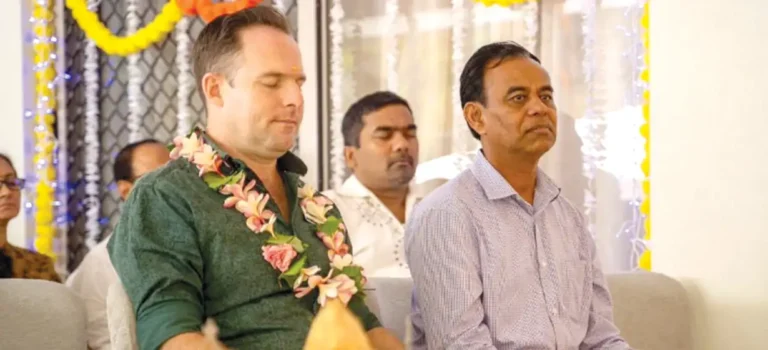
The Brahma Kumaris Shailer Park celebrated Diwali on 16th November. The Logan City Mayor Jon Raven, Shailer Park Councillor Mindy Russel were among the distinguished guests that attended the Diwali Celebration. The festival included a spiritual talk – “Significance of Diwali”, Meditation, traditional Indian dance, and music. Delicious Indian lunch and sweets were provided for those who attended. Our Guest Speaker was Raja yogini Manju Bhen from Gyansarovor, Rajastan, India. She has been practicing Raja Yoga for more than 40 years.
We at Brahma Kumaris Shailer Park provide free Raja Yoga Meditation, Positive Thinking and Anger Management Courses. Please contact us on 0414685144 or [email protected] for further information. brahmakumaris.org.au
5 Keys to Wealth Mastery: A Roadmap to Financial Independence
By Pushpa Vaghela CEO of The Women’s Mentoring Foundation (WMF), Managing Director AMS Synergy Group Real Estate & Co-Founder IndiaBiz Pioneers.
As the end of the year approaches, many of us are preparing to celebrate different cultural festivals and traditions, with Christmas just around the corner. It’s a time of joy, connection, and giving — but it can also be a time of significant financial stress if we’re not careful. The festive season is a wonderful opportunity to reflect on our financial habits and put smart wealth management into practice.
Let’s dive into the five essential keys to wealth mastery that can help you build a solid financial foundation, not just for the holiday season, but for a lifetime of financial freedom.
Preparation: Creating the Foundation
Preparation is the bedrock of financial stability. As we enter a season filled with celebrations, it’s easy to get caught up in the spirit of giving and overspend. However, careful preparation can help you enjoy the festive season without compromising your financial future.
Start by setting clear financial goals, whether it’s sticking to a holiday budget, saving for an upcoming trip, or planning for long-term investments. Self-education is key. Take some time to learn the basics of budgeting and managing your finances. The more prepared you are, the more likely you are to avoid unnecessary debt and stress.
Earning: The Fuel for Wealth
One of the most effective ways to achieve financial independence is by maximising your earning potential. However, earning money should not come at the expense of your health or well-being. During this busy season, it’s essential to find balance.
Think about leveraging your skills for additional income streams, whether it’s freelancing, teaching a skill online, or starting a small business on the side. In today’s digital world, there are endless ways to diversify your income, giving you extra flexibility during the festive season and beyond.
Spending: Managing What You Earn
This time of year, it’s easy to overspend on gifts, food, and celebrations. But remember, financial mastery isn’t just about how much you earn — it’s also about how wisely you spend.
Create a budget for the festive season and stick to it. Before making a purchase, ask yourself:
• Does this align with my financial goals?
• Is it an investment in my future well-being?
• Could I find a more economical way to spread joy?
By controlling your spending, you can avoid the financial hangover that often comes after the holidays. Use this time to practice mindful spending, so you can start the new year on the right financial footing.
Saving: Securing Your Future
The habit of saving is a gift you give to your future self. It may be tempting to dip into your savings during the festive season, but remember the power of compounding. Every dollar you save and invest today will grow significantly over time.
This is where the magic of compounding comes into play. Let’s revisit an inspiring story to illustrate this concept:
The Power of Compounding: The Story of Pong Lo
A young peasant named Pong Lo once asked an Emperor for a single grain of rice, to be doubled each day for 100 days. By the 30th day, he had amassed over 536 million grains of rice. This story beautifully illustrates the exponential growth that can be achieved through compounding. Start saving now, and watch your wealth multiply over time.
Growing: Investing Wisely
To truly achieve financial mastery, it’s not enough to just save; you need to grow your wealth through smart investments. The key is to start small, stay consistent, and reinvest your earnings. The earlier you begin, the more time you give your investments to grow exponentially.
Consider investing in stocks, mutual funds, or real estate. Even small investments made wisely can yield substantial returns over the years. Use the festive season as a reminder to review your investment portfolio and ensure it’s aligned with your long-term goals.
You Only Need Four Things to Achieve Wealth:
1. Time: The earlier you start, the better.
2. Compounding Growth: Let your money work for you.
3. Intelligent Choices: Prioritize what truly matters.
4. Some Money: Start small; just start!
Contributing: The True Spirit of the Season
As we celebrate cultural festivals and Christmas, let’s not forget the importance of giving back. True wealth isn’t just about accumulating money; it’s about making a difference in the lives of others. At WMF, we believe that contributing to the community is a vital part of financial well-being.
By sharing your time, skills, or resources with those less fortunate, you enrich your own life as well. This season, consider contributing to a cause that matters to you, whether it’s through charitable donations, volunteering, or simply offering support to someone in need.
Final Thoughts
As the festive season approaches, take this opportunity to reflect on your financial habits. Mastering the principles of preparation, earning, spending, saving, growing, and contributing can set you up for a prosperous new year. Remember, wealth is not just about financial gain but about living a balanced, fulfilled, and generous life.
If you’d like to learn more or need guidance on your journey to financial mastery, reach out to Pushpa at Leaders By Design. We are here to support you in achieving your dreams. Contact WMF: Phone: 0497 998 829 Email: [email protected]
By Jitendra Deo Chief Executive Officer JD Group Australia
Gratitude is a simple yet profound emotion that has the power to transform our outlook on life. It involves recognizing and appreciating the good things we have, no matter how small or seemingly insignificant they may seem. In a world that often focuses on what we lack or what is wrong, practicing gratitude can bring a sense of balance and contentment. It is an attitude that can improve our mental health, relationships, and overall well-being.
One of the most powerful aspects of gratitude is its ability to shift our focus. When we take the time to reflect on the things we are grateful for, we train our minds to focus on the positives rather than dwelling on the negatives. This simple shift in perspective can help reduce feelings of anxiety and stress. For instance, instead of stressing over a missed opportunity or an unresolved issue, we can focus on the present moment, appreciating the relationships, opportunities, and small joys we experience every day. This focus on the positive leads to greater satisfaction with our lives, fostering a sense of peace and fulfillment.
Gratitude also has a direct impact on our mental health. Studies have shown that people who regularly practice gratitude experience lower levels of depression and anxiety. The act of expressing thankfulness, whether mentally or through writing, can release endorphins and reduce the production of cortisol (the stress hormone). This creates a positive feedback loop, where the more we practice gratitude, the better we feel emotionally and physically. It also strengthens our ability to cope with challenges, as we are better able to recognize the support and resources we have available to us.
In our relationships, gratitude is a cornerstone of connection and trust. Taking the time to express appreciation for the people in our lives—whether it’s a friend, family member, or colleague—can deepen bonds and foster stronger relationships. A simple “thank you” or acknowledgment of someone’s effort can go a long way in making them feel valued and respected. Gratitude also helps us see the good in others, making us less likely to take them for granted. This sense of appreciation creates an environment of kindness and mutual respect, which is essential for building and maintaining healthy relationships.
On a more personal level, practicing gratitude can lead to a more fulfilling life. It encourages us to reflect on the things that truly matter, such as health, love, and experiences, rather than material possessions. By recognizing these things, we gain a sense of purpose and meaning that transcends day-to-day struggles. Gratitude teaches us to appreciate the present, rather than constantly seeking future achievements or possessions to find happiness.
Incorporating gratitude into our daily lives doesn’t have to be complicated. It can be as simple as keeping a gratitude journal, where we jot down a few things we are thankful for each day. It can be a moment of reflection before bed or a heartfelt thank you to someone who has helped us. The key is consistency and mindfulness in recognizing the positive aspects of our lives.
In conclusion, gratitude is more than just an emotional response; it is a practice that has a profound impact on our daily lives. It helps us shift our focus from what is lacking to what is abundant, improving our mental health, relationships, and overall sense of well-being. By making gratitude a regular part of our lives, we can foster a sense of joy and contentment that carries us through even the most challenging times. Gratitude truly has the power to transform our lives, one thankful thought at a time.
Fifty years ago today, the world was a very different place. It was 1974, a year marked by significant historical events, social changes, and cultural shifts.
The mid-1970s was a time when the world was transitioning from the turbulence of the 1960s into a new era of technological innovation, political upheaval, and cultural expression. Let’s take a journey back to 1974 and explore some of the major events and trends that defined the world half a century ago.
The World Stage: A Year of Political Change
The global political landscape in 1974 was marked by both hope and turmoil. One of the most significant political events of the year was the unfolding of the Watergate scandal in the United States, which would eventually lead to the resignation of President Richard Nixon in August 1974. In June of that year, the U.S. Senate Watergate hearings were televised, exposing the depth of the corruption and cover-up surrounding the break-in at the Democratic National Committee headquarters. The public outcry and investigations eventually forced Nixon to step down, making him the first U.S. president in history to resign from office. This scandal rocked the nation and left an indelible mark on American politics.
Across the world, political shifts were also taking place. In Europe, many countries were grappling with the aftermath of World War II and adjusting to the Cold War dynamics between the United States and the Soviet Union. In 1974, Portugal experienced the Carnation Revolution, a peaceful coup that overthrew the authoritarian Estado Novo regime, ending nearly 50 years of dictatorship. This revolution was one of the last major movements in Europe to bring down authoritarian regimes and establish democratic governance.
In the Middle East, the oil crisis of 1973 was still having a profound effect on global politics. The Organization of Petroleum Exporting Countries (OPEC) had imposed an oil embargo on countries that supported Israel during the Yom Kippur War, leading to skyrocketing oil prices and a global energy crisis. The repercussions of this embargo were felt throughout 1974, as countries sought to cope with inflation, unemployment, and rising energy costs.
The Cultural Landscape: A Time of Change
The 1970s was a decade of social experimentation, and 1974 was no exception. The cultural revolution of the 1960s had brought about significant changes in the way people thought about society, gender, race, and identity. As the 1970s unfolded, these changes continued to shape the social fabric of many countries.
In the United States, the feminist movement was gaining momentum. In 1974, the U.S. Congress was considering the Equal Rights Amendment (ERA), which aimed to ensure that rights under the law would not be denied or abridged based on gender. Though the amendment was not ratified at the time, the push for women’s rights continued to make strides in education, employment, and reproductive rights. Women’s liberation groups were active in pushing for greater equality, and the 1970s saw the publication of landmark works such as “The Feminine Mystique” by Betty Friedan and “Our Bodies, ourselves” by the Boston Women’s Health Book Collective, which challenged traditional gender roles and advocated for women’s empowerment.
Meanwhile, the civil rights movement continued to evolve, with leaders such as Martin Luther King Jr. having already laid the groundwork for the struggle for racial equality in the 1960s. By 1974, African American activism was still strong, and many African American leaders were fighting for equal access to housing, education, and employment. The Black Power movement and the rise of black pride and self-expression were significant cultural trends during this period.
In the realm of popular culture, 1974 was a year of groundbreaking music, film, and television. The music world saw the rise of iconic artists and bands that would shape the sound of the 1970s. Artists such as David Bowie, Elton John, and Bob Marley were dominating the charts, while disco music was beginning to make its presence felt, foreshadowing the disco explosion that would hit in the late 1970s. On the other end of the spectrum, rock and roll was undergoing a transformation with the emergence of punk music, which would soon take centre stage in the late 1970s as a countercultural movement.
Filmgoers in 1974 were treated to some of the most influential movies of the decade. The year saw the release of The Godfather Part II, the epic continuation of Francis Ford Coppola’s groundbreaking crime drama that further cemented the legacy of the Corleone family. Meanwhile, Chinatown, directed by Roman Polanski, was released, offering a dark and gritty portrayal of corruption in Los Angeles, and establishing Jack Nicholson as one of the era’s most compelling actors.
Television in 1974 was dominated by a mix of classic shows and new programming. The Mary Tyler Moore Show and All in the Family were setting the standard for television sitcoms, while MASH* was beginning to attract a loyal following. The 1970s was also the era of variety shows like The Sonny and Cher Comedy Hour and The Brady Bunch Hour, which entertained families across the country with their mix of comedy and music.
Technology and Innovation: The Dawn of the Digital Age
The 1970s was a pivotal decade for technological advancement, and 1974 played an important role in the evolution of digital technology. Although personal computers were not yet in every home, the groundwork for the digital age was being laid. In 1974, the first commercially available microprocessor, the Intel 8080, was introduced, setting the stage for the development of personal computers in the years to come. This innovation would eventually lead to the rise of companies like Apple and Microsoft, which would revolutionize the way people interact with technology.
The space race, which had captivated the world in the 1960s, was still an important focus in the 1970s. In 1974, the United States continued to push the boundaries of space exploration, with NASA working on the Skylab space station project and planning for future moon missions. The Soviet Union was also advancing its space program, maintaining its competitive edge with new space technologies and human spaceflights.
A Changing World: Reflections in 1974
Looking back, 1974 was a year marked by profound political, social, and technological change. It was a time of upheaval and transition, where the effects of past decades of struggle and conflict began to manifest in new ways. It was also a period when new ideas were beginning to take shape, shaping the direction of the world for decades to come.
For those who lived through it, 1974 was a year of uncertainty, but also one of hope. It was a year that laid the foundation for the modern world, one where technology, politics, and culture were becoming increasingly interconnected. As we reflect on the past 50 years, we can see how the events of 1974 helped shape the world we live in today.
In many ways, the challenges and triumphs of that year still resonate with us today, reminding us that history is not just a series of events, but a living part of our collective memory. The lessons learned, the changes made, and the progress achieved in 1974 continue to shape our lives as we move forward into the future.
Prime Minister Shri Narendra Modi and Prime Minister Anthony Albanese of Australia held the 2nd India-Australia Annual Summit on the sidelines of the G20 Summit in Rio de Janeiro on 19 November. The 1st Annual Summit was held on 10 March 2023 in New Delhi during the State Visit of Prime Minister Albanese to India.
The Prime Ministers reaffirmed their support for strengthening the India-Australia Comprehensive Strategic Partnership. They discussed cooperation in the areas of defence and security, trade and investments, education, skills and mobility, renewable energy, space, sports and people-to-people ties.
Joint Statement
Both sides also exchanged views on regional and global issues of mutual interest. They also reiterated their commitment for a peaceful, stable and prosperous Indo-Pacific Region, based on respect for international law.
The Hon’ble Prime Minister of India, Shri Narendra Modi, and the Prime Minister of Australia, the Hon Anthony Albanese MP, held the second Australia-India Annual Summit on the sidelines of the Group of 20 (G20) Summit in Rio de Janeiro on 19 November 2024.
2. Ahead of the fifth anniversary of the Australia-India Comprehensive Strategic Partnership in 2025, the Prime Ministers noted the significant progress made in strengthening bilateral ties across a range of important sectors – including climate change and renewable energy, trade and investment, defence and security, education and research, skills, mobility, science and technology, regional and multilateral cooperation, community and cultural links, and people-to-people ties.
3. Both Prime Ministers reflected on the shared interests of our region, noting with satisfaction that closer bilateral engagement has benefited both nations and the broader region. They welcomed sustained high-level contact and ministerial engagement between India and Australia. Looking forward, the Prime Ministers reaffirmed commitment to deepening cooperation and announced initiatives to focus and accelerate efforts for mutual benefit, as well as to promote the peace, stability and prosperity of our shared region.
Economy, Trade and Investments
4. The Prime Ministers expressed satisfaction at the increasing two-way trade, business engagements and market access for goods and services enabled under the landmark India-Australia Economic Cooperation and Trade Agreement (ECTA). They welcomed further work towards an ambitious, balanced and mutually beneficial Comprehensive Economic Cooperation Agreement (CECA), to realise the full potential of the bilateral economic relationship.
5. The Prime Ministers observed that ‘Make in India’ and ‘Future Made in Australia’ have complementarity and collaborative potential and could help create new jobs, unlock economic growth and secure our future prosperity in a changing world. The leaders called for greater two-way investments reflective of the Comprehensive Strategic Partnership and instructed officials to explore ways to realise greater synergies between the economies of both the countries and promote mutually beneficial investments in both directions.
6. The Prime Ministers welcomed the extension of the Australia-India Business Exchange (AIBX) program for another four years from July 2024. The AIBX continues to boost the confidence and capabilities of Australian and India businesses to connect and develop mutually beneficial partnerships.
Energy, Science and Technology, Space
7. Australia and India have shared ambition to move faster, work together and deploy our complementary capabilities to drive climate action. The Prime Ministers welcomed the launch of the India-Australia Renewable Energy Partnership (REP) which would provide the framework for practical cooperation in priority areas such as solar PV, green hydrogen, energy storage, two-way investment in renewable energy projects and allied areas; and upgraded skills training for the renewables workforce of the future.
8. The Prime Ministers noted progress under the Memorandum of Understanding between India’s Khanij Bidesh Ltd. (KABIL) and Australia’s Critical Minerals Office as an opportunity to grow commercial links and advance supply chain diversification interests. The leaders underlined the role of research and innovation, skills development, and professional exchange, including participation in each other’s conferences; and sustainable practices in developing the critical minerals sector in support of the global clean energy transition, including as inputs to technologies such as batteries and roof top solar.
9. The Prime Ministers welcomed the growing space partnership between the two countries, both at space agency and space industry levels. Cooperation to support the Gaganyaan missions, the planned launch of Australian satellites on-board an Indian launch vehicle in 2026 and joint projects between our respective space industries exemplify this deepening collaboration.
Defence and Security Cooperation
10. The Prime Ministers welcomed sustained progress under the defence and security pillar of the Comprehensive Strategic Partnership. They expressed intent to renew and strengthen the Joint Declaration on Defence and Security Cooperation in 2025, to reflect ambition in both countries’ elevated defence and security partnership and strategic convergence. The Prime Ministers looked forward to a long-term vision of defence and security collaboration between the two countries to enhance collective strength, contribute to both countries’ security and make an important contribution to regional peace and security.
11. The leaders appreciated the growing frequency and complexity of defence exercises and exchanges and the increasing interoperability through implementation of the Mutual Logistics Support Arrangement.
12. The Prime Ministers welcomed arrangements for enhancing maritime domain awareness and increased and reciprocal defence information-sharing to deepen operational defence cooperation, address shared concerns and challenges, and work towards an open, inclusive, peaceful, stable and prosperous Indo-Pacific. They agreed to develop a joint maritime security collaboration road map.
13. The Prime Ministers highlighted the significance of defence industry, research and material cooperation, including in the maritime industry, and noted the first-ever participation of Indian defence industries in the Indian Ocean Defence & Security 2024 Conference in Perth and in the Land Forces Exposition in Melbourne. They underscored the need for boosting connections between Indian and Australian defence industrial bases and defence start-ups, including by opportunities for participation in each other’s major defence trade expositions. They also looked forward to the defence industry delegation visits between Australia and India in the near future to take forward the constructive discussions and delineate further steps.
Parliamentary cooperation
14. The Prime Ministers reiterated that inter-parliamentary cooperation is an important component of the Comprehensive Strategic Partnership and looked forward to continued exchanges.
Education, Sports and People-to-People Ties
15. Recognising the strength of growing people-to-people linkages which continue to enrich our bilateral ties, the two leaders welcomed the significant contribution of Australians of Indian heritage and agreed to further strengthen this ‘living bridge’.
16. The Prime Ministers welcomed the opening of the new Consulate-General of Australia in Bengaluru and the new Consulate-General of India in Brisbane. They expressed confidence that these will further strengthen trade and investment relations and deepen cultural links.
17. The Prime Ministers recognised that mobility opportunities between Australia and India were a key driver of economic growth. They welcomed the launch of Australia’s Working Holiday Maker visa program for India in October 2024 and looked forward to the commencement of Australia’s Mobility Arrangement for Talented Early-professionals Scheme (MATES), which will promote mobility of early professionals and provide Australian industry access to some of India’s most talented STEM graduates.
18. Recognising the value of a strong and growing educational partnership, the Prime Ministers expressed satisfaction at Australian universities establishing their campuses in India. The Prime Ministers noted that the second Australia India Education and Skills Council meeting held in October 2024 helped in advancing educational and skills cooperation.
19. The Prime Ministers underlined that Sport offers significant opportunities to foster bilateral ties, enhance people-to-people links and cultural exchanges. They agreed to engage on capacity building, focusing inter alia on training and workforce development, sports science and medicine, and major sporting event management.
Regional and Multilateral Cooperation
20. The Prime Ministers reiterated their commitment to supporting an open, inclusive, stable, peaceful and prosperous Indo-Pacific where sovereignty and territorial integrity are respected. The Prime Ministers underlined the importance of being able to exercise rights and freedoms in all seas and oceans consistent with international law, particularly the UN Convention on the Law of the Sea (UNCLOS), including freedom of navigation and overflight.
21. The Prime Ministers reiterated their commitment to strengthening cooperation through the Quad as a force for global good which delivers real, positive and enduring impact for the Indo-Pacific, to advance their shared vision for a region that is free, open, inclusive and resilient. They appreciated the Quad’s ongoing efforts to undertake ambitious projects to help partners address pandemics and disease; respond to natural disasters; strengthen maritime domain awareness and maritime security; mobilise and build high-standard physical and digital infrastructure; invest in and benefit from critical and emerging technologies; confront the threat of climate change; bolster cyber-security; and cultivate the next generation of technology leaders. Prime Minister Modi looked forward to hosting Australia at the Quad Leaders’ Summit in India in 2025.
22. The Prime Ministers reaffirmed their commitment to ASEAN centrality and the ASEAN-led regional architecture including the East Asia Summit (EAS), the ASEAN Regional Forum and the ASEAN Defence Ministers’ Meeting Plus. They expressed ongoing support for the practical implementation of the ASEAN Outlook on the Indo Pacific (AOIP). They noted the ongoing bilateral cooperation under the Indo Pacific Oceans Initiative (IPOI), and called for enhanced cooperation in preserving maritime ecology, reducing the impact of marine pollution, ensuring sustainable use of marine resources, and reducing the impact of climate change. The Prime Ministers reflected on the success of the 2024 Indian Ocean Conference, co-hosted by Australia and India in Perth, Australia’s Indian Ocean capital. They reiterated their strong support for the Indian Ocean Rim Association (IORA) as the Indian Ocean region’s premier forum for addressing the region’s challenges and looked forward to working closely together when India assumes the IORA Chair in 2025.
23. The Prime Ministers agreed on the importance of strengthened cooperation in the Pacific to support the needs and priorities of Pacific Island countries and noted both countries’ ongoing commitment to supporting Pacific priorities, including climate action, health and education. They affirmed the central role played by the Pacific Islands Forum and its 2050 Strategy for the Blue Pacific Continent in addressing regional challenges. Prime Minister Albanese recognised India’s role in extending development partnership to Pacific Island countries, including through the Forum for India-Pacific Islands Cooperation (FIPIC) framework. Both countries also looked forward to support development activities in the Indian Ocean region.
24. The Prime Ministers exchanged views on contemporary regional and global developments. They reiterated the call for resolution of ongoing conflicts through dialogue and diplomacy. They also emphasised the importance of all countries combating the threat of terrorism, including by bolstering cooperation in the Financial Action Task Force, as the global standard setter and international body for countering terrorism financing, and exploring other initiatives to tackle terrorism financing. Both leaders unequivocally condemned terrorism and violent extremism in all its forms.
25. The Prime Ministers shared their positive assessment of the progress of bilateral engagements and affirmed their commitment to further and deepen ties for mutual benefit and for the benefit of the region. Acknowledging the significance of the approaching fifth anniversary of the Comprehensive Strategic Partnership, the Prime Ministers welcomed opportunities to commemorate this milestone in 2025 in a befitting manner. They looked forward to the next India-Australia Annual Summit in 2025.
Sources: www.pm.gov.au and www.mea.gov.in


 As we navigate our busy lives, it’s easy to become consumed by various demands, distractions, and expectations. Yet, in the midst of the noise, there is one essential truth that can transform how we live: vision protects us. It grounds us, refocuses our energy, and aligns our lives with a higher purpose. For those of us who seek to live a life aligned with God’s will, understanding our vision is not just beneficial—it is essential.
 Many of us are guilty of overextending ourselves, trying to be everything to everyone. In our eagerness to prove our capabilities, we may end up participating in activities that, although well-intentioned, pull us away from our true calling. But having a clear vision keeps us grounded. It helps us prioritise what truly matters, ensuring that our efforts align with our God-given mission.




 The Indian Senior Citizens Association’s Christmas Function, held at Runcorn State School was a heartwarming celebration of holiday cheer, community spirit, and cherished traditions. It brought together association members and friends from across the area to enjoy an afternoon filled with delicious food, entertainment, and goodwill.













 Fifty years ago today, the world was a very different place. It was 1974, a year marked by significant historical events, social changes, and cultural shifts.

 Prime Minister Shri Narendra Modi and Prime Minister Anthony Albanese of Australia held the 2nd India-Australia Annual Summit on the sidelines of the G20 Summit in Rio de Janeiro on 19 November. The 1st Annual Summit was held on 10 March 2023 in New Delhi during the State Visit of Prime Minister Albanese to India.