

Two suitcases, two worlds: A journey from student visa to Australian Citizenship

Two suitcases, two worlds: A journey from student visa to Australian Citizenship

By Rinchaal Patel,
Mindset and Relationship
Coach, YOLO Academy

When I first arrived in Australia as a wide- eyed 18-years old in the 2000s on a student visa, my suitcase was full of Maggi packets, Parle-G, and familial expectations. I had no idea how profoundly this journey would shape me. Initially, like any other 18-year-old, I was relieved that I can now finally sleep-in and do things my own way and won’t have parents waking me up early to study for exams. I was finally going to be free.

Little did I realise that this move here would come up with its own challenges and would push me so far out of my comfort zone. Back then, “international student” wasn’t a lifestyle brand, it was a test of resilience. Today, as an Australian citizen looking back, I see both how far we have come and how much has changed for those arriving now.

To the younger migrants stepping off planes today: welcome. You are about to begin one of the most transformative chapters of your life. And yes, things are easier now in many ways. But in some ways, they are also harder.

When I arrived, there was no WhatsApp, no social media platforms that allowed you to make calls back home so freely. Calling home meant carefully rationed minutes on a prepaid phone card, often with a queue of other homesick students waiting behind you. Today, you can video call your parents while walking down street.

We did not have no Google Maps/ sharing live locations guiding you to your lecture theatre, or to places unknown. If you got lost, you asked a stranger or just accepted your fate. We learned how to navigate public transport without apps. There was a quiet pride in figuring things out the hard way. Today, technology has removed many of those barriers, but it has also made it easier to stay isolated.

So, here’s my first advise: Be present in the world you are in, rather than living in two worlds. Put your phones away and talk to the people around you who don’t understand your accent. Make friends outside your desi friends group and explore different cultures that make Australia a desirable place to live. Growth happens when you immerse yourself here. Your Australian experience shouldn’t just be academic; it should be deeply human.

Back in the 2000s, survival skills came before social life. We learned how to cook, out of necessity, ready-to-eat packs of curries only tasted good when we were hungry or in a bind, but the costs would start adding up, and eating takeout everyday was not feasible.

We learned how to budget every dollar, and it somehow is the same for those coming today, but there are options of having tiffin services that provide home cooked meals at a reasonable price. There are also more frozen food options now available. You can even learn to cook something watching Youtube vidoes, insta reels.

Even though the costs are higher, competition is tougher, and part-time work is more structured now, the principle remains the same: respect your money. Every dollar you earn represents your time, your effort, and often your family’s sacrifices back home. Budget wisely. Avoid the temptation to “live like an influencer.” Those $25 brunches on the weekend do tend to add up.
Here’s my second piece of advice: convenience can quietly limit your growth. Learn to cook, not just because it’s cheaper, but because it’s grounding. Say yes to invitations, even when they feel unfamiliar. Share our culture through food with strangers. Food has a magical way of turning strangers into friends. And yes, try vegemite at least once.
Another thing that hasn’t changed much is the emotional rollercoaster.

There will be days when you feel incredibly independent and proud and others when you wonder why you ever left home. That’s normal. I still remember my first Diwali, going to the temple, no firecrackers only sparklers, no loud music or fun with cousins. However,

I wasn’t alone in this experience. There were many others like me at the temple, sharing the magic of Diwali away from home, with friends and strangers who were feeling the same mixed emotions I was feeling, sad from being away from families but taking comfort that we could still celebrate it. It wasn’t the same as celebrating with family, but it was beautiful in its own way.

Here’s my third piece of advice: You are not losing your culture, you are expanding it. Yes, celebrations may not be the same as they were back home, it is about being part of the community and engaging in activities that nurture the feelings of belonging in us. Attend events hosted by different icons of the community and enjoy the modified taste of the culture.

Let’s talk about the pressure many of us felt in the early days. The pressure to “fit in”. Some tried to hide their accents, their food, even their names. Today, Australia is far more multicultural and accepting, but that doesn’t mean identity struggles have disappeared.
Here’s my last piece of advice? Own who you are. Your story, your migration journey, is your strength. Your bilingual brain, your adaptability, your ability to navigate different worlds, these are assets, not limitations. Don’t dilute them to blend in.

Years from now, you will remember the lifelong friends you made sharing the journey, your chosen family. You will remember the good days and the impact of every struggle had on your life choices. You will remember the resilience you uncovered and the person you became along the way. You will remember the moments that made you feel at home in a place that once felt foreign.

Australia gave me more than a degree. It gave me perspective, resilience, and a second home.

It will do the same for you, if you let it.

The Vedas: The Eternal Echo of Cosmic Wisdom

The Vedas: The Eternal Echo of Cosmic Wisdom

The Vedas represent the oldest layer of Sanskrit literature and the oldest scriptures of Hinduism. Derived from the root word Vid (to know), “Veda” literally translates to “Knowledge.” They are not considered the compositions of human authors but are categorized as Shruti—that which is “heard” or revealed. According to tradition, ancient sages (Rishis) perceived these eternal truths in states of deep meditation and articulated them into the hymns we study today.
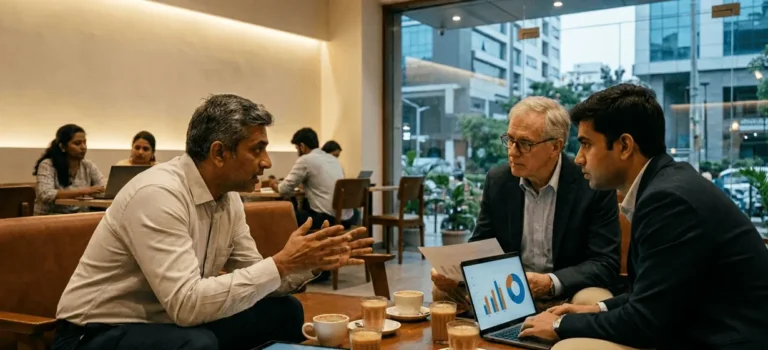
To understand the Vedas is to explore the blueprint of a civilization that sought to harmonize the internal spirit with the external universe.

The Fourfold Structure of Vedic Literature

The Vedic corpus is divided into four primary texts, each serving a distinct liturgical and philosophical purpose.

1. Rig Veda: The Book of Mantra

The Rig Veda is the foundation of all Vedic knowledge, consisting of 1,028 hymns (Suktas) organized into ten books (Mandalas). These hymns are primarily addressed to deities representing natural forces, such as Agni (Fire), Indra (Thunder/Rain), and Surya (Sun). It explores the relationship between humanity and the divine through the lens of gratitude and cosmic order.

2. Sama Veda: The Book of Song

The Sama Veda is the “Veda of Chants.” While much of its text is drawn from the Rig Veda, it is rearranged specifically for musical rendering during rituals. It underscores the importance of vibration and sound (Nada) as a vehicle for spiritual elevation.

3. Yajur Veda: The Book of Ritual

The Yajur Veda serves as a guidebook for priests. It contains the prose mantras and instructions necessary for performing the Yajnas (sacred rituals). It is divided into two parts: the Shukla (White) and Krishna (Black) Yajur Veda, focusing on the mechanical and symbolic aspects of sacrifice.

4. Atharva Veda: The Book of Spell and Science

Often distinct from the first three, the Atharva Veda deals with the practicalities of daily life. It includes prayers for healing, protection against disease, and ethical conduct. It bridges the gap between high philosophy and the immediate needs of a functioning society.

The Evolution of Vedic Knowledge

Each of the four Vedas is further subdivided into four layers, representing a progression from external ritual to internal realization:
1. Samhitas: The core collection of hymns and mantras.
2. Brahmanas: Explanatory texts detailing the “how-to” of rituals.
3. Aranyakas: “Forest books” that begin to shift focus from ritual to meditation.
4. Upanishads: The concluding portions (Vedanta) that explore the nature of the soul (Atman) and the ultimate reality (Brahman).

Core Teachings and Philosophical Pillars

The teachings of the Vedas are vast, but they are anchored by several “Mahavakyas” (Great Sayings) and fundamental concepts that continue to influence global philosophy.

1. The Cosmic Order

The concept of cosmic order is perhaps the most vital Vedic contribution to ethics. It suggests that the universe operates on an inherent, rhythmic order. The seasons, the movement of stars, and the cycles of life are all governed by cosmic order. Human morality (Dharma) is seen as the act of living in alignment with this cosmic rhythm. When we act selfishly or destructively, we disrupt cosmic order; when we act with integrity, we sustain it.

2. Vasudhaiva Kutumbakam: The World is One Family

A recurring theme in Vedic thought is the radical unity of existence. The Vedas teach that the same spark of consciousness resides in all beings. This isn’t just a social sentiment but a metaphysical claim: because we all share a common source, the suffering of one is the suffering of all. This teaching serves as the foundation for non-violence (Ahimsa) and compassion.

3. The Quest for Truth (Satya)

The Rig Veda famously proclaims: “Ekam Sat Vipra Bahudha Vadanti”—Truth is One, but the wise call it by many names. This teaching fosters a unique sense of pluralism. It suggests that different religions, philosophies, and paths are simply different languages describing the same ultimate reality.

4. The Purusharthas: The Four Goals of Life

The Vedas provide a balanced framework for a fulfilling human life, suggesting that four objectives must be pursued:
• Dharma: Righteousness and duty.
• Artha: Material prosperity and security (necessary for a stable life).
• Kama: Aesthetic and emotional pleasure.
• Moksha: Spiritual liberation and freedom from the cycle of rebirth.

The Concept of Yajna: Sacrifice as Service

In the Vedic period, the Yajna (fire ritual) was the central act of worship. However, the teachings make it clear that the physical fire is a symbol for the internal fire of transformation.

The core philosophy of Yajna is Idam Na Mama (“This is not mine”). By offering clarified butter or grains into the fire, the practitioner practices detachment from material possessions. In a modern context, Vedic teachings interpret Yajna as Seva—selfless service. Any action performed for the benefit of the community or the environment, without ego, is considered a Vedic sacrifice.
Relevance in the Modern Era

Despite being millennia, old, Vedic teachings offer profound solutions to contemporary challenges:
• Environmental Stewardship: The Vedas deify nature. By viewing rivers as mothers and forests as sacred, Vedic thought promotes a sustainable relationship with the Earth, contrasting with the exploitative view of nature as a mere “resource.”
• Mental Well-being: The Vedic emphasis on meditation and breath work (further developed in Yoga) provides tools for managing the stresses of the modern digital age.
• Social Cohesion: The principle of Atman—that the same divinity is in everyone—is a powerful antidote to discrimination and social division.

Conclusion

The Vedas are not merely dusty relics of a bygone era; they are a living “manual for humanity.” They do not demand blind faith but rather invite inquiry (Jigyasa). By teaching us to see the divine in the mundane and the infinite in the finite, the Vedas encourage a life of purpose, balance, and profound connection.

As the ancient prayer from the Brihadaranyaka Upanishad beautifully summarizes:
Lead us from the unreal to the Real. Lead us from darkness to Light. Lead us from death to Immortality.

The Voice Between Silence.

The Voice Between Silence.

A WOMAN SHOULD NOT HAVE TO SHRINK TO BE LOVED. MARRIAGE MUST HOLD SPACE FOR HER GROWTH, NOT SILENCE HER IDENTITY.” HARVINDER JAIN, AUTHOR.

By Roshika Chand

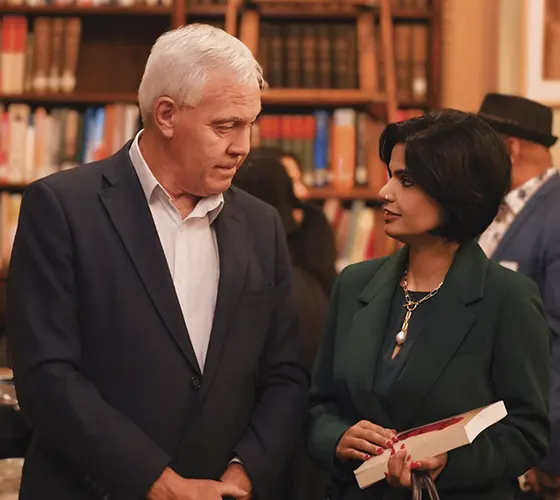
I’ve always believed that when you understand your purpose and your “why,” the One above aligns you with the right people at the right time.A warm evening in January this year I was invited to a book launch, arriving with curiosity, not knowing what the evening would hold. What unfolded was a story, both beautiful and thought-provoking, that stirred something deeply familiar within me. For me, it wasn’t about marriage itself, but what it can represent in culture: the quiet shaping and at times, silencing of a woman’s voice and identity.

There were moments growing up where silence seemed to be the safer language, where certain parts of me were gently guided to be quieter, softer, less seen. But something within me never quite learnt that dialect. It questioned, it felt, it remained. And perhaps that quiet defiance was never resistance but a calling. A calling to one day to give voice to what often goes unspoken.

In Wifed in India, Harvinder Jain captures a journey that echoes what many of us have witnessed or experienced. The story explores the complexities of marriage within traditional expectations. Where identity, sacrifice, and societal pressure often intertwine. It reveals the tension between personal desires and the cultural role of being a “wife,” while gently unfolding themes of emotional struggle, resilience, and self-discovery.

More than a narrative, the book invites reflection. It brings awareness to evolving gender roles and challenges long-held norms, ultimately reminding us that every woman deserves the space to find her voice within or beyond marriage.

For me, this wasn’t just a book launch. It was a moment of alignment. A reminder that the stories we are drawn to are often the ones we are meant to tell.
Interview with Harvinder Jain Author of Wifed in India

1. What inspired you to write Wifed in India? Was there a personal moment or experience that sparked the story?
Wifed in India is deeply inspired by my lived experiences after marriage. I married outside my
religion, caste, and socio-economic background, and suddenly found myself navigating a completely new social ecosystem.

The unspoken hierarchies, unfamiliar rituals, and subtle expectations were very different from the secular, disciplined environment I grew up in as the daughter of an Army officer.
What struck me the most was how little preparation women receive for navigating these complex social dynamics. We are educated for careers, but rarely taught how to navigate the emotional, cultural, and relational fabric of marriage.

That realisation became the seed of Wifed in India. It also led me to explore what I now call Relationship Intelligence, the ability to understand relational dynamics while remaining
authentic to oneself.

2. The title is very powerful. What does “Wifed” mean to you, and what message were you hoping readers would take from it?
“Wifed” represents a transition. The moment when a woman moves from being an individual to being defined through a role.
In many cultures, especially in South Asia, marriage can quietly reshape a woman’s identity.

Expectations around behaviour, loyalty, duty, and sacrifice suddenly expand.
The word “Wifed” captures that moment of transformation, sometimes empowering, sometimes confusing, and sometimes deeply challenging.
CONTD. ON PG 20
CONTD. ON PG 19

Through the title, I wanted readers to reflect on an important question:
Can a woman remain authentic to herself while honouring the role of a wife?

3. Many women may relate to the themes in your book. What conversations do you hope this story opens in society?
I hope the book opens a deeper conversation about marriage in modern society.
For a long time, women have been told that endurance and sacrifice are the greatest virtues of a wife. I want to gently challenge that stereotype.
With changing economic realities and evolving social roles, we must redefine the role of a wife at a societal level as well in a way that holds space for her to grow as an individual and refine herself while proudly pursuing her skills and aspirations.

This is where Relationship Intelligence becomes important, the ability to navigate emotional dynamics, cultural expectations, and personal identity within relationships.
Through Wifed in India, I hope people begin discussing marriage not as a fixed cultural script, but as a relationship that requires awareness, empathy, and mutual growth.

4. What was the most emotional or challenging part of writing this book for you?
The most challenging part was revisiting the emotional moments that shaped the journey.
Writing requires honesty, and sometimes that means returning to experiences that were confusing or painful at the time.

But I also realised that those moments were not just my story, they reflected struggles many women quietly go through.
Transforming those experiences into something meaningful for readers was both emotional and deeply fulfilling.

5. What do you hope readers feel or reflect on after finishing Wifed in India?
I hope readers feel seen and understood.
Many women believe their struggles in marriage are personal failures, when in reality, they are navigating complex cultural and relational systems.
If readers finish the book with a deeper awareness of themselves and their relationships and begin developing Relationship Intelligence in their own lives, then the book has served its purpose.

Final Note to your readers Harvinder…If you could say one thing directly to women who may see parts of themselves in your story, what would it be?
You are not alone.

Your voice, your identity, and your dreams do not disappear after marriage, they evolve.
The real journey is not choosing between love and authenticity. The real journey is learning
how to find alignment between the two in a way that supports your aspirations in life.
Story by Roshika Chand

Coffee Time – Tax Update for Business Owners

Coffee Time – Tax Update for Business Owners

Saving tax probably won’t let you retire at 45. It probably won’t make you a millionaire. It might, at best, upgrade you from a regular latte to the one with oat milk and a fancy sprinkle of cinnamon.


But none of that matters — because paying tax still feels like voluntarily donating your wallet to the Government. So grab your coffee and let’s make tax at least mildly entertaining.
—–
$20,000 Instant Asset Write-Off… Still Not Dead

Surprise surprise – the Governement has extended a tax rule they kept saying is “temporary.”
The instant asset write off started 1 July 2023 and was meant to end on 30 June 2024.
Yet here we are in March 2026 being told it will be extended to 30 June 2026!
If your business has aggregated turnover under $10 million, you can immediately deduct the business portion of eligible assets costing less than $20,000.

A few key points (before you impulse-buy something shiny):
• Asset must be first used or installed ready for use between 1 July 2025 and 30 June 2026.
• The $20,000 limit applies per asset — meaning multiple assets can be written off.
• It applies to both new and second-hand assets.
• Some exclusions apply — so perhaps call us before converting your “tax strategy” into a Louis Vuitton handbag.
Remember: it’s a deduction, not a 100% rebate. The ATO is not buying you a jet ski.
—–
Businesses Using Cash to Dodge Obligations

The Australian Taxation Office (ATO) is “cracking down” on businesses that treat cash like an invisibility cloak.
The usual red flags include:
• Not reporting all sales and skipping receipts.
• Avoiding GST, income tax, PAYG withholding, super guarantee, insurance and workers’ compensation.
• Magically reporting income just under the $75,000 GST threshold.
• Underpaying workers or ignoring award conditions.
• Undercutting honest businesses by offering “cash-only discounts.”

Workers paid “cash-in-hand” often lose out on super, protections, and coverage if injured.
In short: if your business model relies on pretending it’s 1987 and EFTPOS doesn’t exist, the ATO would like a word.
You’ve been warned.
—–
Contractors and Selective Memory

If you ever chat to the ATO, they’ll tell you contractors sometimes develop convenient tax-time amnesia.
Through data matching, the ATO can see payments made to contractors — even if the contractor “forgets” to declare them.

Industries that routinely report subcontractor payments include:
• Building and construction
• Courier services
• Cleaning
• Information technology
• Road freight
• Security and surveillance

So when a contractor declares suspiciously low income, the ATO’s systems politely whisper, “That’s interesting…”
The cure for ATO-induced amnesia? Audits, interest, and large fines. Highly effective. Very uncomfortable.
—–
Government Payment Programs

If you receive government payments for delivering services under Commonwealth programs (healthcare, disability support, childcare etc.), the ATO is watching closely.

This includes payments such as:
• Aged Care subsidies
• Income under the National Disability Insurance Scheme (NDIS)
The ATO has updated its Government Payments Program data-matching protocol and has been contacting taxpayers and agents to ensure income is correctly reported.
Obligations are simple:
• Keep accurate records.
• Report all income received.
“Oops, I didn’t realise that counted” is not a recognised accounting method.
—–
Check Your GST Credits Before Lodging BAS

If you’re registered for GST, you can claim input tax credits on business purchases.
But:
• If something is partly private use, you must apportion it.
• No tax invoice? Don’t claim.
• Cancelled or reversed purchase? Don’t claim either.
• No GST in the price (e.g., bank fees)? Definitely don’t claim.

Example: If you buy a car for ride-sourcing (say driving for Uber), you can only claim GST credits on the business-use percentage.
And even if you have nothing to report — you must still lodge a nil BAS on time.
Remember – silence is not a lodgment strategy.
—–
$61,000 of “Work-Related” Expenses… Really?

A recent case before the Administrative Review Tribunal (ART) is a masterclass in what not to do.
A full-time engineer working from home two days per week claimed over $61,000 (!) in deductions in one year. This included:
• Car expenses
• Travel expenses
• Clothing
• Home office costs
The ATO disallowed most of it. The ART agreed.
Why?
Because the evidence didn’t stack up.

For example:
• Logbook entries didn’t match independent records (hard to be “driving to Melbourne” when your car is getting a gearbox replaced in Sandgate, QLD) or you are in Rockhampton but at the same time passing through the tolls on Gateway Motorway
• Ride-share receipts lacked dates, times, and destinations.
• Home office claims were estimates without proper supporting documents.
The ART was not convinced the apportionment was fair or reasonable.
In short:
• Claims must make sense.
• Documents must support them.
• Records must not contradict reality.
• And $61,000 in work-related expenses for a salaried engineer was…lets be honest…. A bit optimistic.
Never assume the ATO is foolish. More often than not, it’s the taxpayer who ends up looking foolish — and considerably poorer.
—–
Final Sip
Disclaimer (Because Lawyers Make Us):

This has been your dose of ATO and taxes bureaucratic drama and financial soap opera.
Look, we’ve done our best to make this info helpful, accurate, and only mildly boring. But don’t go quitting your business, selling your house, or launching a crypto empire based solely on what you’ve read here. This is general advice – not a personalised financial horoscope.

If you’re thinking of acting on any of it, please chat to a real-life professional (preferably one who’s qualified, not just good at Monopoly or one that sits in the pub). Professionals can help make sure the advice actually fits your situation and doesn’t end in a surprise ATO love letter.

And if you are silly enough not to speak to me or a professional don’t think that somehow we are responsible for your silliness.

Holy Moley…. What Happening

Holy Moley…. What Happening 

How to Work Less, Earn More & Create Outstanding Wealth

THERE’S EVEN MORE WHEN IT COMES TO THE STOCK MARKET. YOU SEE THE STOCK MARKET SEEMED A BIT HOT WITH SOME LARGE AND UNREALISTIC VALUES, SO A CORRECTION HAD ALREADY STARTED.

It seems every so often Trumpie decides that the world is too calm and needs a bit of excitement.Normally his weapon of choice is tariffs, and he lobs them about like confetti at a happy wedding. Except there is no happy wedding. Just confusion and uncertainty. More divorce than wedding come to think of it.

Anyway, tariffs, cause havoc when it comes to the stock market which results in massive drops in investments. That then make you and me very unhappy. If you are retired or near retirement it also becomes a bit scary as you see your superfund balances blow up.
But this time he has decided that tariffs won’t work when it comes to Iran because, well, Iran doesn’t sell the US anything. And despite US efforts to try to get the world not to buy from Iran they have failed. Miserably.

In December alone Iran exported 1.9 Billion barrels of oil mostly to China, India and Europe.So, what to do? The only thing he can do – bomb them into surrender and take over the oil supply. He will tell you it’s about nuclear weapons and Iran’s instability and so a regime change is required. I’m not so sure.

It’s about oil and he believes bombing is the route he needs to take to get it.
First a bit of history. The western world is terrible when it comes to regime change. That’s because they have no idea who will take over once the guns have stopped. Think Libya. Then Iraq. They stuck a pole up Saddam Hussain and then what happened?

The country fell apart. We stormed into Afghanistan got rid of the Taliban and now look who runs it. Yes, you guessed – the Taliban. In Africa and Pakistan, they work out beforehand that before you decapitate the leader you need a new leader in waiting. The West don’t do that.

Then you have Trump’s ego. He went into Venezuela and they all immediately dropped to their knees and gave up the oil supply agreed to live as slaves. And that made Trump feel he was invincible. Except he is not because the Iranians are not Venezuelans. They are made of stronger stuff.

So, when Trump says he will kill all Iranians they shrug their shoulders and say ‘We don’t care if you kill us but we are going to do make your life hell.’
And that what makes this war different. You cannot negotiate with those willing to die for their cause.

And because America thought it would be easy, they never thought about what happens it if gets hard.Iran has decided it will blast any oil tanker to smithereens they can which means gas and oil cannot leave what is known as the Strait of Hormuz. This then is a catastrophe. And this catastrophe will result in higher aviation fuel and more importantly what we pay for our petrol and diesel. And before all the people with Electric Vehicles start feeling a bit smug, electricity prices will go up too. It’s already started to happen.

And that’s a catastrophe too because higher fuel prices will result in higher inflation which will result in higher interest rates which means higher mortgage payments which then means your pocket is now empty. Not good news.

There’s an additional problem. Stock markets hate bombs as much as they hate tariffs.
So, there are lots of people wailing and running around the room with their arms in the air thinking the world is going to end. All this wailing and gnashing of teeth results in the stock market going bananas and bonkers. Economists become a bit anxious too.

There’s even more when it comes to the stock market. You see the stock market seemed a bit hot with some large and unrealistic values, so a correction had already started.
Last couple of weeks? My portfolio has been a sea of red. Holy Moley it was depressing with falls all over the world as panic selling of stocks saw massive losses across the board.

My kids who keep an eye on their investments saw drops they are not usually used to seeing and feared their house deposits were about to become a McDonalds meal.
Whenever the global political situation becomes unstable everyone fears the worse. They think house prices will collapse, or the entire world will go into recession that will last forever.

So, if you are in that scary space should you really be scared?

Honest answer? I haven’t got the foggiest. Asking me to predict the future is suggesting I have the powers of God. And although I will tell you I am a genius I draw the line at being omnipresent. Or a fortune teller.
One thing I can tell you. If oil prices remain high, we are going to have a problem. A big one.

But here is another thing what I can tell you. History suggests that this scary financial time will even out and become calm.
Think of the Ukraine war. When it started, world stock markets went into meltdown and lead times for supplies became stupid. Oil process went nuts then too. But markets worldwide recovered and went up. When tariffs were announced? Same thing. Recovery and then all-time highs.

Below is a graph of the Australian stock market from 1900 to 2020 which I have extracted from my book The Passport to Wealth and Real Financial Freedom for Business Owners.


Joy Is Not a Reward It’s a Choice We Forget to Make

Joy Is Not a Reward It’s a Choice We Forget to Make

Let’s be honest, life does not move in straight lines. It rises, it falls, it surprises us, and at times, it asks more than we feel ready to give. No one is immune to this rhythm. Not the most disciplined, not the most self-aware, not even those who appear to have mastered it all.
And yet, within that unpredictability, there remains one constant: your response is still yours.
We often treat joy as something conditional. Something that arrives after the work is done, after the stress is resolved, after life settles into something more manageable. But if you look closely, that moment rarely arrives in the way we expect.
Joy, in truth, is not a reward. It is a decision, one that is often available far earlier than we allow.
This is where many people quietly disconnect from themselves.

We have become highly practised at identifying what is wrong. We analyse stress, anticipate problems, and prepare for discomfort. But when something feels good when there is ease, lightness, or even a brief moment of contentment, we hesitate, we question it and we move past it too quickly.

There is an unspoken belief that we must earn our joy.
From a psychological perspective, this hesitation comes at a cost. Research from Martin Seligman and the field of positive psychology shows that emotions such as joy, gratitude, and calm are not just “nice to have” they actively expand cognitive flexibility, improve decision-making, and strengthen resilience.
In simple terms, joy helps you handle life better. But beyond theory, the body already knows this.

When you allow yourself to feel even a small moment of ease, the nervous system shifts. Breath deepens, muscles soften, perception widens. You are no longer operating from contraction, but from space.
And space changes everything.

So how do you choose joy, especially when life does not feel particularly joyful?
Not by forcing positivity. Not by denying what is real.
But by widening your awareness.
Instead of asking, “How do I feel better?” A question that often creates pressure, ask something far more accessible:
“What, in this moment, feels okay?”
Not perfect or ideal, just okay.

It could be the feeling of your feet on the ground. A moment of stillness between thoughts. A conversation that feels slightly easier than expected. These are not insignificant details, they are entry points.
The nervous system does not require grand gestures to recalibrate. It responds to what is present and acknowledged.

When you begin to notice these moments, something shifts. You move from waiting for joy to recognising that it has been quietly available all along.
This is the turning point.

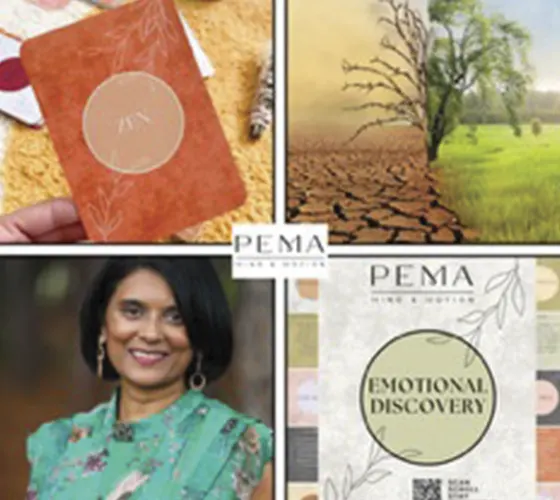
In my work with emotional processing and structured reflection tools, particularly through frameworks like the Mind and Motion approach, we see this consistently. When individuals are given language to identify what they are feeling, without judgement or urgency to fix it, the body often moves naturally towards resolution.
And within that resolution, there is often an unexpected emergence of lightness.
Not because life has changed but because the internal state has.
A Vedic Lens | Joy as Your Natural State

Ancient Vedic philosophy offers a perspective that feels both simple and profound: joy is not something you create, it is something you uncover.
The state referred to as ānanda describes a deep, inherent bliss that exists beyond external circumstance. It is not dependent on outcomes, achievements, or control. It is considered the natural essence of being.

As written in the Taittiriya Upanishad:
“From bliss all beings are born, by bliss they are sustained, and into bliss they return.”
This insight reframes the entire conversation.
If joy is foundational, then the question is no longer “How do I find it?” but rather,
“What is getting in the way?”

More often than not, the barriers are familiar, mental noise, physical tension, and the habit of postponing ease until conditions feel right.
Yet when you pause, breathe, and allow yourself to be present, even briefly those layers begin to soften.
And what remains is not something new, but something remembered.
Returning to Choice

Life will continue to move in cycles. There will be moments that challenge you, stretch you, and at times, unsettle you.
But within all of that, there is always a quieter layer available.
Choosing joy is not about ignoring difficulty. It is about meeting life with a nervous system that is not entirely consumed by it. It is about allowing space for something softer to exist alongside what is hard.

And that choice, while simple, is powerful.
Not because it changes the external world immediately but because it changes how you move within it.

Joy, then, is not something distant or reserved for better days.
It is something you can return to again and again through awareness, permission, and the willingness to feel what is already there.

Explore Further

The Mind and Motion Cards offer guided reflections like this to support your personal growth journey. These tools are designed to complement, not replace, professional support.
Available in English and Neutral Spanish. For more resources or to purchase the deck, please visit https://www.monicapema.com/mindandmotiondeck
Monica Pema | Integrated Wellness Expert

MSc. Psychology
“From Passion to Purpose in All Walks of Life”

This article is intended for self-reflection and general education only. It is not a substitute for professional medical, mental health, or psychological care.

Setting the right insurance on your property

Setting the right insurance on your property

By Sandy Deo
REMAX Landmark

INSURANCE AFFORDABILITY AND AVAILABILITY ARE GROWING CONCERNS FOR BOTH OWNER OCCUPIERS AND LANDLORDS. WITH SUCH A SIGNIFICANT FINANCIAL INVESTMENT IN THE PURCHASE OF PROPERTY, THE NEED TO PROTECT YOUR ASSET AGAINST POTENTIAL DAMAGES IS CRUCIAL FOR LONG-TERM SECURITY.

Property owners understand the importance of ensuring they have the right insurance in place. It protects our greatest assets. However, property insurance is not a “set and forget” exercise and if you are not actively reviewing your policy, you could be hit with a significant increase in costs, or worse, find your property to be underinsured.

Insurance affordability and availability are growing concerns for both owner occupiers and landlords. With such a significant financial investment in the purchase of property, the need to protect your asset against potential damages is crucial for long-term security.

The Australian Prudential Regulation Authority (APRA) estimates around one in seven Australian homes are currently uninsured. The regulator recently undertaking an Insurance Climate Vulnerability Assessment*, exploring how a changing climate could affect home insurance affordability and the insurance protection gap (the extent to which losses impacting home are not covered by insurance) in decades ahead.

Like any investment strategy, understanding risk is a significant part of the overall picture and should be well considered. Ensuring the right protection is in place for your rental property should regularly be reviewed as part of your portfolio.

Factors such as inflation, natural disaster and higher claim costs are contributing to rising premiums across the board. It’s important you are aware and have clear understanding of exactly what is – and just as importantly, what isn’t – covered in your policy, should the need to utilise it arise.

If you haven’t reviewed your investment property’s insurance policy recently, now is a great time to do so. Make sure your cover is up to date and aligned with your needs. While premiums are rising, there is still competition in the market, so it may be worth shopping around to ensure you’re getting the right level of cover for your investment.

*APRA stress test shows how the widening home insurance protection gap may impact Australia’s financial system resilience | APRA

Credit: REMAX Australia

Medicare Urgent Care Clinics Provide More Care Than You Think

Medicare Urgent Care Clinics Provide More Care Than You Think

Medicare Urgent Care Clinics (UCCs) provide quick, convenient medical care for a wide range of health problems, ones that are not a life-threatening emergency.

Common Urgent Conditions that can be treated at Medicare Urgent Care Clinics include:
• minor infections, cuts and wounds
• minor fractures, sprains, sports injuries and neck and back pain
• urinary tract infections (UTIs)
• insect bites and rashes
• minor eye and ear problems
• respiratory illness
• gastroenteritis
• mild burns

Testing and Treatment for STIs

From 1 December 2025, Medicare Urgent Care Clinics can also provide testing and treatment for sexually transmissible infections (STIs) such as syphilis and other STIs when they have symptoms such as:
• sores or ulcers
• skin rashes
• unusual discharge
• pain or burning when urinating
• other symptoms that may suggest an STI
Testing and treatments are also available for people with risk factors who need urgent testing and/or treatment.

If pregnant, clinics may also offer opportunistic syphilis testing, which helps protect both the mother and the baby.


Please remember that many people with an STI do not show any symptoms and you should go to your regular GP for testing if you are sexually active. These tests are recommended once a year or when you change sexual partners.
Early testing and treatment help prevent complications and reduces the spread of infection in the community.
HIV Post-Exposure Prophylaxis (PEP)

PEP is a short course of medication that can prevent HIV infection after possible exposure.
PEP must be started as soon as possible and within 72 hours (3 days) of exposure.

Possible situations where PEP may be needed include:
• condom breakage during sex with someone who may have HIV
• sharing injecting equipment with someone who may have HIV
• other possible exposure to blood infected with HIV
Previously, people could usually access PEP only through hospital emergency departments, sexual health clinics, or some GPs can prescribe HIV medication. Some Urgent Care Clinics enable people to access PEP quickly, which is important because the medicine works best when started as early as possible.

Medicare Urgent Care Clinics are:
• Bulk billed – you do not pay for the visit
• Walk-in – you do not need an appointment
• Open long hours – usually 14 hours a day, every day, including public holidays
To find your nearest clinic, visit: health.gov.au/MedicareUCC
Translated information can be accessed at www.health.gov.au/find-a-medicare-ucc/translated-resources

Please visit our webpage at www.eccq.com.au/bbv or call one of our team members who can assist you in your preferred language.


Mateship, Resilience, and Community Reflecting on ANZAC Day and Our Shared Future

Mateship, Resilience, and Community Reflecting on ANZAC Day and Our Shared Future

I’m delighted to begin this April edition of the Australian Indian Times by acknowledging a significant date in our calendar, 111 years since Australian and New Zealand troops first landed during the Gallipoli campaign. ANZAC Day offers us a time to reflect on the sacrifices made by soldiers and animals who served with courage and dedication.

This year, I will be marching and attending the Forest Lake RSL Sub Branch ceremony at the Lake Parklands in Forest Lake. I still recall attending this service when I was around four years old, which makes it especially meaningful to return and take part alongside my school friends and community leaders. I encourage you to attend a local service or simply place a candle at dawn and pay your respects from home. For more information, please contact your local RSL.

This is a significant day in our national calendar. The Australian and New Zealand Army Corps was established in 1914 in Egypt, bringing together the Australian Imperial Force and the New Zealand Expeditionary Force. The name “ANZAC” has become a lasting symbol of mateship, resilience, and sacrifice. It is also important to recognise the contributions of Indian and British soldiers who fought alongside the ANZACs. Around 16,000 Indian troops served in the Gallipoli campaign, with approximately 1,600 losing their lives. Their bravery remains an important part of our shared history.A highlight from last month was participating in the Cancer Council fundraiser coordinated by Kylie Gates. A heartfelt thank you to Mandeep Kaur, Vice President of GOPIO Brisbane, for taking part in the walk. I’m also grateful to readers of the Australian Indian Times as one participant shared that they discovered the event through this column.
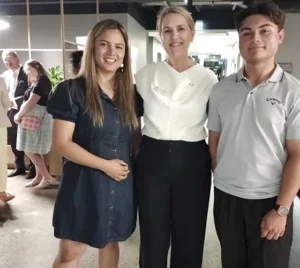
Together, we raised an incredible $7,500 for cancer on the day. A big thank you to all our readers who joined their local “Chicks in Pink” fundraiser walk or supported the cause in their own way

This month, I also had the pleasure of sitting down with Will, co-owner and pharmacist at Discount Chemist Doolandella. We spoke about a new trial offering flu vaccinations for children under five using a nasal spray instead of a needle, an initiative that has been very well received locally. (As always, please consult your local pharmacist for advice and eligibility.)

Originally from South India, Will has lived and worked across the world—from Dubai to regional Australia—before settling locally. Fluent in multiple languages, he has created a welcoming pharmacy environment that reflects the diversity of our community. His approach is simple yet powerful: a smile, genuine care, and a commitment to building one-on-one relationships. I was honoured to join him as he celebrated his first year anniversary in business, marked by community education, a family-friendly petting zoo, and plans for future events.

I’ve been incredibly encouraged by the positive feedback from readers. This is why I also want to highlight a growing local and international concern—the rising cost of fuel. Reports, including coverage from multiple news outlets and everyday observations across our communities, suggest that fuel supply pressures could lead to increased costs when buying groceries or dining out, impacting households and farmers alike. Increased transport costs inevitably flow through to everyday expenses, placing added pressure on families.
There is also ongoing discussion around electric vehicle subsidies by the Federal opposition, and future energy solutions with the Queensland Government exploring oil opportunities in regions such as the Taroom Trough to bring down cost and making us less dependent with getting it overseas. At the time of writing, diesel prices in some areas are exceeding $3.30 per litre, with unleaded fuel averaging around $2.50–$2.60 across Brisbane, the Gold Coast, and Ipswich. Many predict prices will be around $4.00 before the end of April.

During these times, I encourage everyone to explore practical ways to ease financial pressure—whether it’s checking eligibility for community transport support (Council cabs), considering carpooling, looking into electric vehicles and salary sacrificing, or even growing your own vegetables at home. Personally, I’ve started walking more, gardening, and sharing produce with neighbours. These small steps not only help financially but also strengthen community connections. Now more than ever, compassion and mateship are what define us as Australians.

Please also take care of your mental health. I’ve recently joined the Wolston Park Cricket Club social cricket sessions—just $10 a game, open to all ages and abilities. It’s a fantastic way to unwind, stay active, and connect with others. In a world full of pressures, it’s important to pause and remember what truly matters—our families, friends, and community. I also had the pleasure of attending the 2026 City of Logan People’s Excellence Awards, where I caught up with Cr Nathan St Ledger and Cr Scott Bannan, both of whom are passionate about youth mental health and its importance.

I was also inspired attending a recent community gathering titled “Give to Gain – Strengthening the Indian Diaspora in Queensland”, with leaders from GOPIO and the Ethnic Communities Council of Queensland, alongside dedicated individuals such as Senator Paul Scarr and Lord Mayoress Nina Schrinner. My sincere thanks to Dr Priya Jaganathan, Usha Chandra, and all involved for their warm hospitality and continued leadership.

A special mention also goes to community champions and organisations supporting International Women’s Day celebrations, including ISCA, led by Roshni Sharma, and the many volunteers who made these events so meaningful. These are the groups that strengthen our multicultural community and provide support for both the mind and soul.
As always, thank you for your continued support, and I wish everyone celebrating Easter a safe and happy holiday. Please don’t hesitate to reach out if there is anything I can assist with or if you have a story to share.

Connect @ Mahamane Inspires Community Through Values, Learning and Youth Leadership

Connect @ Mahamane Inspires Community Through Values, Learning and Youth Leadership

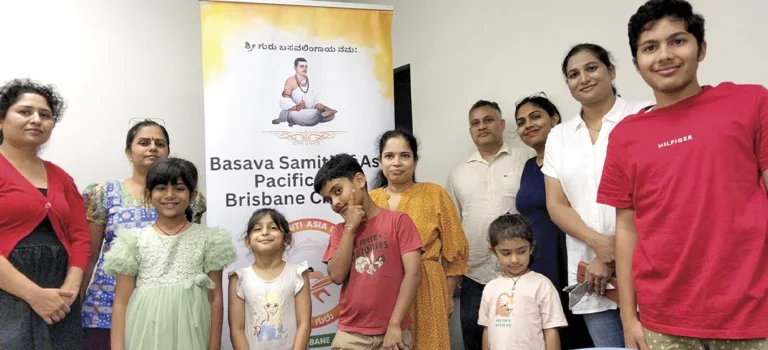
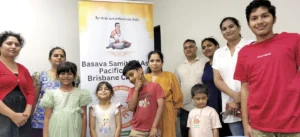
An engaging gathering at Mt Ommaney Library highlights values-based living, intergenerational learning and community connection Brisbane, 21 March 2026 — The Connect @ Mahamane gathering, held at Mt Ommaney Library, brought together community members for an evening of interactive learning, cultural reflection and meaningful connection. The event showcased how values-based initiatives can strengthen communities while empowering individuals across all age groups.
Organised by Basava Samiti Asia Pacific Ltd, the event aimed to highlight the charity’s mission of promoting values-driven living inspired by Guru Basava, the 12th-century social reformer known for his teachings on equality, compassion and ethical conduct.

Building a Values-Driven Community

At its core, the event emphasised the importance of creating a supportive and inclusive environment where individuals can grow personally while contributing positively to society. Through its programs, the organisation continues to foster intergenerational learning, encouraging people of all ages to share perspectives, experiences and values.
“Events like Connect @ Mahamane create a space where values are not just discussed, but experienced and practised,” a volunteer shared.

Interactive Learning in Action

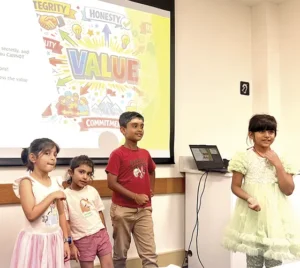
One of the most engaging segments of the evening was the interactive activity “Act the Value”, where participants expressed values through short role-plays. This was followed by “Guess the Value”, where attendees identified values from real-life scenarios, sparking thoughtful discussions and collaborative learning.
These activities encouraged participants to reflect on how values are applied in everyday life, making the experience both educational and enjoyable.

Youth Leadership Takes Centre Stage

A standout moment of the event was the inspiring leadership of Saketh, a 15-year-old Year 10 student, who confidently facilitated the interactive sessions. His ability to engage both children and adults demonstrated the impact of youth leadership in community initiatives.
Children actively participated by acting out values such as kindness and honesty, bringing energy and enthusiasm to the sessions.
“Seeing young leaders step forward with confidence reflects the strength of our community and the future we are building,” an attendee noted.

Reflecting on Basava Jayanthi and Timeless Teachings

The event also featured a dedicated session on Basava Jayanthi, offering participants a deeper understanding of its significance. Discussions centred on the teachings of Guru Basava and their continued relevance in modern society.
The exploration of the Vachana “Chalabeku Sharange” encouraged attendees to reflect on its meaning and apply its message to their daily lives, fostering both cultural awareness and spiritual insight.

A Strong Sense of Community

The evening concluded with the sharing of prasad, reinforcing a sense of togetherness, belonging and community spirit. Participants left with not only new insights but also a renewed commitment to practising values in their everyday lives.

Callout: About Basava Samiti Asia Pacific

Basava Samiti Asia Pacific Ltd is an international charity dedicated to promoting Engage, Educate, Empower and Enlighten (4Es) through innovative programs such as Learn2Grow and Connect @ Mahamane. The organisation leverages technology, volunteerism and community engagement to build values-based, future-ready communities across Australia and New Zealand.

Key Takeaway

Values are best learned through experience.
Initiatives like Connect @ Mahamane demonstrate how communities can come together to learn, lead and live with purpose.

Jai Guru Basava