

Unity in Adversity: Navigating Australia’s Economic Winds Together
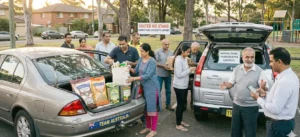
As we navigate the opening months of 2026, the “lucky country” is facing a season of profound testing. From the dinner tables of Harris Park to the community halls of Springfield, the conversation has shifted. It is no longer just about the aspirations of the future, but the practicalities of the present. We find ourselves at the intersection of a global energy crisis and a domestic economic tightening that hasn’t been seen in a generation.
The “Team Australia” banners currently visible across our cities are more than just a government campaign; they are a necessary call to action. With diesel supplies restricted and interest rates continuing their upward climb, the Australian Indian diaspora the community built on the pillars of hard work, family, and resilience, must once again lean into the values that have always seen us through.
The Economic Landscape
The reality is stark. The conflict in the Middle East has moved from the nightly news to our local service stations. When 170 stations across New South Wales and regional Australia run dry, it isn’t just a matter of convenience; it is a threat to the livelihoods of our small business owners, our logistics workers, and our families. Coupled with interest rates that have squeezed household budgets to their limits, many in our community are feeling the weight of “cost-of-living fatigue.”
However, crisis has a way of clarifying what truly matters. It forces us to move away from individualistic consumption and toward collective conservation.
The Power of “Sewa”: Supporting Each Other
Our strength has always been our social cohesion. Now is the time to activate those networks. We must look beyond our own front gates and ask how we can support those who are most vulnerable among us.
• Communal Purchasing: During previous economic downturns, Indian communities worldwide have found strength in “bulk-buying” groups. By pooling resources at local wholesalers for staples like rice, lentils, and oil, we can mitigate the impact of rising grocery prices. Consider organizing a neighbourhood “food co-op” through your local temple, mosque, or community WhatsApp group.
• Checking on the Vulnerable: The pressure of rising costs often hits our international students and seniors the hardest. If you have a spare room or a seat at your table, consider how you might ease the burden for a student struggling with rent. A simple phone call to an elderly neighbour to see if they need groceries picked up can save them a trip and provide much-needed social connection.
• Knowledge Sharing: Many in our community are experts in finance, medicine, and technology. We encourage those with professional expertise to offer “community clinics” or webinars sharing advice on mortgage refinancing, fuel-efficient driving, or managing health during stressful times.
Minimizing Travel: The New Logistics of Life
Saving fuel is no longer just about the environment; it is a vital economic necessity. Reducing our “fuel footprint” requires a shift in how we view movement.
1. The “Desi Carpool” Initiative: We are a community that moves in circles of family and friends. If four families are heading to the same weekend prayer service or community event, we should be using one vehicle, not four. Coordination is key. Let us make carpooling the cultural norm for the next six months.
2. Consolidated Errands: The era of “nipping out” to the shops for a single ingredient must pause. We should encourage a “Once-a-Week” shopping rule. Plan your meals, list your requirements, and execute one efficient trip.
3. Digital Integration: Where possible, we must continue to embrace the remote-work habits we learned during the pandemic. If your role allows for a “Work from Home” day, take it. Use video calls for community meetings that don’t strictly require a physical presence.
4. Localize Your Leisure: Australia is home to beautiful local parks and community hubs. Instead of driving an hour for a picnic, explore the hidden gems within walking or cycling distance of your home.
Resilience Through Spirit
In times of economic hardship, the temptation is to retreat into anxiety. But the Indian spirit is one of “Jugaad” and the ability to find innovative solutions within constraints. Whether it is refining our Ayurvedic routines to ensure we stay physically resilient or finding solace in the teachings of the holy books, we must maintain our mental and spiritual health.
As your publisher, I believe that this crisis will not define us by what we lost, but by how we came together. Senator Paul Scarr recently noted that consumer confidence is at a historic low, but I argue that community confidence should be at an all-time high. We have the skills, the cultural depth, and the mutual respect required to weather this storm.
Let us turn this period of rationing into a period of rationalizing and choosing family over luxury, community over convenience, and sustainability over waste. We have built lives in this beautiful country through perseverance. Today, that perseverance takes the form of a shared car ride, a bulk-bought bag of grain, and a steady handheld out to a neighbour.
Stay safe, stay connected, and let us move forward together as one Team Australia.
