GOPIO International Convention 2025 Opens in Brisbane
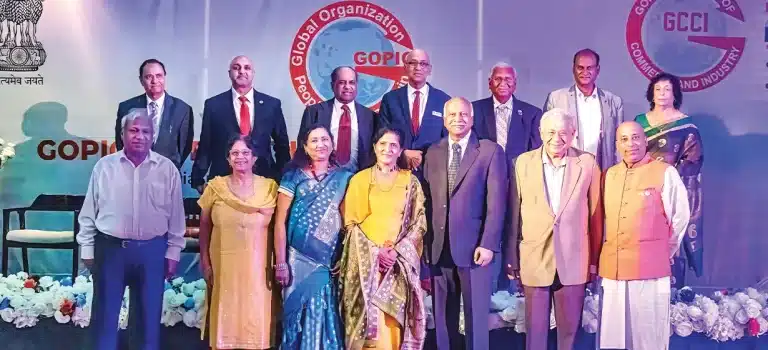
Brisbane, April 28, 2025—The much-anticipated GOPIO International Convention 2025 was opened successfully at the Brisbane Marriott, bringing together community leaders, dignitaries, and delegates from around the world. The event, convened by Umesh Chandra OAM, began at 6:00 p.m. with a seamless registration process managed by Priya Jaganathan and Irene Bayldon for the welcome reception night
Following registration, attendees enjoyed networking over drinks, courtesy of Marriott staff, at 6:30 pm. The evening officially opened at 7:00 pm when Zain Chama called the convention to order, followed by a respectful Welcome to Country to honour the Indigenous custodians of the land.
Umesh Chandra, the convenor, delivered an inspiring Welcome Speech for the Opening Night of the GOPIO International Convention on 28 March 2025. In his address, he expressed gratitude for the gathering, paid homage to the traditional custodians, and welcomed distinguished guests, including GOPIO International Chairperson Dr. Thomas Abraham, President Prakash Shah, and A/Inspector Andrew Dixon of the Queensland Police Service.
Umesh Chandra praised the efforts of the organising team and volunteers, emphasising the importance of collaboration and community unity. He also acknowledged the generous sponsors who supported the event and expressed excitement for the upcoming discussions, learning, and celebration.
Following the heartfelt speech, the program proceeded with welcoming remarks by Zain Chama, who set a warm tone for the evening. This was succeeded by the addresses of leadership by Thomas Abraham and Prakash Shah, who highlighted the organisation’s achievements and future vision.
A notable highlight was Prakash Shah’s presentation of a special award to Shaheen Mazeed of SABINSA at 7:20 p.m., recognising her significant contributions to the community. Shaheen Mazeed responded graciously, expressing her sincere appreciation.
The Tapori Squad then performed an energetic dance at 7:30 p.m., adding vibrancy to the evening’s proceedings. The formal program concluded with Kewal Kanda delivering the vote of thanks at 7:40 p.m., acknowledging all who contributed to the convention’s success.
Guests enjoyed a sumptuous buffet dinner served by Marriott staff at 7:45 p.m., which provided ample opportunity for networking and camaraderie. The festivities wrapped up with the opening of the dance floor at 8:30 p.m., inviting attendees to celebrate and connect further.
Overall, the GOPIO International Convention 2025 was hailed as a resounding success, fostering a spirit of unity, collaboration, and cultural exchange among the Indian diaspora community in Australia and beyond.
The legacy of struggle and sacrifice shaped who I am today — and it must never be forgotten.
By Jitendra Deo, Chief Executive Officer JD Group Australia
I was born in Fiji, and I am a fourth-generation descendant of a Girmitya. It is a heritage I wear with pride. To some, this may sound like a historical footnote — but to me, it is the foundation of my identity, values, and purpose in life.
The word “Girmitya” refers to the tens of thousands of Indian indentured labourers brought to Fiji between 1879 and 1916 under British colonial rule. These men and women, lured by promises of fair wages and opportunity, signed agreements — or girmits — that led them to the distant sugar plantations of the Pacific. What they found instead was back-breaking labour, harsh living conditions, and separation from everything they knew.
My ancestors were among them. They came with little, suffered much, and received less than what was promised. But they endured. They built communities, kept their traditions alive, and through resilience and hard work, laid the foundation for future generations. Their spirit lives in every Indo-Fijian family today — mine included.
Growing up in Fiji, I was surrounded by stories of my great-grandparents: stories of 4 a.m. mornings in the cane fields, of food shared among neighbours, of prayers offered in makeshift shrines, and of laughter that persisted even when life was hard. These weren’t just stories of hardship — they were stories of dignity and survival.
It is from them that I learned the meaning of perseverance. Their struggles gave me perspective; their sacrifices gave me strength. Today, as a business owner and community leader in Australia, I see their legacy in every opportunity I’ve had — and in the values I pass on to my two sons Ravneel and Soneel.
In recent years, I’ve felt a growing responsibility to ensure that the Girmitya story is remembered — not just as history, but as an ongoing legacy. Through the Deo Family Charitable Foundation, and the Fiji Girmit Foundation Australia, we’ve been hosting Girmit Remembrance Day for the past four years here in Australia. These annual events bring together descendants, scholars, artists, and youth to reflect on and celebrate the Girmitya experience.
In 2023, we launched the Fiji Girmit Legacy Awards, which recognize individuals who are preserving and promoting Girmit history and values in contemporary society. Over 20 remarkable community members have been honoured so far, representing fields such as culture, education, social justice, and leadership. Their stories inspire us — and ensure that the flame our ancestors lit continues to burn bright.
Yet, I believe we must go further. As our elders pass on, their memories risk being lost unless we act to document them. We need to invest in education, oral history projects, school curriculums, and digital archives that capture the full story of the Girmityas. We need our children to understand that the freedoms and opportunities they enjoy today were paid for by people who had none.
The Girmitya story is not one of victimhood. It is a story of resistance through survival. It is a story of culture maintained against the odds, of languages that crossed oceans, and of values — hard work, humility, and family — that remain central to who we are.
Being a descendant of a Girmitya is not just a matter of genealogy. It is a call to action. It reminds us to honour our past by building a stronger, more united future — rooted in the values our ancestors lived by.
As we approach yet another Girmit Remembrance Day, let us not simply remember — let us recommit. To education, to unity, and to honouring those who came before us by carrying their legacy forward.
I am proud of where I come from. I am proud to be a Girmitya descendant. And I will continue to work to ensure that pride is shared, celebrated, and passed on.
Celebrating Mothers, Confronting Violence, and Building Stronger Communities This May
I want to start this month’s article by wishing a very Happy Mother’s Day to all the incredible mums and mother-like figures in our community. Mother’s Day 2025, falling on Sunday, May 12, is a special time to honour the women who nurture, guide, and inspire us.
But for me and others, May is also a time of reflection—a moment to think about how we can extend that care and strength into our wider communities, creating spaces that are safer, more respectful, and supportive for everyone. May is also Domestic and Family Violence Prevention Month. This year’s theme, “Take positive action today to build a safer Queensland,” really resonates with me and many others. I believe change starts with each of us. Whether we’re coaching sport, teaching, running a business, or simply looking out for a neighbour, we all play a part in creating inclusive and safe communities. There’s no excuse for domestic or family violence—and no excuse to be a bystander.
I was especially moved by a recent conversation with a reader of Brisbane India Times—a Fijian-Indian community leader—who raised a powerful concern. She asked why there’s so little data on how domestic and family violence impacts multicultural, Indian, and First Nations communities. Her question was simple but important: “How can we address an issue if we don’t know how widespread it is?” She also pointed out that many women, men and youth affected by domestic and family violence are homeless or at risk of homelessness.
As I explored her concerns, I discovered that while some state-based data exists, detailed national statistics—especially from the Australian Bureau of Statistics—are hard to find or simply not reported. Maybe it’s time to rethink how we collect and share this information. Perhaps we need to include more specific questions in our national census or push for targeted public research. Good data is key to creating culturally appropriate and effective support services.
On a brighter note, many of you have asked for updates on recent community events—and there’s been so much to celebrate! In April, I was one of many volunteers at Brisbane’s Holi Festival at the Mount Gravatt Showgrounds. It was a vibrant burst of colour, culture, and unity. Thousands came together to celebrate, followed by a beautiful thank you dinner. I want to send heartfelt thanks to President Manish Saini and the incredible Bondita and Mithun Chakraborty from Sargam Music Academy and their team for making the entire event unforgettable. It was also so much fun catching up and throwing colour with community favourites JD and Shanjeshni Deo—always a joy to be around.
Speaking of people who inspire me, I want to publicly thank and acknowledge someone I truly admire—community leader Aprit Singh. Aprit is not only a dear friend but a passionate advocate who’s been volunteering since 2015. He’s left a lasting mark on Queensland’s multicultural space. Just in the past year, he’s helped deliver GOPIO’s most successful Gala Dinner, led an inspiring Women’s Council event, coordinated Gandhi Jayanti, hosted a youth picnic, and created an unforgettable musical performance at India Day Fair. His dedication is inspiring, and I’m so happy to share that India Day Fair 2025 will be held on Sunday, August 17 at the beautiful Roma Street Parklands. I can’t wait to volunteer again and see you all there!
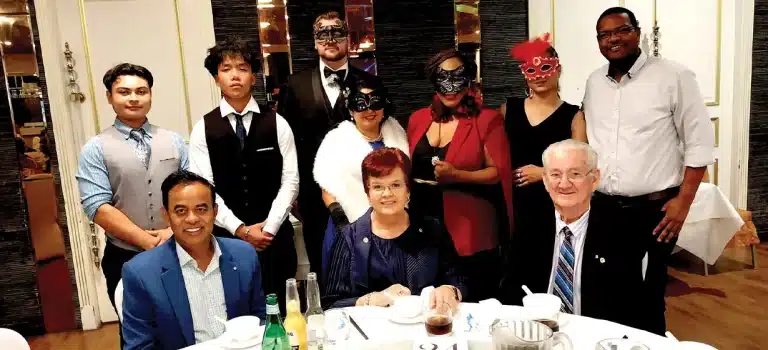
Another highlight for me this month was attending a fundraising Masquerade dinner in memory of the late Dr. Coung Bui. I was warmly welcomed by my friend Kheu Oanh Do, President of the Vietnamese Senior Citizens and Vietnamese in Australia – QLD Chapter. Kheu Oanh is a true trailblazer—the first Vietnamese woman to run for the seat of Inala—and her leadership continues to inspire across generations. Spending the evening with her and community advocate JD reminded me again how powerful it is when good people come together.
As one chapter closes, another begins. I’m thrilled to share that I’ve recently stepped into a new role as Public Relations Officer for Queensland Multicultural Council Inc. This opportunity allows me to keep doing what I love—amplifying diverse voices and building stronger cultural connections. A big thank you to Usha and team for your warm welcome and support. As a young person in the community, I’m genuinely excited for what’s ahead.
A lot of readers have also asked me about the environment—and it’s something I’ve been learning more about firsthand… through bees! While I’ve been studying and working towards my dream of becoming a doctor, I also took on a buzzing new challenge: beekeeping. Bees do so much more than make honey—they’re vital for pollination, our ecosystems, and our food supply. What began as a hobby has grown into a mission.
Special thanks to Kylie Gates for letting me run an info stall at her Easter Movie Night, and to Danny Blair from Aussie Home Loans Forest Lake and residents, who—alongside so many in the community—has been incredibly supportive. I’ve been learning how to protect wild bee populations, avoid harmful pesticides, plant bee-friendly flowers, and help restore natural habitats. If you’re curious, want to learn more, or even try some local honey—feel free to reach out to me at 0424 404 303!
Thank you to everyone who reached out and shared the issues that matter most to you. I look forward to next month’s article, where I’ll continue raising the voices and stories that make our community stronger.
Girmit: The Untold Story of the Indentured Labourers
Girmit, a term that resonates with deep historical significance, refers to the period when thousands of Indians were sent to Fiji, Trinidad, Guyana, and other British colonies as indentured labourers between the 19th and early 20th centuries. It is a story of struggle, resilience, and survival, as these labourers, often referred to as “Girmitiyas,” overcame brutal working conditions to forge new lives in foreign lands. While the history of Girmit has often been overlooked, it remains a vital chapter in the story of migration, colonization, and the shaping of the modern diaspora.
The Origins of Girmit
The story of Girmit begins in the 1830s, after the abolition of slavery in the British Empire. Following the end of slavery, plantation owners in the Caribbean and Pacific Islands found it increasingly difficult to find cheap labour for their sugar, cotton, and cocoa plantations. In response, the British Empire turned to a system of indentured labour, recruiting workers from British-controlled India to replace the enslaved Africans.
This system, known as “Girmit,” was a contract labour arrangement that promised workers a fixed wage, accommodation, and food in exchange for a set number of years of labour, typically five years or more. The term “Girmit” itself is derived from the English word “agreement” (though it was later corrupted into “Girmit”), reflecting the contracts that workers were forced to sign before embarking on their journey.
Between 1879 and 1916, over 60,000 Indian labourers were brought to Fiji alone, while hundreds of thousands more were sent to places like Trinidad, British Guiana, and Mauritius. These labourers came from various regions of India, including Uttar Pradesh, Bihar, and Tamil Nadu, bringing with them a diversity of languages, customs, and traditions.
Life on the Plantations
For many of the indentured workers, the reality of their new lives was far from what they had been promised. The journey from India to the British colonies was long, arduous, and dangerous. Many labourers died during the voyage due to poor conditions aboard overcrowded ships, with inadequate food and water, and rampant disease.
Upon arrival, the workers were subjected to gruelling and often dehumanizing conditions on the plantations. They were expected to work long hours—often up to 12 hours a day—in harsh and unforgiving environments. They were paid low wages and lived in cramped, unsanitary quarters. The work itself was physically demanding, and workers were often subjected to harsh punishments for minor infractions.
The indentured workers were bound by strict contracts that restricted their movement, making it difficult for them to leave the plantations or seek better opportunities. In many cases, they were not allowed to own land, marry, or engage in social activities outside the confines of the plantations. These restrictions, along with the constant threat of deportation, created an atmosphere of fear and subjugation.
Despite these challenges, the Girmitiyas demonstrated extraordinary resilience. They built communities, maintained their cultural and religious practices, and developed strong social networks to support one another. Over time, many Girmitiyas managed to buy land and establish their own farms, creating new opportunities for themselves and their families.
Cultural and Social Impact
The Girmitiyas, though initially brought to work under harsh conditions, were not passive victims. Over time, they created a rich cultural heritage that continues to thrive in the Indian diaspora today. The Girmit experience brought together people from diverse regions of India, and this fusion of languages, customs, and traditions contributed to the development of a unique cultural identity.
Religion played an important role in the lives of the Girmitiyas. Hinduism, Islam, and Sikhism provided spiritual solace in a foreign land, and temples, mosques, and gurdwaras became centres of community life. Festivals such as Diwali, Holi, Eid, and Vaisakhi, which are still widely celebrated today in countries with a significant Indo-Fijian or Indo-Caribbean population, were ways to preserve cultural heritage and strengthen bonds within the community.
Music and dance also became key components of cultural preservation. Folk songs, dholak music, and traditional dances were passed down through generations, and these art forms continue to flourish in contemporary celebrations. The introduction of the Indian classical dance forms, along with Fijian and Caribbean influences, resulted in the creation of hybrid artistic expressions that tell the stories of the Girmitiyas’ struggles and triumphs.
The language spoken by the Girmitiyas, known as “Girmit Hindi,” became a unique dialect that blended Hindi, Bhojpuri, Fijian, and other regional languages, reflecting the diverse backgrounds of the indentured labourers. Today, Girmit Hindi remains an important language in the Indian diaspora, particularly in Fiji and the Caribbean.
The End of the Indenture System
The indenture system, which lasted for several decades, was eventually abolished due to growing criticism from humanitarian groups and the labour movements. The system was seen as a form of modern-day slavery, and widespread reports of abuse and exploitation led to its gradual demise.
In Fiji, the system was officially ended in 1916. By then, many Girmitiyas had established themselves in the country, and their descendants continued to play a significant role in the socio-economic development of the nation. The abolition of indentured labour marked a turning point in the lives of these workers, but it did not erase the scars of the past. The struggle for civil rights and equal treatment continued for generations to come.
The Legacy of Girmit
The legacy of the Girmitiyas is one of resilience, perseverance, and cultural survival. Though they were initially brought to foreign lands as labourers, the Girmitiyas managed to create new lives for themselves and contribute to the development of the societies they had been forced to join.
In Fiji, for example, the Indo-Fijian community has played a vital role in agriculture, commerce, and politics. The descendants of the Girmitiyas now hold prominent positions in various sectors of Fijian society, and their cultural contributions are celebrated as an integral part of the nation’s heritage.
Similarly, in the Caribbean, Girmitiyas and their descendants contributed to the growth of the sugar industry and were pivotal in shaping the cultural landscape of the region. The impact of Girmit can be seen in the music, cuisine, and social practices that characterize the Indo-Caribbean communities today.
In recent years, the history of Girmit has received increased attention, particularly with the establishment of Girmit Remembrance Day on May 14, which honours the contributions and sacrifices of the indentured labourers. This day serves as a reminder of the hardships endured by the Girmitiyas, as well as their strength and determination in overcoming adversity.
Conclusion
The story of Girmit is one of hardship, sacrifice, and triumph. It is a testament to the resilience of a people who, despite being forcibly displaced and subjected to inhumane conditions, managed to carve out new identities, communities, and legacies in faraway lands. The Girmitiyas’ contributions to the societies they helped build continue to be felt today, and their story is one that deserves recognition, remembrance, and respect.
As we look back on the history of Girmit, it is important to honours the experiences of those who lived through it, and to ensure that their legacy is preserved for future generations. The Girmit story is not just a chapter of history; it is a living testament to the strength of the human spirit and the enduring power of culture, community, and survival.
Ancient Wisdom Meets Modern Healing: How the Mind and Motion Cards Are Transforming Emotional Well-Being
Beyond Coping: A New Approach to Emotional Resilience
In a world that constantly demands more of us, we are often taught to simply cope—to endure stress, suppress emotions, and push through challenges. But what if emotional well-being wasn’t just about managing hardship? What if we could move through our struggles, not just survive, but truly transform?
This is the philosophy behind Mind and Motion Cards: A Deck of Discovery, created by Monica Pema, a UK-Australian-Indian entrepreneur with 25+ years of experience in psychology and holistic kinesiology. More than just a self-help tool, these cards are a companion for self-awareness, emotional healing, and personal growth, bridging the gap between ancient wisdom and modern psychology. This deck serves as a private guide for self-reflection, allowing users to process emotions in the comfort of their own space.
“The mind is restless and difficult to restrain, but it is subdued by practice.” – Bhagavad Gita 6.35
A Tool Born in Isolation
The Mind and Motion Deck was born in stillness—created during a 14-day quarantine, confined to four walls, no fresh air, just a pen and a notebook.
“With nowhere to move physically, I turned inward,” Monica recalls. “What I realised is that thought, and movement are the key to emotional transformation. If you’re feeling low, you can sit in it—or you can move through it. If you’re constantly pushing forward, your body might be craving stillness. Either way, you need to listen.”
This balance—between thought and motion, action and rest—is deeply rooted in both Indian philosophy and modern psychology. It’s not just about enduring emotions; it’s about working with them to create change.
The Science of Thought and Movement
The idea that emotions affect the body isn’t new—it has been a core principle of Vedic traditions for centuries. Today, modern science is catching up.
• Research in Psychosomatic Medicine shows that unprocessed emotions manifest in the body as pain, inflammation, and chronic stress-related conditions.
• A study in JAMA Psychiatry found that engaging in self-reflection, mindfulness, and movement reduces anxiety and improves emotional regulation.
• Neuroscientific research reveals that even a short walk can shift brain chemistry, boosting mood and reducing stress hormones like cortisol.
“Traditionally, many of us were taught to suppress emotions—to be strong, to keep moving,” Monica reflects. “But our ancient texts, including the Bhagavad Gita, teach us that true resilience comes not from suppression, but from awareness and mastery of the mind and body.”
The Mind and Motion Deck is built on this principle: to help people move through emotions, not just endure them.
Why Emotional Resilience Is More Important Than Ever
Mental health challenges are on the rise globally. According to Beyond Blue, one in five Australians experience mental illness each year, with anxiety affecting over two million people annually and a surge in stress-related disorders.
But the solution isn’t just about managing stress—it’s about changing how we relate to it. Emotional resilience is not about suppressing emotions or toughing it out—it’s about understanding emotions, learning from them, and responding in ways that foster growth, not just survival.
A Practical Tool for Many Professions
Since its creation, the Mind and Motion Deck has found a home in many professions and communities, helping people move beyond coping into self-awareness and empowerment:
• Midwives use them in antenatal classes to build women’s confidence before childbirth.
• Counsellors and therapists incorporate them to help clients process emotions and limiting beliefs.
• Teachers introduce them to students to develop emotional intelligence.
• HR professionals use them to support employee well-being in the workplace.
• Families use them to encourage deeper conversations and understanding.
“These cards give a voice to emotions we often ignore, but influence us every day,” Monica explains. “Whether it’s fear or courage, jealousy or joy, the deck helps you recognise what’s present and move through it with awareness.”
Beyond Coping: Embracing Transformation
For too long, emotional well-being has been about getting by, managing stress, and making it through the day. But the real goal should be transformation, not just endurance.
The Mind and Motion Deck is a reminder that:
• We are not meant to stay stuck in our emotions—we are meant to move through them.
• We are not just here to cope with life’s challenges—we are here to grow through them.
• Our emotions are not barriers—they are gateways to deeper self-awareness and strength.
In a time when mental and emotional well-being are more critical than ever, we need tools that go beyond coping and help us truly shift our inner world. Because true emotional health isn’t about avoiding struggle—it’s about moving through it with awareness, strength, and grace.
Special Offer: Free Shipping for the First 50 Readers!
To celebrate the impact of Mind and Motion Cards, we are offering FREE shipping* nationally to the first 50 readers who purchase the deck. Use the code IndianTimes* at checkout to claim your offer.
*Conditions Apply
• Order your deck today: https://www.monicapema.com/category/all-products
• For media inquiries and speaking opportunities, visit: www.monicapema.com or contact Monica directly at [email protected].
• For more information about the cards, visit: https://www.monicapema.com/post/discover-the-mind-motion-cards-a-guide-for-emotional-clarity-and-well-being
Don’t just cope with life’s challenges—transform them. Your journey starts today.
Monica Pema
Integrated Wellness Expert
MSc. Psychology
“From Passion to Profit in All Walks of Life”
Successful International Women’s Day Celebration Inspires Community
Contributor Shobna Bali
The spirit of empowerment and equality shone brightly as the seniors came together to celebrate International Women’s Day (IWD) with a grand and inspiring event. The function, held at 200 Nemes Road Runcorn witnessed an enthusiastic turnout of women leaders, professionals, and supporters from diverse backgrounds.
The event, organized by Indian Senior Citizens Association, in conjunction with their women’s wing, Ekta Womens Group. International Womens Day was centred around this year’s global theme, “Move forward, Accelerate Action” emphasizing the importance of recognizing and supporting women’s contributions in all aspects of society.
The program commenced with address by several guest speakers, Pinky Singh OAM, Senator Paul Scarr, QMC president Mr Mok Singh and Director of Austec Ms Nilu Balgovind. In their speech, they highlighted the significance of gender equality, and the progress made towards empowering women. Speakers shared their personal journeys, challenges and achievements, inspiring attendees to break barriers and pursue their dreams fearlessly.
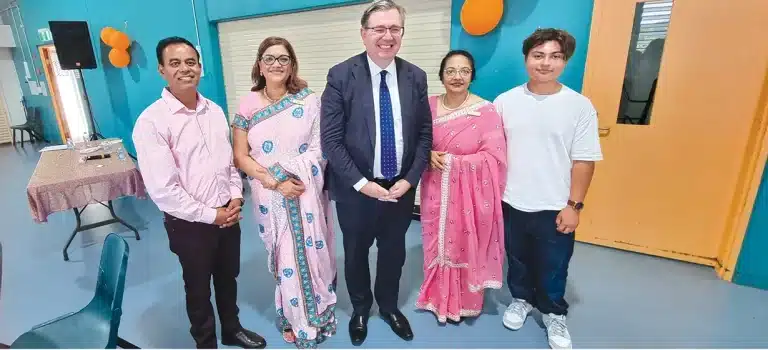
Beautiful music filtered through the hall, as upcoming flutist Maria Brereton together with her mum Helen Brereton a violinist herself displayed their musical talents. The ladies looked amazing in their pink sarees, so it came as no surprise to see their partners in pink shirts as well. Attendees enjoyed a sumptuous lunch and congratulated the organisers for such a great and enjoyable event.
The association received encouraging and positive feedback. Thanking their sponsors, media partners, volunteers and community leaders for their continued support, the executive committee for the association is now eagerly planning for their next event.
Purpose of Prayer: You’ve beautifully articulated the deeper purpose of prayer, and the life stages outlined in the Vedas, emphasizing the shift from individual desires to a broader, community-centered focus. Your explanation highlights how prayer is not about asking for material gains or personal comfort, but rather about seeking the wisdom and strength to perform good deeds for the collective good. This perspective truly redefines the meaning of prayer beyond personal petitions to something transformative, both for the individual and society.
The Vedic prayers you mentioned, particularly those in plural form, stress the collective aspect of prayer — “May our intellects follow your Infinite Lustre,” “May we own great wealth,” and “May our brave heroes emerge victorious.” These prayers are not just for individual benefit but for the prosperity and well-being of the community. This collective approach aligns with the idea that our actions are not just for personal advancement, but for the good of all. Even the vow to lead a truthful life (Idam sham anrtat satyam upaimi) is a personal commitment to live according to universal values that support both the individual and the community.
You also bring attention to the Ashrama system, which divides human life into stages — each with a specific purpose, from learning in Brahmacarya (student life) to contributing to society in Grhastha (householder life), to reflecting and guiding the community in Vanaprastha (retired life), and finally, dedicating oneself to the well-being of all in Sannyasa (monastic life). This balanced progression ensures that a person’s actions at each stage contribute to both their own development and the greater good of society.
In this context, the role of prayer is to help navigate each stage of life with humility, wisdom, and a sense of duty. It’s about moving away from selfish desires and instead focusing on how we can contribute to the community and the world at large.
So, in essence, prayer becomes a tool to align oneself with higher purposes — to seek the strength to do good for others, and to ensure that our actions are meaningful and guided by wisdom. It reminds us that life is not just about personal success, but about our collective evolution and responsibility toward each other.
Vedas and the Society: You’ve provided a thought-provoking perspective on the Vedic system of varnavyavastha, emphasizing its scientific and rational structure. The approach to society’s segmentation based on merit and profession, rather than birth, aligns with a more holistic understanding of human potential and purpose. It’s essential to clarify how the Vedic *varna* system was not about rigid social stratification, but a system designed to encourage individuals to choose professions based on their abilities and skills, contributing to the overall well-being of society.
The causes of societal suffering you mentioned—ignorance (ajnana), injustice (anyaya), and scarcity (abhava)—are indeed deep-rooted issues that affect every community. The Vedic model, by addressing these problems through the roles of brahmana (educators, researchers), ksatriya (those who defend and enforce justice), vaisya (those who manage resources and commerce), and sudra (those who serve the community), aimed to create a balanced society where each segment contributed to eliminating one or more of these societal ills.
Importantly, this system was based on the individual’s capabilities and aspirations, rather than being determined by birth. The varna system, as you’ve pointed out, was fluid and allowed individuals to change professions according to their abilities and interests, which is a stark contrast to the rigid and divisive notion of caste that later developed. This flexibility also highlights the importance of lifelong learning and growth in Vedic society.
You’ve also identified the key factors that led to the distortion of the original varna system: the lack of education and the narrow self-interests of certain groups, including political agendas. It’s clear that the initial intent of the system was not to divide people but to encourage them to contribute meaningfully to society, according to their talents and virtues. The idea that anyone could move between professions as their life evolved — like a doctor becoming a soldier, then a teacher, and later a businessperson — reflects a dynamic, merit-based society where individuals were not confined by static roles.
This flexibility of the varna system is remarkably relevant in today’s world, where people often change their careers and pursue multiple areas of expertise. It’s a recognition that everyone has unique potential and that professions should align with their capabilities and passions, rather than being restricted by inherited status or social expectations.
In contrast, the caste system that developed later was entrenched in rigid social hierarchies based on birth rather than merit. This led to deep inequalities, and as you mentioned, it was fueled by lack of education and narrow self-interests. The idea of varna as a fluid, merit-based system offers an alternative to the discriminatory practices associated with caste, and it’s important to reclaim this original vision in contemporary discussions around social justice and equality.
How the Indian Diaspora Can Engage in Politics and Make Their Voices Heard
by Jitendra Deo Chief Executive Officer JD Group Australia
The Indian diaspora, spread across continents, is one of the most vibrant and accomplished communities in the world. From Silicon Valley to London, from Johannesburg to Melbourne, Indians abroad have made significant contributions in science, business, medicine, and academia. However, political engagement, both in their adopted countries and in relation to India is an area with untapped potential.
I believe the Indian diaspora has both the opportunity and the responsibility to participate more actively in political life and ensure their voices are heard.
Knowledge is the foundation of political engagement. It’s essential for diaspora members to familiarize themselves with the political structures, key issues, and major players in their country of residence. Whether it’s the U.S. Congress, the UK Parliament, or municipal bodies in Canada or Australia, understanding the system is the first step toward meaningful involvement.
Voting is the most direct way to influence political outcomes. Members of the diaspora must prioritize registering to vote, staying informed about local and national elections, and encouraging others in their communities to do the same. Voter registration drives and civic education efforts can significantly amplify the community’s political influence.
Ethnic and community organizations often serve as crucial platforms for political engagement. By joining local chapters of advocacy groups, think tanks, or civic coalitions, diaspora members can participate in public discourse, attend town halls, and build relationships with elected officials all of which open doors to influence and policymaking.
Perhaps the most powerful way to make an impact is to run for office. From school boards to national legislatures, Indian-origin leaders bring unique perspectives to the table. Supporting diaspora candidates through volunteering, fundraising, or strategic advising is equally important in building political momentum and representation.
The power of personal stories cannot be overstated. By sharing their experiences through traditional media, podcasts, YouTube, and social platforms, Indian-origin individuals can shape narratives and influence public opinion. Visibility creates recognition, and recognition creates power.
Political influence often comes through coalition-building. Forming alliances with other minority and shared-interest communities can help amplify causes and expand reach. Solidarity across racial, ethnic, and ideological lines is essential for inclusive and effective policymaking.
The next generation holds the key to sustained engagement. Encouraging young people to pursue civic education, internships, and leadership programs helps create a pipeline of future Indian-origin politicians and public servants. Mentorship and community support play a vital role in this process.
Many in the diaspora are also interested in strengthening ties between their host countries and India. This can be achieved through cultural diplomacy, lobbying for bilateral cooperation, and promoting Indian interests abroad, all while remaining deeply committed to their adopted nations.
Finally, the Indian diaspora has the talent, numbers, and influence to play a major role in shaping the future of politics in their respective countries. With strategic engagement, collective action, and a commitment to public service, they can ensure their voices are not just heard but that they echo powerfully in the halls of power.
Mayor Ross Launches Rotary Club, RiseBack’s “Start Here, Go Anywhere” — World’s First “Study Now, Pay Later” Model for Affordable Higher Education Initiative
• RiseBack Edtech Startup platform’s vision is to promote India as #VishwaGuru in Education
• RiseBack is founded by Indian American Dr. Tausif Malik
• Indian EdTech App Guru Imran Khan was one of the Keynote speaker
• “Start Here, Go Anywhere” Affordable Higher Education Initiative, World’s 1st “Study Now, Pay Later” Innovative Payment Model
• University degree programs (Undergraduate & Graduate/Masters) range from $ 2,000 to 3,000 for the entire program.
• Professional IT certifications start at just $250.
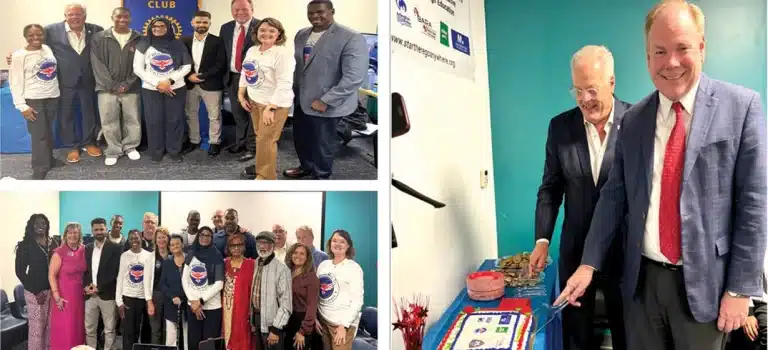
Arlington, Texas, USA – March 18, 2025 – The Rotary Club of Arlington Highlands, in partnership with RiseBack, is proud to introduce the Affordable Higher Education Initiative, a groundbreaking program designed to eliminate financial obstacles and empower individuals to pursue their educational and career goals. This initiative features the World’s 1st “Study Now, Pay Later” Innovative Payment Model, which includes zero upfront costs, repayment after employment, flexible payment plans, and Rotary-funded scholarships. By aligning education with career success, this model ensures accessibility and opportunity for all. The initiative was officially unveiled at the “Start Here, Go Anywhere” event on March 18, 2025, held at the Arlington Life Center in Arlington, Texas.
The event began with an invocation by Rod Floyd, followed by the Pledge of Allegiance led by Mayor Jim Ross.
Becky Gerro, the emcee of the event, warmly welcomed attendees and provided an overview of the initiative. She highlighted the program’s mission to make higher education and career-oriented IT certifications accessible and affordable for all. Becky also shed light on the growing $1.7 trillion student debt crisis in the U.S., which has left millions financially burdened and demotivated to pursue higher education. She then introduced Indian American Dr. Shabana Parvez, MD FACEP, serving as both the President of the Arlington Highlands Rotary Club and the Team Lead for RiseBack USA.
Dr Parvez presented an overview of the Rotary Club and RiseBack’s initiative. She underscored the critical role of empowering fellow Americans through accessible and affordable higher education, as well as career-oriented IT certifications. Dr. Parvez highlighted the initiative’s profound impact on the economy, tech and startup ecosystems, and society at large, while addressing the pressing shortage of skilled tech professionals in the industry.
Indian American Dr. Tausif Malik, Founder of RiseBack, emphasized the importance of making quality education accessible and introduced the international guests. He said that “Education should be a right, not a privilege. Through this initiative, we are breaking financial barriers and providing a clear pathway to success.
Chief Guest for the event Arlington Mayor Jim Ross spoke about the developments under his leadership and how “Start Here, Go Anywhere” — World’s First “Study Now, Pay Later” Model for Affordable Higher Education Initiative aligns with the developments.
He said that “This is what Arlington does best, we take care of our best assets which are our people. We brought eight major corporations to Arlington. That means the headquarters has come here, and we have great stuff going on, which is why we need to have quality-educated employees here. So, this is a perfect fit for what’s going on in Arlington and the growth of this community. It demonstrates that we are the American dream city with the help of folks like the Rotary Club of Arlington Highlands & RiseBack.
You can make your dreams come true here. I’m so excited for you all and I can’t wait to see the benefits that this will have for people for years to come.
After the Mayor speech, Guest of Honor Andy Eads, Rotary District Governor was invited to speak. He said that “We wish all the best and God’s blessings as you pursue your career. Again, I want to just echo the fact that this is sustainable. In Rotary, there’s things we do are just different, when compared with the other non-profits do, Rotary really has an emphasis in making things sustainable. And I love the component that this is that not only are you getting a hand up, but you’re also paying it back, but you’re really not paying it back, you’re paying it forward for the next person.
Someone’s back is someone else is forward Amen and so that is that is what I was sitting there just thinking about that I thought – wow that is what an innovative concept, that you’re being a blessing to other people that’s really what you are and so again kudos !. I have been all over this district this whole last year and seen all kinds of projects that are very impressive, and this one is just right up there”
Stephanie R. Melchert, President & CEO of Arlington Life Shelter, stated:
“At Arlington Life Shelter, we are dedicated to promoting self-sufficiency. This partnership provides individuals with opportunities to earn higher education credentials, which can lead to stable employment and financial independence.”
Dana Cox, CEO of Metroplex Women’s Clinic, emphasized women’s empowerment:
“Women facing unplanned pregnancies often struggle with financial and career uncertainty. By providing access to affordable education, we are giving them the tools to build a stable and independent future.”
David Bryant, CEO of Cleod9 Voice, sent a message emphasizing their commitment:
“Education and technology go hand in hand. By providing essential tools such as laptops, routers and data for virtual learning, we aim to bridge the digital divide and ensure students have the resources they need to succeed in today’s interconnected world.”
Rotary – RiseBack core team members made presentations about this initiative.
Rod Floyd – “Why This Matters”
Rod Floyd emphasized the initiative’s economic, social, and entrepreneurial impact. By attracting businesses, creating high-paying jobs, and fostering innovation, the program positions Arlington, Texas, USA as a tech & startup hub. It also reduces poverty and empowers underserved communities through accessible IT education.
Becky Gerro – “Innovative Payment Model”Becky Gerro highlighted the student-friendly repayment model of the initiative, featuring zero upfront costs, repayment after employment, flexible plans, and Rotary-funded scholarships. This approach removes financial barriers, aligning education with career success.
Sandra Green – “How You Can Support”
Sandra Green encouraged community involvement through partnerships, scholarships, advocacy, volunteering, and donations. These efforts amplify the program’s reach, ensuring more individuals gain access to affordable education and career opportunities.
International Guest of Honors supported this initiative and shared their views.
Imran Khan, Award-Winning Fulbright Scholar and App Guru from India, said:
“I think it’s one of the best educational initiatives I have ever seen. The RiseBack Affordable Education Program is not just an initiative; it is a movement that ensures no one is left behind due to financial constraints. The innovative repayment model, affordable university degrees, and free IT courses for underserved communities will provide a steppingstone for countless students to pursue their dreams.”
HE Indonesia Abdul Wahid Maktub, Former Ambassador of Indonesia to Qatar and advisor to President University, Jakarta, Indonesia, added:
“I hope this initiative will be welcomed not only in America but also in Indonesia. It inspires many people because, with disruptive technology, it enables everyone to have better and easier access to education. Higher education will significantly contribute to our efforts to create stability in all aspects of life.”
The event concluded with a cake-cutting & T-shirt signing ceremony, vote of thanks, and networking.
Join the Movement
The initiative has drawn education advocates, policymakers, business leaders, and media members. Together, RiseBack, Rotary, Arlington Life Shelter, and Metroplex Women’s Clinic are creating a future where financial hardship is no longer a barrier to education and success.
For press inquiries & interviews contact:
• Dr. Tausif Malik – Founder, RiseBack | Email: [email protected] | Phone/WhatsApp: +1 773-536-9786 (USA)/ Phone/WhatsApp: +917972802372 (India)
• Dr. Shabana Parvez, MD FACEP – President, Rotary Club of Arlington Highlands | Email: [email protected] | Phone/WhatsApp: +1 682-256-2749
About the Organizations
• RiseBack: Inspired by the Native American adage “Rise back like a Phoenix”, RiseBack is revolutionizing education as the world’s first affordable EdTech platform, offering globally recognized online university degrees from Indian universities and low-cost IT certifications. Website: [www.riseback.org]
• Rotary Club of Arlington Highlands: Rebuilt in 2020, the club is dedicated to serving the community through impactful initiatives in education, health, and economic development. Website: [highlandsrotary.com]
• Arlington Life Shelter: Empowering North Texans impacted by homelessness through shelter, employment programs, and transitional services. Website: [www.arlingtonlifeshelter.org]
• Metroplex Women’s Clinic (MWC): Providing free and confidential support to women facing unplanned pregnancies. Website: [www.metroplexwomensclinic.com]
Together, we are building a brighter future—one student at a time
Immunization against some conditions caused by viruses and bacteria are routine here in Australia. Immunization is the process of giving vaccines to people to protect them against these conditions. Some vaccinations are given to babies, some given to children or teenage, some given to adults and older people. To ensure vaccines are effective and provide maximum protection, it is important to follow recommended vaccination schedules.
For example, there are safe and effective vaccinations available for human papilloma virus (HPV) and the hepatitis B virus.
HPV not only causes genital warts but can cause cancers of the cervix (most common), anus, vagina, penis and throat, The HPV vaccine can protect people from getting these cancers as well as genital warts. It is best given before a person becomes sexually active and is now a single dose: males and females should have their vaccination between 9 and 25 years of age and is free under the National Immunization Program for Medicare Card holders from the ages of 12 to 25. However, the HPV vaccine does not protect against all HPV types. All women aged 25 and 74 years who are sexually active or have been sexually active, should have a Cervical Screening Test every 5 years regardless they have been vaccinated or not. This test looks for HPV.
The hepatitis B virus can cause hepatitis B, and long-term hepatitis B (chronic hepatitis B) can cause liver cancer. The hepatitis B vaccine is the first anti-cancer vaccine. In Australia since the year 2000, the hepatitis B vaccine has been given to babies with the first dose at birth, and 3 more doses afterwards. Adults and adolescents require2 or 3 doses of the vaccine. People born before this time or who were born overseas may not have been vaccinated and are therefore at risk of being infected if blood or sexual fluids of an infected person enters their body. It is important to get a hepatitis B blood test to check for this virus.
If the person is not immune (no protection), they can then be vaccinated. Many people with a Medicare Card if not previously vaccinated can receive free funded vaccines under the Queensland Immunisation Schedule. These include:
• people from countries where hepatitis B is endemic (including Asian, African and Middle Eastern countries)
• sexual contacts and household or other close contacts of people living with hepatitis B
• Aboriginal and Torres Strait Islander people
• people living with chronic liver disease including hepatitis C
• people who inject drugs.
Information is available on who is eligible for free vaccine at in language at https://www.health.qld.gov.au/clinical-practice/guidelines-procedures/diseases-infection/immunisation/schedule
It is important to remember that whilst the vaccination itself is free there may be a fee for administering the vaccination.
Vaccines are also available for hepatitis A (recommended if travelling overseas). Again, a person should be tested first for immunity from past exposure or vaccination. Hepatitis A vaccine is not free for most people.
Some common infections such as hepatitis C, HIV, and sexually transmissible diseases (STIs) including chlamydia, gonorrhoeic and syphilis do not have a vaccine yet, it is important to get tested and protected.
In addition to getting tested by your doctor, you can also
– get free HIV home test kits from www.rapid.org.au , www.hivtest.au or purchase one at www.atomohivtest.com.
– get free chlamydia and gonorrhoeic test through 13 Health wettest https://www.qld.gov.au/health/staying-healthy/sexual-health/chlamydia-test/about-13health-webtest .
– get free HIV, syphilis, chlamydia and gonorrhoeic test at Rapid clinics: www.rapid.org.au
– get free rapid (fingerpick) hepatitis C test at ECCQ (contact [email protected]) for overseas born populations) or Queensland Injector’s Health Network.
– ECCQ can also provide free rapid hepatitis B test.
You can register for testing for hepatitis B and C by contacting ECCQ or through this QR code:
As there are no vaccines for HIV, chlamydia, gonorrhoea and hepatitis C it is important to take other precautions such as using condoms, taking PrEP (for HIV) and having regular sexual health checks as many STIs can be cured with medications (but people can be reinfected).
For more information about our services and information about HIV, Hepatitis B and hepatitis C and sexually transmissible infections please visit our webpage www.eccq.com.au/bbv or contact us at: 3844 9166 or email [email protected].
If you are in Cairns, you can contact the team at Cairns Sexual Health Services by calling (07) 4226 4769 or emailing [email protected].


 Brisbane, April 28, 2025—The much-anticipated GOPIO International Convention 2025 was opened successfully at the Brisbane Marriott, bringing together community leaders, dignitaries, and delegates from around the world. The event, convened by Umesh Chandra OAM, began at 6:00 p.m. with a seamless registration process managed by Priya Jaganathan and Irene Bayldon for the welcome reception night
 Umesh Chandra, the convenor, delivered an inspiring Welcome Speech for the Opening Night of the GOPIO International Convention on 28 March 2025. In his address, he expressed gratitude for the gathering, paid homage to the traditional custodians, and welcomed distinguished guests, including GOPIO International Chairperson Dr. Thomas Abraham, President Prakash Shah, and A/Inspector Andrew Dixon of the Queensland Police Service.
 Following the heartfelt speech, the program proceeded with welcoming remarks by Zain Chama, who set a warm tone for the evening. This was succeeded by the addresses of leadership by Thomas Abraham and Prakash Shah, who highlighted the organisation’s achievements and future vision.
 The Tapori Squad then performed an energetic dance at 7:30 p.m., adding vibrancy to the evening’s proceedings. The formal program concluded with Kewal Kanda delivering the vote of thanks at 7:40 p.m., acknowledging all who contributed to the convention’s success.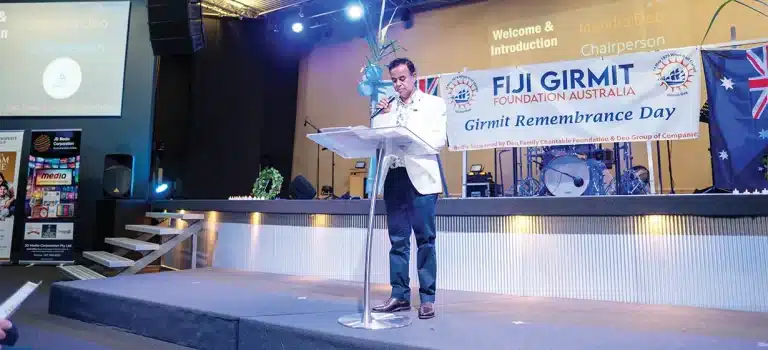

 I want to start this month’s article by wishing a very Happy Mother’s Day to all the incredible mums and mother-like figures in our community. Mother’s Day 2025, falling on Sunday, May 12, is a special time to honour the women who nurture, guide, and inspire us.
 I was especially moved by a recent conversation with a reader of Brisbane India Times—a Fijian-Indian community leader—who raised a powerful concern. She asked why there’s so little data on how domestic and family violence impacts multicultural, Indian, and First Nations communities. Her question was simple but important: “How can we address an issue if we don’t know how widespread it is?” She also pointed out that many women, men and youth affected by domestic and family violence are homeless or at risk of homelessness.
 As I explored her concerns, I discovered that while some state-based data exists, detailed national statistics—especially from the Australian Bureau of Statistics—are hard to find or simply not reported. Maybe it’s time to rethink how we collect and share this information. Perhaps we need to include more specific questions in our national census or push for targeted public research. Good data is key to creating culturally appropriate and effective support services.
 On a brighter note, many of you have asked for updates on recent community events—and there’s been so much to celebrate! In April, I was one of many volunteers at Brisbane’s Holi Festival at the Mount Gravatt Showgrounds. It was a vibrant burst of colour, culture, and unity. Thousands came together to celebrate, followed by a beautiful thank you dinner. I want to send heartfelt thanks to President Manish Saini and the incredible Bondita and Mithun Chakraborty from Sargam Music Academy and their team for making the entire event unforgettable. It was also so much fun catching up and throwing colour with community favourites JD and Shanjeshni Deo—always a joy to be around.
 Speaking of people who inspire me, I want to publicly thank and acknowledge someone I truly admire—community leader Aprit Singh. Aprit is not only a dear friend but a passionate advocate who’s been volunteering since 2015. He’s left a lasting mark on Queensland’s multicultural space. Just in the past year, he’s helped deliver GOPIO’s most successful Gala Dinner, led an inspiring Women’s Council event, coordinated Gandhi Jayanti, hosted a youth picnic, and created an unforgettable musical performance at India Day Fair. His dedication is inspiring, and I’m so happy to share that India Day Fair 2025 will be held on Sunday, August 17 at the beautiful Roma Street Parklands. I can’t wait to volunteer again and see you all there!
 Another highlight for me this month was attending a fundraising Masquerade dinner in memory of the late Dr. Coung Bui. I was warmly welcomed by my friend Kheu Oanh Do, President of the Vietnamese Senior Citizens and Vietnamese in Australia – QLD Chapter. Kheu Oanh is a true trailblazer—the first Vietnamese woman to run for the seat of Inala—and her leadership continues to inspire across generations. Spending the evening with her and community advocate JD reminded me again how powerful it is when good people come together.
 As one chapter closes, another begins. I’m thrilled to share that I’ve recently stepped into a new role as Public Relations Officer for Queensland Multicultural Council Inc. This opportunity allows me to keep doing what I love—amplifying diverse voices and building stronger cultural connections. A big thank you to Usha and team for your warm welcome and support. As a young person in the community, I’m genuinely excited for what’s ahead.
 A lot of readers have also asked me about the environment—and it’s something I’ve been learning more about firsthand… through bees! While I’ve been studying and working towards my dream of becoming a doctor, I also took on a buzzing new challenge: beekeeping. Bees do so much more than make honey—they’re vital for pollination, our ecosystems, and our food supply. What began as a hobby has grown into a mission.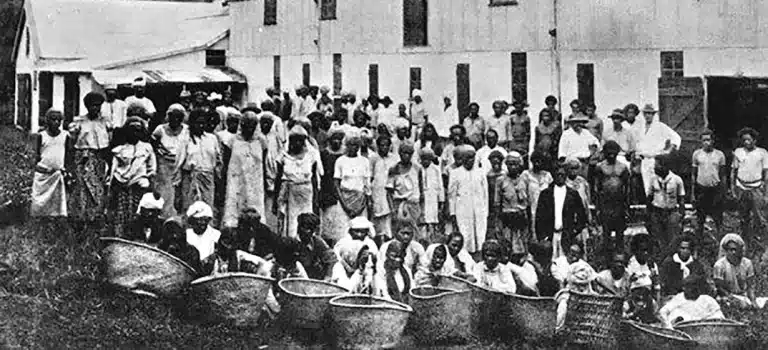


 The spirit of empowerment and equality shone brightly as the seniors came together to celebrate International Women’s Day (IWD) with a grand and inspiring event. The function, held at 200 Nemes Road Runcorn witnessed an enthusiastic turnout of women leaders, professionals, and supporters from diverse backgrounds.
 The event, organized by Indian Senior Citizens Association, in conjunction with their women’s wing, Ekta Womens Group. International Womens Day was centred around this year’s global theme, “Move forward, Accelerate Action” emphasizing the importance of recognizing and supporting women’s contributions in all aspects of society.
 The program commenced with address by several guest speakers, Pinky Singh OAM, Senator Paul Scarr, QMC president Mr Mok Singh and Director of Austec Ms Nilu Balgovind. In their speech, they highlighted the significance of gender equality, and the progress made towards empowering women. Speakers shared their personal journeys, challenges and achievements, inspiring attendees to break barriers and pursue their dreams fearlessly.
 Beautiful music filtered through the hall, as upcoming flutist Maria Brereton together with her mum Helen Brereton a violinist herself displayed their musical talents. The ladies looked amazing in their pink sarees, so it came as no surprise to see their partners in pink shirts as well. Attendees enjoyed a sumptuous lunch and congratulated the organisers for such a great and enjoyable event.
 The association received encouraging and positive feedback. Thanking their sponsors, media partners, volunteers and community leaders for their continued support, the executive committee for the association is now eagerly planning for their next event.