Several Indian-Queenslanders have been recognized for their excellence in business and community service:
Taaj Kumar: The co-founder of GM Coffee (a Brisbane-based business) was named the “Nick Xynias Multicultural Young Business Person of the Year” at the Lord Mayor’s Multicultural Business Awards in November 2025. He was recognized for his entrepreneurial drive and fostering cross-cultural collaboration.
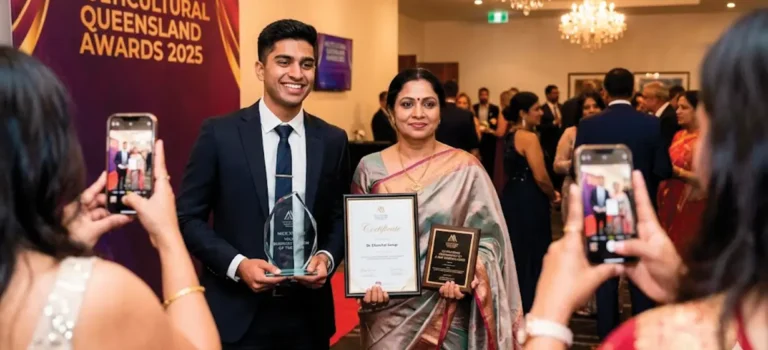
Dr. Chanchal Kurup: She won the “Outstanding Contribution by a New Queenslander” award at the Multicultural Queensland Awards 2025. Dr. Kurup is a researcher and educator advocating for Internationally Qualified Nurses (IQNs), helping them integrate into the Queensland healthcare system.
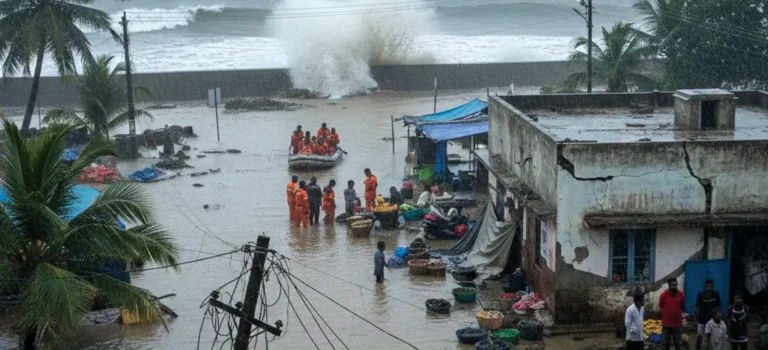
Weakened but Still Active: Cyclone Ditwah has weakened into a deep depression. It is very likely to continue moving nearly northwards, parallel to the North Tamil Nadu-Puducherry coasts, and weaken further into a depression around this morning.
Rainfall and Alerts: The system is still bringing significant heavy to very heavy rainfall to coastal areas of Tamil Nadu, Puducherry, and adjoining South Andhra Pradesh.
Red Alerts were in place for several coastal districts, including Cuddalore, Nagapattinam, and Mayiladuthurai.
Orange Alerts were issued for other districts, including Chennai, Kancheepuram, Tiruvallur, and Pudukkottai, for heavy to very heavy rain.
Impact on India:
Tragically, at least three people have died in rain-related incidents in Tamil Nadu (due to wall collapses and electrocution).
Severe weather has caused waterlogging in low-lying areas, including parts of Thoothukudi.
Authorities have deployed NDRF (National Disaster Response Force) and SDRF teams to vulnerable districts.
Schools remain closed in Puducherry and several Tamil Nadu districts as a precautionary measure.
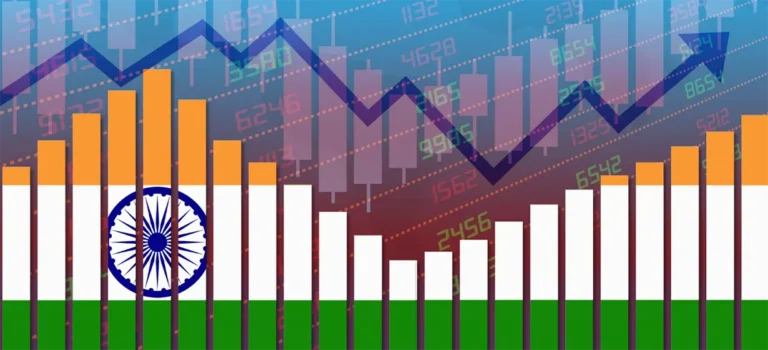
GDP Surge: The Indian economy grew by 8.2% in the July-September quarter (Q2), making it the fastest expansion in six quarters. This growth was driven by a strong manufacturing comeback and robust services activity.
RBI Rate Cut: In a move to further boost growth, the Reserve Bank of India (RBI) has cut the repo rate by 25 basis points to 5.25%.
Future Outlook: The Chief Economic Advisor (CEA) has raised the GDP forecast for FY26 to 7.3%, predicting the economy will top the $4 trillion mark next fiscal year.
Shahana Goswami and Sabrina Khan Shine at Asia Pacific Screen Awards
Shahana Goswami and Sabrina Khan were notable attendees at the Asia Pacific Screen Awards held on the Gold Coast, Australia on November 27th. Shahana Goswami, born in New Delhi, is a talented actress known for her roles in various films, including her breakthrough performance as Debbie in Abhishek Kapoor’s “Rock On,” which earned her several awards, including the Filmfare Best Actress (Critics) award. British born Sabrina Khan of mixed heritage including India is a highly acclaimed film director, producer, and actress who acted in “Mercy Box,” directed “Tonya,” and “Seema,” and whose films have won her international acclaim. She is also an international human rights lawyer and the recipient of the 2025 New South Wales Human Rights Medal.
India’s Financial Sector: Navigating Digital Headwinds and Regulatory Shifts
The Indian financial sector is currently at an inflection point, driven by a powerful confluence of technological disruption, proactive regulatory intervention, and a shifting macroeconomic landscape. Far from being a quiet corner of the economy, finance in India today is a dynamic arena where traditional banks, agile FinTechs, and massive government schemes are all vying for space. Understanding the current trends—from the RBI’s surgical approach to Non-Banking Financial Companies (NBFCs) to the unstoppable force of digital payments—is key to grasping the trajectory of the world’s fifth-largest economy.
At the heart of the Indian financial system is the Reserve Bank of India (RBI), which is skilfully balancing the need to spur economic growth with the necessity of maintaining financial stability.
On the growth front, the recent decision to cut the repo rate—the rate at which commercial banks borrow from the central bank—by 25 basis points has injected a renewed sense of optimism. This move is a growth-supportive signal, aimed at lowering the cost of capital in the long term. If fully transmitted by banks, this easing is expected to provide a crucial stimulus to housing, vehicle, and corporate lending, boosting aggregate demand.
However, this supportive monetary policy is juxtaposed against a significant tightening of regulatory screws, particularly for NBFCs. The RBI has expressed concern over the rapid, and sometimes reckless, growth of unsecured lending, prompting an increase in risk weights and capital provisioning requirements for certain loan categories.
This move is not punitive but rather preemptive. It differentiates between prudently managed, secured lenders and those who have chased high growth at the expense of sound risk management. The resulting pressure on capitalization has forced several smaller NBFCs to consolidate or pivot their strategy, steering the sector towards a more stable, secured-lending model and ultimately reducing systemic risk. It is a necessary friction that prioritizes long-term financial health over short-term exuberance.
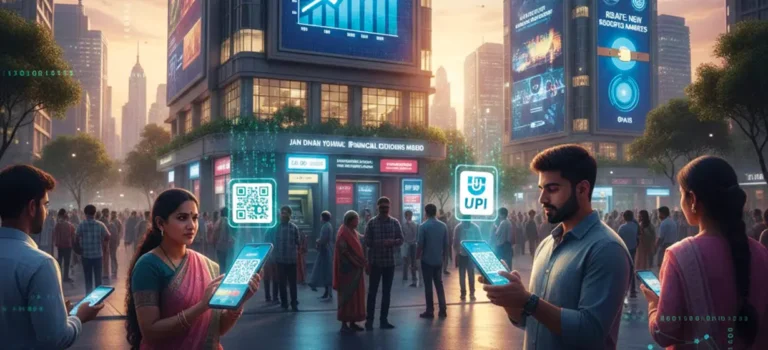
If the RBI is the central stabilizing force, the Unified Payments Interface (UPI) is the central revolutionary force. India’s digital payment ecosystem continues to break global records, fundamentally altering how commerce is conducted. UPI transactions have maintained exponential growth, penetrating deeper into rural and semi-urban markets and acting as a primary vehicle for financial inclusion.
The current trend is the deepening of this technology. Banks and FinTech companies are now leveraging UPI’s success by integrating Artificial Intelligence (AI) and Machine Learning (ML) tools to enhance the user experience. These technologies are not just about chatbots; they are powering sophisticated fraud detection systems, optimizing credit scoring for thin-file customers, and enabling hyper-personalized financial products, moving India towards a truly intelligent and inclusive financial system.
Furthermore, the government’s commitment to expanding access is evident in the rise of the Financial Inclusion Index (FI-Index), which measures access, usage, and quality of financial services. Driven by initiatives like the Pradhan Mantri Jan Dhan Yojana (PMJDY), which has brought hundreds of millions into the formal banking system, the financial sector is witnessing a structural shift where credit and banking services are no longer the exclusive domain of major metropolitan areas.
On the macroeconomic front, the financial sector is grappling with the pressures of global instability. The Indian Rupee (INR) has faced persistent weakness against the US Dollar, a challenge driven by factors including sustained capital outflows by Foreign Portfolio Investors (FPIs) in response to higher US interest rates and persistent demand for the dollar to service import bills. While the RBI has intervened strategically to manage volatility, the INR’s depreciation remains a key variable influencing corporate balance sheets and the cost of foreign debt.
Despite these external headwinds, the fundamental health of the domestic banking sector remains robust. Decisive action taken years ago to tackle the mountain of bad loans has paid off. The Non-Performing Asset (NPA) ratio continues its downward trajectory, while the Capital Adequacy Ratio (CAR) remains well above international minimums. This improved resilience means Indian banks are better positioned today to manage economic shocks and sustain credit growth.
Finally, the Indian finance sector is exhibiting both maturity and momentum. The digital revolution is democratizing access, while the central bank is ensuring the structural integrity of the players. The immediate future will be defined by the careful execution of new technologies within the framework of tightened regulation, promising a financial system that is not only vast but also fundamentally sound and ready to support India’s ambition of becoming a major global economic power.
Traveling overseas? What vaccinations do you need before you go?
Are you heading overseas to see family, friends, or holiday? Make sure you are protected against infections that we don’t have here in Australia.
In 2025, Queensland Health has seen a number of travellers returning from overseas with vaccine preventable infections such as measles, typhoid fever, and hepatitis A.
“Getting vaccinated is the best thing you can do to prevent these very nasty infections” said Dr Bhakti Vasant public health doctor from Queensland Health.
“Many people heading home to see family or friends don’t know that they might not be protected or don’t see a doctor before they go” Dr Vasant said.
Measles
Measles is an extremely infectious disease that is spread through coughing, sneezing, or breathing.
Fever, rash, sore and watering eyes are other symptoms. In some cases, measles can cause inflammation of the brain, blindness, pneumonia, and even death.
As there is no specific treatment for measles, vaccination is the best line of defence. If you are unsure if you are immune to measles, check with your doctor to see if you are eligible for a free measles vaccine.
Measles | Health and wellbeing | Queensland Government (www.qld.gov.au)
Typhoid
Another vaccine preventable disease is the gut infection, typhoid fever.
Typhoid causes fevers, headaches, belly pains, constipation, or diarrhoea, but can occasionally cause severe disease and death if left untreated.
Antibiotics can treat typhoid but there has been an increase in the numbers of antibiotic resistant cases around the world – particularly in the Indian Subcontinent.
You can prevent typhoid when travelling overseas by getting vaccinated every 3 years, regularly washing your hands and making sure the water and food you consume is safe and clean.
Typhoid and paratyphoid fever | Health and wellbeing | Queensland Government (www.qld.gov.au)
Hepatitis A
Like typhoid, hepatitis A is also spread by unsafe water, food or not washing hands, and it can be prevented through vaccination.
The hepatitis A infection commonly causes body aches, pains, stomach upset and inflammation of the liver.
Liver inflammation can lead to yellow skin, eyes and dark urine which is known as jaundice.
Two doses of a hepatitis A vaccine will give you lifelong protection.
Hepatitis A | Health and wellbeing | Queensland Government (www.qld.gov.au)
Before you go
If you are planning on travelling overseas, make sure you see your doctor 6-8 weeks before and ask which vaccines you need. If you’re looking for more information visit the Smart traveller website.
Vaccinations and preventative health | Smartraveller
India and Russia Forge 2030 Roadmap Amid Global Shifts
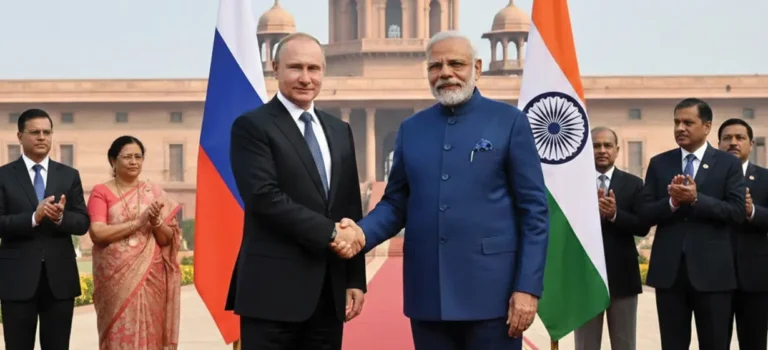
NEW DELHI – In a powerful display of strategic autonomy, Prime Minister Narendra Modi and Russian President Vladimir Putin concluded the 23rd India-Russia Annual Summit in New Delhi this week, solidifying a comprehensive roadmap for their “Special and Privileged Strategic Partnership.” The meeting delivered a strong message to the world: the decades-old bond between the two nations remains resolute and is transitioning into a futuristic model of joint economic and technological collaboration.
The summit’s most significant outcome was the finalization of the “Programme for the Development of Strategic Areas of India-Russia Economic Cooperation till 2030.” This ambitious plan aims to increase annual bilateral trade to $\$100$ billion by the end of the decade, a colossal jump from the current $\$68.7$ billion (FY 2024-25), which is heavily skewed by Indian oil imports.
“Our economic partnership is a common priority,” PM Modi stated, emphasizing that the new program is designed to make trade “more diversified, balanced, and sustainable.”
To address the current trade imbalance and boost Indian exports, both leaders agreed to:
• Fast-track a Free Trade Agreement (FTA) between India and the Russia-led Eurasian Economic Union (EAEU).
• Resolve logistical and payment bottlenecks, with a commitment to increasing the use of national currencies (rupee and ruble) for settlements—a major step toward insulating trade from external financial pressures. Currently, around 96% of transactions are already conducted in national currencies.
• Promote Indian exports in sectors like pharmaceuticals, agriculture, textiles, and marine products, with Russia agreeing to actively remove non-tariff barriers.
The energy pillar remains crucial. President Putin affirmed Russia’s readiness to ensure “uninterrupted shipments of fuel” and proposed expanding cooperation in civil nuclear energy, including the potential for joint construction of small modular reactors and floating nuclear power plants.
The defence partnership, the historical backbone of the relationship, is undergoing a fundamental reorientation. The focus is shifting from a simple buyer-seller model to one centred on joint Research & Development (R&D), co-development, and co-production.
The joint statement underlined plans to encourage joint manufacturing in India of spare parts, components, and aggregates for Russian-origin military equipment already in India’s inventory. This move aligns perfectly with India’s ‘Make in India’ initiative and aims not only to meet the needs of the Indian Armed Forces but also to explore exports to “mutually friendly third countries.”
While no new major defence contracts were signed at the summit, high-level discussions covered the potential for additional batches of the S-400 ‘Triumf’ air defence system and the joint production of advanced variants of the BrahMos supersonic cruise missile.
The timing and content of the summit served as an unmistakable affirmation of India’s strategic autonomy amidst sustained geopolitical pressures, particularly from the West, to reduce engagement with Russia.
Both leaders underscored their commitment to a “just and democratic multipolar world order,” emphasizing that their partnership remains resilient against external constraints. The personal warmth and grand reception accorded to the Russian President by PM Modi, who received him personally, were widely interpreted as a symbolic rejection of any coercion to choose sides.
Key agreements also extended to:
• Migration and Mobility: Agreements were signed to facilitate the movement and employment of skilled workers between the two nations.
• Tourism: India announced the launch of a free 30-day e-tourist visa and a 30-day group tourist visa for Russian citizens.
• Arctic Cooperation: An agreement was signed to train Indian seafarers for polar waters, strengthening India’s presence and collaboration in the strategic Arctic region.
• In an era of flux and re-alignment, the Delhi Summit has not just reinforced the ‘Pole Star’ friendship but has equipped it with a practical, long-term economic and technological blueprint designed to navigate global turbulence and secure the mutual interests of both nations for the next decade.
Christmas in Australia is a vibrant tapestry woven with threads of tradition, sunshine, and global influences. Unlike the white-blanketed, cold-weather celebrations of the Northern Hemisphere, the Australian Christmas takes place in the height of summer, fundamentally altering its character. This unique setting—marked by beach barbecues, backyard cricket, and cool seafood feasts—forms the backdrop for a national celebration that is increasingly defined by its multicultural embrace.
Among the most significant contributors to this evolving cultural landscape is the Indian Diaspora, whose presence is injecting new flavours, colours, and perspectives into the festive season, cementing Christmas as a truly Australian hybrid holiday.
The Australian Christmas: A Sun-Drenched Foundation
The origins of Christmas in Australia are, naturally, rooted in the traditions brought by its early European, primarily British, settlers. Yet, from the very first celebration in 1788, the environment forced an adaptation. The imagery of snow and fir trees gave way to the reality of sweltering heat. The Australian Christmas evolved into a celebration of summer freedom and togetherness.
Key characteristics of a quintessential Aussie Christmas include:
• Outdoor Festivities: Formal hot roasts are often replaced by cold ham, fresh seafood (especially prawns), salads, and the ubiquitous backyard barbecue. Desserts like the pavlova, laden with fresh summer fruits, are preferred over heavy Christmas puddings.
• Unique Symbolism: While the traditional Santa remains, he is often humorously depicted on a surfboard or riding a utility pulled by “Six White Boomers” (kangaroos), a nod to the local climate and fauna. Native Australian plants like the Christmas Bush and gum leaves are used for decorations.
• Community Events: Carols by Candlelight, where thousands gather in the warm night air to sing hymns and seasonal songs, is a cherished tradition that symbolises community spirit and connection.
This foundation of family, food, gift-giving, and public holiday relaxation makes Christmas less about a strictly Christian observance for the general populace, and more about a secular national holiday of collective joy and rest. This broad, inclusive atmosphere is precisely what makes it so welcoming for migrant communities, including the rapidly growing Indian Diaspora.
The Indian Diaspora’s Festive Bridge: From Diwali to Deck the Halls
The Indian community in Australia is vast and diverse, representing multiple faiths, languages, and regional cultures. While the major festival for many Hindus, Sikhs, and Jains in the diaspora is Diwali (the Festival of Lights), which carries a similar aura of light, celebration, family gatherings, and gift-giving, Christmas presents a different, yet equally embraced, opportunity for connection.
For many Indian Australians, the celebration of Christmas is less a religious conversion and more a powerful act of cultural integration and social bonding. It is a chance to participate in the dominant national celebration of their new homeland.
• Embracing the Spectacle: The Indian Diaspora often fully embraces the visual spectacle of the season. Inspired by the elaborate light displays of Diwali, many Indian Australian homes feature dazzling, colourful Christmas decorations. The Christmas tree, a largely secular symbol in the Australian context, becomes a centrepiece, often decorated with an Indian flair, perhaps incorporating elements like vibrant rangoli patterns or traditional Indian textile ornaments. • The Family Focus: Christmas aligns perfectly with the strong family orientation of Indian culture. For families whose parents and extended relatives might be overseas, Christmas Day becomes a crucial time to gather the local support network of close friends, or a “chosen family,” to cook, feast, and share presents. This tradition echoes the importance of communal feasting and hospitality seen during major Indian festivals. • A “Brown Christmas” Fusion: The most delicious and visible form of integration is in the food. The traditional Aussie prawn platter and pavlova are now often served alongside Indian-inspired delicacies. A Christmas dinner in an Indian Australian home might feature: • Indian Spices: Roast turkey or ham is marinated with aromatic Indian spices like garam masala, turmeric, or ginger-garlic paste. • Familiar Sides: Raita, naan, or fragrant biryani might sit beside the standard roast potatoes and cranberry sauce. • Sweet Integration: Traditional Indian sweets (mithai) or a rich kulfi (Indian ice cream) often make an appearance alongside the Christmas pudding. This culinary fusion creates a genuinely cross-cultural festive feast.
Significance in the Australian Social Fabric
The Indian Diaspora’s enthusiastic adoption and adaptation of Christmas carry a profound social significance that enriches the entire Australian society: 1. A Symbol of Belonging and Integration: Participating in the national holiday signals a strong commitment to their new home. As some migrants have noted, celebrating Christmas is an opportunity to connect with neighbours and local friends, strengthening the social fabric and fostering mutual respect for diverse traditions. It acts as a bridge, making the immigrant experience feel less isolated. 2. Multicultural Enrichment: The fusion of Indian elements—from the food to the lights and the emphasis on hospitality—challenges and expands the definition of an “Australian Christmas.” It moves the celebration beyond its Anglo-European roots to reflect the true diversity of modern Australia. The holiday transforms into a celebration by Australia, not just in Australia. 3. Intergenerational Connection: For second and third-generation Indian Australians, celebrating Christmas is part of their normal Australian upbringing. It is the festival of their school friends and the wider community. By incorporating Indian food or family rituals, parents can harmonise their children’s Australian identity with their Indian heritage, promoting a healthy, confident hybrid identity. 4. A Celebration of Universal Values: Ultimately, the Christmas celebrated by the Indian Diaspora in Australia focuses on the universal themes that resonate across all cultures and faiths, generosity, family, hope, and coming together. Just as Diwali symbolises the triumph of light over darkness and good over evil, Christmas celebrates peace and goodwill. The ability of the two cultures to find common ground in these essential human values is a testament to the strength and success of Australian multiculturalism.
The Benefits of Hindi Classical Music and Its Impact on Human Well-Being
Music has always held a special place in human life. It transcends language, culture, and geography, touching the deepest emotions and uplifting the soul. Among the various musical traditions of the world, Hindi classical music—more broadly known as Indian classical music—occupies a unique and revered position. Rooted in ancient philosophy and spirituality, it is not merely an art form but a profound system of healing, meditation, and expression. Its intricate rhythms, ragas (melodic frameworks), and talas (rhythmic cycles) have the power to harmonize the body, mind, and spirit.
Hindi classical music, whether Hindustani (North Indian) or Carnatic (South Indian), is deeply intertwined with the Vedic tradition, where sound (Nada) is considered a divine vibration that pervades the universe. Ancient Indian sages believed that music could align human consciousness with cosmic energy. Over centuries, this musical system has been refined into a science of sound that continues to enrich human life on multiple levels—physical, emotional, intellectual, and spiritual.
1. Emotional Healing and Stress Relief
One of the most profound benefits of Hindi classical music lies in its ability to calm the mind and relieve stress. The slow, deliberate progression of a raga, beginning with the meditative Alaap (introduction) and moving through rhythmic improvisations, creates a tranquil atmosphere that promotes relaxation. The tonal structure of ragas is based on specific frequencies that resonate with the body’s energy centers, or chakras, producing a deeply soothing effect.
Modern research in music therapy supports this ancient understanding. Listening to or performing classical ragas has been shown to reduce levels of cortisol, the body’s stress hormone. Ragas such as Yaman, Bhairavi, and Darbari Kanada are often used in therapeutic contexts for their calming and restorative qualities. The repetitive patterns of melody and rhythm help slow down brain activity, inducing a meditative state that promotes emotional balance and inner peace.
In today’s fast-paced world, where anxiety and stress have become widespread, Hindi classical music offers a gentle yet powerful remedy. Many individuals find that listening to instrumental renditions on the sitar, flute, or sarod before bedtime improves sleep quality and eases tension.
2. Enhancing Concentration and Mental Clarity
Hindi classical music is known to sharpen focus and improve concentration. Unlike most forms of modern music that rely heavily on lyrics or beat-driven structures, classical ragas encourage deep listening and attentiveness. The listener must follow the subtle nuances of tone, pitch, and rhythm—engaging the mind fully in the present moment.
Students and professionals alike can benefit from listening to certain ragas while studying or working. Ragas such as Desh, Hansadhwani, and Miyan ki Todi are said to stimulate the intellect and enhance cognitive function. According to neuroscientists, such complex melodic structures activate the brain’s prefrontal cortex, the region responsible for decision-making, problem-solving, and creativity.
Furthermore, practicing or learning Hindi classical music requires immense discipline, patience, and attention to detail. The process of mastering a raga demands sustained focus and memory, which in turn strengthens mental endurance and clarity. Over time, musicians develop not only better concentration but also an enhanced capacity for mindfulness and self-control.
3. Physical Health Benefits
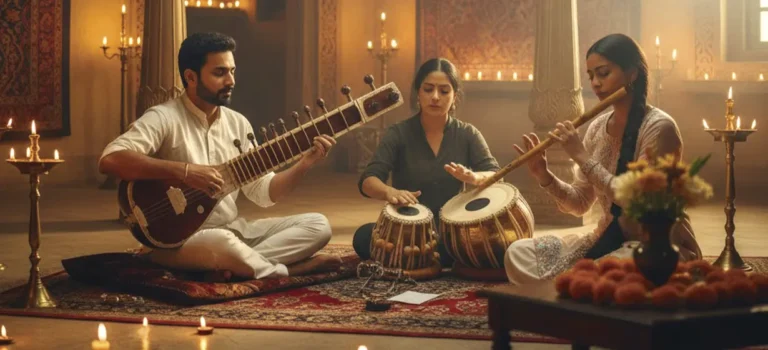
Music has long been recognized as a healing force, and Hindi classical music is particularly effective in promoting physical well-being. The vibrations produced by classical instruments—such as the sitar, tanpura, tabla, and flute—resonate with the body’s internal frequencies, improving circulation and stabilizing heart rhythms.
Scientific studies have shown that slow, melodic music can lower blood pressure, reduce heart rate, and regulate breathing patterns. The Alaap section of a raga, for instance, mirrors the rhythm of deep, mindful breathing, which stimulates the parasympathetic nervous system and induces relaxation. This natural calming effect can help alleviate symptoms of hypertension, anxiety, and even chronic pain.
Moreover, singing classical compositions or practicing “Swar Sadhana” (the disciplined repetition of musical notes) enhances lung capacity and strengthens vocal cords. The controlled breathing required for singing is like pranayama, a yogic breathing technique known for improving respiratory health and increasing oxygen flow to the brain.
4. Balancing Emotions and Energy Through Ragas
Each raga in Hindi classical music is associated with a particular mood, emotion, and time of day. This concept, known as the Raga Samaya Theory, reflects the deep connection between music, nature, and human psychology. For example:
• Raga Bhairav, performed in the early morning, evokes peace and devotion.
• Raga Malkauns, often played at night, induces introspection and serenity.
• Raga Megh, associated with monsoon, expresses joy and renewal.
• Raga Deepak, linked with fire, is said to generate energy and passion.
By aligning musical frequencies with natural rhythms, these ragas can help regulate emotional states and restore energetic harmony within the body. Listening to an appropriate raga at the right time of day is believed to synchronize the listener’s internal clock with nature’s cycles, promoting both physical vitality and emotional stability.
This approach to healing through sound is known as Raga Chikitsa, an ancient form of music therapy described in Indian scriptures like the Gandharva Veda, a sub-branch of the Sama Veda. Today, modern therapists are rediscovering these techniques to treat insomnia, depression, and mood disorders.
5. Spiritual Upliftment and Inner Harmony
Beyond its therapeutic and psychological effects, Hindi classical music serves as a spiritual pathway. Its foundation lies in the concept of Nada Brahma—the idea that “the universe is sound” or “God is sound.” In this philosophy, music becomes a means of connecting the individual soul (Atman) with the universal consciousness (Brahman).
Performing or listening to a raga in its pure form can lead to deep meditative experiences. The repetitive, cyclical nature of the music mirrors the rhythm of the cosmos, inviting stillness and contemplation. Great maestros such as Pandit Ravi Shankar, Ustad Bismillah Khan, and Pandit Bhimsen Joshi often described their performances as acts of devotion and surrender to the divine.
In temples and spiritual gatherings, Hindi classical music is used to elevate consciousness and aid meditation. The chanting of mantras, based on classical notes, produces vibrations that purify the mind and body, helping practitioners reach higher states of awareness. This aspect of music aligns with the ancient yogic concept of Nada Yoga, the yoga of sound, which uses vibration as a tool for spiritual awakening.
6. Cultural and Social Connection
Hindi classical music also plays a significant role in cultural continuity and social harmony. It connects generations through shared traditions, values, and experiences. In a rapidly globalizing world, this music serves as a reminder of India’s deep-rooted cultural heritage and spiritual philosophy.
For listeners around the world, Hindi classical music offers a gateway to Indian culture, promoting cross-cultural appreciation and understanding. Its universality lies in its emotional depth—joy, sorrow, longing, and devotion—all of which are universal human experiences expressed through melody.
Furthermore, communal performances, concerts, and classical festivals foster a sense of unity among participants. Music becomes a shared language of emotion and connection, transcending social and linguistic barriers.
7. Creativity and Self-Expression
One of the hallmarks of Hindi classical music is improvisation. While based on strict frameworks of raga and tala, musicians are encouraged to explore their creativity within these boundaries. This freedom fosters self-expression and emotional release. The performer becomes both creator and interpreter, weaving spontaneous melodic variations that reflect their inner feelings.
For listeners, this improvisational quality keeps each performance fresh and unpredictable. It engages the mind and emotions in a unique dialogue, inviting introspection and creative thought. Many artists and thinkers find inspiration in classical music, using it as a catalyst for imagination and innovation.
Hindi classical music is far more than an art form—it is a living science of harmony that nourishes the body, mind, and soul. Rooted in ancient wisdom yet timeless in its relevance, it offers numerous benefits: calming the mind, enhancing concentration, improving health, balancing emotions, and elevating the spirit.
In a world often dominated by noise, stress, and distraction, Hindi classical music reminds humanity of the power of silence, rhythm, and divine sound. Its delicate balance of structure and improvisation mirrors life itself—a blend of discipline and freedom, logic and emotion, individuality and universality.
By embracing this ancient musical tradition, modern humans can rediscover the profound truth expressed in the Vedas: “Nada Brahma — The Universe is Sound.”
Through the vibrations of Hindi classical music, we not only heal ourselves but also attune to the greater symphony of existence which is something far greater than themselves. For those who pause to listen, it offers a reminder that true harmony comes not from the outer world but from within.
The Joy of Togetherness: How Festivals and Cultural Celebrations Enrich Our Lives
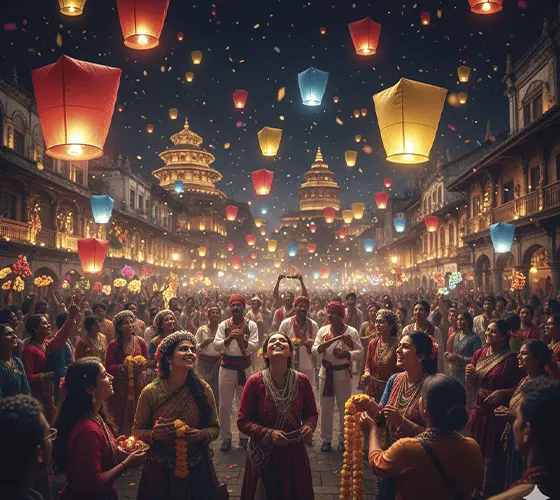
In every corner of the world, from the lantern-lit streets of Diwali to the rhythmic parades of Carnival, festivals and cultural celebrations bring people together in ways few other experiences can. They are moments when communities pause their routines, set aside differences, and come together in the spirit of joy, unity, and reflection. Beyond the colour, music, and food, festivals remind us of what it truly means to be human.
Festivals are the heartbeat of culture. They connect us to our heritage, our families, and our shared humanity. Whether it’s celebrating the triumph of good over evil, welcoming a new season, or honouring a religious milestone, each festival tells a story — one that has been passed down through generations. These celebrations serve as living classrooms, where traditions, songs, and rituals teach younger generations about identity, values, and belonging.
In our fast-paced modern world, where technology often keeps us more connected online than in person, festivals play a crucial role in reviving human connection. During a celebration, we laugh, dance, share meals, and simply enjoy being with others. That sense of community — of standing shoulder to shoulder with friends and strangers alike — nurtures our emotional well-being. Psychologists often note that shared joy creates stronger social bonds and combats feelings of loneliness. In that sense, a festival is not just a day of fun; it is an act of collective healing.
Cultural celebrations also help us appreciate diversity. In multicultural societies like Australia, festivals from different communities are celebrated side by side — Diwali, Lunar New Year, Christmas, Eid, Hanukkah, and many more. These events allow us to experience the beauty of other traditions through food, music, dance, and storytelling.
When we celebrate with others, we build bridges of understanding and respect. We realise that while our customs may differ, our emotions — love, hope, gratitude, and joy — are universal.
On a personal level, festivals bring balance and renewal. Life can often feel repetitive and demanding, but celebrations offer a much-needed pause. They remind us to be grateful, to celebrate achievements, and to reconnect with loved ones. Lighting a lamp during Diwali, decorating a Christmas tree, or sharing a meal during Eid are acts of mindfulness — small rituals that ground us in the present and remind us of life’s simple joys.
Economically and artistically, festivals also enrich communities. They inspire creativity, support local artisans, and boost tourism. Streets transform into galleries of colour, music fills the air, and communities showcase their talents and traditions with pride. These events not only strengthen local economies but also preserve art forms and cultural practices that might otherwise fade with time.
Ultimately, festivals and cultural celebrations are more than just dates on a calendar — they are expressions of life itself. They remind us to celebrate both our similarities and our differences, to cherish our roots while embracing the world around us. In celebrating together, we affirm our shared humanity and the simple truth that joy, kindness, and togetherness are what make life meaningful.
So the next time a festival comes around, step out, join in, and let the spirit of celebration lift your heart — because every festival, in its own way, is a celebration of being alive.





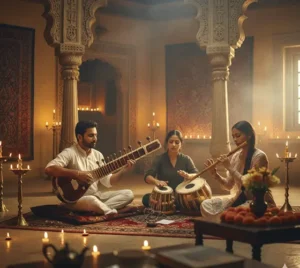 Music has always held a special place in human life. It transcends language, culture, and geography, touching the deepest emotions and uplifting the soul. Among the various musical traditions of the world, Hindi classical music—more broadly known as Indian classical music—occupies a unique and revered position. Rooted in ancient philosophy and spirituality, it is not merely an art form but a profound system of healing, meditation, and expression. Its intricate rhythms, ragas (melodic frameworks), and talas (rhythmic cycles) have the power to harmonize the body, mind, and spirit.