Across Borders, Beyond Wounds: Nurturing Ageing Parent Bonds Overseas
By Rinchaal Patel,
Mindset and Relationship Coach,
YOLO Academy
For many millennial migrants living in Australia, family life is a delicate balance of distance, love, and longing. Our parents remain in India, ageing in the homes where we grew up, while we build new lives thousands of kilometres away. Technology shrinks the distance via video calls, WhatsApp messages and remittances; but emotional gaps often remain stubbornly wide.
The challenge isn’t just about logistics, how to manage healthcare from afar, how to plan visits, how to juggle responsibilities. It’s also about emotional legacies: unhealed childhood wounds, unmet needs, unspoken conversations, and the slow process of forgiving each other for being imperfect humans.
Through this article, we will explore how migrant millennial adults can maintain healthy, compassionate relationships with their ageing parents, while acknowledging the weight of the past and the realities of distance.
The Weight of Unhealed Childhood Wounds
Growing up in Indian households often meant experiencing love in practical, duty-driven forms rather than emotional openness. Parents worked tirelessly, sacrificed comforts and pushed us toward stability. Their love was real, but it wasn’t always tender. Many of us longed for affection, affirmation, or space for vulnerability that didn’t exist in the family culture.
Some wounds we carry into adulthood include:
• Emotional distance: Our parents never said “I love you,” leaving us unsure whether we were loved and unsure how to express it ourselves.
• Strict expectations: Success and obedience were equated with worthiness, leaving little room for individuality. Being constantly compared to someone’s daughter or son who scored more than you or was accepted into a better school, often left us wondering if we would ever be good enough.
• Unmet needs: Times when we needed comfort, understanding, or validation but received discipline or silence instead, lead us to wonder if our parents understood what we were going through.
As adults, these wounds influence how we relate to our parents now. When they call us, we sometimes feel both love and resistance. When they ask for help, we feel compassion tangled with resentment. Sometimes it feels more of a duty or an expectation rather than coming from a place of shared love and compassion for our parents.
Silence and the Fear of Difficult Conversations
One of the hardest parts of being a migrant child is realising how many conversations never happened. Cultural conditioning often taught us to avoid conflict, to never “talk back,” and to keep family harmony intact, even if it meant burying our truths.
Today, as grown children, we may want to tell our parents: “I felt unseen,” or “I wish you had been gentler with me.” But the fear of hurting them or the belief that they won’t understand keeps us silent.
Instead, conversations stay on safe topics: health updates, relatives’ news, grocery lists. We rarely talk about loneliness, regret, or pain. And yet, those unsaid words live between us, shaping how connected or distant we feel. Having those hard conversations is what is required to release them and us of the unmet expectations and the trap of passing generational trauma.
The Role Reversal: Parents Ageing, Children Caregiving
As our parents age, the dynamics shift dramatically. They once guided us, made decisions for us, and held authority. Now, they may depend on us for financial support, healthcare arrangements, or even companionship.
This role reversal can trigger conflicting emotions:
Tenderness: A desire to protect and comfort them.
Frustration: Old wounds resurfacing when they are still critical or dismissive.
Guilt: Feeling torn between caring for them and pursuing our own independent lives.
Helplessness: Being far away when they need hands-on support.
The hardest paradox is this: while we’re called to care for them with compassion, part of us still aches from the times they couldn’t care for our emotional needs.
Forgiveness: A Two-Way Journey
Forgiveness becomes central to maintaining a healthy relationship in this stage of life. But forgiveness is not forgetting, and it is not excusing harm. Instead, it’s an acknowledgment that both we and our parents are imperfect people shaped by circumstance, culture, and limitation.
• Forgiving them: Recognising that their parenting style was influenced by the pressures of survival, societal norms, and their own unhealed wounds. They may not have given emotional intimacy, but they gave stability, education, and opportunities.
• Forgiving ourselves: Letting go of guilt for choosing distance, for not always meeting cultural expectations, for prioritising our own mental health and future.
Sometimes, forgiveness also means acceptance, that some conversations may never happen, and some apologies may never come. Yet, within that acceptance, there is still room for compassion and new beginnings.
Building New Spaces of Connection
Healing doesn’t require rewriting the past; it requires creating better patterns in the present. For migrant millennials, this often means finding small, intentional ways to connect with parents across borders:
1. Start with gratitude. Acknowledge their sacrifices, even if you wished for more emotionally. Simple words like “Thank you for everything you did for me” can soften walls. Sometimes, they may doubt themselves as parents and may need the acknowledgement from us that leads to open communication.
2. Introduce emotional openness gently. Share something vulnerable about your own life stress, uncertainty, loneliness to model openness. No matter how old our parents may be, they will have some wisdom to share from their own life experiences.
3. Ask deeper questions. Move beyond medical updates. Ask them about their childhood dreams, regrets, happiest memories. It reframes them as whole people, not just “parents.” Looking at them from a human perspective changes the expectations we had from them and somewhat gives permission to us all to make mistakes and be more understanding of their perspective.
4. Use rituals. Weekly calls, learning and sharing knowledge about our culture, religions, or recipes, often give us an opportunity to create continuity and give them something to look forward to.
5. Repair through action. Even when words fail, showing care—sending a surprise gift on special occasions/ festivals, visiting when possible helps build trust. This trust allows us to accept the past and live in the current state without being overly critical of them.
Contd. on next month
Contd. from Oct month
Navigating Guilt and Boundaries
One of the most common emotional burdens migrant children face is guilt:
• Guilt for leaving them behind.
• Guilt for not visiting often enough.
• Guilt for not being their primary caregivers.
• Guilt for feeling frustrated or resentful.
But guilt alone does not serve relationships—it often leads to resentment or burnout. Healthy relationships with ageing parents require boundaries:
• Recognising that you cannot meet all their needs alone.
• Sharing responsibility with siblings, relatives, or professional caregivers.
• Setting realistic expectations about what you can provide.
• Accepting that love expressed consistently, even in limited forms, is still love.
Boundaries do not mean neglect. They mean loving without destroying yourself.
Healing the Inner Child While Caring for Parents
Part of maintaining a healthy relationship with ageing parents is tending to the younger self inside us, the child who still longs for validation or nurturing. Practical ways to support this inner healing include:
• Therapy or counselling: A safe space to process unhealed wounds without projecting them entirely onto parents.
• Journaling: Writing letters to your younger self or even unsent letters to your parents.
• Community: Sharing stories with fellow migrants who understand the complexity of cross-border family dynamics.
• Self-parenting: Learning to give yourself the emotional care you once sought from your parents.
When we care for our inner child, we show up for our parents with more patience, less bitterness, and greater clarity.
The Power of Acceptance
Ultimately, maintaining healthy relationships with ageing parents across continents is not about fixing everything. It’s about accepting dual truths:
• They did their best, and it wasn’t always enough.
• We love them, and we sometimes resent them.
• They are ageing, and so are we.
• Some conversations will happen, and some never will.
Acceptance doesn’t mean resignation; it means living fully in the relationship that exists, not the one we wish existed. Within acceptance, there’s still room for joy, humour, gratitude, and connection.
Conclusion: Love Beyond Perfect Words
As a millennial living in Australia with parents ageing in India, I’ve come to see our relationship as a living thing imperfect, evolving, and tender in its own way. We may never have all the conversations I once longed for. We may never perfectly understand each other across cultural and generational divides. But we can still choose love, forgiveness, and connection—one phone call, one visit, one gentle gesture at a time.
Healthy relationships with ageing parents aren’t about erasing the past; they’re about weaving healing into the present. And sometimes, that is more than enough.



 Light shapes life and spirit, guiding our biology and illuminating our souls. From regulating sleep, mood, and vitamin D production to symbolizing wisdom, truth, and hope across cultures, light is both a physical necessity and a universal metaphor. Embracing it nurtures health, clarity, and the inner spark that drives human resilience.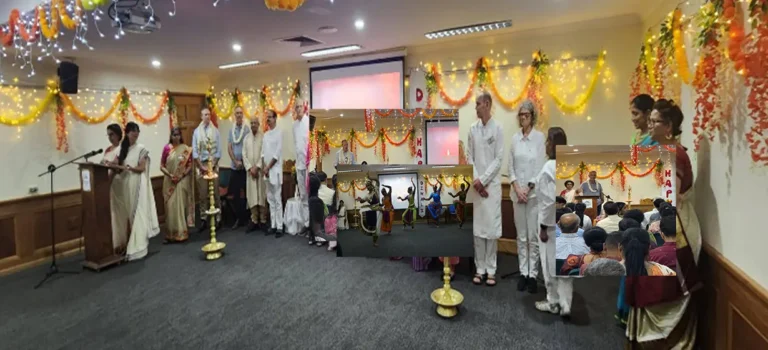
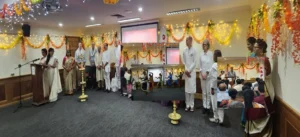
 The Springwood Community Centre glowed with warmth and fellowship on October 25 as Brahma Kumaris Shailer Park hosted a community Diwali celebration that drew around 150 attendees, including dignitaries, families and friends from across the local area.
 Guests of honour included Mick de Brenni MP, State Member for Springwood, and Cr. Paul Jackson, who both addressed the gathering. Their remarks touched on the spirit of Diwali, the benefits of meditation for personal and community wellbeing, and the value of multicultural harmony in shaping a resilient, welcoming community. They were joined by ten other local VIPs who lent their support to the celebration.
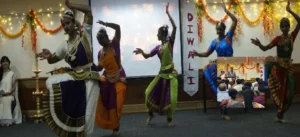
 Cultural performances—music, dance and singing by both children and adults—brought the hall to life and showcased the intergenerational enthusiasm that Diwali inspires. Laughter, applause and the soft glow of lamps created a festive atmosphere as participants shared stories, rhythms and traditions.
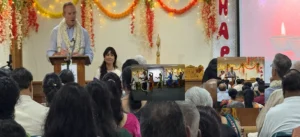 True to Brahma Kumaris custom, the evening concluded with toil (blessed sweets) and blessing, along with light snacks that encouraged conversation and connection. Attendees left carrying the festival’s message of inner light—renewed in spirit and strengthened in community.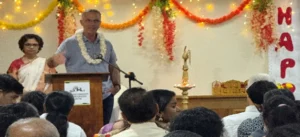
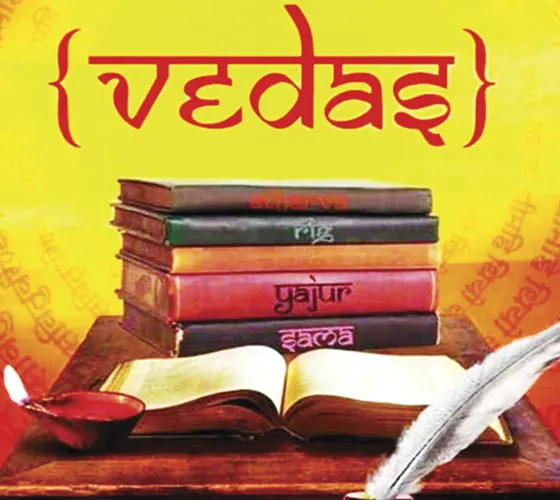
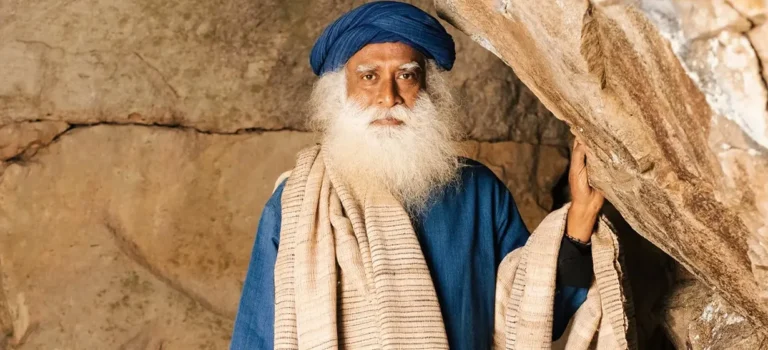
 Being beyond these two things essentially means being beyond memory, because memory means past. You can dabble with the past as much as you want, but nothing new will happen. You can produce permutations and combinations from what you have – the old may get painted – but nothing new will happen.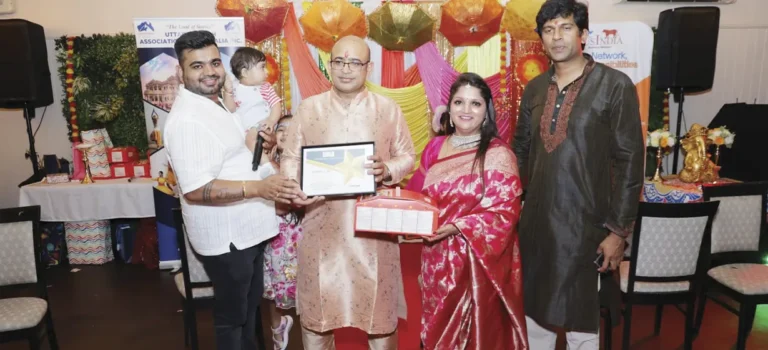
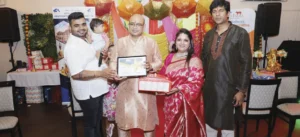
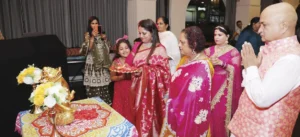

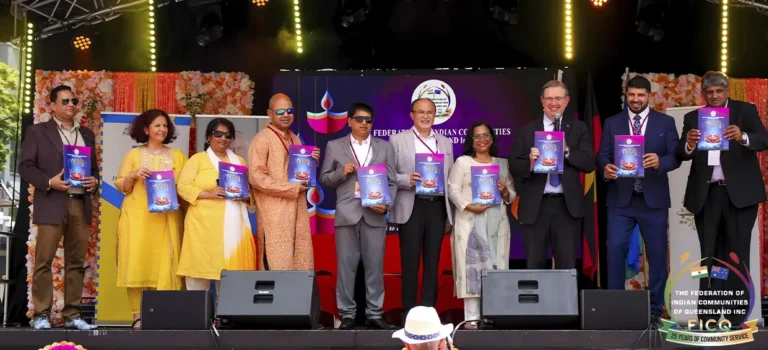
 The Federation of Indian Communities of Queensland (FICQ) hosted its grand annual Diwali Festival at King George Square, Brisbane, on 24th October from 11am to 10pm, bringing together thousands from across Queensland in a vibrant celebration of light, joy, and cultural unity.
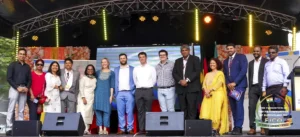 The day began with a Citizenship Ceremony, welcoming new Australians in the true spirit of Diwali — symbolising renewal, belonging, and hope. A High Tea for invited dignitaries followed in the afternoon, providing an opportunity for meaningful engagement between government representatives, community leaders, and cultural organisations before the official evening function.
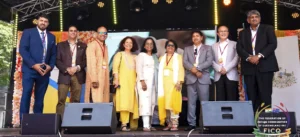 The official function started with The Acknowlegement to country by Aunty Peggy Tidyman followed by the welcome address, – FICQ President Dr Preethi Suraj. She reflected on the deeper meaning of Diwali, describing it as “a festival of hope, renewal, and togetherness,” and highlighted the vital role of Queensland’s Indian diaspora.
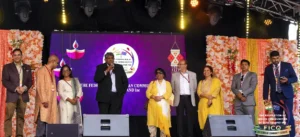 “Our community continues to grow and contribute vibrantly to every aspect of Australian life — from education and business to health, technology, and public service,” Dr Suraj said. “Together, we are creating pathways for our next generation to thrive, stay connected, and feel proud to be Australians of Indian heritage.”
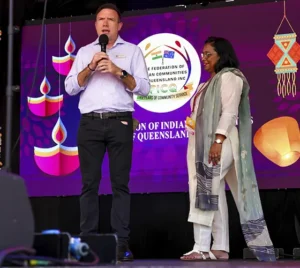 Distinguished guests included Ms Madonna Jarrett MP (representing the Prime Minister, Hon. Anthony Albanese), Hon. Susan Ley MP (Leader of the Opposition), Hon. Fiona Simpson MP (Minister for Women and Minister for Multiculturalism), Mrs Neetu Bhaagotia (Consul General of India, Brisbane), Senator Paul Scarr, and Cr Adrian Schrinner, Right Honourable Lord Mayor of Brisbane, among others.
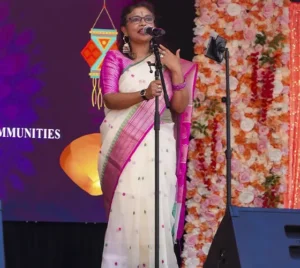 Attendees include local, state, and federal dignitaries, along with members of various Indian community organizations, also emphasised the strength and unity of Queensland’s multicultural fabric, reaffirming their commitment to fostering harmony and inclusivity across Queensland. This year’s cultural program showcased the rich diversity of Indian art and performance, the Diwali celebration showcased traditional music, dance, and culinary delights, providing a platform for cultural exchange and mutual respect.
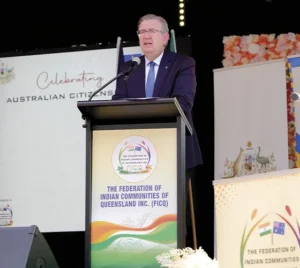 The event concluded with a Vote of Thanks by Mrs Sunita Avadhani, Assistant Secretary, FICQ, who expressed gratitude to dignitaries, performers, sponsors, volunteers, and the Brisbane community for their continued support.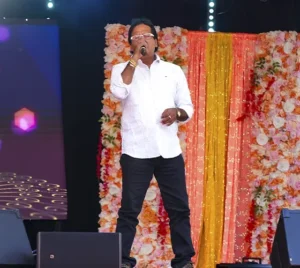
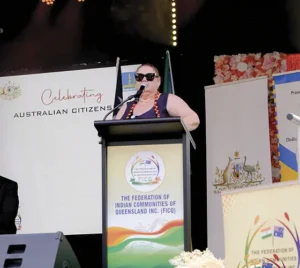
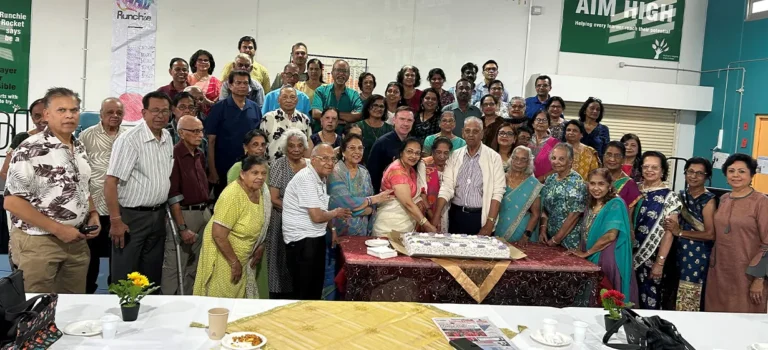
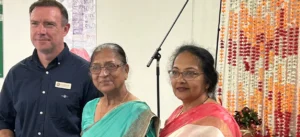
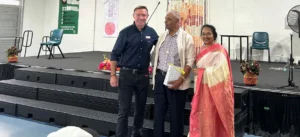
 To celebrate seniors is to say thank you — not just for what they’ve given, but for who they are. It’s a thank-you for the sacrifices they made when no one was watching, for the love they offered freely, and for the stability they provided in times of uncertainty.
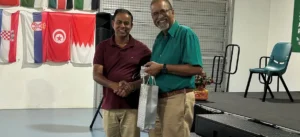
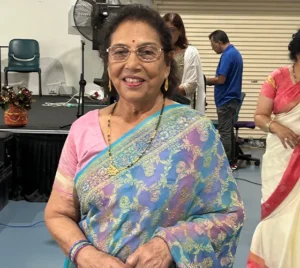
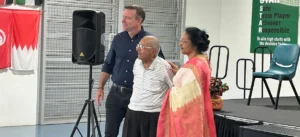 ISCA celebrated this special day by presenting recognition awards to some very deserving seniors and thanking the past Presidents and few other Senior members for their service, outstanding leadership, dedication and commitment.
 The President of ISCA, Mrs Roshni Sharma thanked the Seniors for their time, effort and commitment in building the Association over the years.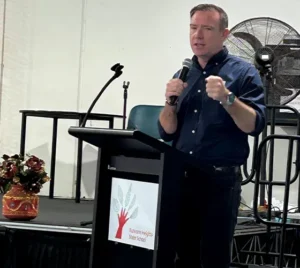
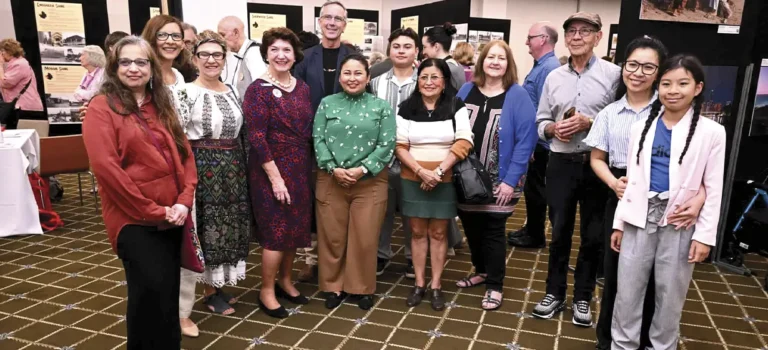
 As of November 8th, we’re only seven weeks away from Christmas! The holiday season is fast approaching, and it’s a perfect time to reflect on the year that’s flown by. It’s also a reminder that the Brisbane Indian Times family is here for you. Whether you need support or simply want to stay connected with what’s happening in our community, we’ve got you covered. I’m incredibly thankful for the opportunity to contribute to Australian Indian Times this year, and I’d like to extend a special thanks to the Deo family, especially my mentor and friend, Jitendra Deo, for their continued support. Your feedback motivates me every day, and I truly enjoy connecting with you all when I’m out in the community.
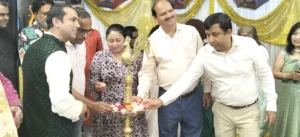
 Let me start by wishing Happy Diwali to everyone who celebrated! This year, Diwali—the Festival of Lights—was observed between October 21st and November 1st. It was a special time for families to come together, light up their homes, and honour Goddess Lakshmi with Lakshmi Puja. I had a wonderful time at the Diwali – Festival of Lights celebration, reconnecting with old friends and making new ones. A heartfelt thank you to Sargam Music Academy—Bondita Chakraborty, Mithun Chakraborty—and Platinum Events Services Gold Coast—Manish Saini, Pushpinder Oberoi, and their teams for organising such an unforgettable evening.
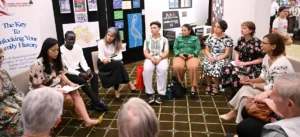
 In early October, I had the honour of speaking at the Greater Brisbane 100 (B100) event at Brisbane City Hall. It was a truly memorable experience to be part of this celebration of Brisbane’s rich history and transformation. Alongside my mother, Nayda Hernandez, and the incredible Mahnaz Abbasi, I shared my story during the “Borrow A Brissy: Stories
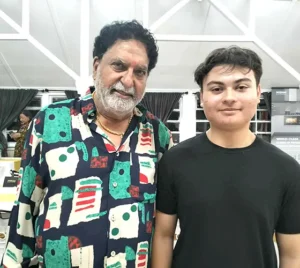 Across Cultures” session. At just 15 years old, it was an invaluable opportunity to reflect on how Brisbane’s diversity has shaped who I am today. I spoke about my passion for volunteering and how the community I’m proud to call home has helped shape my journey. I also took a moment to acknowledge JD Deo and our Brisbane Indian Times team for their hard work in making Brisbane a wonderful place to live and for their invaluable investment in the community and youth.
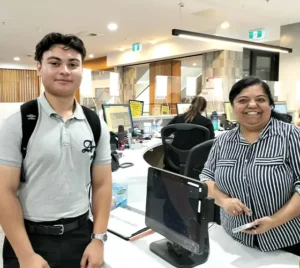
 I’d also like to express my gratitude to Dr. Michael Ho and his staff for making me feel so welcome during my work experience at Allcare Inala Medical Centre, Saigon Plaza. It was inspiring to see so many people from diverse backgrounds receiving the care they need from staff who come from all walks of life. I am appreciative of his guidance and inspiring me to continue my pursuit of becoming a doctor.
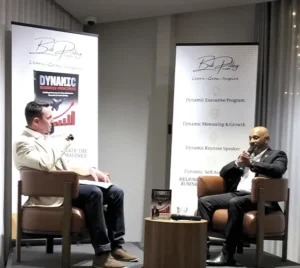
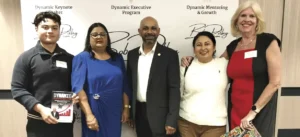 In addition, I had the privilege of attending Bob Pillay’s VIP book launch, and I’m now thoroughly enjoying reading his book. I’ve known Bob and his wife, Pravinita, for over a decade, and it’s been amazing to see them succeed while also giving back to the community. Bob’s new release, Dynamic Business Principles, shares his journey in Aerospace & Defence and a five-step process for business growth and personal success. I highly recommend this book to anyone looking to elevate their business and life. You can grab a copy at BobPillay.com.
 Now, if you love cricket as much as I do, you’ll be excited to hear about the India vs Australia cricket series taking place this October and November. The series includes three ODIs—October 19th in Perth, October 23rd in Adelaide, and October 25th in Sydney—followed by five T20Is—October 29th in Canberra, October 31st in Melbourne, November 2nd in Hobart, November 6th in Gold Coast, and November 8th in Brisbane. These matches have been packed with incredible performances and fierce competition.
 November is shaping up to be a busy month for our community. In addition to Diwali, we’ll come together on November 11th for Remembrance Day to honour the service and sacrifice of our veterans. We’ll also celebrate International Men’s Day on November 19th, and on November 25th, we’ll observe International Day for the Elimination of Violence Against Women, marking the start of the 16 Days of Activism campaign. These important dates offer us all a chance to reflect and support causes that affect many in our community.
 There is a myth that says buying a home is the be all and end all.