A Delicate Balance: India Welcomes Iran-U.S. Ceasefire as Humanitarian Aid Reaches Tehran
In a significant diplomatic breakthrough that has sent ripples of cautious optimism across the globe, a ceasefire agreement between Iran and the United States has been brokered, with Pakistan serving as the unexpected primary mediator. The development, finalized this weekend, aims to de-escalate months of heightened regional tension.
India has officially welcomed the agreement, maintaining its long-standing commitment to regional stability while simultaneously reinforcing its role as a “first responder” through a major humanitarian outreach to Iran.
Strategic Neutrality and Regional Peace
The Ministry of External Affairs (MEA) in New Delhi issued a measured statement shortly after the announcement, praising the cessation of hostilities. “India has always maintained that dialogue and diplomacy are the only paths forward in resolving complex international disputes,” the statement read.
India’s position is a masterclass in strategic autonomy. While New Delhi shares a “Comprehensive Strategic Partnership” with the United States and has deep defence ties with the West, it also views Iran as a critical gateway to Central Asia through the Chabahar Port. By welcoming the Pakistan-brokered talks, India has prioritized the prevention of a wider regional conflict that could disrupt global energy markets and the safety of the Indian diaspora in the Gulf.
Humanitarian Diplomacy: The Second Medical Shipment
Beyond the diplomatic statements, India has let its actions on the ground speak for its priorities. Even as the ceasefire was being negotiated, India dispatched its second major shipment of essential medical supplies to Tehran.
The consignment, which includes life-saving medicines, surgical equipment, and specialized vaccines, arrived at Imam Khomeini International Airport via a dedicated Indian Air Force transport aircraft. This follows a previous shipment sent earlier this year, solidifying India’s reputation as a reliable humanitarian partner.
International observers have praised India’s “Medical Diplomacy.” By providing aid during a period of conflict, New Delhi has managed to maintain a neutral political stance while demonstrating a clear moral commitment to civilian welfare. This approach has earned accolades not only from the Iranian government but also from international relief agencies who have highlighted the dire need for medical infrastructure in the region.
The View from Australia
For the Indian Australian community, these developments carry significant weight. As a nation with a vested interest in a free and open Indo-Pacific and stable trade routes through the Middle East, Australia views any de-escalation between Washington and Tehran as a positive step.
Members of the diaspora in Queensland, many of whom are engaged in international trade and medical professions, have noted that India’s ability to navigate these “troubled waters” is a testament to its maturing foreign policy. The ability to provide aid to Iran while maintaining a robust partnership with the U.S. showcases a diplomatic dexterity that benefits the entire global community.
Looking Ahead
As the ceasefire takes hold, the focus will shift to whether this temporary pause can be converted into a long-term diplomatic resolution. For India, the priority remains the protection of its strategic interests and the continued flow of humanitarian support.
In a world increasingly defined by polarization, India’s dual approach and welcoming peace talks brokered by a neighbour while providing tangible aid to a friend, serves as a reminder that humanitarianism can often bridge the gaps that politics cannot. For the readers of the Australian Indian Times, this moment represents India’s firm emergence as a balanced, responsible global power.
Eid Celebration Highlights Strength of Multicultural Community
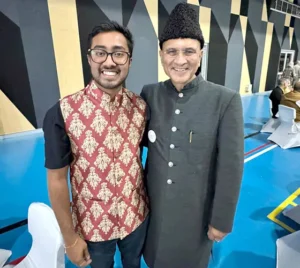
A vibrant Multicultural Eid Dinner organised by Crescent AusIndia Inc brought together people from across the community for an evening of celebration, connection and shared values.The event welcomed a number of distinguished guests, including Federal Speaker Milton Dick, along with Julie-Ann Campbell MP, James Martin MP and Peter Russo MP. Their attendance reflected strong support for community-led initiatives that promote inclusion and cultural harmony.
Community and multicultural leaders from various organisations were also present, adding to the spirit of togetherness that defined the evening. The gathering served as a reminder of how important such events are in building bridges between different cultures and backgrounds.
The program featured a mix of meaningful and entertaining segments. Young participants impressed the audience with Quran recitation and the national anthem, while a range of cultural performances brought energy and enjoyment to the night. The performances were warmly received and appreciated by all in attendance.The success of the event was made possible through the support of key organisations including Brisbane City Council, Federation of Indian Communities in Queensland (FICQ), Queensland Muslims Inc (QMI), Urdu Forum, Muslim Charitable Foundation (MCF) and GOPIO Brisbane, along with several generous sponsors. Their contributions helped create a welcoming and well-organised event for the community.
Guests were treated to a delicious dinner along with a variety of homemade desserts, adding a personal and festive touch to the celebration. The evening also featured special treats that were particularly enjoyed by families and children.Crescent AusIndia Inc was commended for its efforts in organising the event, with many acknowledging the time and dedication required to deliver such a successful program. The dinner provided a valuable opportunity for people from different walks of life to come together, interact and celebrate in a positive environment.
The Multicultural Eid Dinner stood as a strong example of unity in diversity, leaving attendees with a sense of connection and community spirit that extended beyond the evening itself. www.crescentausindia.org.au
Dear reader, it is our joy to bring to you the word of God. As we celebrate Easter week, we are reminded that Easter is not simply a date on the calendar. It is a profound journey — one that begins in sorrow, moves through silence, and ends in hope. From Good Friday to Resurrection Sunday, the Easter story speaks to the deepest human experiences: suffering, waiting, and renewal. In a world often marked by uncertainty, turbulence, suffering, division, and fatigue, this ancient message remains surprisingly relevant — not only for believers but for anyone seeking meaning, purpose, and hope.
Good Friday confronts us with sacrifice. It is a day that reflects love expressed through suffering, forgiveness extended in the face of injustice, and humility shown in the midst of pain. The cross reminds us that compassion can exist even when circumstances seem cruel. It challenges us to consider how we respond to hardship — whether with anger and retaliation, or with grace and mercy.
But the Easter story does not end with Good Friday. Between the cross and the empty tomb lies a quiet, often overlooked period — the waiting of Holy Saturday. This is the space where uncertainty lives. It is the time when hope seems hidden, when answers are not yet visible, and when faith is tested. Many of us recognize this space in our own lives — moments of loss, confusion, or transition where we wonder what comes next. Easter reminds us that these silent seasons are not empty; they are often the very ground where transformation begins.
Then comes Resurrection Sunday — the turning point. The empty tomb proclaims that despair is not final, that darkness does not win, and that new life can emerge from what seemed lost. The Resurrection is a message of renewal — of second chances, restored hope, and fresh beginnings. It tells us that no matter how difficult the journey, there is always the possibility of a new dawn.
Key reflections for this Easter.
• Pain is part of the human story — everyone faces challenges at some point in life. While struggles can feel heavy and unfair, they often teach us patience, resilience, and understanding. Difficult moments can shape our character, helping us grow stronger and wiser. They also deepen our compassion, allowing us to relate to others and offer kindness when someone else is hurting. In this way, pain doesn’t only test us; it can also guide us toward empathy, personal growth, and a greater appreciation for both our own journey and others’ experiences.
• Forgiveness breaks cycles of hurt — choosing grace opens doors to healing. When we forgive others, we loosen the grip that pain and resentment have on our hearts. Holding onto anger may feel justified, but over time, it often keeps us tied to the very moment that wounded us. Forgiveness doesn’t mean forgetting what happened or saying it was okay; it means deciding that the hurt will not control your future.
• Community matters – supporting one another reflects the spirit of Easter, reminding us that kindness, compassion, and sharing hope can strengthen our bonds and lift those around us. When we care for each other, we live out the true meaning of love and renewal.”
Easter invites teaches us that victory does not always look like power, and that transformation frequently begins in weakness. It challenges us to examine our own lives: Are we holding onto bitterness? Are we afraid to begin again? Are we willing to believe that hope is still possible?
The message of Easter also calls us to extend grace beyond our comfort zones. It encourages us to reach out to those who feel forgotten, to listen to those who feel unheard, and to stand beside those who feel alone. In doing so, we become part of the resurrection story — bringing light into dark places.
This Easter, as families gather, communities celebrate, and individuals pause for reflection, may we all consider the journey from Good Friday to Resurrection morning. It is a reminder that life’s darkest hours can give way to light, that hope can emerge from silence, and that love — persistent, patient, and forgiving — has the power to transform our world.
May this season inspire us to live with compassion, act with courage, and share hope generously with everyone around us — believers and unbelievers alike.
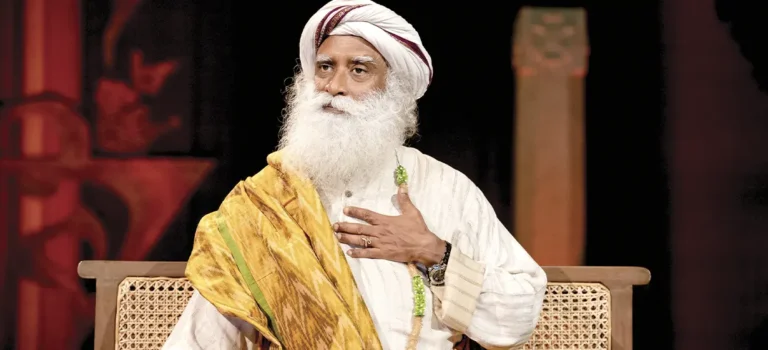
Sadhguru: Whatever people generally call as “love” right now, tends to be between man and woman because nature has created a certain attraction between man and woman. This attraction is crucial for the survival of the race. If you look at this physical urge that you refer to as sexuality, you will see, the urge is to become one with something. It is not just about doing this or that. Somewhere, there is a longing in you that being yourself is not sufficient. You want to include another person as a part of yourself. So, sexuality is just a longing to become one with something more than that which you call as yourself – the basic longing is just to seek oneness.
Oneness means yoga. You are seeking to become one with something, but if you become one with a woman or a man, it is not sufficient. Initially, you may have really believed it was sufficient. But once you go through that, you will see, it is not. A fool will think he wants to become one with more and more people in that way, but still it will not fulfill you. If you go through a whole lifetime of that, it does not get you anywhere.
Equally, your desire to have more money, more property, more power, more pleasure, more love is simply your spiritual longing, but without awareness. Whether you desire sex, money, pleasure, property, power, whatever, your desire is right, but you are not giving it the right direction, that is all.
Your desire is still wanting to become one with something more than yourself, but you need to understand that getting one woman or one man, or one this or one that is not going to fulfill you. It seeks more, and more. What is it that your desire is finally seeking? It is seeking unboundedness. It wants to become one with everything.
In life, it does not matter what you include as a part of yourself, whether you include a man or a woman or one dozen children, still your life is not fulfilled. When you are young, you think “Oh, if I got married to this particular person, my life will be complete.” It may bring some happiness and comfort into your life, but it does not fulfill you.
Once you realize that, you think “Oh, we don’t have children. That is why we are like this. If I bear a child, everything will be okay.” You could have one or one dozen, but nothing happens. We produced one billion people in this country. Do you think everybody is realized and fulfilled? We go on bearing children without limit, but still, where is fulfillment? Do you see fulfillment on people’s faces? It is not happening.
So, either you go through all these experiences at the cost of a whole lifetime, or you look at all these people and see. They have done all these things, it has not gotten them anywhere. It is very obvious. You look at a sixty-year-old man who has gone through every process of life: of ambition, of power, of sex, of children, of love. If you look at his face and see, is it a face of fulfillment? No. If you have the intelligence to understand this from other people’s experience of life, you will see these things will not get you anywhere. This is why the yoga sutras start this way, “And now Yoga.”
The most basic instinct in you is always to become one with something or somebody. This is a spiritual instinct. It is just that you give expression to your spiritual instinct in a materialistic way. If you bring awareness to whatever you refer to as the most basic instincts, you will see, you will start on a spiritual journey. Right now, you are doing it without awareness, that is why it is remaining a limited process.
Ranked amongst the fifty most influential people in India, Sadhguru is a Yogi, mystic, visionary and a New York Times bestselling author. Sadhguru has been conferred the Padma Vibhushan by the Government of India in 2017, the highest annual civilian award, accorded for exceptional and distinguished service. He is also the founder of the world’s largest people’s movement, Conscious Planet– Save Soil, which has touched over 4 billion people.
Bhagavad Gita Chapter 14 Guna-Traya Vibhag Yog – The Yog of Distinction between the three Qualities Shree Bhagavan Krishna said:
1. Again, I shall declare to you the supreme knowledge, which is the best of all knowledge. Having known that all the sages have gone from this world to the highest accomplishment.
2. Resorting to this knowledge and attaining the essence of my nature, they are not born again at the time of creation nor do they tremble at the time of dissolution.
3. The great Brahm is my womb. Within it I place the seed. From that emerges the origin of all beings, O Bharat Arjun.
4. Whatever forms are produced in any womb, O Kaunteya Arjun, the great Brahm is their womb, and I am the seed-giving father.
5. Sattva (goodness), rajas (passion)and tamas (dullness) are the gunas (qualities), born of material nature. O Mahabaho Arjun, they fasten the imperishable dweller of the body in the body.
6. Of these, sattva, being pure, causes illumination and freedom from disease. O Anagh (sinless) Arjun, it binds by attachment to happiness and by attachment to knowledge.
7. Know that rajas is characterised by passion, that arises from craving and attachment. O Kaunteya Arjun, it binds fast the embodied one by attachment to action.
8. Certainly, know that tamas is born of ignorance, which deludes all embodied beings. O Bharat Arjun, it binds fast with negligence, laziness and sleep.
9. Sattva causes attachment to happiness and rajas to action, O Bharat Arjun. But, by obscuring knowledge, tamas causes attachment to negligence.
10. Sattva prevails overpowering rajas and tamas, O Bharat Arjun. Rajas prevails overpowering sattva and tamas, and likewise tamas prevails overpowering sattva and rajas.
11. When the light of knowledge shines forth through all the openings of the body, then one should know that sattva has increased.
12. Greed, exertion, undertaking of actions, restlessness and craving; these spring up when rajas is dominant, O Bharatarshabh Arjun.
13. Darkness, absence of exertion, negligence and delusion arise when tamas reigns, O Kurunandan Arjun.
14. When an embodied being meets its end under the dominance of sattva, then it attains the pure world of those who know the highest.
15. Meeting with dissolution when rajas prevails, it is born among those who are attached to action; and if it dies during the dominance of tamas then it is reborn from the wombs of the deluded.
16. The fruit of a well-done action is said to be sattvic and pure, whilst the fruit of rajas is pain and that of tamas is ignorance.
17. From sattva arises knowledge and certainly greed from rajas. Negligence and delusion arise from tamas and ignorance too.
18. Those established in sattva move upwards and those situated in rajas stay in the midway. Those with tamasic attributes immersed in viler qualities and tendencies slide downwards.
19. When the seer perceives that there is no doer other than the qualities, and also knows that, which is higher than the qualities then he or she attains my being.
20. After transcending these three qualities, which are born of its contact with the body, the embodied being is released from the pain of birth, death and old age and enjoys immortality.
Arjun said:
21. O Lord, by what signs is the person who has transcended these three qualities recognised? What is the conduct of his or her life? How does that person get beyond these three qualities?
Shree Bhagavan Krishna said:
22. O Pandav Arjun, a person who does not abhor illumination born of sattva, exertion born of rajas and delusion born of tamas when they arise, nor crave for them when they cease;
23. Who remains seated as if unconcerned and undisturbed by the qualities, stands firm and does not flicker considering that it is only the qualities that act;
24. Who regards pain and pleasure alike, who dwells in one’s own self, who looks upon a clod, a stone and gold as of equal worth, who remains the same amidst pleasant and unlikable things, who is steadfast and is even-minded in blame and praise of the self;
25. Who holds alike honour and dishonour, who is impartial to friends and foes, who has given up all initiatives for action, that person is said to have transcended the qualities.
26. And one who transcending these qualities serves me with unwavering and exclusive devotion, becomes worthy for absorption into the Brahm.
27. I am the abode of Brahm, the immortal and imperishable, and of eternal laws and of ultimate bliss.
Thus ends the fourteenth chapter, entitled Guna-Traya Vibhag Yog – The Yog of Distinction between the three Qualities containing the discourse between Shree Krishna and Arjun in the Upanishad called the Bhagavad Gita, the science of Brahm, the scripture of Yog.
Bhagavad Gita
Chapter 15
Purushottam Yog – The Yog of the Supreme Spirit
Shree Bhagavan Krishna said:
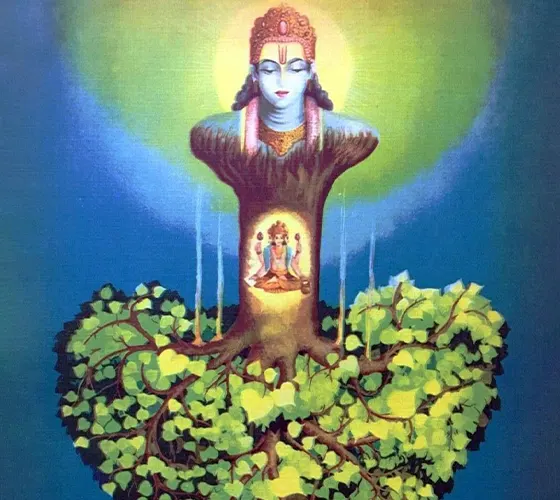
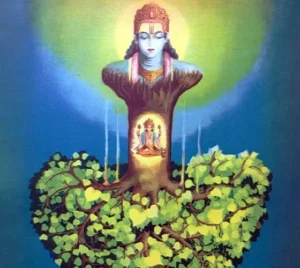
1. It is said that there is an imperishable Ashvatth (peepal tree) that has its roots above and branches below, and its leaves are the Vedic hymns. The one who understands this tree is a knower of the Veds.
Ashvatth symbolises the cosmic process of life. Ashva + stha is also interpreted as a place where a horse stays. The horse denotes the senses.
2. Its branches nourished by the qualities of material nature spread out downwards and upwards with sprouts made of objects of the senses, while its roots in the form of action creating bonds stretch deep down in the world of human.
3. The real form of this tree is not perceived in this world; nor its end, nor its beginning nor its foundation. One can cut this Ashvatth tree with well-grown roots by the strong weapon of detachment;
4. Then that goal from which those who have reached it never return is to be sought, saying ‘I take refuge in the primal spirit from whom the ancient current of the world has streamed forth’.
5. Those, who are free from pride and delusion, who have conquered the evil of attachment, who constantly dwell in the supreme self, who have turned away from desires, who are free from the dualities known as pleasure and pain and are not confused attain to that eternal place.
6. The sun does not illumine that place, nor the moon nor the fire. That place is my supreme abode, from which those who reach it never return.
7. A fraction of my own self becomes an eternal individual soul in the world of living. It attracts to itself from material nature the senses of which the mind is the sixth.
8. When the lord acquires a body and also when he departs from it, he goes taking them along, like the wind blowing fragrances from their sources.
9. The individual soul presiding over hearing, sight, touch, taste and smell, and also over the mind enjoys the objects of senses.
10. The deluded do not perceive him when he accompanied by the qualities of material nature departs or stays or enjoys sense objects, but those who have the eye of knowledge see him.
11. The striving yogis perceive him as established in their self, but the thoughtless ones whose selves are unprepared, though striving, do not see him.
12. The brilliance of the sun that illumines the entire world, and that which shines in the moon and in the fire too; know that brilliance to be mine.
13. Entering the earth, I support all beings with my energy, and becoming the moon, I cause all plants to thrive by nourishing them with the juice of life.
14. Becoming the digestive fire of life in the bodies of living creatures and mingling with the inhaling and exhaling breaths, I digest four kinds of food.
15. Likewise, I am lodged in the heart of all beings. From me come memory, knowledge as well as their loss. I alone indeed am the one who is to be known by means of all the Veds. I am the author of the Vedant and also the knower of the Veds.
16. There are two types of spirits in this world, the perishable and the imperishable. All beings are perishable and the unchanging is called the imperishable.
17. But the highest spirit is another, called the supreme self, who entering into the three worlds as the eternal lord, sustains them.
18. Since, I transcend the perishable and am even higher than the imperishable, I am celebrated as the supreme spirit in the world and in the Veds.
19. Those who, without being steeped in ignorance, perceive me as the supreme spirit, are knowers of all, and worship me unreservedly with their whole being, O Bharat Arjun.
20. Thus, I have revealed to you the most secret doctrine, O Anagh Arjun. By knowing this, one becomes wise and fulfills all his or her duties, O Bharat Arjun.
Thus ends the fifteenth chapter, entitled Purushottam Yog – The Yog of the Supreme Spirit, containing the discourse between Shree Krishna and Arjun in the Upanishad called the Bhagavad Gita, the science of Brahm, the scripture of Yog.
Two suitcases, two worlds: A journey from student visa to Australian Citizenship
By Rinchaal Patel, Mindset and Relationship Coach, YOLO Academy
When I first arrived in Australia as a wide- eyed 18-years old in the 2000s on a student visa, my suitcase was full of Maggi packets, Parle-G, and familial expectations. I had no idea how profoundly this journey would shape me. Initially, like any other 18-year-old, I was relieved that I can now finally sleep-in and do things my own way and won’t have parents waking me up early to study for exams. I was finally going to be free.
Little did I realise that this move here would come up with its own challenges and would push me so far out of my comfort zone. Back then, “international student” wasn’t a lifestyle brand, it was a test of resilience. Today, as an Australian citizen looking back, I see both how far we have come and how much has changed for those arriving now.
To the younger migrants stepping off planes today: welcome. You are about to begin one of the most transformative chapters of your life. And yes, things are easier now in many ways. But in some ways, they are also harder.
When I arrived, there was no WhatsApp, no social media platforms that allowed you to make calls back home so freely. Calling home meant carefully rationed minutes on a prepaid phone card, often with a queue of other homesick students waiting behind you. Today, you can video call your parents while walking down street.
We did not have no Google Maps/ sharing live locations guiding you to your lecture theatre, or to places unknown. If you got lost, you asked a stranger or just accepted your fate. We learned how to navigate public transport without apps. There was a quiet pride in figuring things out the hard way. Today, technology has removed many of those barriers, but it has also made it easier to stay isolated.
So, here’s my first advise: Be present in the world you are in, rather than living in two worlds. Put your phones away and talk to the people around you who don’t understand your accent. Make friends outside your desi friends group and explore different cultures that make Australia a desirable place to live. Growth happens when you immerse yourself here. Your Australian experience shouldn’t just be academic; it should be deeply human.
Back in the 2000s, survival skills came before social life. We learned how to cook, out of necessity, ready-to-eat packs of curries only tasted good when we were hungry or in a bind, but the costs would start adding up, and eating takeout everyday was not feasible.
We learned how to budget every dollar, and it somehow is the same for those coming today, but there are options of having tiffin services that provide home cooked meals at a reasonable price. There are also more frozen food options now available. You can even learn to cook something watching Youtube vidoes, insta reels.
Even though the costs are higher, competition is tougher, and part-time work is more structured now, the principle remains the same: respect your money. Every dollar you earn represents your time, your effort, and often your family’s sacrifices back home. Budget wisely. Avoid the temptation to “live like an influencer.” Those $25 brunches on the weekend do tend to add up.
Here’s my second piece of advice: convenience can quietly limit your growth. Learn to cook, not just because it’s cheaper, but because it’s grounding. Say yes to invitations, even when they feel unfamiliar. Share our culture through food with strangers. Food has a magical way of turning strangers into friends. And yes, try vegemite at least once.
Another thing that hasn’t changed much is the emotional rollercoaster.
There will be days when you feel incredibly independent and proud and others when you wonder why you ever left home. That’s normal. I still remember my first Diwali, going to the temple, no firecrackers only sparklers, no loud music or fun with cousins. However,
I wasn’t alone in this experience. There were many others like me at the temple, sharing the magic of Diwali away from home, with friends and strangers who were feeling the same mixed emotions I was feeling, sad from being away from families but taking comfort that we could still celebrate it. It wasn’t the same as celebrating with family, but it was beautiful in its own way.
Here’s my third piece of advice: You are not losing your culture, you are expanding it. Yes, celebrations may not be the same as they were back home, it is about being part of the community and engaging in activities that nurture the feelings of belonging in us. Attend events hosted by different icons of the community and enjoy the modified taste of the culture.
Let’s talk about the pressure many of us felt in the early days. The pressure to “fit in”. Some tried to hide their accents, their food, even their names. Today, Australia is far more multicultural and accepting, but that doesn’t mean identity struggles have disappeared.
Here’s my last piece of advice? Own who you are. Your story, your migration journey, is your strength. Your bilingual brain, your adaptability, your ability to navigate different worlds, these are assets, not limitations. Don’t dilute them to blend in.
Years from now, you will remember the lifelong friends you made sharing the journey, your chosen family. You will remember the good days and the impact of every struggle had on your life choices. You will remember the resilience you uncovered and the person you became along the way. You will remember the moments that made you feel at home in a place that once felt foreign.
Australia gave me more than a degree. It gave me perspective, resilience, and a second home.
The Vedas represent the oldest layer of Sanskrit literature and the oldest scriptures of Hinduism. Derived from the root word Vid (to know), “Veda” literally translates to “Knowledge.” They are not considered the compositions of human authors but are categorized as Shruti—that which is “heard” or revealed. According to tradition, ancient sages (Rishis) perceived these eternal truths in states of deep meditation and articulated them into the hymns we study today.
To understand the Vedas is to explore the blueprint of a civilization that sought to harmonize the internal spirit with the external universe.
The Fourfold Structure of Vedic Literature
The Vedic corpus is divided into four primary texts, each serving a distinct liturgical and philosophical purpose.
1. Rig Veda: The Book of Mantra
The Rig Veda is the foundation of all Vedic knowledge, consisting of 1,028 hymns (Suktas) organized into ten books (Mandalas). These hymns are primarily addressed to deities representing natural forces, such as Agni (Fire), Indra (Thunder/Rain), and Surya (Sun). It explores the relationship between humanity and the divine through the lens of gratitude and cosmic order.
2. Sama Veda: The Book of Song
The Sama Veda is the “Veda of Chants.” While much of its text is drawn from the Rig Veda, it is rearranged specifically for musical rendering during rituals. It underscores the importance of vibration and sound (Nada) as a vehicle for spiritual elevation.
3. Yajur Veda: The Book of Ritual
The Yajur Veda serves as a guidebook for priests. It contains the prose mantras and instructions necessary for performing the Yajnas (sacred rituals). It is divided into two parts: the Shukla (White) and Krishna (Black) Yajur Veda, focusing on the mechanical and symbolic aspects of sacrifice.
4. Atharva Veda: The Book of Spell and Science
Often distinct from the first three, the Atharva Veda deals with the practicalities of daily life. It includes prayers for healing, protection against disease, and ethical conduct. It bridges the gap between high philosophy and the immediate needs of a functioning society.
The Evolution of Vedic Knowledge
Each of the four Vedas is further subdivided into four layers, representing a progression from external ritual to internal realization:
1. Samhitas: The core collection of hymns and mantras.
2. Brahmanas: Explanatory texts detailing the “how-to” of rituals.
3. Aranyakas: “Forest books” that begin to shift focus from ritual to meditation.
4. Upanishads: The concluding portions (Vedanta) that explore the nature of the soul (Atman) and the ultimate reality (Brahman).
Core Teachings and Philosophical Pillars
The teachings of the Vedas are vast, but they are anchored by several “Mahavakyas” (Great Sayings) and fundamental concepts that continue to influence global philosophy.
1. The Cosmic Order
The concept of cosmic order is perhaps the most vital Vedic contribution to ethics. It suggests that the universe operates on an inherent, rhythmic order. The seasons, the movement of stars, and the cycles of life are all governed by cosmic order. Human morality (Dharma) is seen as the act of living in alignment with this cosmic rhythm. When we act selfishly or destructively, we disrupt cosmic order; when we act with integrity, we sustain it.
2. Vasudhaiva Kutumbakam: The World is One Family
A recurring theme in Vedic thought is the radical unity of existence. The Vedas teach that the same spark of consciousness resides in all beings. This isn’t just a social sentiment but a metaphysical claim: because we all share a common source, the suffering of one is the suffering of all. This teaching serves as the foundation for non-violence (Ahimsa) and compassion.
3. The Quest for Truth (Satya)
The Rig Veda famously proclaims: “Ekam Sat Vipra Bahudha Vadanti”—Truth is One, but the wise call it by many names. This teaching fosters a unique sense of pluralism. It suggests that different religions, philosophies, and paths are simply different languages describing the same ultimate reality.
4. The Purusharthas: The Four Goals of Life
The Vedas provide a balanced framework for a fulfilling human life, suggesting that four objectives must be pursued:
• Dharma: Righteousness and duty.
• Artha: Material prosperity and security (necessary for a stable life).
• Kama: Aesthetic and emotional pleasure.
• Moksha: Spiritual liberation and freedom from the cycle of rebirth.
The Concept of Yajna: Sacrifice as Service
In the Vedic period, the Yajna (fire ritual) was the central act of worship. However, the teachings make it clear that the physical fire is a symbol for the internal fire of transformation.
The core philosophy of Yajna is Idam Na Mama (“This is not mine”). By offering clarified butter or grains into the fire, the practitioner practices detachment from material possessions. In a modern context, Vedic teachings interpret Yajna as Seva—selfless service. Any action performed for the benefit of the community or the environment, without ego, is considered a Vedic sacrifice.
Relevance in the Modern Era
Despite being millennia, old, Vedic teachings offer profound solutions to contemporary challenges:
• Environmental Stewardship: The Vedas deify nature. By viewing rivers as mothers and forests as sacred, Vedic thought promotes a sustainable relationship with the Earth, contrasting with the exploitative view of nature as a mere “resource.”
• Mental Well-being: The Vedic emphasis on meditation and breath work (further developed in Yoga) provides tools for managing the stresses of the modern digital age.
• Social Cohesion: The principle of Atman—that the same divinity is in everyone—is a powerful antidote to discrimination and social division.
Conclusion
The Vedas are not merely dusty relics of a bygone era; they are a living “manual for humanity.” They do not demand blind faith but rather invite inquiry (Jigyasa). By teaching us to see the divine in the mundane and the infinite in the finite, the Vedas encourage a life of purpose, balance, and profound connection.
As the ancient prayer from the Brihadaranyaka Upanishad beautifully summarizes:
Lead us from the unreal to the Real. Lead us from darkness to Light. Lead us from death to Immortality.
A WOMAN SHOULD NOT HAVE TO SHRINK TO BE LOVED. MARRIAGE MUST HOLD SPACE FOR HER GROWTH, NOT SILENCE HER IDENTITY.” HARVINDER JAIN, AUTHOR.
By Roshika Chand
I’ve always believed that when you understand your purpose and your “why,” the One above aligns you with the right people at the right time.A warm evening in January this year I was invited to a book launch, arriving with curiosity, not knowing what the evening would hold. What unfolded was a story, both beautiful and thought-provoking, that stirred something deeply familiar within me. For me, it wasn’t about marriage itself, but what it can represent in culture: the quiet shaping and at times, silencing of a woman’s voice and identity.
There were moments growing up where silence seemed to be the safer language, where certain parts of me were gently guided to be quieter, softer, less seen. But something within me never quite learnt that dialect. It questioned, it felt, it remained. And perhaps that quiet defiance was never resistance but a calling. A calling to one day to give voice to what often goes unspoken.
In Wifed in India, Harvinder Jain captures a journey that echoes what many of us have witnessed or experienced. The story explores the complexities of marriage within traditional expectations. Where identity, sacrifice, and societal pressure often intertwine. It reveals the tension between personal desires and the cultural role of being a “wife,” while gently unfolding themes of emotional struggle, resilience, and self-discovery.
More than a narrative, the book invites reflection. It brings awareness to evolving gender roles and challenges long-held norms, ultimately reminding us that every woman deserves the space to find her voice within or beyond marriage.
For me, this wasn’t just a book launch. It was a moment of alignment. A reminder that the stories we are drawn to are often the ones we are meant to tell.
Interview with Harvinder Jain Author of Wifed in India
1. What inspired you to write Wifed in India? Was there a personal moment or experience that sparked the story?
Wifed in India is deeply inspired by my lived experiences after marriage. I married outside my
religion, caste, and socio-economic background, and suddenly found myself navigating a completely new social ecosystem.
The unspoken hierarchies, unfamiliar rituals, and subtle expectations were very different from the secular, disciplined environment I grew up in as the daughter of an Army officer.
What struck me the most was how little preparation women receive for navigating these complex social dynamics. We are educated for careers, but rarely taught how to navigate the emotional, cultural, and relational fabric of marriage.
That realisation became the seed of Wifed in India. It also led me to explore what I now call Relationship Intelligence, the ability to understand relational dynamics while remaining
authentic to oneself.
2. The title is very powerful. What does “Wifed” mean to you, and what message were you hoping readers would take from it?
“Wifed” represents a transition. The moment when a woman moves from being an individual to being defined through a role.
In many cultures, especially in South Asia, marriage can quietly reshape a woman’s identity.
Expectations around behaviour, loyalty, duty, and sacrifice suddenly expand.
The word “Wifed” captures that moment of transformation, sometimes empowering, sometimes confusing, and sometimes deeply challenging.
CONTD. ON PG 20
CONTD. ON PG 19
Through the title, I wanted readers to reflect on an important question:
Can a woman remain authentic to herself while honouring the role of a wife?
3. Many women may relate to the themes in your book. What conversations do you hope this story opens in society?
I hope the book opens a deeper conversation about marriage in modern society.
For a long time, women have been told that endurance and sacrifice are the greatest virtues of a wife. I want to gently challenge that stereotype.
With changing economic realities and evolving social roles, we must redefine the role of a wife at a societal level as well in a way that holds space for her to grow as an individual and refine herself while proudly pursuing her skills and aspirations.
This is where Relationship Intelligence becomes important, the ability to navigate emotional dynamics, cultural expectations, and personal identity within relationships.
Through Wifed in India, I hope people begin discussing marriage not as a fixed cultural script, but as a relationship that requires awareness, empathy, and mutual growth.
4. What was the most emotional or challenging part of writing this book for you?
The most challenging part was revisiting the emotional moments that shaped the journey.
Writing requires honesty, and sometimes that means returning to experiences that were confusing or painful at the time.
But I also realised that those moments were not just my story, they reflected struggles many women quietly go through.
Transforming those experiences into something meaningful for readers was both emotional and deeply fulfilling.
5. What do you hope readers feel or reflect on after finishing Wifed in India?
I hope readers feel seen and understood.
Many women believe their struggles in marriage are personal failures, when in reality, they are navigating complex cultural and relational systems.
If readers finish the book with a deeper awareness of themselves and their relationships and begin developing Relationship Intelligence in their own lives, then the book has served its purpose.
Final Note to your readers Harvinder…If you could say one thing directly to women who may see parts of themselves in your story, what would it be?
You are not alone.
Your voice, your identity, and your dreams do not disappear after marriage, they evolve.
The real journey is not choosing between love and authenticity. The real journey is learning
how to find alignment between the two in a way that supports your aspirations in life.
Story by Roshika Chand
Saving tax probably won’t let you retire at 45. It probably won’t make you a millionaire. It might, at best, upgrade you from a regular latte to the one with oat milk and a fancy sprinkle of cinnamon.
But none of that matters — because paying tax still feels like voluntarily donating your wallet to the Government. So grab your coffee and let’s make tax at least mildly entertaining.
—– $20,000 Instant Asset Write-Off… Still Not Dead
Surprise surprise – the Governement has extended a tax rule they kept saying is “temporary.”
The instant asset write off started 1 July 2023 and was meant to end on 30 June 2024.
Yet here we are in March 2026 being told it will be extended to 30 June 2026!
If your business has aggregated turnover under $10 million, you can immediately deduct the business portion of eligible assets costing less than $20,000.
A few key points (before you impulse-buy something shiny):
• Asset must be first used or installed ready for use between 1 July 2025 and 30 June 2026.
• The $20,000 limit applies per asset — meaning multiple assets can be written off.
• It applies to both new and second-hand assets.
• Some exclusions apply — so perhaps call us before converting your “tax strategy” into a Louis Vuitton handbag.
Remember: it’s a deduction, not a 100% rebate. The ATO is not buying you a jet ski.
—– Businesses Using Cash to Dodge Obligations
The Australian Taxation Office (ATO) is “cracking down” on businesses that treat cash like an invisibility cloak.
The usual red flags include:
• Not reporting all sales and skipping receipts.
• Avoiding GST, income tax, PAYG withholding, super guarantee, insurance and workers’ compensation.
• Magically reporting income just under the $75,000 GST threshold.
• Underpaying workers or ignoring award conditions.
• Undercutting honest businesses by offering “cash-only discounts.”
Workers paid “cash-in-hand” often lose out on super, protections, and coverage if injured.
In short: if your business model relies on pretending it’s 1987 and EFTPOS doesn’t exist, the ATO would like a word.
You’ve been warned.
—– Contractors and Selective Memory
If you ever chat to the ATO, they’ll tell you contractors sometimes develop convenient tax-time amnesia.
Through data matching, the ATO can see payments made to contractors — even if the contractor “forgets” to declare them.
Industries that routinely report subcontractor payments include:
• Building and construction
• Courier services
• Cleaning
• Information technology
• Road freight
• Security and surveillance
So when a contractor declares suspiciously low income, the ATO’s systems politely whisper, “That’s interesting…”
The cure for ATO-induced amnesia? Audits, interest, and large fines. Highly effective. Very uncomfortable.
—– Government Payment Programs
If you receive government payments for delivering services under Commonwealth programs (healthcare, disability support, childcare etc.), the ATO is watching closely.
This includes payments such as:
• Aged Care subsidies
• Income under the National Disability Insurance Scheme (NDIS)
The ATO has updated its Government Payments Program data-matching protocol and has been contacting taxpayers and agents to ensure income is correctly reported.
Obligations are simple:
• Keep accurate records.
• Report all income received.
“Oops, I didn’t realise that counted” is not a recognised accounting method.
—– Check Your GST Credits Before Lodging BAS
If you’re registered for GST, you can claim input tax credits on business purchases.
But:
• If something is partly private use, you must apportion it.
• No tax invoice? Don’t claim.
• Cancelled or reversed purchase? Don’t claim either.
• No GST in the price (e.g., bank fees)? Definitely don’t claim.
Example: If you buy a car for ride-sourcing (say driving for Uber), you can only claim GST credits on the business-use percentage.
And even if you have nothing to report — you must still lodge a nil BAS on time.
Remember – silence is not a lodgment strategy.
—– $61,000 of “Work-Related” Expenses… Really?
A recent case before the Administrative Review Tribunal (ART) is a masterclass in what not to do.
A full-time engineer working from home two days per week claimed over $61,000 (!) in deductions in one year. This included:
• Car expenses
• Travel expenses
• Clothing
• Home office costs
The ATO disallowed most of it. The ART agreed.
Why?
Because the evidence didn’t stack up.
For example:
• Logbook entries didn’t match independent records (hard to be “driving to Melbourne” when your car is getting a gearbox replaced in Sandgate, QLD) or you are in Rockhampton but at the same time passing through the tolls on Gateway Motorway
• Ride-share receipts lacked dates, times, and destinations.
• Home office claims were estimates without proper supporting documents.
The ART was not convinced the apportionment was fair or reasonable.
In short:
• Claims must make sense.
• Documents must support them.
• Records must not contradict reality.
• And $61,000 in work-related expenses for a salaried engineer was…lets be honest…. A bit optimistic.
Never assume the ATO is foolish. More often than not, it’s the taxpayer who ends up looking foolish — and considerably poorer.
—–
Final Sip Disclaimer (Because Lawyers Make Us):
This has been your dose of ATO and taxes bureaucratic drama and financial soap opera.
Look, we’ve done our best to make this info helpful, accurate, and only mildly boring. But don’t go quitting your business, selling your house, or launching a crypto empire based solely on what you’ve read here. This is general advice – not a personalised financial horoscope.
If you’re thinking of acting on any of it, please chat to a real-life professional (preferably one who’s qualified, not just good at Monopoly or one that sits in the pub). Professionals can help make sure the advice actually fits your situation and doesn’t end in a surprise ATO love letter.
And if you are silly enough not to speak to me or a professional don’t think that somehow we are responsible for your silliness.
How to Work Less, Earn More & Create Outstanding Wealth
THERE’S EVEN MORE WHEN IT COMES TO THE STOCK MARKET. YOU SEE THE STOCK MARKET SEEMED A BIT HOT WITH SOME LARGE AND UNREALISTIC VALUES, SO A CORRECTION HAD ALREADY STARTED.
It seems every so often Trumpie decides that the world is too calm and needs a bit of excitement.Normally his weapon of choice is tariffs, and he lobs them about like confetti at a happy wedding. Except there is no happy wedding. Just confusion and uncertainty. More divorce than wedding come to think of it.
Anyway, tariffs, cause havoc when it comes to the stock market which results in massive drops in investments. That then make you and me very unhappy. If you are retired or near retirement it also becomes a bit scary as you see your superfund balances blow up.
But this time he has decided that tariffs won’t work when it comes to Iran because, well, Iran doesn’t sell the US anything. And despite US efforts to try to get the world not to buy from Iran they have failed. Miserably.
In December alone Iran exported 1.9 Billion barrels of oil mostly to China, India and Europe.So, what to do? The only thing he can do – bomb them into surrender and take over the oil supply. He will tell you it’s about nuclear weapons and Iran’s instability and so a regime change is required. I’m not so sure.
It’s about oil and he believes bombing is the route he needs to take to get it.
First a bit of history. The western world is terrible when it comes to regime change. That’s because they have no idea who will take over once the guns have stopped. Think Libya. Then Iraq. They stuck a pole up Saddam Hussain and then what happened?
The country fell apart. We stormed into Afghanistan got rid of the Taliban and now look who runs it. Yes, you guessed – the Taliban. In Africa and Pakistan, they work out beforehand that before you decapitate the leader you need a new leader in waiting. The West don’t do that.
Then you have Trump’s ego. He went into Venezuela and they all immediately dropped to their knees and gave up the oil supply agreed to live as slaves. And that made Trump feel he was invincible. Except he is not because the Iranians are not Venezuelans. They are made of stronger stuff.
So, when Trump says he will kill all Iranians they shrug their shoulders and say ‘We don’t care if you kill us but we are going to do make your life hell.’
And that what makes this war different. You cannot negotiate with those willing to die for their cause.
And because America thought it would be easy, they never thought about what happens it if gets hard.Iran has decided it will blast any oil tanker to smithereens they can which means gas and oil cannot leave what is known as the Strait of Hormuz. This then is a catastrophe. And this catastrophe will result in higher aviation fuel and more importantly what we pay for our petrol and diesel. And before all the people with Electric Vehicles start feeling a bit smug, electricity prices will go up too. It’s already started to happen.
And that’s a catastrophe too because higher fuel prices will result in higher inflation which will result in higher interest rates which means higher mortgage payments which then means your pocket is now empty. Not good news.
There’s an additional problem. Stock markets hate bombs as much as they hate tariffs.
So, there are lots of people wailing and running around the room with their arms in the air thinking the world is going to end. All this wailing and gnashing of teeth results in the stock market going bananas and bonkers. Economists become a bit anxious too.
There’s even more when it comes to the stock market. You see the stock market seemed a bit hot with some large and unrealistic values, so a correction had already started.
Last couple of weeks? My portfolio has been a sea of red. Holy Moley it was depressing with falls all over the world as panic selling of stocks saw massive losses across the board.
My kids who keep an eye on their investments saw drops they are not usually used to seeing and feared their house deposits were about to become a McDonalds meal.
Whenever the global political situation becomes unstable everyone fears the worse. They think house prices will collapse, or the entire world will go into recession that will last forever.
So, if you are in that scary space should you really be scared?
Honest answer? I haven’t got the foggiest. Asking me to predict the future is suggesting I have the powers of God. And although I will tell you I am a genius I draw the line at being omnipresent. Or a fortune teller.
One thing I can tell you. If oil prices remain high, we are going to have a problem. A big one.
But here is another thing what I can tell you. History suggests that this scary financial time will even out and become calm.
Think of the Ukraine war. When it started, world stock markets went into meltdown and lead times for supplies became stupid. Oil process went nuts then too. But markets worldwide recovered and went up. When tariffs were announced? Same thing. Recovery and then all-time highs.
Below is a graph of the Australian stock market from 1900 to 2020 which I have extracted from my book The Passport to Wealth and Real Financial Freedom for Business Owners.



 In a significant diplomatic breakthrough that has sent ripples of cautious optimism across the globe, a ceasefire agreement between Iran and the United States has been brokered, with Pakistan serving as the unexpected primary mediator. The development, finalized this weekend, aims to de-escalate months of heightened regional tension.
 A vibrant Multicultural Eid Dinner organised by Crescent AusIndia Inc brought together people from across the community for an evening of celebration, connection and shared values.The event welcomed a number of distinguished guests, including Federal Speaker Milton Dick, along with Julie-Ann Campbell MP, James Martin MP and Peter Russo MP. Their attendance reflected strong support for community-led initiatives that promote inclusion and cultural harmony.
 The program featured a mix of meaningful and entertaining segments. Young participants impressed the audience with Quran recitation and the national anthem, while a range of cultural performances brought energy and enjoyment to the night. The performances were warmly received and appreciated by all in attendance.The success of the event was made possible through the support of key organisations including Brisbane City Council, Federation of Indian Communities in Queensland (FICQ), Queensland Muslims Inc (QMI), Urdu Forum, Muslim Charitable Foundation (MCF) and GOPIO Brisbane, along with several generous sponsors. Their contributions helped create a welcoming and well-organised event for the community.
 Guests were treated to a delicious dinner along with a variety of homemade desserts, adding a personal and festive touch to the celebration. The evening also featured special treats that were particularly enjoyed by families and children.Crescent AusIndia Inc was commended for its efforts in organising the event, with many acknowledging the time and dedication required to deliver such a successful program. The dinner provided a valuable opportunity for people from different walks of life to come together, interact and celebrate in a positive environment.


 When I first arrived in Australia as a wide- eyed 18-years old in the 2000s on a student visa, my suitcase was full of Maggi packets, Parle-G, and familial expectations. I had no idea how profoundly this journey would shape me. Initially, like any other 18-year-old, I was relieved that I can now finally sleep-in and do things my own way and won’t have parents waking me up early to study for exams. I was finally going to be free.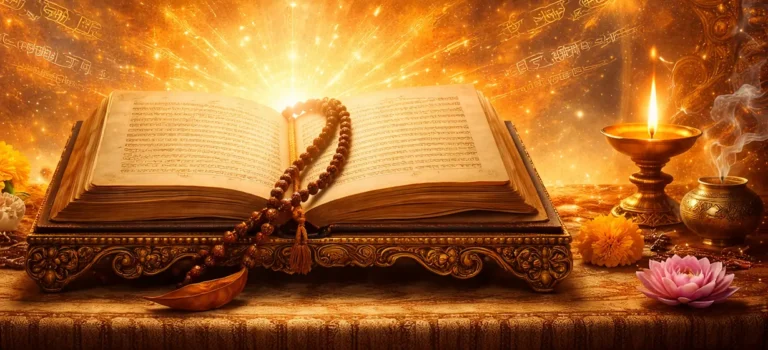
 The Vedas represent the oldest layer of Sanskrit literature and the oldest scriptures of Hinduism. Derived from the root word Vid (to know), “Veda” literally translates to “Knowledge.” They are not considered the compositions of human authors but are categorized as Shruti—that which is “heard” or revealed. According to tradition, ancient sages (Rishis) perceived these eternal truths in states of deep meditation and articulated them into the hymns we study today.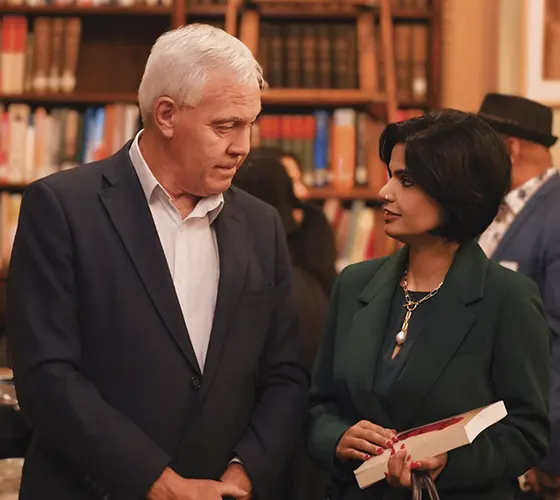
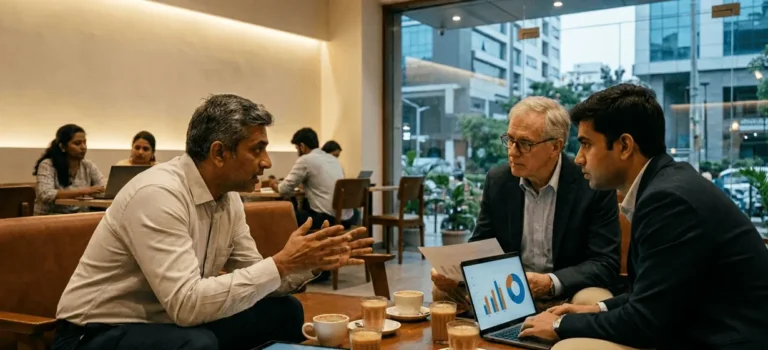
 Saving tax probably won’t let you retire at 45. It probably won’t make you a millionaire. It might, at best, upgrade you from a regular latte to the one with oat milk and a fancy sprinkle of cinnamon.