
Glitz & Glamour At The Special Red Carpet Screening of the Fijian-Indian Film Langha Phobia
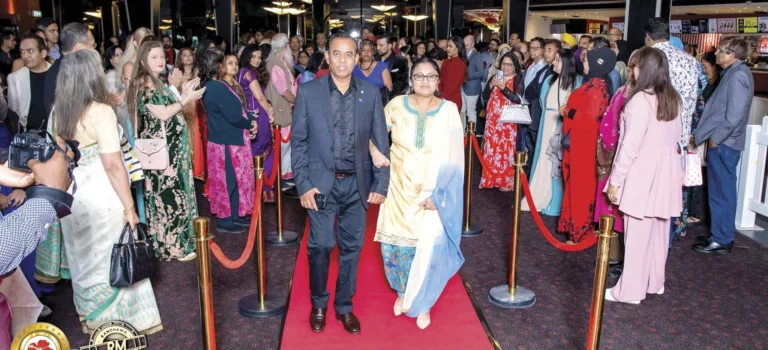
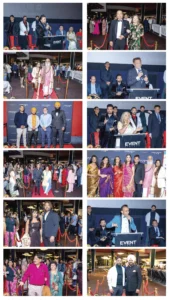
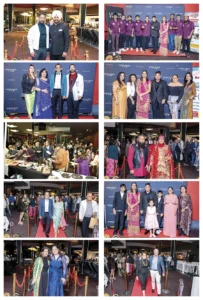
Organised by local community leader Manju Jehu and supported by Zeon Developments, Event Cinemas Garden City came alive with glitz & glamour, taken over by Fiji-Indian diaspora community and local audiences drawing significant attention and excitement for the Special Red-Carpet Screening of Langha Phobia. It could have easily been mistaken for a major Hollywood or Bollywood red carpet event.
The screening event featured a glamorous walk on the red carpet by community leaders, speakers on dv & men’s mental health, cast and crew, models, local media, live traditional performers and movie enthusiasts eager to experience this poignant drama.
The red-carpet event itself was described as vibrant and celebratory with complimentary drinks and popcorn for all attendees to celebrate the first Fiji Indian feature film in the world to be released on Amzon Prime in UK & USA. A gala event with attendees enjoying the opportunity to engage directly with the lead cast and filmmakers of Langha Phobia.
As Langha Phobia had debuted earlier in Melbourne to rave reviews, this special screening at Garden City was highly anticipated by the local community, especially those interested in Fijian and Indian diaspora narratives.
The film’s powerful narrative and authentic portrayal of relationships combined with its cultural backdrop positioned it as a notable work in independent cinema, highlighting themes of gender dynamics and social challenges within diasporic communities. The screening provided an opportunity for audiences to engage directly with the producers, creators and lead actors deepening appreciation for the film’s artistic and social contributions.

The Fijian-Indian family drama/comedy that delves deeply into themes of culture, marriage, and gender, set against the backdrop of Fiji and Australia. This independent film, written and directed by Vimal Reddy explores complex themes through the story of Gopendra (Gopi) and Shanti, whose married life in Fiji shifts dramatically due to Gopi’s chauvinistic behaviour and a peculiar psychological condition referred to as “Langha Phobia.” This term is a wordplay on “Langha,” a Fijian-Hindi dialect term for the traditional Indian ank-length skirt ‘lehenga,’ symbolising the protagonist’s irrational fear and related domestic tensions.
The film uses humour and wit to address taboo issues tied to generational and geographic cultural transitions within migrant families. It explores how deeply ingrained customs and secrecy can contribute to family dysfunction, internalised oppression, and shattered relationships. At the heart of the film lies social commentary on how traditional migrant households often avoid confronting painful truths until it is too late.
Despite its dramatic and sometimes sorrowful narrative, the film ends with a note of hope, advocating truth and communication as the keys to breaking damaging cycles.
Besides its cultural richness, Langha Phobia also highlights mental health and relationship issues from a nuanced perspective. The protagonist’s phobia of his wife is portrayed as part of a larger context of psychological challenges that reflect on the need for safe emotional spaces, even for men.
The film touches on non-physical violence and long-term emotional abuse, how resentment can poison family environments, and how trauma shapes behaviour. This is accentuated through strong performances, especially by lead actors Adwin Awadh (Gopi) and Pritash Dutt (Shanti), and powerful supporting role by director Vimal Reddy and others.
Musically, the film integrates cultural elements such as a song about kava, a traditional Fijian therapeutic drink, underscoring the cultural role of rituals in healing family and personal issues. The song was performed live on the red carpet by local group Brisbane Bhakti Boyzz taking the audience by surprise. Bollywood celebrity Sandeep Nath from the film Aashique 2 fame (Sun Raha Hai Na Tu) has also composed and sang “Dil Honey Honey Chillaye” in Langha Phobia.
The cinematography by Michael Firus and the film’s authentic storytelling have been praised for vividly capturing both Fijian culture and the migrant experience.
Langha Phobia thus stands out as both an artistic and socially relevant work, illuminating underrepresented stories of diaspora communities while challenging audiences to rethink family dynamics, gender roles, and cultural taboos in modern contexts.
Langha Phobia’s narrative direction mirrors the complex experiences of migrant communities, making it a significant film within the context of multicultural cinema. The film’s writer and director, Vimal Reddy, himself has roots in the Fijian-Indian experience, adding layers of authenticity to the storytelling. His vision was not only to entertain but also to evoke thought and dialogue around the issues faced by families navigating cultural intersections.
The cinematic elements play a crucial role in enhancing the film’s themes. The picturesque backdrop of Fiji serves not only as a setting but as a character in itself, rich with cultural implications. Traditional customs and practices, including scenes of familial gatherings and rituals, are integral to the storyline, showcasing the importance of community support amid personal crises.
Langha Phobia has been recognised for its contribution to mental health awareness, particularly concerning men’s mental wellbeing, in a cultural context where discussing feelings and vulnerabilities is often stigmatised. The film reflects the importance of seeking help and breaking down barriers that prevent open discussions about emotional struggles, painting a more nuanced portrait of masculinity and domestic life.
As it continues to garner attention, Langha Phobia opens doors for discussions on representation and reality in cinema, reflecting the lives of those who have historically been overlooked. By emphasising stories from diverse backgrounds, the film invites broader audiences to understand and empathize with the intricate dynamics of cultural identity, mental health, and family.
The lead actors, Adwin Awadh and Pritash Dutt, deliver compelling performances that have garnered both critical and audience acclaim.
Adwin Awadh portrays Gopendra, a complex character grappling with traditional beliefs while facing the absurdity of his own fears. Critics have praised Awadh for his double role and his ability to capture the nuances of Gopi’s emotional turmoil — illustrating a man caught in the conflict between societal expectations and his internal struggles. His performance strikes a balance between humour and pathos, effectively conveying Gopi’s transitions from joviality to introspection.
Many reviewers noted Awadh’s strong comedic timing, which brings levity to tense moments without undermining the film’s serious themes. His ability to make Gopi relatable resonates with audiences, as he embodies the struggles many men face in their relationships while holding on to outdated notions of masculinity. Viewers have particularly responded to the depth he brings to moments of vulnerability, allowing audiences to empathise with Gopi’s challenges and growth throughout the film.
Gopi’s character embodies the struggles of a man caught between societal expectations and personal insecurities, ultimately showcasing how these conflicts can manifest in harmful ways.
Shanti, on the other hand, represents strength and resilience, skilfully navigating her husband’s phobia while seeking agency and empowerment. Through their relationship, the film addresses the often quiet but profound struggles women face in patriarchal societies and the missed opportunities for communication and understanding between partners.
Pritash Dutt takes on the role of Shanti, Gopi’s wife, showcasing a rich portrayal of strength and resilience. Dutt’s performance has been highlighted for its emotional depth, particularly in her ability to convey Shanti’s sense of isolation and determination in the face of her husband’s phobia. Critics commend her for seamlessly transitioning between vulnerability and assertiveness, making Shanti a dynamic character with whom many can connect.
Dutt effectively represents the struggles faced by women in patriarchal societies, capturing the nuances of her character’s fight for autonomy within marriage. Her chemistry with Awadh has been noted as a standout aspect of the film, as their interactions are filled with both tension and warmth — showing a complex relationship that evolves over time. Many audience members have expressed admiration for her ability to command attention on screen, making Shanti a memorable and relatable character.
Combined, Awadh and Dutt’s performances have received widespread praise from both critics and audiences who find their dynamic portrayal a central element of the film’s appeal. The authenticity they bring to their characters transcends cultural boundaries, allowing anyone who has experienced relationship struggles to relate to Gopi and Shanti’s journey. Their performances highlight the film’s core themes of communication, vulnerability, and the importance of challenging societal norms.
The film’s success owes much to the strong foundation set by its leads, illustrating how well-written characters by Director Vimal Reddy can resonate when portrayed by talented actors. The positive feedback from the screenings have positioned both Awadh and Dutt as emerging talents in the diaspora film industry, underscoring the significance of Langha Phobia in launching their careers and showcasing the depth and diversity of contemporary independent cinema.
The chemistry between the leads was described as compelling, contributing significantly to the film’s impact.
One viewer wrote, “Adwin and Pritash were fantastic! Their chemistry made Gopi and Shanti’s journey so relatable. I laughed, I cried, and I felt every moment.” This sentiment was echoed in various threads where users described the lead actors as “captivating” and “authentic.”
Viewers appreciated the film’s exploration of difficult topics such as mental health and the dynamics of marital relationships. Comments such as “This film opened my eyes to the importance of communication in relationships” and “Langha Phobia tackles issues that many of us face but rarely talk about” were prevalent, showing that the film resonated on a personal level. Social media reactions & spontaneous guest testimonials expressed admiration for the film’s bold storytelling and cultural relevance. Some viewers highlighted the film’s nuanced blending of humour and drama, which made difficult topics more accessible.
Audience found Langha Phobia both thought-provoking and emotionally powerful, affirming its importance as a culturally rich and socially conscious film. Many viewers praised Langha Phobia for its authentic portrayal of complex family dynamics, especially highlighting the challenging subject of non-physical abuse and emotional struggles within a marriage.
The film brought awareness to issues often considered taboo, such as men’s mental health and the psychological impact of long-term resentment in families. The exploration of “Langha Phobia,” an unusual and symbolic fear portrayed in the film, sparked meaningful conversations among viewers about emotional vulnerability and societal expectations of masculinity.
One attendee shared, “The energy of the evening was electric! It was amazing to see so many familiar faces and celebrate our culture together.”
Many audiences expressed their hope for more films like Langha Phobia that tackle cultural and societal issues, stating that such representation is crucial. Comments like “We need more stories like this in cinema!” and “Kudos to the filmmakers for shedding light on such important themes!” were commonly seen, showcasing a collective desire for continued exploration of similar narratives.
Langha Phobia screening reflected on a community that was not only entertained but also deeply moved and inspired by the film’s message. This engaged conversation on social media underscoring the film’s impact and its relevance in the cultural landscape, highlighting the importance of storytelling that resonates with diverse audiences.
This illustrates a broader trend of increasing appreciation for films that authentically represent cultural identities and experiences. This film has sparked vital conversations and provided a platform for discussions around various socio-emotional topics that resonate across different demographics.
The screening served as more than just a film premiere; it was a communal gathering that brought together individuals from various backgrounds, uniting them through shared experiences and cultural narratives. Many attendees expressed gratitude for the opportunity to connect with others who understand the complexities of living in the diaspora. The film’s relatable storytelling created a sense of camaraderie among viewers, leading to deeper conversations about their lives and struggles.
On social media platforms, several posts shared personal anecdotes regarding the struggles depicted in the movie, with individuals drawing parallels to their relationships and family dynamics. This social media engagement not only amplified the film’s reach but also fostered a sense of belonging among viewers who resonated with its messages.
The positive reception of Langha Phobia is indicative of a growing demand for diverse narratives within mainstream cinema. Viewers expressed hopes that this film’s success would encourage studios and filmmakers to invest in more projects that explore underrepresented stories. Comments like “Let’s support more films like this!” and “This is just the beginning for Fijian-Indian cinema!” reflect the audience’s eagerness for broader representation and discussion around socio-political issues through storytelling.
In the days following the screening, numerous discussion threads emerged on community forums and social media, focusing on the film’s critical themes—marriage, gender roles, and cultural expectations. Many engaged in thoughtful debates regarding the portrayal of masculinity and the depiction of emotional health in men, both essential issues not commonly addressed in film. This collective dialogue underscores the film’s role in challenging stereotypes and fostering understanding about mental health issues, particularly within migrant communities.
Overall, the Langha Phobia screening at Garden City was not only a celebration of film but also a significant cultural event that encouraged community engagement, dialogue, and a shared sense of identity. As viewers continue to voice their experiences and feedback, the film is likely to leave a lasting impact on audiences and inspire future filmmakers to explore and depict diverse narratives authentically. The successful reception highlights the importance of cultural representation in cinema and its potential to foster empathy and understanding among varied communities.




 Australia’s real estate market is once again in the spotlight, as interest rate cuts by the Reserve Bank of Australia (RBA) have sparked renewed growth across capital cities and regional areas. The question now confronting economists, policymakers, and homeowners alike: how long can this surge last?


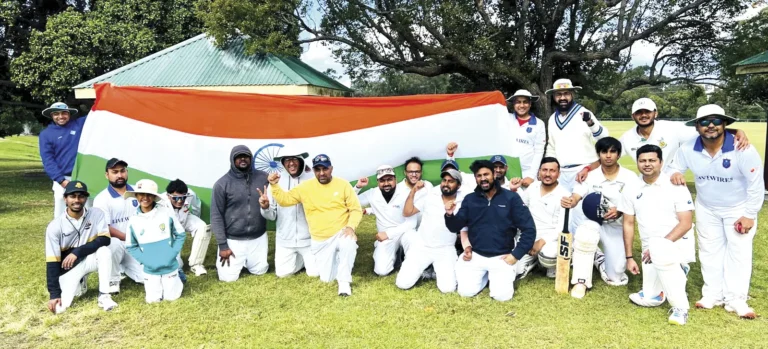
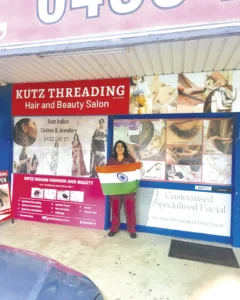
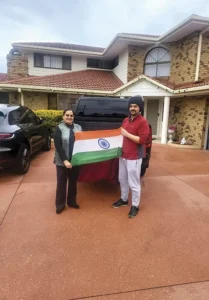
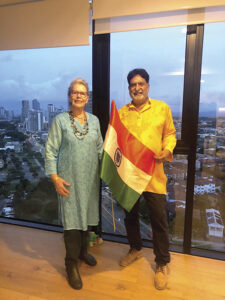 In a remarkable nationwide movement, the Government of India’s “Har Ghar Tiranga” campaign has ignited a surge of patriotic fervor across the country, encouraging citizens to hoist the Indian national flag, the Tiranga, at their homes between August 13 and 15, 2025. This initiative, part of the broader Azadi Ka Amrit Mahotsav celebrations commemorating 75 years of India’s independence, has seen enthusiastic participation from urban centres to remote villages, symbolizing unity and pride in the nation’s journey.
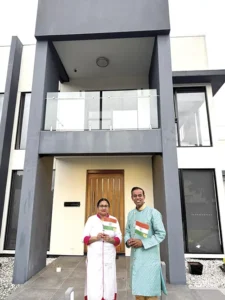 Launched by the Ministry of Culture and the Ministry of Home Affairs, the “Har Ghar Tiranga” (meaning “Tricolor in Every Home”) campaign is designed to foster a deeper connection between citizens and the national flag. It aims to encourage widespread flag hoisting and generate awareness about the flag’s significance, particularly among younger generations.
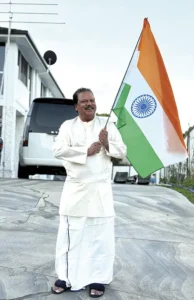 Reports indicate that over 20 crore households have participated nationwide, making it one of the largest patriotic drives in recent history (The Hindu, Aug. 30, 2025).
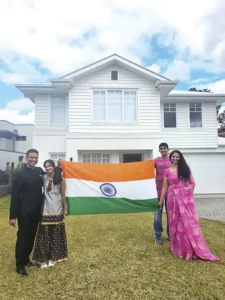 In addition to the general public, government offices, public transport vehicles, and landmarks were decorated with Tirangas. Iconic monuments like the Red Fort and India Gate displayed spectacular flag displays during this period, drawing large crowds and media attention (Times of India, Aug. 2025).
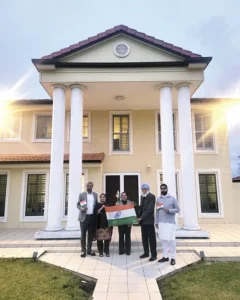 While the campaign has been largely successful, officials remind citizens to observe flag code protocols. The government has released detailed guidelines on the proper handling, hoisting, and disposal of the flag to ensure respect and dignity (Ministry of Home Affairs, Govt. of India).
 August 2025. https://pib.gov.in/, The Hindu. “Har Ghar Tiranga Initiative: A Massive Patriotic Drive.” August 30, 2025, Times of India. “Har Ghar Tiranga Campaign: See Flag Hoisting and Celebrations.” August 2025, The Indian Express. “Opinion: Har Ghar Tiranga and Renewed Patriotism.” September 1, 2025)