If you have COVID-19 symptoms, even if mild, you should get tested as soon as possible. Knowing whether you have COVID-19 can help you avoid spreading the virus to your friends, family and your community.
You can use a rapid antigen test to find out if you have COVID-19. The test can be used quickly and privately in your home.
You can buy rapid antigen tests in a range of places including pharmacies and supermarkets.
Free rapid antigen tests are available from pharmacies if you have one of these concession cards:
Pensioner Concession card
Commonwealth Senior Health Care card
Health Care card
Low Income Health Care card, or
Department of Veterans’ Affairs Gold, White or Orange cards.
Everyone with one of these concession cards can get up to 10 free rapid antigen tests from participating pharmacies over 3 months, with a maximum of 5 free rapid antigen tests per month.
A range of translated information about rapid antigen tests can be found on the Department of Health website, including:
where to find rapid antigen tests
how to use them
how to read the results, and
what to do if you test positive on a rapid antigen test.
The resources are available in up to 63 languages. They are written in easy to understand language and include images.
You can share them with your family and community.
To find out more about rapid antigen tests, or if you have COVID-19 and are worried about your symptoms, call the National Coronavirus Hotline on 1800 020 080, and press 8 if you need an interpreter. You can also visit www.health.gov.au
Impressions: Harmony Week Program 2022 by Life Eternal Trust Australia
Australia is a vibrant and multicultural country, and the Moreton Bay Region is one of the most culturally diverse regions, with one in every four residents born overseas, representing more than 180 nationalities and speaking more than 150 different languages.
This year, Life Eternal Trust Australia [LETA], popularly known as Sahaja Yoga Meditation organised a public program on Sunday, 20th March from 12 noon to 5 pm at the Sutton’s Beach, Redcliffe to celebrate cultural diversity, and promote LETA’s 30 years of contributions to socio-cultural and economic life, encouraging social cohesion and inclusiveness within the Moreton Bay Region.
The official segment of the program started from 2 pm with Aunty Betty delivering a very insightful acknowledgement of country and Adjunct Professor Dr Sudipto Roy extending a warm welcome on behalf of LETA to all the participants, including the online participants who had tuned in from across Australia and other parts of the world.
Sudipto shared the message from Leanne Linard MP [Minister for Children and Youth Justice and Minister for Multicultural Affairs] highlighting the significance of the program and acknowledging LETA’s contribution to Queensland, Moreton Bay Region in particular. Councillor Sandra Ruck [Division 5 Moreton Bay Region], Councillor Steven Huang [The MacGregor Ward] and Brett Johnson [LETA National Coordinator] shared their wonderful messages of hope and harmony along with deep insights about the benefits of the program.
The speeches were interspersed with live music and instrumental music performances. LETA’s music group Sahaj Sangeet captivated the audience with lively music, rhythmic hand movements and clapping. Coralie Jessop on Santoor with Rudrodipto Roy on tabla thrilled the audience while Rudrodipto’s Saxophone rendition Maroon 5’s “Memories” left the audience with an invigorating experience.
In the last session, Leanne Lingard demonstrated simple meditation techniques followed by a soothing piece by Gaspar Hunt on piano to reduce stress, improve mental and physical health and wellbeing. Sudipto concluded the program with a vote of thanks, acknowledging Moreton Bay Regional Council for proudly supporting the event with generous funding, and invited the participants to join follow-up sessions and programs.
The program raised public awareness about simple methods to reduce stress, improve mental and physical health and wellbeing, and promote the benefits of living a life in harmony with nature and culture. The integration of lively music from diverse cultural background further reinforced the value of cultural diversity, equality, and inclusiveness in our culturally diverse Moreton Bay region. Overall, the program was a living demonstration of inclusiveness, respect and belonging for all Australians, regardless of cultural or linguistic background, evidenced by the following testimonials:
“Good morning, Sudipto. It was my absolute pleasure to attending your event on Sunday. I have this morning distributed your pamphlets and business cards and talked about the event with the other Councillors this morning. I am certainly looking forward to your event in 2023.”
Thank you everyone who contributed to the event yesterday and special thanks for Sudipto and Megha for organising it. I was impressed by councillors and representative of Aboriginal people speeches and their connection to the spirit of the event. The connection between everyone participating in the event felt beautiful. Music was blissful.”
Are you ready to vote in the 2022 federal election?
The federal election has been announced and all Australians must act now to ensure they are correctly enrolled to vote.
The Electoral Commissioner, Mr Tom Rogers, said all Australian citizens aged 18 years and over have the right, and are required by law, to enrol and vote in the upcoming federal election.
“Voting gives you a voice on the issues you care about. If you are not enrolled, you can’t vote in the 2022 federal election” Mr Rogers said.
Enrolling to vote
The enrolment deadline is 8pm on Monday 18 April 2022.
Mr Rogers urged all Australians who are unsure if their enrolment is up to date to check online now.
“If you’re not enrolled, if you’ve just turned 18, or become an Australian citizen, or if you’ve changed address recently, go to aec.gov.au to enrol or update your details online.”
Australians unable to go online can pick up a paper enrolment form at any AEC office. Correctly completed applications must be returned to the AEC before the close of rolls deadline.
You can call the telephone interpreter service on 1300 720 153 for assistance and information in your preferred language about how to enrol and update your details online.
Voting services
Australians will be able to cast their vote either in-person or if eligible, via post at this federal election.
In the coming weeks, a comprehensive AEC communications campaign – involving TV, radio, newspaper and digital advertising, and direct mail – will inform Australians about how to take part in the election, and the options available to them.
“This campaign includes a range of in-language advertising with voters also able to access information about how to participate in the federal election in over 30 languages via aec.gov.au/translated,” Mr Rogers said.
COVID safety measures
The AEC has liaised closely with health authorities in preparing to deliver this federal election.
“The health and safety of voters is a priority for the AEC,” Mr Rogers said.
“A range of protective measures will be in place at polling places to help deliver a COVID-safe election. These are processes that most Australians are now very familiar with.”
For more information in your preferred language about enrolling and voting in this election visit aec.gov.au/translated or call 1300 720 153.
Baby Vaani’s Valentine’s Day arrival a sweet gift for her parents
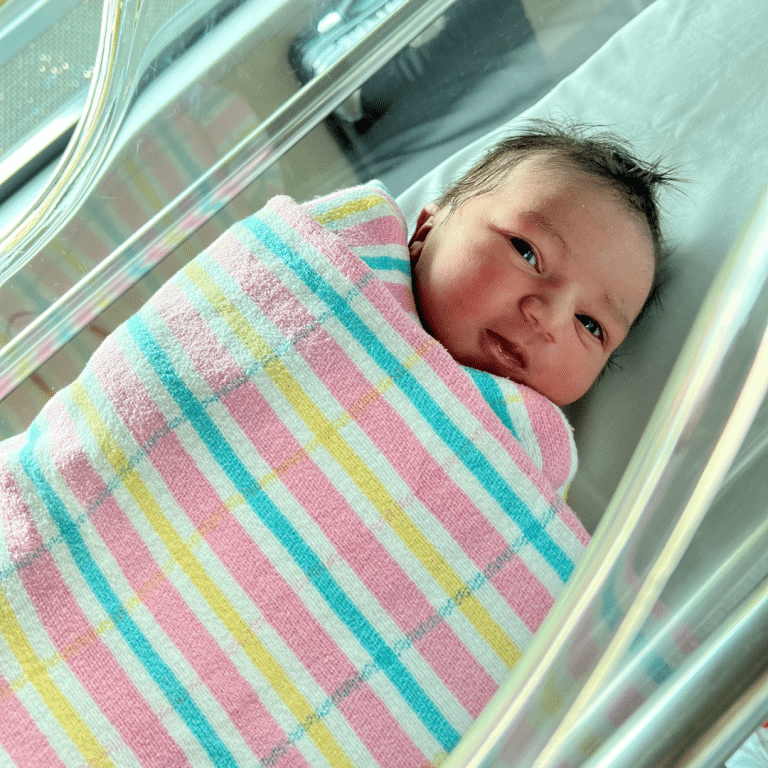
Sandeep Mann can’t wipe the smile off her face as she nurses her newborn baby girl – a special delivery on Valentine’s Day.
Baby Vaani was born at Brisbane’s Mater Mothers’ Hospital at 5.54am weighing 3.276kg.
Mrs Mann, a clinical nurse, said Vaani’s birth was a “great surprise” for her family as she was one week overdue.
“I was actually 41 weeks into my pregnancy and really, this is the best gift my husband Balwinder and I could receive on such a special day,” Mrs Mann, of Kuraby, said.
“Our son Kabir is 17 months old, and he is going to love meeting his baby sister. He just loves kids.”
Mrs Mann said her relatives in India were “very excited” about Vaani’s Valentine’s Day arrival.
“My parents are here to help look after Kabir and send him to Kindy while we get ready to bring Vaani home,” she said.
Baby Vaani has lots of hair and is very active and alert, said Mrs Mann.
Mater Mothers’ Hospitals are Australia’s largest maternity service with almost 12 000 babies born every year.
Namaste to everyone celebrating India’s Republic Day.
It is a wonderful co-incidence of history that Australia shares its national holiday with India— 26 January.
There is an easiness, a natural connection, between our two cultures, and a deep friendship. Australians call it mateship. Indians call it dosti.
Our familiarity means that we can work easily together – and together we strive to build a better world.
On this shared day – we honour the communities that share Australian and Indian heritage in our two countries. We know the pandemic has been testing for them with so many families separated.
In 2022, we share a hope of a COVID recovery – with families reuniting, and students and travellers returning to both of our shores, and our peoples living with health, safety and prosperity.
In setting down its constitution in 1950, India secured the democratic freedoms that ensure justice, liberty, equality and fraternity for its people.
I join them — and every Australian with a connection to India — in celebrating the constitution’s enactment on this day.
As India also marks its 75th anniversary of independence in 2022, Australia and India continue to share great friendship.
The Morrison Government has announced a series of visa measures to provide an incentive for fully vaccinated Student and Working Holiday Maker visa holders to return to Australia as soon as possible to help address current workforce shortages caused by COVID-19.
Refunds of Visa Application Charges
Working Holiday Maker visa holders who are currently offshore and come to Australia during the next 12 weeks will be eligible for a refund of their Visa Application Charge.
Any Student visa holder who is currently offshore and comes to Australia over the next 8 weeks, will be eligible for a refund of their Visa Application Charge.
The current Visa Application Charge for a student is $630 and for a Working Holiday Maker it is $495.
These changes will also apply for new applications, which will be processed quickly so applicants can come to Australia during the refund window.
As well as providing an incentive for existing offshore visa holders to bring forward their travel, these changes will generate new interest in Australia and new visa applications.
The provision of refunds and priority visa processing, together with a Tourism Australia advertising campaign, will generate fresh interest in Australia from students and Working Holiday Makers who contribute greatly to our economy and fill vital skills gaps.
International Student – Working Hours Flexibility
The Morrison Government has supported Australian businesses during the pandemic by allowing Student visa holders to work additional hours in critical sectors.
Due to current workforce shortages, the Government is temporarily extending this arrangement by removing the limit on Student visa holders’ working hours across all sectors of the economy.
This measure takes effect immediately for all ongoing students as well as new student arrivals who start a job prior to their course commencement, and will be reviewed in April 2022.
Working Holiday Makers – Employer Flexibility
In addition, effective immediately and until the end of 2022, there will be no limit on the length of time Working Holiday Makers can work for the same employer.
The above measures are temporary and designed to provide immediate assistance to Australian businesses that are currently facing critical workforce shortages, to enable them to continue delivering goods and services to the community.
There are currently around 150,000 Student and 23,500 Working Holiday Maker visa holders offshore.
All international arrivals must be fully vaccinated or hold a valid medical exemption.
Australia’s COVID-19 vaccination program has been extended to children aged 5 to 11 years. This is because the Australian Government accepted recommendations from Australia’s immunisation experts, the Australian Technical Advisory Group on Immunisation (ATAGI).
ATAGI also recommends a booster dose of COVID-19 vaccines for people aged 18 years and over.
Read on to find out why it is important to get your children vaccinated, and how booster doses will help maintain your protection against COVID-19.
Why is it important to vaccinate 5 to 11-year-old children for COVID-19?
On 5 December 2021, the Therapeutic Goods Administration (TGA) provisionally approved the paediatric Comirnaty (Pfizer) vaccine for use among 5 to 11-year-old children in Australia. The TGA are the scientists and medical experts who regulate and approve all vaccines, medicines, and other medical products for use in Australia.
The TGA’s provisional approval was based on a careful evaluation of available data to support the Pfizer vaccine’s safety and effectiveness among this age group.
Getting vaccinated is the best way to protect children from getting very sick from COVID-19. It will help reduce the chances of them spreading COVID-19 to their family and community. It will also help children get back to normal life without interruptions to school, sport, and other activities.
If you are a parent, carer, or guardian, you can be confident in vaccinating your children against COVID-19. You will have done everything possible to keep your children safe from this virus.
Children will be able to receive their free vaccination at doctors’ clinics, government vaccination clinics, and participating pharmacies.
Appointments are available for children aged 5 to 11 years old from 10 January 2022. Find a local vaccine provider and book an appointment at australia.gov.au, or call 1800 020 080. For interpreting services call 131 450.
The importance of COVID-19 vaccine booster doses
People in Australia aged 18 years and over can access a booster dose of COVID-19 vaccine to maintain maximum protection against COVID-19.
Two doses of COVID-19 vaccines provide very good protection, especially against severe disease. A booster dose will make sure the protection from the first two doses is even stronger and longer lasting. It increases your protection against infection with the virus that causes COVID-19, severe disease, and dying from COVID-19. A booster dose will continue to protect you, your loved ones and your community against COVID-19.
Booster doses of Pfizer and Moderna are free and available through doctors, participating pharmacies, and government vaccination clinics.
Booster doses are now recommended for severely immunocompromised people. If you have received your third dose of the COVID-19 vaccine, it is recommended that you get your booster dose 4 months after your third dose. From 31 January 2022, you will be able to receive your booster dose 3 months after your third dose.
You can find out more about the COVID-19 vaccine booster program and check when you can book your booster dose by visiting australia.gov.au, or calling 1800 020 080. For interpreting services, call 131 450.
Authorised by the Australian Government, Canberra.
Pregnancy and COVID-19 vaccines and information for people who have been vaccinated overseas
Everyone in Australia 12 years of age and over can have a free COVID-19 vaccine at participating pharmacies, doctors’ clinics, and government clinics. While more than 80 per cent of people in Australia aged 16 and over are now fully vaccinated with two doses, there is still misinformation about COVID-19 vaccines. Read on to find out about COVID-19 vaccines and pregnancy, how and where you can get vaccinated and to learn more about the importance of maintaining good hygiene and physical distancing.
Is it safe to get vaccinated if I am pregnant, planning to start a family or breastfeeding?
The Therapeutic Goods Administration (TGA) are the scientists and medical experts who regulate and approve all vaccines, medicines and other medical products for use in Australia. The TGA has approved Comirnaty (Pfizer) and Spikevax (Moderna) vaccines for pregnant and breastfeeding women and those planning a pregnancy.
The risk of getting serious side effects from COVID-19 and needing intensive care is higher for pregnant women and their unborn baby. Vaccination is the best way to reduce these risks.
A study from the United States of more than 35,000 pregnant women showed that vaccination does not increase the chances of complications such as premature delivery, stillbirth, and birth defects. Scientific evidence suggests that the antibodies created by pregnant women after receiving the COVID-19 vaccine can cross the placenta, particularly in women vaccinated early in pregnancy who received both doses before their baby was born. These antibodies may provide the baby with some protection against COVID-19 for the first few months of life.
For people wanting to start a family, getting vaccinated before conceiving means you are likely to have protection against COVID-19 throughout your pregnancy. Getting vaccination does not affect fertility or your chances to conceive.
What are the next steps if you have just arrived in Australia after being partly or fully vaccinated overseas?
If you have received an approved vaccine while overseas, you can have it recorded on the Australian Immunisation Register (AIR) upon returning to Australia, provided your documents are in English. It will then appear on your immunisation history statement (IHS).
If your vaccination documents are not in English, you can get them translated. The Department of Home Affairs website has a free translating service which you can use. Find out more at translating.homeaffairs.gov.au.
The approved vaccines that are recognised in Australia are: AstraZeneca, Pfizer, Moderna, Sinova Coronavac, Sinopharm BBIBP-CorV, Johnson & Johnson COVID vaccine, and Bharat Biotech Covaxin.
If you have not been vaccinated with the above approved vaccines, you do not meet Australia’s definition for being fully vaccinated.
If you have only had your first dose of any of these vaccines, you can book to have your second dose at a participating pharmacy, doctors’ clinics, or government clinic. If it has been more than 6 months since you had your second dose, you are eligible to take a booster shot.
Remember to continue washing your hands regularly – and maintain cough and sneeze hygiene and physical distancing. You may still be required to wear a mask in some locations. If you have any symptoms such as a sore throat, runny nose, cough or fever, get tested and stay at home until you receive a negative test result.
To book your COVID-19 vaccine or booster dose appointment, visit australia.gov.au, or call 1800 020 080. For interpreting services, call 131 450.
Authorised by the Australian Government, Canberra.
On the basis of medical advice provided by the Chief Medical Officer of Australia, Professor Paul Kelly, the National Security Committee has taken the necessary and temporary decision to pause the next step to safely reopen Australia to international skilled and student cohorts, as well as humanitarian, working holiday maker and provisional family visa holders from 1 December until 15 December.
The reopening to travellers from Japan and the Republic of Korea will also be paused until 15 December.
The temporary pause will ensure Australia can gather the information we need to better understand the Omicron variant, including the efficacy of the vaccine, the range of illness, including if it may generate more mild symptoms, and the level of transmission.
Australia’s border is already closed to travellers except fully vaccinated Australian citizens, permanent residents and immediate family, as well as fully vaccinated green lane travellers from New Zealand and Singapore and limited exemptions.
All arrivals to Australia also require a negative PCR test and to complete Australian traveller declaration forms detailing their vaccination status and confirming requirements to comply with state and territory public health requirements.
On Saturday, the Australian Government announced the following measures:
Effective immediately, anyone who is not a citizen or permanent resident of Australia, or their immediate family including parents of citizens, and who have been in African countries where the Omicron variant has been detected and spread – within the past 14 days – will not be able to enter Australia. The countries are: South Africa, Namibia, Zimbabwe, Botswana, Lesotho, Eswatini, Malawi and Mozambique.
Australian citizens and permanent residents, immediate family members including parents arriving from these countries will need to go into immediate supervised quarantine for 14 days subject to jurisdictional arrangements.
Anyone who has already arrived in Australia and who has been in any of the eight countries within the past 14 days must immediately isolate themselves and get tested for COVID-19 and follow jurisdictional quarantine requirements which will include quarantine for 14 days from the time of departure from southern Africa.
These restrictions also apply to people, for instance international students and skilled migrants, arriving from the safe travel zones we have established with New Zealand and Singapore who have been in any of the eight countries within the past 14 days.
There are no flights planned from these countries.
These measures will also be continued until 15 December.
Upon further advice from Professor Kelly, Seychelles has been removed from the list of countries of concern.
Australian Border Force retains discretion to allow people in who are already in transit to enter, but these people will be subject to state based isolation requirements.
Under state public health requirements, New South Wales and Victoria have already initiated testing and 72 hours of isolation requirements for Australian citizens, permanent residents and immediate family members entering the country. In other states, 14 days of managed quarantine is required, and traveller cap arrangements are in place.
The Australian Government’s quarantine facility at Howard Springs in Darwin is available to support returning Australians each fortnight as required.
The Prime Minister has called a meeting of National Cabinet tomorrow to further discuss the Omicron variant and Australia’s response.
Australians can be assured that we are in a strong position to deal with COVID and its emerging challenges.
We have one of the highest vaccination rates in the world, with 92.3 per cent having had a first dose and 86.8 per cent of our eligible population now double vaccinated, and we have one of the only whole of population booster programs being delivered, with around 415,000 Australians having received their booster.
Australia has a proven record of dealing with COVID, we have one of the lowest fatality rates, highest vaccination rates and strongest economies in the world.
We will continue to take sensible and responsive evidence based action, led by medical experts. This will ensure we can open safely, and stay safely open as we learn to live with the virus.


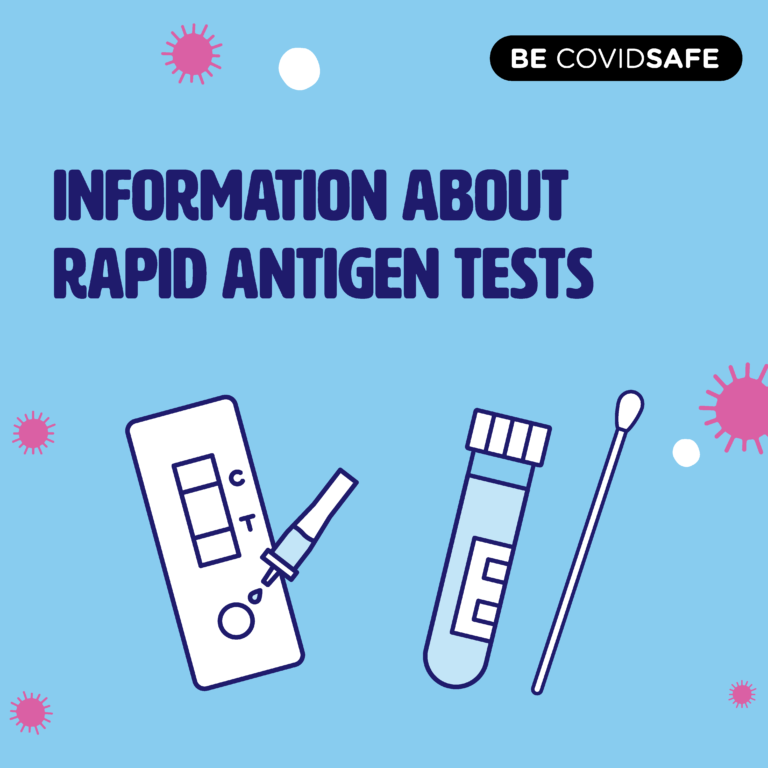
 You can use a rapid antigen test to find out if you have COVID-19. The test can be used quickly and privately in your home.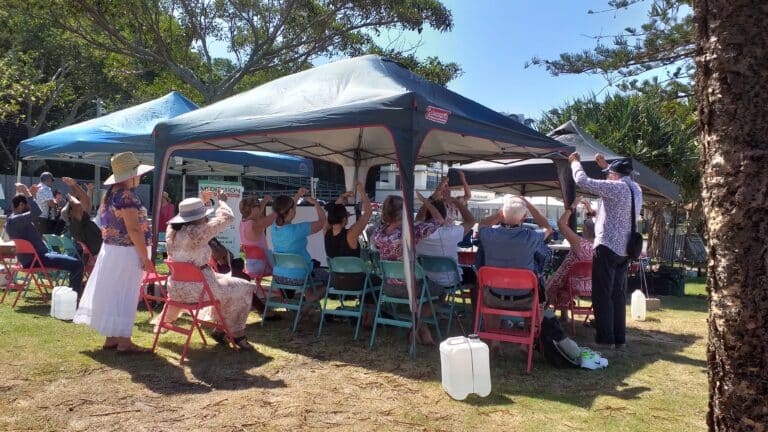
 This year, Life Eternal Trust Australia [LETA], popularly known as Sahaja Yoga Meditation organised a public program on Sunday, 20th March from 12 noon to 5 pm at the Sutton’s Beach, Redcliffe to celebrate cultural diversity, and promote LETA’s 30 years of contributions to socio-cultural and economic life, encouraging social cohesion and inclusiveness within the Moreton Bay Region.
 The official segment of the program started from 2 pm with Aunty Betty delivering a very insightful acknowledgement of country and Adjunct Professor Dr Sudipto Roy extending a warm welcome on behalf of LETA to all the participants, including the online participants who had tuned in from across Australia and other parts of the world.
 Sudipto shared the message from Leanne Linard MP [Minister for Children and Youth Justice and Minister for Multicultural Affairs] highlighting the significance of the program and acknowledging LETA’s contribution to Queensland, Moreton Bay Region in particular. Councillor Sandra Ruck [Division 5 Moreton Bay Region], Councillor Steven Huang [The MacGregor Ward] and Brett Johnson [LETA National Coordinator] shared their wonderful messages of hope and harmony along with deep insights about the benefits of the program.
 The speeches were interspersed with live music and instrumental music performances. LETA’s music group Sahaj Sangeet captivated the audience with lively music, rhythmic hand movements and clapping. Coralie Jessop on Santoor with Rudrodipto Roy on tabla thrilled the audience while Rudrodipto’s Saxophone rendition Maroon 5’s “Memories” left the audience with an invigorating experience.
 In the last session, Leanne Lingard demonstrated simple meditation techniques followed by a soothing piece by Gaspar Hunt on piano to reduce stress, improve mental and physical health and wellbeing. Sudipto concluded the program with a vote of thanks, acknowledging Moreton Bay Regional Council for proudly supporting the event with generous funding, and invited the participants to join follow-up sessions and programs.



 Sandeep Mann can’t wipe the smile off her face as she nurses her newborn baby girl – a special delivery on Valentine’s Day.
 Mrs Mann said her relatives in India were “very excited” about Vaani’s Valentine’s Day arrival.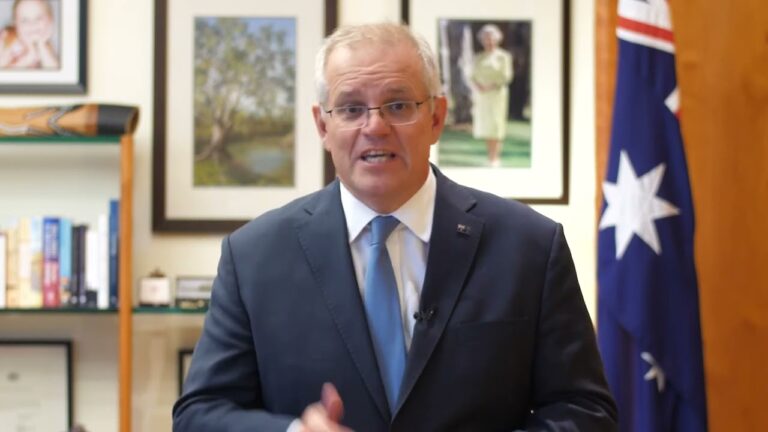

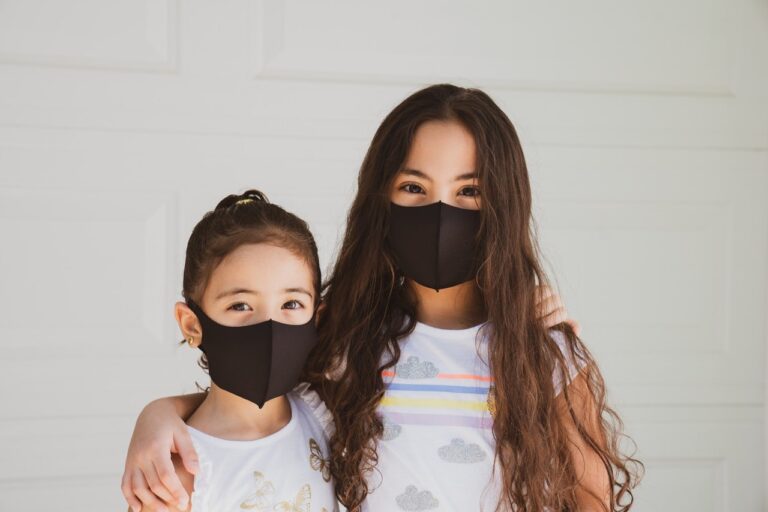
 Australia’s COVID-19 vaccination program has been extended to children aged 5 to 11 years. This is because the Australian Government accepted recommendations from Australia’s immunisation experts, the Australian Technical Advisory Group on Immunisation (ATAGI).
 The Therapeutic Goods Administration (TGA) are the scientists and medical experts who regulate and approve all vaccines, medicines and other medical products for use in Australia. The TGA has approved Comirnaty (Pfizer) and Spikevax (Moderna) vaccines for pregnant and breastfeeding women and those planning a pregnancy.