

Zuckerberg Tumbles on Billionaire Index After $72 Billion AI Gamble, Investor Panic Triggers $29 Billion Personal Wealth Plunge

Zuckerberg Tumbles on Billionaire Index After
$72 Billion AI Gamble, Investor Panic Triggers $29 Billion Personal Wealth Plunge

Mark Zuckerberg’s ranking on the world’s elite Billionaires Indexes recently took a swift and immediate plunge, a dramatic reversal of fortune fuelled not by poor performance, but by a decision to double down on technological supremacy.

The CEO of Meta Platforms (parent of Facebook and Instagram) saw his personal wealth plummet after announcing a staggering, multi-billion-dollar commitment to building Artificial Intelligence (AI) infrastructure.

The core catalyst was the company’s third-quarter earnings report, which unveiled an aggressive future spending plan that spooked investors and underscored the high cost of competing in the AI arms race.

The primary trigger for Zuckerberg’s sudden wealth erosion was Meta’s revised outlook on Capital Expenditure (CapEx). While Meta reported strong revenue growth up 26% year-over-year—the jump was overshadowed by a sharper increase in costs, which rose 32%.

The biggest shock came from Meta’s forecast for the coming years:
• Massive AI Spending: Meta announced plans to raise its total capital expenditure for 2025 to as much as $72 billion, with a pledge for even higher spending in 2026. This money is earmarked for building vast data centres and acquiring the cutting-edge hardware needed to support its generative AI initiatives.
• Funding the Vision: Further rattling the market, the company revealed a plan for a $30 billion bond sale, one of the largest investment-grade offerings of the year, to help finance this infrastructure buildout.

To investors fixated on short-term profitability, the scale of this outlay was a clear red flag. The announcement suggested that Meta’s profits would be squeezed in the near term as Zuckerberg pursues a visionary but extremely expensive long-term goal.

The financial fallout was instantaneous and brutal. Because Mark Zuckerberg’s fortune is inextricably linked to his significant stake (approximately 13%) in Meta stock, the market’s panic translated directly to his net worth:
• Stock Plummet: Meta’s stock fell by roughly 11% in a single day, the sharpest decline since 2022.
• Ranking Drop: This single-day stock slump is estimated to have wiped out around $29.2 billion from Zuckerberg’s net worth, one of the largest one-day market-driven declines tracked by the Bloomberg Billionaires Index.
• New Position: The loss caused Zuckerberg to fall two spots to fifth place on the index, being overtaken by peers like Amazon founder Jeff Bezos and Google co-founder Larry Page, whose companies reported strong earnings in the booming AI and cloud sectors.

The sharp downturn serves as a potent reminder of the fragility of tech fortunes. Despite enjoying a period of massive wealth growth earlier in the year, Zuckerberg’s decision to prioritize aggressive AI investment over immediate shareholder returns resulted in a swift correction, confirming the market’s lack of patience for costly long-shot gambles.

Zuckerberg views this massive investment as essential for the company’s survival, positioning Meta to compete against the likes of Microsoft and Google in the next computing platform AI.

However, his visionary gamble pits him against a market demanding immediate returns.

The consensus is clear: the money is necessary to secure Meta’s future, but until the company can demonstrate a clearer path to monetizing its AI investments, the market will continue to penalize the stock.

The billionaire index ranking may be volatile, but the high stakes of the AI race are now written into Meta’s balance sheet. (Sources: Meta Platforms Third Quarter 2025 Financial Results, Bloomberg Billionaires Index Data (October 2025) and Reporting by The Times of India, The Financial Express, and Bloomberg (Late October 2025).)


An Urgent Invitation to the Frontlines

An Urgent Invitation to the Frontlines

The President delivered a personal, heartfelt invitation for Pope Leo XIV to visit Fiji and the Pacific region “at the earliest opportunity that his schedule may allow.”
This invitation is more than a diplomatic courtesy; it is a strategic request for the Pontiff to bear witness to the climate emergency on its frontlines. Fiji and its neighbours are experiencing rising sea levels, increasingly violent cyclones, and coastal erosion that threaten to wipe entire communities and ancestral lands off the map. By inviting the Pope, a global voice for morality and humanity, Fiji aims to dramatically increase international visibility and action on the issue.
The Holy See and Fiji have maintained formal diplomatic relations since 1978, focusing primarily on religious and social matters. The meeting served to deepen these ties, moving the focus onto the most critical humanitarian challenge of the century.
In his response, Pope Leo XIV reportedly acknowledged the unique vulnerability of Small Island Developing States to the impacts of climate change. He commended the Pacific’s consistent message of peace and unity despite being disproportionately affected by a crisis they did little to create. This endorsement from the Pope carries significant weight, aligning the moral authority of the global Catholic Church with the climate justice cause championed by Pacific leaders.
The discussion echoed the Pope’s past encyclicals which emphasize the ethical obligation to protect the planet and support the most marginalized communities. By acknowledging the threat to SIDS, the Pope reinforces the moral imperative for larger, industrialized nations to take responsibility for emissions reduction and provide adequate climate finance.
President Lalabalavu’s visit is part of a broader diplomatic effort by Fiji to rally global support for its climate resilience and adaptation strategies. In presenting the reality of sinking islands and disappearing livelihoods directly to one of the world’s most influential spiritual leaders, Fiji has made a powerful, resonant plea for a global conscience to wake up to the crisis before it is too late. The world awaits the Pope’s decision, knowing that a papal visit would shine an unprecedented spotlight on the fight for survival in the Pacific.

India’s Global Workforce: New Mobility Bill Replaces 40-Year-Old Emigration Law

India’s Global Workforce: New Mobility Bill Replaces 40-Year-Old Emigration Law

The Ministry of External Affairs (MEA) has set the stage for a dramatic overhaul of India’s relationship with its colossal overseas workforce, introducing the Overseas Mobility (Facilitation and Welfare) Bill, 2025.
This landmark legislative move is designed to supersede the antiquated Emigration Act of 1983, marking a decisive shift from controlling emigration to actively facilitating safe, legal, and orderly “mobility” for millions of Indian citizens seeking temporary employment abroad .
The Bill arrives at a crucial intersection of India’s demographic dividend and the severe labour shortages plaguing developed economies worldwide, from healthcare in Europe to construction in the Gulf.
The 1983 Emigration Act, formulated primarily to protect semi-skilled workers migrating to the Gulf countries in the 1970s, is widely considered unfit for the complexity of modern global labour markets. The new Bill acknowledges that today’s emigrants are a diverse mix, including not just construction workers, but also highly skilled professionals, students, and care providers.
By replacing the 40-year-old law, the government aims to formalize pathways, combat exploitation, and ensure the comprehensive welfare of its citizens in the global workplace.
The Overseas Mobility Bill, 2025, is structured around four critical pillars that signify a paradigm change in India’s emigration policy:

1. Institutional Reorganization and Convergence:
The Bill mandates the establishment of an Overseas Mobility and Welfare Council. This central body, chaired by the Secretary of the Ministry of External Affairs, will bring convergence between key ministries—including Labour, Skill Development, and Home Affairs—which currently operate in silos regarding migration policy. The Council’s primary function will be to formulate schemes, oversee the implementation of international agreements, and provide data-driven guidance to the Central Government.

2. Regulation and Protection of Vulnerable Categories:
A core focus of the legislation is strengthening the regulatory framework for recruiting agencies. The Bill significantly raises the penalty for Overseas Placement Agencies (OPAs) found contravening the law to a minimum of `5 lakh for each violation. Furthermore, it strengthens the powers of the Protector of Emigrants (PoE) offices, enabling them to work more closely with Indian missions abroad to address grievances and resolve employment disputes for vulnerable workers. The MEA intends to create a clear and transparent system for the accreditation of OPAs and foreign employers, significantly reducing the scope for fraud and human trafficking, particularly through unsafe methods like the illegal “dunki” route.

Data-Driven Policy and Resource Centres:
Recognizing the need for evidence-based governance, the Bill proposes creating a robust Integrated Information System on mobility. This system will collect data on Indian emigrants to improve policy planning, track migrant movements, and enhance the efficacy of support service delivery. To empower prospective emigrants, Mobility Resource Centres are planned for establishment in India and abroad. These centres will provide vital information, pre-departure orientation programs (covering cultural awareness, legal rights, and financial management), and skill upgradation training, thereby linking India’s skilled workforce directly to global job opportunities.

Return and Reintegration Mechanisms:
The Bill addresses the sensitive but increasingly frequent issue of deportations, particularly in the context of tightening immigration rules in countries like the United States. It defines a “returnee” as an emigrant returning after 182 days or more, whether voluntarily or through deportation. The legislation outlines clear protocols for the safe return and dignified repatriation of Indian nationals in distress, while also creating schemes for the social and economic reintegration of these individuals back into the domestic economy. This focus on “circular mobility” aims to ease the political concerns of host countries regarding permanent settlement.
This legislative push is deeply intertwined with India’s long-term economic strategy. With a massive, young workforce, India stands ready to fill the demographic vacuum in aging economies such as Germany, Japan, and parts of the Middle East.
By formalizing these labour pathways through bilateral agreements of which India has signed over 20 in the last six years—the government is not only seeking to secure the welfare of its citizens but also to ensure a steady, reliable flow of remittances, which are a vital component of India’s GDP.
The Overseas Mobility (Facilitation and Welfare) Bill, 2025, is currently open for public consultation, with the government aiming to introduce it in the upcoming winter session of Parliament. Its enactment will represent a historic update, moving India’s emigration framework into the 21st century and cementing its position as a responsible and proactive manager of the world’s largest diaspora. (Sources: Ministry of External Affairs, Government of India, Deccan Herald, NDTV Profit, Financial Express).

Diwali Delights: A Celebration of Music, Community, and Mental Health Support

Diwali Delights: A Celebration of Music, Community, and Mental Health Support

On the evening of October 25, the Toowong Uniting Church Hall in Brisbane came alive with colour, music, and heartfelt camaraderie as “Diwali Delights” brought together friends, families, and professionals from across Queensland to celebrate the Festival of Lights through art, food, and purpose.
Organised by Dr Siddhartha (Sid) Makwana, psychiatrist based in Toowoomba, the event was much more than a musical gathering — it was an act of giving and unity. With a blend of live performances, traditional delicacies, and community spirit, Diwali Delights raised $1,150 for the RANZCP Foundation, the charitable arm of the Royal Australian and New Zealand College of Psychiatrists. The Foundation translates donations into vital psychiatric research and initiatives that advance mental health and wellbeing across Australia and New Zealand.
The evening’s theme — Live Music, Food, and Fundraising — resonated beautifully with the audience of around 70 attendees, who enjoyed a rich program of performances spanning Bollywood classics, ghazals, Celtic instrumentals, English melodies, and an original piano composition. The event culminated in energetic dance numbers that filled the hall with joy and light.

Among the performers were:
Dr Sid Makwana – singer, keyboardist, harmonium player
Chandradeep Vankayalapati – guitar
Rajendra Prasad – tabla
Gar Macleman – guitar and vocals
Kari Berg – fiddle
Abhiraj Sarmah – singer and writer
Janani Jayalath, Luv and Preeti Dua, and Gyan Setu – vocals and instrumental support
The evening also featured inspiring speeches by Dr Cyril Fernandez (President, Indian Medical Association Queensland) and Dr Siddhartha Sarmah (IMAQ Secretary). The IMAQ community’s encouragement, particularly from Dr Fernandez and Dr Sarmah, played a central role in connecting health professionals and fostering collaboration beyond clinical settings.
Special thanks were also extended to the Silver Sponsors, James O’Donohue (Remax Success Team Elevate) and Aanand Iyer (Guru Property), whose generosity helped make the event possible. Delicious Indian fare catered by Namaste Foodies — including Masala Chai, Mango Lassi, Pani Puri, Chhole Bhature, and Samosa Chaat — added to the festive warmth of the evening.

Reflecting on the event, Dr Makwana shared his heartfelt gratitude:
“I am deeply thankful to my colleagues, musicians, friends, and supporters — from Toowoomba, Brisbane, and the Gold Coast — whose encouragement and participation made this vision a reality. Events like this remind us that healing and wellbeing come not only from medicine, but also from music, connection, and shared purpose.”
Diwali Delights was a luminous reminder that community, compassion, and creativity can come together to promote mental health and foster belonging — values that lie at the very heart of psychiatry and the broader medical profession.

Record Run-Chase Sends India to World Cup Final: Jemimah Rodrigues Shines Bright

Record Run-Chase Sends India to World Cup Final: Jemimah Rodrigues Shines Bright

Navi Mumbai, India: The Indian women’s cricket team has delivered a performance for the ages, shattering global records and sending the nation into raptures after securing a dramatic five-wicket victory over arch-rivals and seven-time champions Australia in the ICC Women’s World Cup 2025 semi-final at the DY Patil Stadium.
The victory, a triumph of resilience and nerve, has propelled Harmanpreet Kaur’s side into the World Cup final, where they will face first-time finalists South Africa.
The headline achievement of the thrilling semi-final was India’s successful pursuit of a mammoth target of 339 runs, completing the chase with nine balls to spare. This figure is now the highest successful run chase in the history of Women’s ODI cricket, eclipsing the previous best of 331 runs, which coincidentally was set by Australia against India earlier in the same tournament.
The foundation of this historic chase was laid by a remarkable 167-run partnership for the third wicket between Captain Harmanpreet Kaur and the eventual Player of the Match, Jemimah Rodrigues.
• Jemimah’s Masterpiece: Jemimah Rodrigues anchored the innings with a magnificent unbeaten 127 runs off 134 balls—her third career century and first in a World Cup. The composure and maturity she displayed under extreme pressure were widely lauded as she remained on the pitch to hit the winning runs.
• Captain’s Knock: Skipper Harmanpreet Kaur was equally instrumental, scoring a fluent 89 runs off just 88 balls. Her aggressive knock provided the initial momentum needed to keep up with the daunting required run rate.
Jemimah Rodrigues’ heroic night was not confined to her batting. She also took home the prestigious Best Fielder Medal for her efforts in the first innings.
Her athleticism in the field was noted by the team’s coaching staff, who praised her sharp catch to dismiss Beth Mooney and her crucial involvement in the run-out of Tahlia McGrath, which helped restrict Australia’s total of 338. Rodrigues’ performance was a perfect testament to the team’s all-round commitment and focus.
This sensational win is a monumental achievement, especially considering the team’s mid-tournament slump, which included three consecutive losses in the group stages. The semi-final triumph not only avenged an earlier group-stage defeat to Australia but also ended the defending champions’ 15-match winning streak in the ODI World Cup, which dated back to 2017.
India now stands on the cusp of lifting their maiden Women’s World Cup trophy in their third final appearance (after 2005 and 2017). The final against South Africa, scheduled for Sunday at the same venue, is expected to be a packed, high-voltage affair, with the entire nation throwing its support behind the Women in Blue.
As the team prepares for the ultimate clash, Captain Kaur’s message is clear: “We know how it feels to lose. But we are looking forward to how it feels to win. We have done a lot of hard work, and it’s only about getting everything done tomorrow for the team.”
(Source: The Times of India)

India’s Regulatory Reset: New Rules for Bank Nominations and Aadhaar Streamlining Launch in November

India’s Regulatory Reset: New Rules for Bank Nominations and Aadhaar Streamlining Launch in November

New Delhi: India has commenced November with a sweeping array of regulatory changes aimed at modernizing financial administration, streamlining digital identity services, and easing burdens on citizens. These rule changes, effective immediately, touch on everything from individual bank accounts and credit card fees to digital identity updates and pensioner compliance deadlines.
The overarching theme is a push for greater convenience and transparency, though some measures, like new credit card fees, underscore the cost of digitalization.
The most significant change for the average citizen lies in the overhaul of banking nomination rules, effective from November 1.
• Expanded Nomination Capacity: Under the Banking Laws (Amendment) Act, 2025, bank account holders are now allowed to nominate up to four individuals for their bank deposits, safety lockers, and safe custody items.
• The Goal: This key reform is designed to dramatically simplify the process of claiming funds for legal heirs in unforeseen circumstances, aiming to reduce the long-standing legal disputes and administrative red tape that often follow the death of an account holder. The change facilitates either simultaneous designation of all nominees or a set succession order, offering greater flexibility.
The Unique Identification Authority of India (UIDAI) has also revamped the process for updating the foundational digital identity document, Aadhaar.
• Online Demographic Updates: Many demographic changes, such as correcting a name, date of birth, or mobile number, can now be initiated online through the myAadhaar portal. This eliminates the need for in-person visits to an Aadhaar Seva Kendra for many routine changes.
• Revised Fee Structure: While the process for demographic updates has been simplified, the UIDAI has also revised its fee structure. For adults, updating biometric details (fingerprints, iris scans) now costs `125. However, the biometric updates for children between the ages of 5-7 years and 15-17 years are set to remain free for the first instance.
Not all changes were geared toward reduced hassle; compliance deadlines and cost adjustments were also announced:
• Pensioner Deadline: Central and state government pensioners must submit their annual Life Certificate (Jeevan Pramaan) between November 1 and November 30, 2025, to ensure uninterrupted disbursement.
• Credit Card Fee Introduction: SBI Card announced an updated fee structure, introducing a 1% fee on specific transaction categories. This fee now applies to education-related payments made via certain third-party platforms (like CRED or MobiKwik) and on digital wallet reloads exceeding Rupee Foradian `1,000 made under certain merchant codes. This adjustment highlights the ongoing efforts by card issuers to manage costs associated with specific types of low-margin transactions. (Source: Financial Express / The Times of India: Reporting on the implementation of new financial rules, including bank deposit nominations and pension deadlines, effective November 1, 2025)

Shifting Migration Policies and Their Impact on Indians

Shifting Migration Policies and Their Impact on Indians

Tectonic Shifts in Australian Migration Policy: The Impact on the Indian Diaspora

In what is fast becoming a defining narrative for Australia’s large and rapidly expanding Indian diaspora, sweeping legislative and political changes are fundamentally reshaping the nation’s immigration policies and international education sector. Sparked by post-pandemic migration records and a mounting housing crisis, these shifts are creating significant uncertainty, especially for Indian students and skilled migrants who have long viewed Australia as a top destination for education and career opportunities.

The core of the Australian government’s new migration agenda centres on curbing the unprecedented surge in overseas migration and addressing critical infrastructure and housing challenges. The government has made it clear that a “sustainable footing” for the international education sector is essential, yet its approach has sparked concerns and disruptions among Indian migrants, who represent Australia’s second-largest migrant group. For these migrants, the changes are not just theoretical—they are life-altering decisions affecting everything from career aspirations to long-term family planning.

One of the most consequential reforms is the introduction of a National Planning Level (NPL) in 2025, a cap that shall limit new enrolments for international students to around 270,000. This cap will allocate specific places for public universities, private institutions, and the Vocational Education and Training (VET) sector, directly impacting the flow of Indian students into Australian institutions.

The government argues that the cap serves two primary purposes: alleviating pressure on strained urban infrastructure and housing and tackling what it sees as a rise in “shonky” education providers that exploit the student visa pathway for low-skill, long-term migration. Education Minister Jason Clare has emphasized the importance of prioritising local students in Australian universities, with the ultimate goal that local enrolments should exceed 50% at all institutions.
For Indian students, this means heightened competition for limited spots in top universities and popular courses. India is a major source of international students, and with the new cap in place, the demand for places will inevitably intensify. This, in turn, could push up financial requirements, making Australia less affordable, and compel many students to consider alternative global study destinations, such as Canada or the UK.

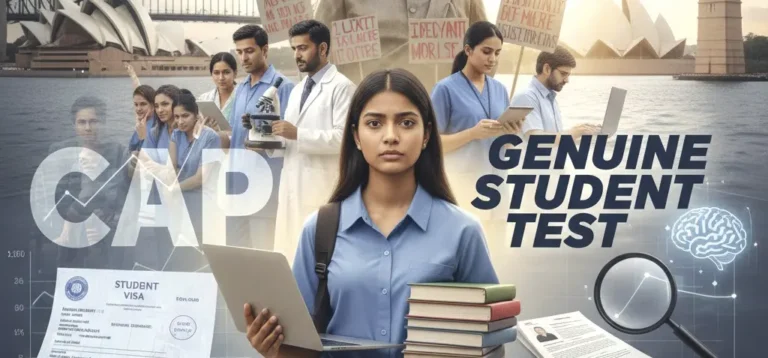
Another significant change is the replacement of the long-standing Genuine Temporary Entrant (GTE) test with the new Genuine Student (GS) test. This change acknowledges that, for many international students, the desire to pursue a permanent residency pathway after their studies is legitimate.
While the GS requirement is seen as a positive step for high-calibre students seeking a clear career trajectory, it still carries substantial hurdles. Applicants must now demonstrate strong ties to their home country, including evidence of family, economic circumstances, and community connections, as well as a convincing rationale for how their course will enhance their employment prospects, whether in Australia or back in India.
This shift aims to weed out non-genuine applicants but also places an additional burden on aspiring students to prove their commitment to education and career development.

While policy shifts are one aspect of the current moment, the Indian diaspora also faces rising anti-immigration and anti-Indian sentiments that have manifested in public rallies and growing community unease. The rapid influx of migration from countries like India and Nepal post-pandemic has coincided with a severe housing and cost-of-living crisis. The resulting narrative—blaming migrants, particularly international students, for the lack of affordable housing—has fuelled tensions in Australian society.

Reports of anti-immigration rallies, some of which have specifically targeted the Indian community, have left many Indian students and residents feeling vulnerable. There are increasing accounts of racial abuse, and some community members have even expressed fear for their safety in certain urban areas.

The Australian government has condemned these anti-immigration rallies, with the Minister for Multicultural Affairs labelling the anti-India rhetoric as the work of a “minority extremist” faction. Additionally, the Indian government has voiced concerns about the potential for increased discrimination, urging both countries to work together to protect the safety and well-being of the diaspora.

However, the broader economic picture tells a different story. Immigration specialists and community leaders have consistently highlighted that Indian migrants, especially students, are indispensable to Australia’s economic wellbeing. Young, educated, and fluent in English, Indian migrants fill critical skill shortages in sectors like healthcare, IT, and engineering. Their tuition fees contribute billions of dollars to the Australian economy, sustaining not only the higher education sector but also broader research, development, and infrastructure initiatives.
Indian students are integral to Australia’s future competitiveness and blaming them for issues like housing shortages overlooks their essential role in the economy.

Despite domestic challenges, the relationship between Australia and India remains strong, and this partnership is a key source of resilience for the Indian diaspora.

In recent months, the two nations have deepened their Comprehensive Strategic Partnership, which covers a range of areas, including enhanced defence cooperation, counter-terrorism efforts, and economic collaboration. Australia’s commitment to maintaining stable bilateral relations provides reassurance to the Indian diaspora, particularly as tensions within Australia’s domestic political climate rise.

Culturally, the Indian diaspora in Australia continues to thrive. Events like the unveiling of a statue of Sardar Vallabhbhai Patel, India’s “Iron Man,” in Melbourne are symbols of the community’s deep pride and ongoing contribution to Australian society. These cultural milestones serve as anchors for the diaspora, strengthening their sense of belonging while fostering unity within the wider Australian community.

As Australia tightens its immigration and education policies, the Indian diaspora stands at a crossroads. The student visa caps and the new Genuine Student requirement mark a shift toward a more restrictive migration environment, where competition for places in Australian universities will increase, and the pathway to permanent residency may be more elusive for many.

Yet, even amid these challenges, the Indian community’s resilience, economic significance, and cultural contributions continue to underscore their value as a national asset. The future of the diaspora will depend on their ability to adapt to new policies, navigate a more competitive landscape, and continue to advocate for their place in the Australian social and political fabric.
For more on the complexities of Australia’s immigration policy and its impact on the Indian community, check out detailed video: Australia Visa Update 2025-26: India Level 2 Upgrade Explained + Visa Ban Truth.

Strengthening Bonds: Queensland Parliament Hosts Fijian Community and High Commissioner to Celebrate Shared Heritage and Trade Relations

Strengthening Bonds: Queensland Parliament Hosts Fijian Community and High Commissioner to Celebrate Shared Heritage and Trade Relations

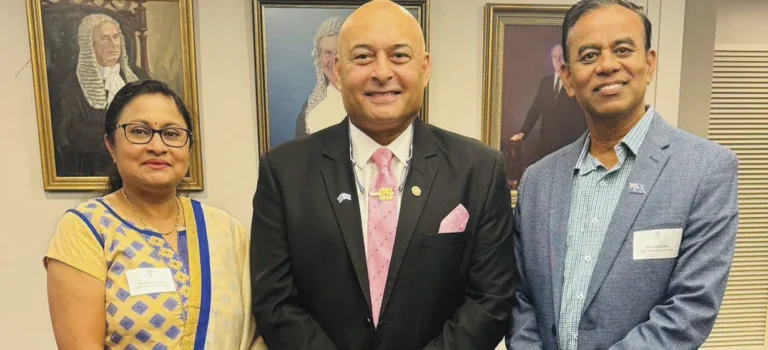
Strengthening Bonds: Queensland Parliament Hosts Fijian Community and High Commissioner to Celebrate Shared Heritage and Trade RelationsBrisbane, September 23, 2025 – It was a moment of pride and unity as prominent members of Queensland’s Fijian diaspora gathered at the Queensland Parliament House for a special morning tea hosted by Hon. Jon Krause MP, Deputy Speaker of the Legislative Assembly and Member for Scenic Rim.

The event was held in honour of His Excellency Mr. Ajay Amrit, the High Commissioner of the Republic of Fiji, underscoring the close cultural ties and growing trade relations between Queensland and Fiji.

The gathering provided a unique platform for Fijian Australians to come together and celebrate their shared heritage while engaging in meaningful discussions about how their community can continue to contribute positively to Queensland’s diverse social fabric.

“The morning tea was more than just a ceremonial event,” said Hon. Jon Krause MP. “It’s a celebration of the rich cultural contributions of the Fijian community here in Queensland and a recognition of the importance of our bilateral relationship with Fiji.”

Community leaders and local government officials alike highlighted the enduring ties that connect Queensland and Fiji ties that go beyond culture and family to encompass significant economic and trade partnerships.

Strengthening Bonds: Queensland Parliament Hosts Fijian Community and High Commissioner to Celebrate Shared Heritage and Trade RelationsQueensland and Fiji have enjoyed a longstanding and mutually beneficial trade relationship that continues to grow in both scope and value. The strategic proximity of Queensland to the South Pacific positions it as a vital gateway for Australian engagement with Fiji and the wider Pacific region.

In recent years, Queensland’s exports to Fiji have included agricultural products, manufactured goods, and services, while Fiji supplies Queensland with commodities such as sugar, timber, and seafood. The event emphasized the need to further deepen these trade relations to support economic growth and regional development.

High Commissioner Ajay Amrit underscored this point during his address: “Queensland is not just a neighbour but a key partner in Fiji’s economic future. Strengthening trade ties is essential for shared prosperity, and we are committed to expanding opportunities for businesses in both our communities.”

Queensland’s government has prioritized strengthening trade and investment links with Pacific nations, including Fiji, recognizing the potential for collaborative projects in sectors such as tourism, agriculture, education, and infrastructure development.

Programs aimed at facilitating business exchanges, vocational training, and cultural education have played an important role in fostering closer ties. The morning tea event also provided a forum to discuss how the Fijian diaspora can serve as ambassadors, linking entrepreneurs, investors, and policymakers between Queensland and Fiji.

“There is tremendous potential to grow our bilateral trade through innovation and cooperation,” said a Queensland trade official attending the event. “We are exploring ways to enhance market access, reduce trade barriers, and support joint ventures that create jobs and drive sustainable development.”

The Role of the Fijian Diaspora

Strengthening Bonds: Queensland Parliament Hosts Fijian Community and High Commissioner to Celebrate Shared Heritage and Trade RelationsQueensland is home to one of the largest Fijian communities in Australia, whose members actively contribute to the economic, social, and cultural vitality of the state. The event was a reminder of how diaspora communities act as bridges, connecting countries and fostering goodwill, while enriching the multicultural tapestry of Queensland.
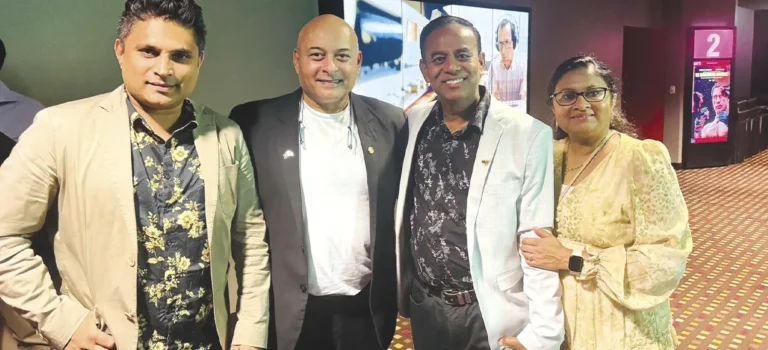

Speakers highlighted success stories of Fijian Australians excelling in business, education, and public service underscoring the community’s role in promoting cross-cultural understanding and economic ties.

“By nurturing our cultural roots and building strong networks, the Fijian community here is well-positioned to be a catalyst for even greater cooperation between Queensland and Fiji,” said one community leader.

As the morning tea drew to a close, the message was clear: events like these serve not only to honour heritage but to pave the way for a future of strengthened partnership and shared prosperity.

Hon. Jon Krause MP concluded: “Queensland and Fiji share much more than geography; we share values, aspirations, and a vision for inclusive growth. Together, we will continue to build bridges that benefit our communities and economies alike.”

The occasion left attendees hopeful and inspired, reinforcing the importance of unity, dialogue, and collaboration as Queensland and Fiji move forward together.

“Girmit – The Fields of Sadness” Moves Audiences at Hoyts Sunnybank

“Girmit – The Fields of Sadness” Moves Audiences at Hoyts Sunnybank

Powerful documentary screening honours indentured ancestors and inspires reflection

Sunnybank, QLD – September 23 , 2025

Powerful documentary screening honours indentured ancestors and inspires reflectionA wave of deep emotion swept through Hoyts Sunnybank as the powerful documentary “Girmit – The Fields of Sadness” screened before a full house this past weekend.

The film, produced by Rajendra Prasad and Aruna Prasad and directed by Shyam Upadhyay, shone a stark and stirring light on one of history’s most painful chapters — the period of indentured labour that uprooted generations and forged new diasporic identities across the globe.

For many in attendance, the evening was more than a film screening; it was a journey into the soul of their ancestry.

Humbled and honoured to serve as the Master of Ceremonies, Jitendra Deo reflected, “It was deeply moving to be part of an event that doesn’t just tell a story it opens wounds, honours sacrifices, and ultimately, reminds us of the resilience that flows in our blood.”

The documentary painted a raw and emotional portrait of the men, women, and children who were taken from their homeland under the promise of opportunity, only to face unthinkable hardship in foreign fields. It is a story of loss, betrayal, survival and enduring strength. Audience members were visibly moved, many wiping tears as they watched scenes that echoed the stories told by their grandparents and great-grandparents.

“It was a powerful experience,” shared local attendee Adwin Awadh. “You could feel the room holding its breath. It was like our ancestors were present with us.”

The evening was made even more special by the presence of His Excellency Ajay Amrit, Fiji’s High Commissioner to Australia, who delivered an impassioned speech about the importance of honouring diaspora history and preserving the cultural legacies that tie communities together.

“The stories of our indentured ancestors are not just tales of suffering, but of triumph and endurance,” His Excellency remarked. “They laid the foundation on which we now stand — proud, free, and deeply rooted in identity.”

One of the most touching moments occurred during a private lunch shared between director Shyam Upadhyay and Jitendra Deo, where the two exchanged heartfelt thoughts on the importance of preserving these stories for future generations.

“To sit with Shyamji and hear his passion, his unwavering commitment to telling these stories truthfully and respectfully it was a privilege,” said Jitendra Deo. “We spoke not only about history, but about the future and about ensuring these voices are never forgotten.”

Powerful documentary screening honours indentured ancestors and inspires reflectionThe event’s success was made possible through the unwavering support of community leaders and volunteers, including Adrian Naidu and Roshni Dube-Naidu, who played an instrumental role behind the scenes. Their dedication to cultural storytelling and community connection was felt in every detail of the evening. The major sponsor who supported the event in Sydney, Melbourne and Brisbane was Octane. Brisbane was supported by Rajesh Gopal form Gopal Lawyers and Rajendra Pratap.


In the shadows of history’s pain, the screening became a beacon of reflection, education, and unity. It was a reminder that our past, no matter how painful, it holds the key to understanding who we are today.

As the credits rolled and lights came up, the atmosphere was not one of finality, but of awakening. Conversations buzzed, hugs were shared, and many lingered long after the event, reluctant to let go of the moment.

“Girmit – The Fields of Sadness” is more than a documentary it is a legacy. It stands as a call to remember, reflect, and honour those who came before, and to ensure their stories continue to guide generations yet to come.

In a world that often rushes forward, this event reminded us of all of the power of looking back, not with sorrow alone, but with pride, reverence, and gratitude.

Diwali: A Festival of Light, Unity, and Indian Goodwill in Australia

Diwali: A Festival of Light, Unity, and Indian Goodwill in Australia

By Jitendra Deo,
Chief Executive Officer
JD Group Australia

Diwali: A Festival of Light, Unity, and Indian Goodwill in Australia

As the glow of diyas begins to light up homes across the world, Diwali – the Festival of Lights – arrives not only as a cherished religious and cultural celebration but as a powerful symbol of unity, identity, and goodwill, especially for the Indian diaspora in Australia.

In a multicultural nation like Australia, festivals such as Diwali transcend their traditional roots. They become more than personal or community affairs they serve as platforms for connection, understanding, and soft diplomacy. As the Indian diaspora continues to grow in numbers, strength, and influence across Australia, Diwali offers a moment to reflect on how we, as a community, can deepen our collective impact and build bridges with the broader society.

At its heart, Diwali celebrates the victory of light over darkness, good over evil, and knowledge over ignorance. These are universal values, not bound by religion or nationality. When we open our homes, temples, community halls, and city centres to Diwali celebrations, we invite fellow Australians into our cultural world and in doing so, we foster understanding, respect, and inclusion.

The Indian community in Australia is now over 900,000 strong, making it one of the fastest growing and most influential diaspora groups in the country. We are scientists, educators, business owners, artists, students, and public servants. In every sector, Indians contribute meaningfully to the fabric of Australian society.

But with this growth comes responsibility. We must ensure that our success is matched by social cohesion that we do not just live in Australia but actively participate in shaping its future.

Diwali gives us an opportunity each year to extend a hand to local communities, to First Nations people, and to other migrant groups and say: Let us celebrate together. Let us build goodwill.

It is no secret that India’s global influence is rising. From technological innovation and space exploration to yoga, cinema, and cuisine, India’s soft power has never been stronger. The Indian diaspora is a key player in this, we are cultural ambassadors, whether we realise it or not.

The world is watching India’s ascent, and Australians are taking note too. Events like Diwali allow us to project not just cultural pride, but also a modern, inclusive, and globally minded India one that celebrates its ancient roots while embracing the future.

This soft power, when harnessed properly, is an invaluable tool. It fosters not just appreciation for Indian traditions, but trust, collaboration, and friendship across borders. And in Australia, where multiculturalism is a national value, our festivals play a vital role in enhancing India’s image and our community’s place within it.

Yet, while we talk about unity with others, we must not forget unity among ourselves. The Indian diaspora is wonderfully diverse, spanning regions, religions, and languages. Diwali, though celebrated differently across traditions, is a perfect time to remember what we share.

Let Diwali be a time where Gujarati, Tamil, Punjabi, Bengali, Telugu, and all other Indian communities come together not as fragments of India, but as one Indian Australian identity, proud, united, and forward-looking.

A Light for the Future

As Diwali lights up our skies and our hearts, let us use its radiance to guide our purpose. Let it remind us that every diya lit is a chance to build bridges, heal divisions, and create goodwill, not just with the broader society, but within our own diaspora.

India’s power in the world is not just measured by GDP or satellites. It is also measured in how we, as its global citizens, carry our values into the world. This Diwali, may we choose light, not only to illuminate our homes, but to light the path ahead for generations of Indian Australians to come.