
Glitz & Glamour At The Special Red Carpet Screening of the Fijian-Indian Film Langha Phobia

Glitz & Glamour At The Special Red Carpet Screening of the Fijian-Indian Film Langha Phobia   

Glitz & Glamour At The Special Red Carpet Screening of the Fijian-Indian Film Langha Phobia

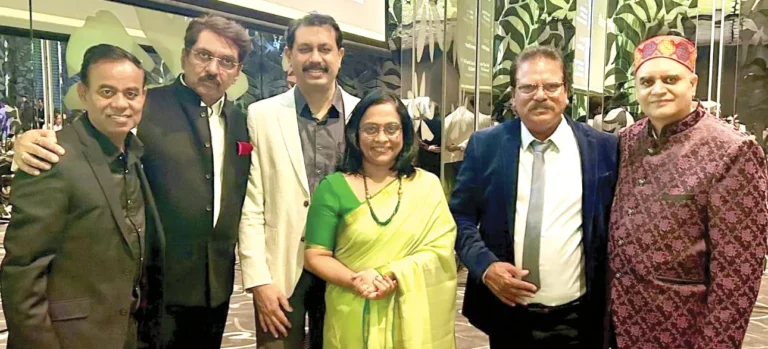
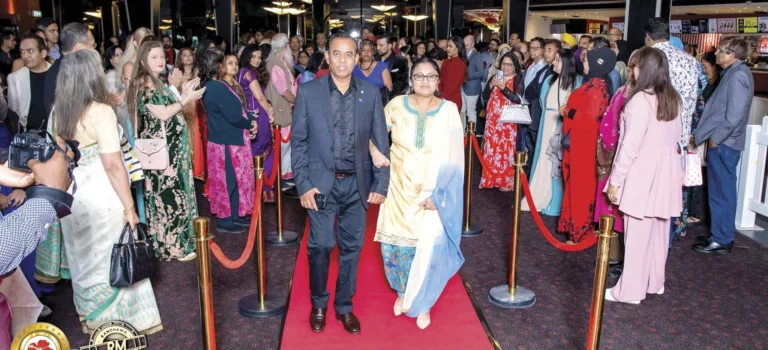
Organised by local community leader Manju Jehu and supported by Zeon Developments, Event Cinemas Garden City came alive with glitz & glamour, taken over by Fiji-Indian diaspora community and local audiences drawing significant attention and excitement for the Special Red-Carpet Screening of Langha Phobia. It could have easily been mistaken for a major Hollywood or Bollywood red carpet event.

The screening event featured a glamorous walk on the red carpet by community leaders, speakers on dv & men’s mental health, cast and crew, models, local media, live traditional performers and movie enthusiasts eager to experience this poignant drama.
The red-carpet event itself was described as vibrant and celebratory with complimentary drinks and popcorn for all attendees to celebrate the first Fiji Indian feature film in the world to be released on Amzon Prime in UK & USA. A gala event with attendees enjoying the opportunity to engage directly with the lead cast and filmmakers of Langha Phobia.
As Langha Phobia had debuted earlier in Melbourne to rave reviews, this special screening at Garden City was highly anticipated by the local community, especially those interested in Fijian and Indian diaspora narratives.

The film’s powerful narrative and authentic portrayal of relationships combined with its cultural backdrop positioned it as a notable work in independent cinema, highlighting themes of gender dynamics and social challenges within diasporic communities. The screening provided an opportunity for audiences to engage directly with the producers, creators and lead actors deepening appreciation for the film’s artistic and social contributions.

Glitz & Glamour At The Special Red Carpet Screening of the Fijian-Indian Film Langha Phobia

The Fijian-Indian family drama/comedy that delves deeply into themes of culture, marriage, and gender, set against the backdrop of Fiji and Australia. This independent film, written and directed by Vimal Reddy explores complex themes through the story of Gopendra (Gopi) and Shanti, whose married life in Fiji shifts dramatically due to Gopi’s chauvinistic behaviour and a peculiar psychological condition referred to as “Langha Phobia.” This term is a wordplay on “Langha,” a Fijian-Hindi dialect term for the traditional Indian ank-length skirt ‘lehenga,’ symbolising the protagonist’s irrational fear and related domestic tensions.

The film uses humour and wit to address taboo issues tied to generational and geographic cultural transitions within migrant families. It explores how deeply ingrained customs and secrecy can contribute to family dysfunction, internalised oppression, and shattered relationships. At the heart of the film lies social commentary on how traditional migrant households often avoid confronting painful truths until it is too late.
Despite its dramatic and sometimes sorrowful narrative, the film ends with a note of hope, advocating truth and communication as the keys to breaking damaging cycles.
Besides its cultural richness, Langha Phobia also highlights mental health and relationship issues from a nuanced perspective. The protagonist’s phobia of his wife is portrayed as part of a larger context of psychological challenges that reflect on the need for safe emotional spaces, even for men.

The film touches on non-physical violence and long-term emotional abuse, how resentment can poison family environments, and how trauma shapes behaviour. This is accentuated through strong performances, especially by lead actors Adwin Awadh (Gopi) and Pritash Dutt (Shanti), and powerful supporting role by director Vimal Reddy and others.
Musically, the film integrates cultural elements such as a song about kava, a traditional Fijian therapeutic drink, underscoring the cultural role of rituals in healing family and personal issues. The song was performed live on the red carpet by local group Brisbane Bhakti Boyzz taking the audience by surprise. Bollywood celebrity Sandeep Nath from the film Aashique 2 fame (Sun Raha Hai Na Tu) has also composed and sang “Dil Honey Honey Chillaye” in Langha Phobia.

The cinematography by Michael Firus and the film’s authentic storytelling have been praised for vividly capturing both Fijian culture and the migrant experience.
Langha Phobia thus stands out as both an artistic and socially relevant work, illuminating underrepresented stories of diaspora communities while challenging audiences to rethink family dynamics, gender roles, and cultural taboos in modern contexts.

Langha Phobia’s narrative direction mirrors the complex experiences of migrant communities, making it a significant film within the context of multicultural cinema. The film’s writer and director, Vimal Reddy, himself has roots in the Fijian-Indian experience, adding layers of authenticity to the storytelling. His vision was not only to entertain but also to evoke thought and dialogue around the issues faced by families navigating cultural intersections.

The cinematic elements play a crucial role in enhancing the film’s themes. The picturesque backdrop of Fiji serves not only as a setting but as a character in itself, rich with cultural implications. Traditional customs and practices, including scenes of familial gatherings and rituals, are integral to the storyline, showcasing the importance of community support amid personal crises.

Langha Phobia has been recognised for its contribution to mental health awareness, particularly concerning men’s mental wellbeing, in a cultural context where discussing feelings and vulnerabilities is often stigmatised. The film reflects the importance of seeking help and breaking down barriers that prevent open discussions about emotional struggles, painting a more nuanced portrait of masculinity and domestic life.
As it continues to garner attention, Langha Phobia opens doors for discussions on representation and reality in cinema, reflecting the lives of those who have historically been overlooked. By emphasising stories from diverse backgrounds, the film invites broader audiences to understand and empathize with the intricate dynamics of cultural identity, mental health, and family.

The lead actors, Adwin Awadh and Pritash Dutt, deliver compelling performances that have garnered both critical and audience acclaim.
Adwin Awadh portrays Gopendra, a complex character grappling with traditional beliefs while facing the absurdity of his own fears. Critics have praised Awadh for his double role and his ability to capture the nuances of Gopi’s emotional turmoil — illustrating a man caught in the conflict between societal expectations and his internal struggles. His performance strikes a balance between humour and pathos, effectively conveying Gopi’s transitions from joviality to introspection.

Many reviewers noted Awadh’s strong comedic timing, which brings levity to tense moments without undermining the film’s serious themes. His ability to make Gopi relatable resonates with audiences, as he embodies the struggles many men face in their relationships while holding on to outdated notions of masculinity. Viewers have particularly responded to the depth he brings to moments of vulnerability, allowing audiences to empathise with Gopi’s challenges and growth throughout the film.
Gopi’s character embodies the struggles of a man caught between societal expectations and personal insecurities, ultimately showcasing how these conflicts can manifest in harmful ways.

Shanti, on the other hand, represents strength and resilience, skilfully navigating her husband’s phobia while seeking agency and empowerment. Through their relationship, the film addresses the often quiet but profound struggles women face in patriarchal societies and the missed opportunities for communication and understanding between partners.

Pritash Dutt takes on the role of Shanti, Gopi’s wife, showcasing a rich portrayal of strength and resilience. Dutt’s performance has been highlighted for its emotional depth, particularly in her ability to convey Shanti’s sense of isolation and determination in the face of her husband’s phobia. Critics commend her for seamlessly transitioning between vulnerability and assertiveness, making Shanti a dynamic character with whom many can connect.
Dutt effectively represents the struggles faced by women in patriarchal societies, capturing the nuances of her character’s fight for autonomy within marriage. Her chemistry with Awadh has been noted as a standout aspect of the film, as their interactions are filled with both tension and warmth — showing a complex relationship that evolves over time. Many audience members have expressed admiration for her ability to command attention on screen, making Shanti a memorable and relatable character.

Combined, Awadh and Dutt’s performances have received widespread praise from both critics and audiences who find their dynamic portrayal a central element of the film’s appeal. The authenticity they bring to their characters transcends cultural boundaries, allowing anyone who has experienced relationship struggles to relate to Gopi and Shanti’s journey. Their performances highlight the film’s core themes of communication, vulnerability, and the importance of challenging societal norms.

The film’s success owes much to the strong foundation set by its leads, illustrating how well-written characters by Director Vimal Reddy can resonate when portrayed by talented actors. The positive feedback from the screenings have positioned both Awadh and Dutt as emerging talents in the diaspora film industry, underscoring the significance of Langha Phobia in launching their careers and showcasing the depth and diversity of contemporary independent cinema.

The chemistry between the leads was described as compelling, contributing significantly to the film’s impact.
One viewer wrote, “Adwin and Pritash were fantastic! Their chemistry made Gopi and Shanti’s journey so relatable. I laughed, I cried, and I felt every moment.” This sentiment was echoed in various threads where users described the lead actors as “captivating” and “authentic.”

Viewers appreciated the film’s exploration of difficult topics such as mental health and the dynamics of marital relationships. Comments such as “This film opened my eyes to the importance of communication in relationships” and “Langha Phobia tackles issues that many of us face but rarely talk about” were prevalent, showing that the film resonated on a personal level. Social media reactions & spontaneous guest testimonials expressed admiration for the film’s bold storytelling and cultural relevance. Some viewers highlighted the film’s nuanced blending of humour and drama, which made difficult topics more accessible.

Audience found Langha Phobia both thought-provoking and emotionally powerful, affirming its importance as a culturally rich and socially conscious film. Many viewers praised Langha Phobia for its authentic portrayal of complex family dynamics, especially highlighting the challenging subject of non-physical abuse and emotional struggles within a marriage.
The film brought awareness to issues often considered taboo, such as men’s mental health and the psychological impact of long-term resentment in families. The exploration of “Langha Phobia,” an unusual and symbolic fear portrayed in the film, sparked meaningful conversations among viewers about emotional vulnerability and societal expectations of masculinity.

One attendee shared, “The energy of the evening was electric! It was amazing to see so many familiar faces and celebrate our culture together.”
Many audiences expressed their hope for more films like Langha Phobia that tackle cultural and societal issues, stating that such representation is crucial. Comments like “We need more stories like this in cinema!” and “Kudos to the filmmakers for shedding light on such important themes!” were commonly seen, showcasing a collective desire for continued exploration of similar narratives.

Langha Phobia screening reflected on a community that was not only entertained but also deeply moved and inspired by the film’s message. This engaged conversation on social media underscoring the film’s impact and its relevance in the cultural landscape, highlighting the importance of storytelling that resonates with diverse audiences.
This illustrates a broader trend of increasing appreciation for films that authentically represent cultural identities and experiences. This film has sparked vital conversations and provided a platform for discussions around various socio-emotional topics that resonate across different demographics.

The screening served as more than just a film premiere; it was a communal gathering that brought together individuals from various backgrounds, uniting them through shared experiences and cultural narratives. Many attendees expressed gratitude for the opportunity to connect with others who understand the complexities of living in the diaspora. The film’s relatable storytelling created a sense of camaraderie among viewers, leading to deeper conversations about their lives and struggles.

On social media platforms, several posts shared personal anecdotes regarding the struggles depicted in the movie, with individuals drawing parallels to their relationships and family dynamics. This social media engagement not only amplified the film’s reach but also fostered a sense of belonging among viewers who resonated with its messages.

The positive reception of Langha Phobia is indicative of a growing demand for diverse narratives within mainstream cinema. Viewers expressed hopes that this film’s success would encourage studios and filmmakers to invest in more projects that explore underrepresented stories. Comments like “Let’s support more films like this!” and “This is just the beginning for Fijian-Indian cinema!” reflect the audience’s eagerness for broader representation and discussion around socio-political issues through storytelling.

In the days following the screening, numerous discussion threads emerged on community forums and social media, focusing on the film’s critical themes—marriage, gender roles, and cultural expectations. Many engaged in thoughtful debates regarding the portrayal of masculinity and the depiction of emotional health in men, both essential issues not commonly addressed in film. This collective dialogue underscores the film’s role in challenging stereotypes and fostering understanding about mental health issues, particularly within migrant communities.

Overall, the Langha Phobia screening at Garden City was not only a celebration of film but also a significant cultural event that encouraged community engagement, dialogue, and a shared sense of identity. As viewers continue to voice their experiences and feedback, the film is likely to leave a lasting impact on audiences and inspire future filmmakers to explore and depict diverse narratives authentically. The successful reception highlights the importance of cultural representation in cinema and its potential to foster empathy and understanding among varied communities.


Glitz & Glamour At The Special Red Carpet Screening of the Fijian-Indian Film Langha Phobia     Glitz & Glamour At The Special Red Carpet Screening of the Fijian-Indian Film Langha Phobia

The Indian Medical Association of Australia

The Indian Medical Association of Australia

The Indian Medical Association of Australia

The Indian Medical Association of Australia – Queensland Branch (IMAQ), established in 2017, is a dynamic and dedicated not-for-profit organisation registered under the QLD Associations Inc. Act (IA 57004). Based in Queensland, it serves as a vibrant community of doctors of Indian origin who proudly call Australia their home. We value and celebrate Australia’s multicultural society, which has embraced our members and allowed us to integrate fully into the healthcare system, making meaningful contributions across a range of specialties and sectors.
With a growing membership of over 600 professionals, IMAQ includes General Practitioners (GPs), specialists, junior doctors, and academics who actively contribute to advancing healthcare in both public and private sectors. Many of our members also hold esteemed academic positions at Queensland’s leading medical universities. This diverse and highly skilled group is unified by a shared commitment to excellence in healthcare, and we continuously strive to improve patient care and wellbeing across the community.

IMAQ’s work extends beyond healthcare provision into social responsibility. We have initiated and hosted significant community-based activities, such as Domestic Violence Symposiums and online health clinics during the COVID-19 pandemic. These initiatives highlight our unwavering commitment to both the professional development of our members and the welfare of the broader community. Our engagement has also included special projects, such as hosting teams for the World Games for Children with Intellectual Disabilities.
The IMAQ also maintains an active presence in the media, with a monthly health radio program, health-related articles in local Indian publications, and Continuing Medical Education meetings for our members. These initiatives foster both education and awareness within the Indian community and the broader Queensland population. Additionally, our close ties with prominent medical associations like the Australian Medical Association Queensland (AMAQ) and specialist professional colleges allow us to stay at the forefront of the healthcare industry and advocate for policies that benefit our members and patients alike.
IMAQ organizes multicultural events and celebrations, including Diwali and Holi -key cultural events in the Indian community, which brings together our members and their families for a joyful celebration of the Festivities.showcasing IMAQ’s commitment to preserving and celebrating Indian cultural heritage while fostering unity among healthcare professionals in Australia.
IMAQ Doctors will continue to make invaluable contributions to healthcare and the community by promoting the values of excellence, multiculturalism, and compassion in every aspect of their work.

Dr Cyril Fernandez., MBBS,FRACG President of The Indian Medical Association of Australia( IMAQ) Queensland Chapter

Rotary Club of Brisbane International – A Year to Unite for Good

Rotary Club of Brisbane International – A Year to Unite for Good

Rotary Club of Brisbane International c

By Dipak Amratlal,
President – Rotary Club of Brisbane International

The Rotary Club of Brisbane International has entered the 2025/2026 Rotary year with renewed purpose under the inspiring global theme “Unite for Good.” This theme is more than a slogan — it is a call to action, a reminder that when people come together across cultures, communities, and causes, lasting impact is achieved.

A Night of New Beginnings
The recent Presidential Changeover was both celebratory and heartfelt, as members reflected on a year of “Magic” led by Past President Madhuri Jogia Azam. Her tireless service and heartfelt projects left a lasting mark, and her leadership was warmly acknowledged by all present.
The evening also recognised outstanding contributions within the club, with Rajnish Padarath being named Rotarian of the Year for his tireless efforts and commitment to service.
As the new President, I shared my vision for the year ahead — a year where every member has a voice in shaping our journey. Rotary’s success lies in our ability to Unite for Good by bringing together individuals, families, businesses, and communities to serve humanity with compassion, creativity, and courage.

A Unique Father–Daughter Leadership Moment
This year is especially meaningful for our Rotary family, as it marks the first time that a father–daughter team will lead both the Rotary and Rotaract Clubs of Brisbane International.
Dipak Amratlal – President, Rotary Club of Brisbane International
Maansi Amratlal – President, Rotaract Club of Brisbane International
Together, we represent two generations working side by side to build bridges, serve communities, and Unite for Good. This rare milestone highlights the strength of family in service and the way Rotary inspires future leaders.

Meet the 2025–2026 Board
Leading this exciting year of service and fellowship is our diverse and passionate team:
President – Dipak Amratlal
Immediate Past President – Madhuri Azam
Membership Director – Premela Jones
Corporate Membership & President Elect 2026–27 – Deva Naiker
International Projects – Raj Padarath
Local Projects – Nirmala Prasad
Marketing Director – Kartika Prasad
Club Mentor – Jitendra Prasad
Rotary Foundation – Abdul Azam
Effective Service – Soko Niko
Club Administration & Secretary – Subhashni Singh
Furnishing & Finance – Naresh Kumar
DG Support – Arun Raniga
This strong leadership group is committed to delivering projects and events that uplift and inspire, true to Rotary’s mission.

Corporate Membership Program – A New Era of Partnership
One of our most exciting initiatives this year is the launch of the Corporate Membership Program. This program provides an opportunity for businesses to demonstrate genuine social responsibility while uniting with Rotary to deliver good in the community.
We are proud to welcome our very first Gold Corporate Members: SureInsure Pty Ltd Their support underscores how businesses and service organisations can partner for greater impact.

The Raja Rani Gala – With a Royal Flair
The highlight of our social calendar is almost here — the Raja Rani Gala with a Royal Flair, set for Saturday, 20 September 2025 at the luxurious W Hotel Brisbane.
Guests will be treated to a spectacular evening of fine dining with a lavish Indian buffet, dazzling entertainment, and raffle prizes — all in a setting “befitting kings and queens, where the silk shimmers.”
Beyond the glamour, the Gala carries a deeper purpose: proceeds will support vital community projects. It is a night that blends culture, compassion, and celebration — reminding us that service can also be joyful.

Projects for 2025/2026
Our commitment to service remains strong with projects that touch lives directly:
Supporting Domestic Violence Survivors – providing support packs to those in crisis.
Hampers of Hope – Christmas 2025 – delivering festive hampers to bring comfort and joy to families in need.
More to Come – additional projects will be announced throughout the year, as the club continues to respond to community needs.


Join Us – Unite for Good
The Rotary Club of Brisbane International invites individuals, families, and businesses to be part of this journey. Whether through membership, sponsorship, or attending the Raja Rani Gala, your involvement ensures we continue to create meaningful change.
“When we unite for good, no act of service is too small to make a difference.”


Will My Wealth Go Beyond My Grandkids?

Will My Wealth Go Beyond My Grandkids?

Will My Wealth Go Beyond My Grandkids

by Hitesh Mohanlal

Most people have never heard of Cornelius Vanderbilt. He was the Elon Musk of the 1800s — only better dressed and he never tweeted.
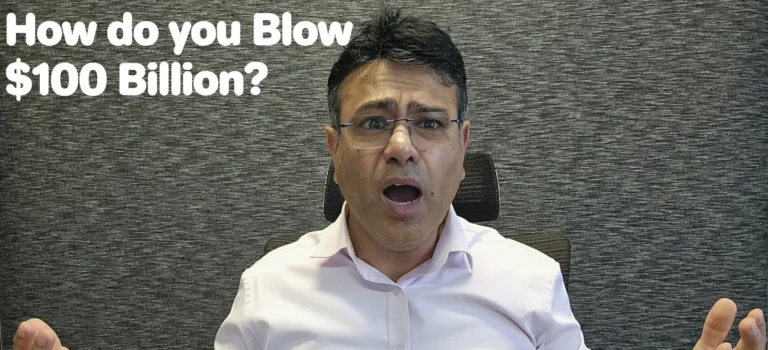
Anyway when he died in 1877, Vanderbilt left behind $105 million. And before you think that’s just a decent Powerball win, that would be around $3.2 billion today. But if his empire had kept compounding he’d be worth something closer to $100 billion in today’s coin.
That’s a lot.
So, you’d assume his descendants are now wafting about on private jets made of solid platinum, sipping cocktails in glasses that cost more than your house.
Nope.
Not a single Vanderbilt descendant today is even a millionaire.
That’s right. The family managed to torch a $100 billion fortune in three generations. Silk shirts to polyester polos in record time. How is that even possible?

How Do You Blow $100 Billion?
Apparently, there’s science behind this — something about effort. And because we are talking about scientists, this one probably had mad, frizzy hair, white lab coat and twitchy eyes.
Anyway, the theory goes that if you stop trying, everything crumbles. Many from the Indian subcontinent who migrated to the western world know what I am talking about. The first generation of migrates worked hard, saved and created wealth. And that meant going out to Coffee Club for breakfast was never considered. Why pay for breakfast when you can make it at home for free?
And it turns out, wealth behaves just like empires. Rome. Great Britain. Nokia. They all had their day in the sun, and then… kaboom.

The Rise, The Blow-Up, The Disaster
Here’s the usual pattern:
1. Generation One: Builds the empire with grit, sweat and the occasional highly questionable tax strategy.
2. Generation Two: Keeps it ticking along and spends some it.
3. Generation Three: Buys a 150-room mansion, 15 supercars, a 120-foot yacht, and invests heavily in a business that never make it.
Here’s what happens. Once the hard work stops, so does the money. The decline isn’t immediate. It’s gradual. Like the smell in a teenager’s bedroom. But it’s definitely happening.
I’ve Seen It. You’ve Seen It.
I’ve personally seen families where one generation worked like absolute lunatics to build something amazing — only to have the kids blow it on Rolexes, fast cars and a series of failed gluten-free vegan burger chains.
Why?
Because money doesn’t manage itself. You can’t just throw it into a pot and hope it becomes something magical. It needs attention. Focus. Respect.
So, here’s the big question:
What kind of relationship do you have with money?
Is it loving? Is it toxic? Is it like your relationship with your in-laws — polite but secretly full of loathing?
More importantly: Do you respect it?
Because if you don’t — and if your children don’t — your legacy is going to go the way of the Vanderbilt billions. Poof.

It’s Not Just Billionaires
Think this doesn’t apply to you? Think again.
I’ve seen ordinary families blow through modest inheritances — houses, superannuation balances, even grandma’s secret savings stash in the cookie tin — like it was Monopoly money.
And in most cases, I blame the parents. And that may include me. And yes, probably you too.
Because we didn’t teach our kids what money is, how it works, or how not to waste 100% on crypto and breakfast, lunch and dinner.

Vanderbilt vs. The Winners
Cornelius built the empire. His sons kept it warm. And then the “blowers” arrived. They made blowing money an art form. If blowing money was an Olympic sport they would have received gold medals for decades.
Contrast that with the Rothschilds or the Rockefellers — dynasties still going strong because they did something clever:
They didn’t just pass on wealth. They passed on purpose.
They made philanthropy, giving back and legacy part of their family DNA. Each generation had a mission. Not just “don’t blow it”, but “build something even bigger.”

What Should You Do?
So, if you’re sitting there thinking, “I’m not a billionaire, this doesn’t apply to me,” let me remind you: If you’ve got a house, a car, and a bit of super, you’ve got enough to blow away.
1. Stop Waffling Around
Be clear about your legacy. Don’t leave it vague. That’s like handing your teenager the keys to an Aston Martin and saying, “Just be careful.” We all know how that ends.
2. Talk About Money
The education system won’t. Your kids will learn about photosynthesis, but not how compound interest works. That’s your job. Make them earn it. Make them understand it. Tell them about your struggles and sacrifices — not just your wins.
3. Write a Bloody Will
And no, not just one you scribbled on a napkin or the one from the Post Office. A proper one. Assume the worst. Even if your kids love each other now, plan as if they’ll go full Prince William vs. Prince Harry after you’re gone.
4. Use Professionals
You wouldn’t try to do your own brain surgery, would you? So don’t try to DIY your estate plan.
And yes, I know as Indians we dislike spending money on professional advice but this is one area you should.
Use someone with a suit, a calculator, and the emotional warmth of a Siberian winter. These people know how to say “no” to a daughter-in-law asking for a Learjet or a grandson wanting to sell the family townhouse to fund a poker habit.

The Problem with Inheritance?
It’s seen as a lottery win, not a responsibility. And lottery winners, as we know, usually end up broke, divorced, or in a Florida jail.
That’s why I always say:
Don’t just leave money — leave a mission.
Leave a purpose. And someone to say “NO” on your behalf.
Because the truth is, if your grandkids don’t respect money, they’ll burn it faster than a bonfire made of Elon Musk tweets. And along with it, they’ll torch your legacy, your name, and your story.
Which, frankly, will be the real tragedy.

Let me sit with you: Why we need to talk about sadness and loss

Let me sit with you: Why we need to talk about sadness and loss

Let me sit with you- Why we need to talk about sadness and loss

“Let me sit with you.” These four simple words carry profound weight in a world that constantly pushes us toward positivity, toward keeping the glass half full at all times. But what happens when the glass feels completely empty?
Sadness is a topic many don’t want to talk about. We’ve created a culture where grief is treated like an unwelcome guest, something to be hurried along or simply ignored. But sadness isn’t the enemy of happiness. It’s its most necessary companion.

Loss Comes in Many Forms
Loss doesn’t discriminate. It arrives as the loss of health that strips away our invincibility, loss of wealth that challenges our security, loss of family members who anchored our world, or the gradual loss of happiness that leaves us hollow.
Each loss carries its own weight, its own timeline. The seasons it takes to overcome sadness are as unique as fingerprints, what heals one person in months might take another years, and that’s not a failure of resilience. It’s simply human.
The Bhagavad Gita reminds us: “As a person puts on new garments, giving up old ones, the soul similarly accepts new material bodies, giving up the old and useless ones.” This ancient wisdom teaches us that loss and transformation are inseparable, part of life’s natural rhythm.

When We Feel It Deep
When we lose something precious, we feel it deep in our core. It’s not just emotional, it’s cellular. Our entire being recognizes the absence.
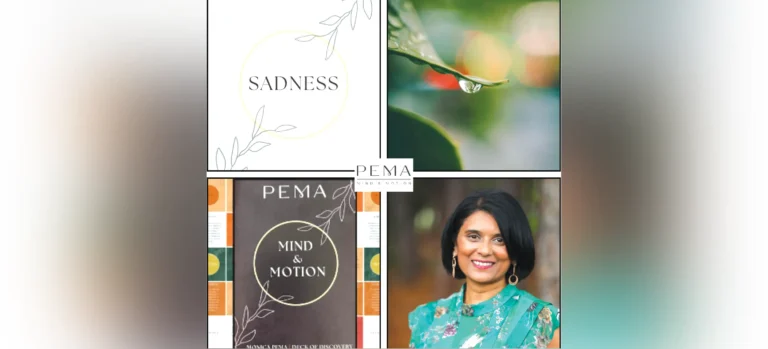
The Mind and Motion Card of Sadness reminds us that this depth of feeling isn’t a flaw, it’s proof of our capacity to love deeply. The intensity of our sadness often mirrors the intensity of our love.
Here’s the profound truth: what transforms from sadness is long-lasting. The growth emerging from authentic grief creates a foundation of compassion that nothing else can build.
The Heartbreak Question
Can heartbreak from loss truly be shed without judgment? Too often, we judge our grief, it’s taking too long, we should be stronger, we should be “over it.”
But judgment is the enemy of healing. When we sit with sadness without trying to fix or rush it, we create space for authentic transformation.

Five Steps to Move Through Sadness
1.Acknowledge the Reality
Stop pretending you’re fine. Sadness demands recognition without immediate solutions.
2. Create Sacred Space
Set aside time for grief. Light a candle, sit quietly, create rituals honouring both loss and feeling.
3. Express Without Editing
Write, cry, create art capturing your inner landscape. Let it be authentic, not pretty.
4. Seek Gentle Companionship
Find people who can witness your pain without trying to fix or cheer you up.
5. Trust the Timeline
Your healing unfolds at its own pace. Both progress days and backward days are normal.

The wisdom in seasons
Just as winter prepares soil for spring, our seasons of sadness prepare our hearts for new forms of joy and purpose. The person emerging from genuine grief work carries depth of compassion earned only through walking through the valley.
When I created the Sadness card for Mind and Motion, I wanted it to remind us that this feeling isn’t to be conquered, it’s to be honoured, processed, and integrated into our larger story.
Loss will visit us all. The question isn’t whether we can avoid it, but whether we can meet it with grace, allowing it to teach us what only sadness can teach about the preciousness of what we love.
If you’re navigating your own season of loss, let me say again: “Let me sit with you.” Your sadness is valid. Your timeline is yours. And somewhere in the depths of what feels like ending, new life is quietly preparing to begin.
Ready to take the first step toward emotional well-being? The Mind and Motion Cards are here to help you navigate your emotional journey. For more resources on emotional regulation, guided practices or purchasing the cards, visit www.monicapema.com.
Monica Pema
Integrated Wellness Expert
MSc. Psychology
“From Passion to Profit in All Walks of Life”
This article is intended for reflection and education. It is not a substitute for medical or psychological care.

Hepatitis B or Hepatitis C Health Undertaking

Hepatitis B or Hepatitis C Health Undertaking

Have you or someone you know who has recently applied for visa to live in Australia, been asked to complete a Hepatitis B or Hepatitis C Health Undertaking?
A Hepatitis B or Hepatitis C Health undertaking is an agreement with the Australian Government to meet hepatitis B or hepatitis C health requirements when applying for a visa, primarily for permanent visas.
Since the 1st of July 2024, Australia’s Department of Home Affairs requires people coming from countries with a high risk of hepatitis B to undertake testing to check for these conditions. Some people may also require testing for hepatitis C.
https://immi.homeaffairs.gov.au/help-support/meeting-our-requirements/health/health-undertaking
Testing positive for hepatitis B or C does not automatically mean you will be denied a visa to live or work in Australia. Anyone who tested positive for hepatitis B or hepatitis C will be asked to complete a health undertaking. This means that you have agreed to attend an appointment with a health care clinic for a follow up health examination and to undergo investigations and potential treatments for hepatitis B or C as required after arriving in Australia. Your visa application will not be refused as long as you agree to complete the Health Undertaking.
Therefore, a health undertaking is not punitive. It is a means to ensure that all people living with hepatitis B or hepatitis C, who have arrived to live in Australia, access appropriate care to protect their health, the health of their family, and the wider community.
A health undertaking is valid for 6 months from the time of signing. During this time, the person must seek medical care and completed and submitted any additional medical information required under the agreement.
ECCQ’s Love Health Program along with Queensland Health’s HCV Hub at West Moreton are here to assist with the Health Undertaking process in Queensland. We can help with navigation of the health system, provide education and information about hepatitis B and C English or other languages, and support engagement in care and monitoring of their health conditions.
For assistance or more information, please contact us at [email protected] or visit www.eccq.com.au/bbv for hepatitis B or C resources in multiple languages.
If you are in Cairns, you can contact the team at Cairns Sexual Health Services by calling (07) 4226 4769 or emailing [email protected].  

Rate Cuts and Real Estate: Will Australia’s Housing Market Keep Booming?

Rate Cuts and Real Estate: Will Australia’s Housing Market Keep Booming?

Australia’s real estate market is once again in the spotlight, as interest rate cuts by the Reserve Bank of Australia (RBA) have sparked renewed growth across capital cities and regional areas. The question now confronting economists, policymakers, and homeowners alike: how long can this surge last?


The RBA has delivered three consecutive rate cuts in 2025, lowering the cash rate from 4.35% in January to 3.60% by August. According to Governor Michele Bullock, the bank’s actions are in response to cooling inflation and signs of slowing economic activity, though the central bank remains cautious about future moves.
“We are seeing the early effects of easing monetary policy, but we’re not declaring victory over inflation yet,” Bullock said during the August monetary policy meeting (Reserve Bank of Australia, 2025).

A Booming Property Market
These rate cuts have had a swift and profound impact on the property market. CoreLogic’s national Home Value Index rose 1.2% in August alone, with annual growth now surpassing 8.5% across major markets (CoreLogic, August 2025). Sydney continues to lead the pack, with median house prices nearing $1.6 million, while Brisbane and Adelaide are posting record gains.
“Rate cuts are fuelling buyer confidence and unlocking pent-up demand,” said Domain Chief of Research Dr. Nicola Powell. “Investors are returning, and first-home buyers are rushing to take advantage of favourable borrowing conditions” (Domain, 2025).
In Queensland, the Gold Coast has seen its median house price jump to $1.32 million, surpassing even Brisbane’s $936,000 average. Townsville saw the most significant regional growth, up 17.6% year-on-year (Courier-Mail, 3 Sept 2025).

What’s Driving the Surge?
The real estate rebound is underpinned by a combination of factors:
1. Lower Mortgage Costs: A borrower with a $700,000 mortgage is now saving approximately $92 per month compared to January, thanks to the rate cuts (ABC News, 2 Sept 2025). For many buyers, this translates to increased borrowing capacity and improved affordability—at least on paper.
2. Tight Supply Conditions: Australia continues to face a chronic housing shortage. The National Housing Finance and Investment Corporation (NHFIC) estimates a deficit of over 175,000 homes by 2027, driven by high immigration and lagging construction starts (NHFIC, 2025).
3. Government Incentives: New federal and state initiatives targeting first-home buyers—such as the expanded Home Guarantee Scheme and low-deposit options—have boosted demand in the under-$1 million price bracket (The Australian, 1 Sept 2025).
4. Investor Return: After a brief retreat during the 2023–24 rate hiking cycle, investors are back. Rental yields remain high in most capital cities, with vacancy rates under 1% in parts of Melbourne and Perth (SQM Research, August 2025).

Can It Continue?
While the current rally is well-supported, experts warn that several risk factors could stall the market’s momentum.
Dr. Shane Oliver, Chief Economist at AMP Capital, believes the pace of growth may slow by mid-2026.
“Rate cuts have certainly reignited the housing market, but if affordability continues to deteriorate, we could see the RBA slow its easing cycle or implement macroprudential measures to prevent overheating,” Oliver said in a recent research note (AMP Capital, 2025).
Indeed, housing affordability remains a persistent concern. According to the ANZ-CoreLogic Housing Affordability Report, the portion of income required to service a new mortgage in Sydney is now over 50%, significantly above the long-term average (CoreLogic, July 2025).
Moreover, wage growth remains tepid. While inflation has eased, real incomes have not kept pace with rising property prices, putting pressure on younger and lower-income buyers.
“It’s a paradox: lower interest rates are meant to improve affordability, but when prices surge, the benefit is largely wiped out,” noted Professor Peter Tulip of the Centre for Independent Studies (CIS, 2025).

Regional Outlook: A Mixed Picture
While capital cities are booming, some experts believe the next growth phase may tilt towards regional areas—particularly those offering lifestyle benefits and better affordability.
Inland NSW towns like Orange and Dubbo, as well as coastal regions of WA and South Australia, have seen renewed interest from remote workers and retirees. However, growth remains uneven.
“We’re seeing a divergence between high-growth nodes and stagnant areas where economic fundamentals are weaker,” said Nerida Conisbee, Chief Economist at Ray White (Ray White Research, August 2025).

RBA’s Next Move
The RBA has remained deliberately non-committal about future rate decisions. Market analysts expect one or two more cuts before the end of 2025, depending on inflation and global economic conditions.
Yet, as GDP growth rebounds—up 0.6% in Q2 2025—and consumer spending remains resilient, some are questioning whether further easing is necessary (Reuters, 3 Sept 2025).
“The RBA may find itself in a tricky spot—too much stimulus could inflate another housing bubble,” warned former RBA board member Warwick McKibbin in an interview with the AFR (Australian Financial Review, 2 Sept 2025).
Finally, the RBA’s rate cuts have undoubtedly sparked a renewed property boom, offering opportunities and challenges in equal measure. While price growth may continue into 2026, concerns around affordability, supply shortages, and economic inequality will shape the market’s long-term trajectory.
For now, buyers and sellers are riding the wave. But as always in Australian real estate, the tide could shift with little warning.
(Sources: Reserve Bank of Australia, August 2025 Monetary Policy Statement, CoreLogic Home Value Index – August 2025, Domain Property Insights, 2025, Courier-Mail, 3 September 2025, NHFIC State of the Housing Market Report, 2025, ABC News, 2 September 2025, AMP Capital Research, August 2025, ANZ-CoreLogic Housing Affordability Report, July 2025, CIS, Housing Analysis 2025, Ray White Research Bulletin, August 2025, Reuters, 3 September 2025, Australian Financial Review, 2 September 2025, The Australian, 1 September 2025)

Springtime Checklist for landlord

Springtime Checklist for landlord

Springtime Checklist for landlord

Spring is just around the corner, and with that comes the perfect opportunity for a seasonal property check. Deep spring-cleans aside, for landlords, it’s more about ensuring your investment is well-maintained and ready for the coming warmer seasons.
Whether between tenancies or during routine inspections, there are some key maintenance areas to check over to ensure your property is in top condition. These include:

Exterior maintenance:
• Check the roof for any damage, such as rust, cracked tiles or loose panels.
• Ensure gutters and downpipes are clear of leaves and debris and are free from blockages.
• Check the condition of the property’s exterior for damage to render, bricks or timber cladding.
• Pressure wash mould and dirt from the property’s exterior walls, driveways and surrounding paths.
• Repair broken or uneven surfaces in walkways or driveways.
• If the property has a pool, now is a great time to book a professional pool clean and service to ensure the pump, filters and water quality are in good condition. Inspect fencing and gates for compliance with safety standards.
• Assess the property’s boundary lines and condition of fencing.
Interior maintenance:
• Test and clean smoke alarms to ensure they are functional and compliant.
• Prevention is key, so check when your property was last treated for pest control.
• Check wet areas for mould, water damage or deteriorating caulking.
• Ensure air conditioning units are serviced and working efficiently.
• If your property has an alarm and/or security systems, make sure they are working correctly.
• Inspect doors and windows for damage or ineffective sealing, and clean, repair or fit fly screens as needed.
• Look out for signs of leaks around the property – a small leak could go unnoticed and cause major issues over time.

Landscaping and outdoor areas:
• Prune hedges, bushes and shrubs to promote healthy growth.
• Remove dead or fallen branches from trees and garden areas.
• Weed and re-mulch garden beds.
• Test irrigation systems and adjust if necessary.
• Check external taps for wear and tear and fix any leaks.
Maintaining your property year-round for the seasons is vital not only for keeping your property in good condition, but also for ensuring it remains safe and functional for tenants. It’s also a great time to review whether your insurance reflects the current state of your property.
So, whether it’s a backyard blitz between tenancies, or a detailed routine inspection, staying proactive in your property upkeep is key to protecting your investment.
CREDIT: REMAX AUSTRALIA

Sandy Deo
REMAX Landmark 
0400920238
07 3189 6535
2/3 Curban Street Underwood
[email protected]

Anti-Migration Marches Across Australia Spark Condemnation and Fears of Rising Extremism

Anti-Migration Marches Across Australia Spark Condemnation and Fears of Rising Extremism

Jitendra Deo
Chief Executive Officer
JD Group Australia

Indianness A Celebration of Global Achievements

Sydney, 2 September 2025 – Thousands marched through major Australian cities over the weekend as part of the controversial “March for Australia,” with demonstrators voicing opposition to the federal government’s immigration policies. While organisers claimed the movement was focused on housing shortages and job competition, the rallies quickly drew condemnation for being overtaken by far-right extremist groups and for targeting migrant communities.
Protests were held in Sydney, Melbourne, Brisbane, Adelaide, Perth, and other regional centres on Sunday. According to estimates cited by ABC News and The Guardian Australia, over 15,000 protesters gathered in Sydney alone. Placards and chants at the rallies denounced what they described as “mass migration,” while organisers called for a cut to Australia’s annual migrant intake.
However, extremist groups such as the National Socialist Network—an openly neo-Nazi organisation—were visible at several events. In Melbourne, members of the group violently confronted Indigenous activists at the Camp Sovereignty protest site, reportedly wielding sticks and shouting racist and sexist slurs. As reported by The Guardian (1 Sept. 2025), several women of colour were assaulted in the attack, prompting calls for hate crime investigations.
“These scenes are completely unacceptable,” said Prime Minister Anthony Albanese in a press release issued Monday morning. “Peaceful protest is part of our democracy, but hate speech and violence are not. There is no place in Australia for racism or intimidation.”
Migrants and Journalists Targeted Indian Australians and other ethnic communities were explicitly targeted at some of the marches. IndiaTimes reported (1 Sept. 2025) that flyers distributed at the Adelaide and Sydney rallies accused Indian migrants of “overrunning” Australian suburbs, equating demographic shifts with “invasion.” The language used mirrored historical “White Australia” rhetoric, civil rights groups noted.
ABC journalist Nabil Al-Nashar, who covered the Sydney march, revealed he had received hundreds of racist messages after his report aired. “I was called an invader, told to leave the country, and subjected to abuse no journalist should face,” Al-Nashar told News.com.au (2 Sept. 2025).
Dr Prisha Menon, spokesperson for the South Asian Community Council, condemned the messaging: “This is not just about housing. This is a campaign of scapegoating, and Indian Australians are being used as political targets,” she told SBS News.
Affairs Minister Anne Aly strongly condemned the events, calling them “clearly racist” and warning of the resurgence of white nationalist groups. “Legitimate concerns are being hijacked by people pushing a divisive, dangerous ideology,” Aly said in comments reported by SBS and ABC News.
Opposition senator Jason Hargreaves of the United Australia Party acknowledged growing public frustration over housing and infrastructure but cautioned against platforming hate. “We must be able to discuss migration policy without feeding into xenophobia,” he told Sky News.

Divisions and Aftermath
The protests, described by many commentators as the largest organised anti-migration demonstration in Australia in two decades, have sparked renewed debate about the balance between national capacity and cultural inclusion.
Civil rights groups, including Amnesty International Australia, have called for stronger legislative protections against hate speech, as well as more public investment in multicultural education.
“Multiculturalism is not the problem,” said Erin Shah, director of Amnesty Australia. “It’s part of the solution to building a more inclusive, resilient society,” she told The Guardian.
As Australia continues to welcome record numbers of skilled migrants, the federal government faces growing pressure to address infrastructure concerns while firmly countering the rise of extremist narratives exploiting economic insecurity.

(Sources: The Guardian Australia, 1 Sept. 2025, ABC News Australia, 31 Aug.–2 Sept. 2025, IndiaTimes, 1 Sept. 2025, SBS News, 1 Sept. 2025, News.com.au, 2 Sept. 2025, Sky News Australia, 1 Sept. 2025, Amnesty International Australia, media statements)

“Har Ghar Tiranga” Campaign Inspires Millions Across India to Celebrate Patriotism

“Har Ghar Tiranga” Campaign Inspires Millions Across India to Celebrate Patriotism

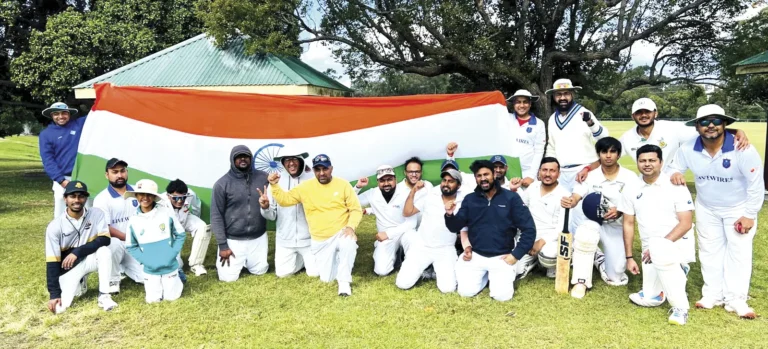
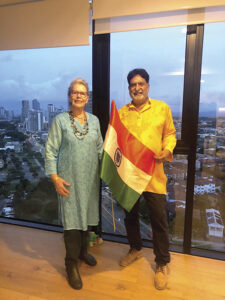
Har Ghar Tiranga eIn a remarkable nationwide movement, the Government of India’s “Har Ghar Tiranga” campaign has ignited a surge of patriotic fervor across the country, encouraging citizens to hoist the Indian national flag, the Tiranga, at their homes between August 13 and 15, 2025. This initiative, part of the broader Azadi Ka Amrit Mahotsav celebrations commemorating 75 years of India’s independence, has seen enthusiastic participation from urban centres to remote villages, symbolizing unity and pride in the nation’s journey.
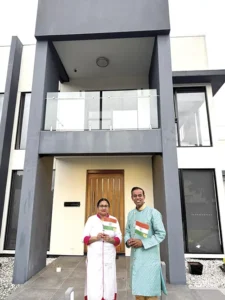
Har Ghar Tiranga iLaunched by the Ministry of Culture and the Ministry of Home Affairs, the “Har Ghar Tiranga” (meaning “Tricolor in Every Home”) campaign is designed to foster a deeper connection between citizens and the national flag. It aims to encourage widespread flag hoisting and generate awareness about the flag’s significance, particularly among younger generations.
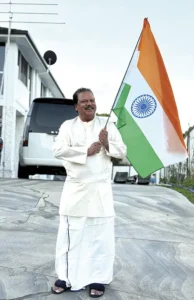
Prime Minister Narendra Modi emphasized the importance of the campaign, stating, “The tricolor is not just a piece of cloth; it is a symbol of our freedom, sacrifice, and aspirations. ‘Har Ghar Tiranga’ is a call to reaffirm our commitment to the values of our nation” (Press Information Bureau, Govt. of India, Aug. 2025).
Har Ghar Tiranga hReports indicate that over 20 crore households have participated nationwide, making it one of the largest patriotic drives in recent history (The Hindu, Aug. 30, 2025).
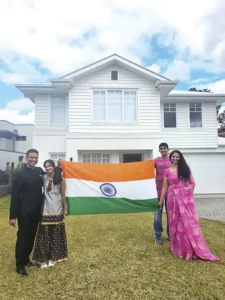
The campaign leveraged digital platforms such as MyGov and social media to engage citizens, offering free flags through government distribution channels and encouraging photo sharing under the hashtag #HarGharTiranga. Schools, colleges, and offices conducted flag-hoisting ceremonies, coupled with educational sessions about the history and etiquette associated with the Indian flag.
Har Ghar Tiranga gIn addition to the general public, government offices, public transport vehicles, and landmarks were decorated with Tirangas. Iconic monuments like the Red Fort and India Gate displayed spectacular flag displays during this period, drawing large crowds and media attention (Times of India, Aug. 2025).
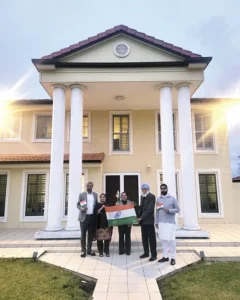
Analysts note that the campaign has helped reinvigorate national pride, especially among youth who are increasingly engaged in social causes and digital activism.
Dr. Anjali Mehta, a sociologist at Jawaharlal Nehru University, remarked, “Such mass participation helps consolidate a collective identity. It moves patriotism beyond rhetoric to tangible action. ‘Har Ghar Tiranga’ has also instilled respect for the flag, which is vital for a democratic nation” (The Indian Express, Sept. 1, 2025).
Har Ghar Tiranga dWhile the campaign has been largely successful, officials remind citizens to observe flag code protocols. The government has released detailed guidelines on the proper handling, hoisting, and disposal of the flag to ensure respect and dignity (Ministry of Home Affairs, Govt. of India).

Some critiques have cautioned against the politicization of such campaigns but most agree that the initiative’s inclusive messaging transcends partisan lines, focusing on unity and collective memory.
The success of “Har Ghar Tiranga” has set a precedent for future patriotic initiatives, fostering a culture where the flag is a symbol lived by millions every day, not just on special occasions.
As India moves forward into the next decades, this campaign could become an annual tradition, strengthening the fabric of Indian democracy and patriotism.
(Sources: Press Information Bureau, Government of India. “Har Ghar Tiranga Campaign.” Har Ghar Tiranga aAugust 2025. https://pib.gov.in/, The Hindu. “Har Ghar Tiranga Initiative: A Massive Patriotic Drive.” August 30, 2025, Times of India. “Har Ghar Tiranga Campaign: See Flag Hoisting and Celebrations.” August 2025, The Indian Express. “Opinion: Har Ghar Tiranga and Renewed Patriotism.” September 1, 2025)

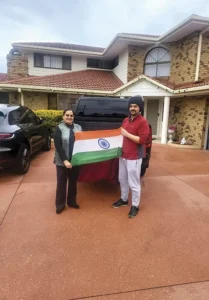
Har Ghar Tiranga cHar Ghar Tiranga b