

Mastering Money: The Key to Financial Freedom and Wealth Mastery

Mastering Money: The Key to Financial Freedom and Wealth Mastery

Mastering Money The Key to Financial Freedom and Wealth Mastery

In a world where financial independence is synonymous with freedom, the necessity to master money is greater than ever. Whether we like it or not, money touches nearly every aspect of our lives—from securing basic necessities to pursuing our dreams and goals. Yet, many people struggle with financial mastery, hindered by limiting beliefs, poor habits, or a lack of understanding about how to grow wealth. To thrive in today’s economic landscape, it is crucial to understand why you must master money and what changes are required to achieve true financial wealth and freedom.

Why Must You Master Money?
The core reason to master money is simple: control. Mastery over your finances means having the ability to live life on your own terms rather than being dictated by financial constraints. When you are not in control of your money, it’s easy to feel trapped—whether that’s in a job you dislike, a lifestyle you can’t sustain, or in constant worry about unexpected expenses. Financial mastery gives you choices and the freedom to pursue what matters most to you, without being limited by external pressures.
Mastering money isn’t just about accumulating wealth for the sake of it; it’s about creating a sense of stability and freedom that allows you to focus on your higher goals, passions, and contributions to the world. True financial mastery empowers you to live a life of abundance, not just in terms of material wealth, but in peace of mind, confidence, and the ability to help others. In a world where unpredictability is the only constant, mastering money is your insurance against uncertainty. It gives you the ability to pivot, adapt, and thrive no matter what happens in the economy or your personal circumstances.

Vision for Wealth Mastery: What Do You Want to Achieve?
The Wealth Mastery program offers an extraordinary opportunity to elevate your financial intelligence and practice. The vision for this program is clear: to help individuals create sustainable financial freedom through knowledge, strategy, and the right mindset. It’s not just about learning how to make more money but about how to create systems, habits, and beliefs that allow you to grow, manage, and protect your wealth long-term.
What do you want to achieve from this program? Perhaps it’s a more significant understanding of how to invest wisely, or maybe it’s learning to budget and save effectively. For others, the focus may be on developing new habits that remove them from a paycheck-to-paycheck cycle and place them on the path to passive income and financial independence. Whatever your goals may be, the Wealth Mastery program provides the resources and frameworks to help you get there. The key takeaway from the program is how to shift your financial mindset, grow your wealth, and use that wealth to create the life you envision.

Chokeholds to Financial Growth: What’s Holding You Back?
It’s important to address the chokeholds that have held you back from achieving the financial success you desire. Common obstacles to growth often stem from a lack of financial education, unhealthy money habits, or limiting beliefs that have been passed down or developed over time. One of the most significant chokeholds is fear—the fear of losing money, the fear of making wrong decisions, or the fear of not having enough. These fears can lead to inaction, causing missed opportunities for growth.
Another key chokehold is poor spending habits. Many people fail to properly manage their income, spending more than they earn or failing to invest in long-term wealth-building strategies. This behavior, often driven by a short-term gratification mindset, can be a major barrier to financial success. Lastly, lack of discipline in managing and growing money can also prevent you from achieving your financial goals. Without consistency in saving, investing, and making informed financial decisions, it’s difficult to build lasting wealth.

What Needs to Change for True Financial Freedom?
To achieve true financial wealth and freedom, several things need to shift—not just in your external actions but also in your internal mindset. First and foremost, your thoughts about money need to change. If you see money as scarce or difficult to obtain, you’ll operate from a place of lack and fear. Shifting to a mindset of abundance will allow you to take calculated risks, invest in opportunities, and confidently manage your finances.
Next, your emotions around money must be addressed. Anxiety and fear are common emotional reactions to financial decisions, but they can paralyze you. Learning to manage your emotions will help you make rational, informed decisions rather than emotional ones driven by stress.
Your habits and behaviors also need to align with your goals. It’s one thing to have a financial plan, but executing it requires discipline, consistency, and sometimes sacrifice. Small daily actions—like saving a portion of your income, tracking your expenses, or investing in your financial education—are what lead to long-term wealth. Changing your habits from reactive spending to proactive wealth-building is a critical step in the process.
Finally, your beliefs about wealth must evolve. If you believe wealth is unattainable or only for others, you will never make the effort required to achieve it. Changing your beliefs to understand that financial freedom is within your reach is key. Wealth Mastery teaches you to see opportunities where others see obstacles, transforming not only your finances but your entire life.
For this month’s conclusion, mastering money is not about becoming rich for the sake of wealth itself; it’s about creating freedom, stability, and the ability to live life on your own terms. By identifying your financial chokeholds, shifting your mindset, and developing strong habits, you can unlock true financial freedom and begin the journey toward long-term wealth. Wealth Mastery is the key to transforming not just your bank account, but your life.
You can use my photo as per previous post and the below image if required.

Pushpa Vaghela
[email protected]
Mobile: 0497998829

Rhys Bosley Independent Candidate for Algester – 2024

Rhys Bosley Independent Candidate for Algester – 2024

Salisbury to Hillcrest Passenger Rail Line by 2032 essential for Algester electorate business and residents

Rhys Bosley, Independent Candidate for Algester at the Queensland election, is calling for completion of the Salisbury to Hillcrest section of the Salisbury to Beaudesert Passenger Rail line by 2032.
“Completion of a passenger rail line from Salisbury to Hillcrest by the 2032 Olympics, is a non-negotiable commitment that a new Queensland Government would need to make, to win my support in a hung parliament”, Mr Bosley said.
He said the construction of the Salisbury to Hillcrest section of the Salisbury to Beaudesert line cannot wait to start in the mid-2030s, as announced in the Queensland Government’s recently released Business Case Summary.
“Algester electorate’s roads are clogged now, the mid 2030s is too late for this rail line. The current member for Algester, Leeanne Enoch, has failed to effectively advocate to deliver this critical piece of transport infrastructure when it is needed,” Mr Bosley said. “The warm glow of 50 cent fares will wear off pretty quickly for those stuck on an overcrowded bus in traffic”.
Mr Bosley is an Infrastructure Professional who has worked on multi-billion dollar transport business cases and has tertiary qualifications in economics, finance and project management.
Mr Bosley said, “No sooner have the Queensland and Australian Governments announced that they will not be starting this project until the mid-2030s, than they commit to a new study to build an extension of the Gateway Motorway between Browns Plains and Park Ridge. This would presumably be a toll road like the rest of the Gateway and would service areas of Logan such as Park Ridge, Flagstone and Yarrabilba, which would eventually benefit from the Salisbury to Beaudesert Rail if it was extended beyond Hillcrest”.
“I suspect the Government has put the Salisbury to Beaudesert line on ice, only committing to corridor preservation to ensure that there is no competition for the toll road, which would presumably be a public/private partnership like the rest of the Gateway”, Mr Bosley said.
“A toll road is not the priority for our region, a passenger rail line is”.
“The Algester electorate has experienced dramatic housing and industrial growth. Failure to provide the Salisbury to Hillcrest Line, will reduce the value of the investments that business has made in our region and the attractiveness to future investors”, Mr Bosley said.
“We dramatically need to improve business productivity in Queensland. There is nothing less productive than workers and commercial vehicles being stuck long periods in traffic”.
“The Salisbury to Hillcrest line would dramatically improve the quality of life and employment options for Algester electorate residents, as well as reducing transport emissions”.

Diwali and Its Role in Fostering Multiculturalism in Australia

Opinion

Diwali and Its Role in Fostering Multiculturalism in Australia

By Jitendra Deo
Chief Executive Officer
JD Group Australia

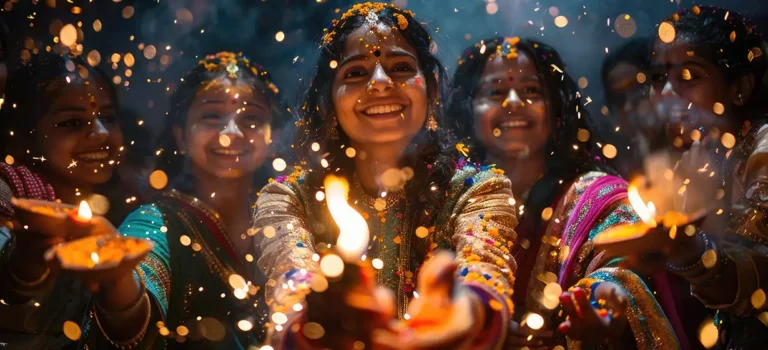
Diwali and Its Role in Fostering Multiculturalism in AustraliaDiwali, the Festival of Lights, is a celebration that transcends mere festivities; it embodies a rich tapestry of cultural and spiritual significance. Celebrated primarily by Hindus, but also embraced by Jains, Sikhs, and others, Diwali symbolizes the victory of light over darkness and good over evil. As Australia increasingly embraces its multicultural identity, the celebration of Diwali offers a unique opportunity to promote inclusivity, understanding, and community cohesion among its diverse populations.
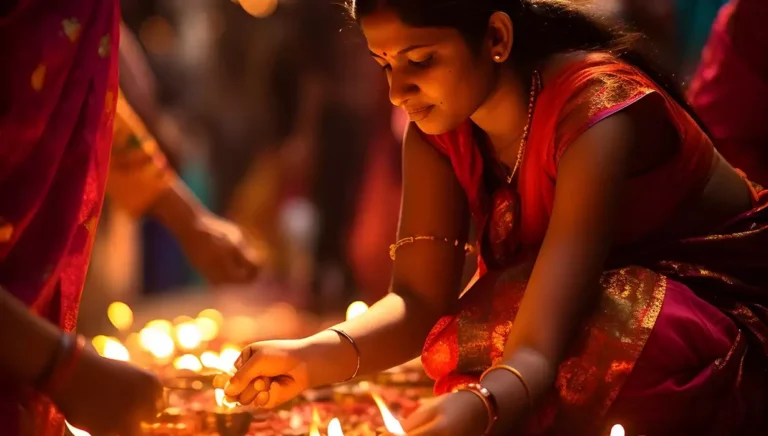
Australia is a melting pot of cultures, with people from various backgrounds contributing to its vibrant social fabric. Diwali serves as an excellent example of this diversity. Celebrating the festival allows Australians from different backgrounds to learn about and appreciate one another’s customs, traditions, and beliefs. Public Diwali celebrations—such as community festivals, cultural exhibitions, and fireworks displays—provide platforms for sharing these varied traditions, fostering interaction among different cultural groups.
When diverse communities come together to celebrate Diwali, they create an environment of mutual respect and understanding. Australians can engage in dialogues about the significance of the festival, its historical roots, and its contemporary interpretations. These interactions help break down stereotypes and dispel misconceptions, allowing for deeper connections among individuals from different cultural backgrounds.
At its core, Diwali is about values that resonate universally—unity, compassion, and goodwill. These principles are particularly important in a multicultural society like Australia, where harmony among various cultural communities is essential. Diwali encourages individuals to reflect on their actions and contribute positively to their communities.
By engaging in community service during Diwali, Australians can embody the festival’s spirit of generosity. Initiatives such as food drives, charity events, and volunteer opportunities not only honour the core values of Diwali but also strengthen community ties. Acts of kindness during this time can help create a culture of giving and compassion that extends beyond the festival, reinforcing the idea that we are all part of a larger community.
Diwali offers a unique opportunity for cultural exchange that can enrich Australia’s social landscape. Educational institutions can play a vital role by incorporating Diwali into their curricula, teaching students about its significance and the values it embodies. Workshops on traditional crafts, cooking classes for festive foods, and storytelling sessions about Diwali legends can enhance students’ understanding of cultural diversity.
By exposing young Australians to the stories and practices associated with Diwali, we cultivate curiosity and respect for different cultures. Such educational initiatives can help foster a generation that values multiculturalism as a strength rather than a challenge. When students learn to appreciate the richness of diverse traditions, they are more likely to become active participants in a harmonious society.
Creating spaces for people from various backgrounds to come together is crucial in a multicultural society. Diwali celebrations can serve as these inclusive spaces, where individuals feel a sense of belonging and community. Local councils, cultural organizations, and community centres can play an active role in organizing Diwali events that invite participation from all.
These celebrations can include communal meals, dance performances, and cultural showcases, allowing participants to experience the festival’s rich traditions firsthand. When Australians celebrate Diwali together, they forge connections that transcend cultural differences, reinforcing the idea that diversity is a unifying force. This sense of community is particularly important in a country like Australia, where social cohesion can be challenged by misinformation or lack of understanding.
Another vital aspect of Diwali’s relevance in Australia is its potential to foster interfaith dialogue. As a festival that celebrates good over evil and light over darkness, Diwali resonates with many universal themes found in various religious traditions. By recognizing these commonalities, individuals from different faiths can come together to explore shared values and beliefs.
Interfaith dialogues centred around Diwali can promote understanding and respect among religious communities. Such discussions can help dispel myths and misconceptions, fostering a sense of solidarity among diverse groups. By engaging in these conversations, Australians can build bridges between communities, ultimately leading to a more harmonious society.
In today’s digital age, technology can play a crucial role in promoting multicultural celebrations like Diwali. Social media platforms, blogs, and video-sharing sites can be used to highlight the significance of the festival and share personal stories and experiences. This not only raises awareness but also encourages dialogue about cultural practices and values.
Community organizations can harness technology to host virtual Diwali celebrations, allowing people to participate from their homes. Online events can include live cooking demonstrations, cultural performances, and discussions about the festival’s significance. By utilizing technology creatively, Australians can ensure that the essence of Diwali reaches a broader audience, transcending geographical boundaries and fostering a sense of belonging.
Lastly, Australia continues to embrace its multicultural identity, celebrating Diwali can play a significant role in fostering inclusivity, understanding, and community cohesion. By recognizing the importance of this vibrant festival, Australians can celebrate not just Diwali itself but also the rich cultural heritage it represents.
Diwali’s themes of light, unity, and compassion offer valuable lessons that resonate far beyond the festival. They serve as guiding principles for building a more inclusive society, where individuals from diverse backgrounds can thrive together. As Australians actively participate in these celebrations, they contribute to illuminating the path toward a harmonious and vibrant multicultural community.
In embracing Diwali, Australia can demonstrate its commitment to celebrating diversity, fostering connections, and promoting values that unite us all. As the Festival of Lights continues to shine, it holds the potential to brighten not only individual lives but also the collective spirit of a multicultural Australia.

The Business of Diwali: Harnessing the Festival for Economic Growth

The Business of Diwali: Harnessing the Festival for Economic Growth

The Business of Diwali Harnessing the Festival for Economic Growth 1Diwali, known as the Festival of Lights, is one of the most celebrated and culturally significant festivals in India and among Indian communities worldwide. While its spiritual essence focuses on the triumph of light over darkness, the festival also offers significant economic opportunities for businesses. As we delve into the business aspects of Diwali, here we explore how the festival stimulates economic activity, impacts various industries, and provides avenues for innovation and community engagement.

The Economic Impact of Diwali
Diwali’s economic significance is profound, with estimates suggesting that the festival generates billions of dollars in economic activity. It is a time when consumers engage in increased spending, driven by cultural practices and traditions. In 2023, for instance, Indian consumers were projected to spend over $40 billion on goods and services during the Diwali season, encompassing everything from new clothes and home decorations to gifts and festive foods.

The Business of Diwali Harnessing the Festival for Economic Growth b

This surge in consumer spending positively impacts various sectors:

Retail Sector
Retailers, both large and small, see a dramatic uptick in sales during Diwali. Traditional practices like buying new clothes, home appliances, and gifts for family and friends drive this demand. E-commerce platforms experience heightened traffic, with many companies offering discounts and special promotions to attract customers.

Consumer Electronics:
Diwali is a prime time for purchasing electronics, such as smartphones, laptops, and home appliances. Brands often launch new products and special offers during this season, capitalizing on consumer eagerness to buy gifts.

Real Estate
The festival is often associated with new beginnings, prompting many families to invest in new homes. The real estate market sees increased activity, with many developers offering festive discounts and promotional deals to attract buyers.
Food and Beverage Industry
Diwali is synonymous with sweets and festive meals. Bakeries and confectioneries experience a boom in sales, as families prepare to celebrate with traditional delicacies. Restaurants often curate special Diwali menus, further contributing to the food sector’s growth.

Hospitality and Tourism
Many families travel during Diwali, boosting the hospitality and tourism industries. Hotels and travel agencies create festive packages to attract travellers, making it a lucrative period for them.

Opportunities for Small Businesses
Diwali presents numerous opportunities for small businesses and entrepreneurs. Local artisans, craftspeople, and small retailers can leverage the festival to showcase their products. Here’s how they can capitalize on the festive spirit:

Handmade Products
Artisans can create traditional handicrafts, decorations, and gifts that resonate with the festival’s spirit. Unique, handmade products often attract consumers looking for something special and meaningful.

Culinary Ventures
The food industry offers ample opportunities for small businesses, from homemade sweets to catering services for Diwali parties. Entrepreneurs can also explore creating niche products, such as organic or health-conscious sweets.

Event Planning and Decor
Many families and businesses host Diwali parties and celebrations. Event planners and decorators can find a steady stream of clients seeking to create memorable experiences for their gatherings.

Online Marketplaces
With the rise of e-commerce, small businesses can reach a broader audience by selling their products online. Leveraging platforms like Etsy, Amazon, or social media can help artisans and entrepreneurs tap into the Diwali market effectively.

Emphasizing Sustainability
As consumer awareness about sustainability increases, businesses can also focus on eco-friendly practices during Diwali. The festival can be an opportunity to promote sustainable products and services:

Eco-Friendly Decorations
Offering biodegradable or reusable decorations can attract environmentally conscious consumers. Businesses can create and market products made from natural materials, promoting a greener approach to festive celebrations.

Sustainable Gifting
Companies can focus on creating gift items that are sustainable, such as organic foods, reusable kitchenware, or handmade crafts. Promoting gifts that support local artisans can also resonate well with consumers looking to make ethical purchases.

Green Initiatives:
Businesses can launch initiatives that contribute to community welfare, such as tree planting drives or waste collection campaigns during Diwali. Such efforts enhance brand reputation and resonate with consumers who value corporate social responsibility.

Marketing Strategies for Diwali
Effective marketing strategies are crucial for businesses looking to capitalize on the Diwali season. Here are some approaches that can enhance visibility and engagement:

Festive Promotions
Companies can offer special discounts, bundle deals, or limited-time offers to attract consumers. Marketing campaigns should highlight the urgency and exclusivity of these promotions, tapping into the festive spirit.

Culturally Relevant Campaigns
Tailoring marketing messages to resonate with the cultural significance of Diwali can enhance engagement. Using themes of light, joy, and togetherness in advertising can evoke emotional responses and foster a connection with consumers.

Digital Marketing
With the growing trend of online shopping, businesses should focus on digital marketing strategies. Utilizing social media platforms, email marketing, and targeted ads can help reach a broader audience and increase online sales.

Community Engagement
Brands can engage with local communities through events, sponsorships, and partnerships. Collaborating with local influencers or community leaders can also amplify outreach and establish brand loyalty.

Challenges and Considerations
While Diwali presents numerous business opportunities, challenges can arise, particularly for small enterprises. The competition during this period can be fierce, with larger retailers often overshadowing smaller players. To overcome these challenges, small businesses should focus on their unique selling propositions and provide exceptional customer service.
Moreover, managing inventory and supply chain logistics can be crucial during this peak season. Businesses should plan to avoid shortages or delays, ensuring they can meet consumer demand.

Conclusion
Diwali is not just a festival of lights; it is a significant economic driver that can benefit businesses across various sectors. From the retail and food industries to small artisanal enterprises, the festival provides ample opportunities for growth and innovation. As businesses engage with the cultural significance of Diwali, they can also promote sustainability and community engagement, aligning with modern consumer values.
In harnessing the spirit of Diwali, businesses can contribute to the festival’s broader impact, creating economic growth while celebrating a rich cultural heritage. By strategically planning and executing initiatives that resonate with consumers, businesses can not only thrive during this festive season but also build lasting connections with their communities. Ultimately, Diwali represents a time of hope, renewal, and opportunity, making it a perfect occasion for businesses to shine.

October Celebrations, Community Spirit, and Important Conversations

October Celebrations, Community Spirit, and Important Conversations

October Celebrations, Community Spirit, and Important Conversations bWelcome to my October column! I want to start by thanking all who participated in the September survey. Your insights are truly valuable and help us choose the topics that resonate with you. This space is all about fostering open conversations you, our readers.
October has been buzzing with wonderful Indian and multicultural celebrations, and I’ve had the privilege of volunteering at several of them. I want to shine a spotlight on a few events that are definitely worth adding to your calendars.
I begin by acknowledging the Deo family. Another important annual event took place on October 5th, organized hosted by our very own – the Deo family—the Fiji Day Celebration and Girmit Remembrance Day. It was a truly special day, filled with vibrant cultural performances and heartfelt moments of recognition. Most importantly, the event offered an opportunity to reflect on the rich history of Fiji and its people. We honored the legacy of the Girmitiyas, ensuring that their stories and struggles are remembered and cherished.
A special shoutout to GOPIO for hosting the Gandhi Jayanti celebration on October 2nd at Roma Street Parklands. It was a day dedicated to honoring Mahatma Gandhi’s incredible legacy and spirit, and I felt grateful to be part of such a meaningful occasion.
I also want to extend my gratitude to Mukesh Dubey and the Greater Springfield Indian Association for putting together the Dandiya Night on October 12th at Robelle Domain Park. This traditional festival was a fantastic gathering, bringing families and friends together to enjoy music, dance, and celebrations that showcase the richness of Indian culture in our area.
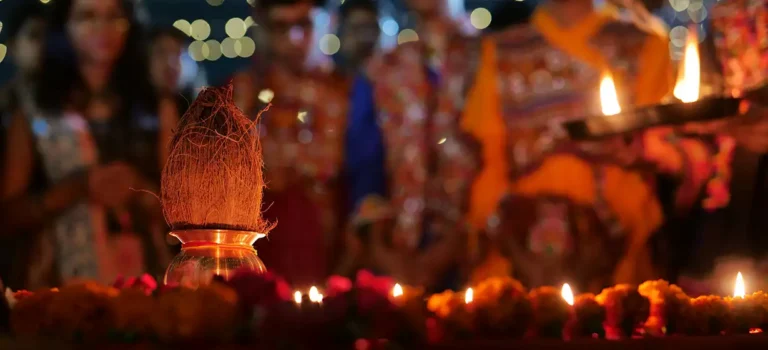
October Celebrations, Community Spirit, and Important Conversations cLooking ahead, don’t miss the Diwali celebration at Dreamworld on November 2nd! Organised by the Gold Coast Indian community, led by Chairman Manish Saini, this event promises to be a spectacular occasion filled with dazzling lights, vibrant performances, and delicious food. Diwali, or the festival of lights, symbolizes the victory of light over darkness, making it a fantastic way to celebrate our cultural heritage.
I also want to highlight an important project in our community: “Broken Shackles – The Contagious Peers Documentary.” This initiative uses performance art to draw attention to mental health, trauma, and cultural disconnection among Indigenous and diverse communities. Eric and Concy have been working tirelessly to bring this project to fruition, and they need your support for its premiere on December 14th at Marsden State High School. It’s a cause close to my heart, and I hope you consider attending.
The Forest Lake Community Festival on October 12th is an event everyone should catch! For over five years, my mom and I have enjoyed volunteering there, and it’s a highlight of our year. Big thanks to Kylie Gates, President of the Forest Lake Festival Association, for her dedication in making this event a fantastic success.
Expect a day filled with fun activities, local stalls, live entertainment, and delicious food. It’s a wonderful opportunity for our community to come together and celebrate what makes Forest Lake a fantastic place to call home. If you see me there, please stop by and say hello!
October Celebrations, Community Spirit, and Important Conversations 1In September, I had the privilege of once again supporting the Lions Club of Inala’s Backpack Initiative, a cause that holds a special place in my heart. This initiative provides essential school supplies in backpacks to children in need. As many families face rising living costs, ensuring that all children have the tools to succeed in education is more crucial than ever.
The Backpack Initiative works hard to support families who are struggling to provide children with school bags, books, pencils or basic materials for them to learn. For me, as young person I would like every student go to school with the material they need to learn. Unfortunately, this isn’t happening, and that is why I was proud to volunteer alongside the Lions Club of Inala and Vietnamese Seniors Citizens to put these important bags together to help families that can do with a smile and children who deserve to be proud to have the tools to help them lean. The more they learn will help them make good choices in life and have the opportunity to choose a good future for which they can choose what they want to study and what field they would like to work in and pick good people to call friends.

I’m excited to share the results of our September survey! Your feedback offers crucial insights into the topics that matter to you.

Here’s a quick look at your preferences:
• Paper Copy: 66.7%
• Online: 33.3%
• TV: 16.7%
• Word of Mouth: 16.7%
Over half of you indicated that the Brisbane Indian Times is addressing concerns that resonate with you, which is incredibly encouraging! Based on your insights, we’ll be focusing on these topics in upcoming articles:
• Current Affairs: 83.3%
• History: 83.3%
• Cost of Living: 50.0%
• Government: 50.0%
• Mental Health: 16.7%
• Homelessness: 16.7%
• Crime: 33.3%
Some of you raised intriguing questions about today’s tech-driven world, like how to keep kids engaged outside of their devices. Other pressing concerns included youth mental health and digital addiction, write about upcoming and past events which we’ll explore in now and future issues. Here are some of the issues raised: “The Mental Health Crisis Among Youth: A Growing Concern, Youth Unemployment: Digital Addiction: The Double-Edged Sword of Technology for Today’s, Youth – Bullying in Schools: How It’s Evolving and What Can Be Done, Youth Volunteerism: How Young People are Making a Difference in Their Communities Youth and Climate Anxiety: The Future They’re Inheriting”.
I especially would like to focus on bullying, mental health, volunteering, and all the issues raised in the upcoming months. So, watch this space! I’m saddens me to hear about all the youth and adult suicides happening because of bullying and the impact it has on mental health. Let’s start talking about it as it may save a life.
At the Brisbane Indian Times, we believe it’s essential for you to have a voice in our community. If there’s a topic you’re passionate about or an issue you think we should cover, please reach out! Whether it’s about community events, local council news, youth initiatives, or mental health awareness, your stories can make a real difference.
Until next month, keep sharing, keep caring, and let’s continue to uplift one another!
https://us17.list-manage.com/survey?u=e2a27a9d91a2076e4df41b4e0&id=e2dba33ecd&attribution=false

qrcode_us17.list-manage.com (5)

Legend Reloaded: Abhijeet Bhattacharya Live in Brisbane – A Night to Remember!

Legend Reloaded: Abhijeet Bhattacharya Live in Brisbane – A Night to Remember!

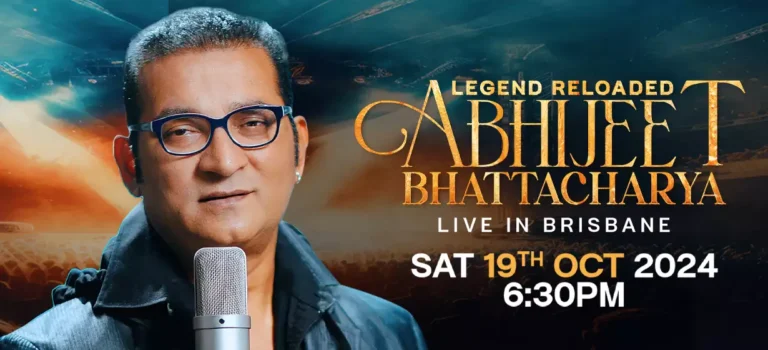
Abhijeet Bhattacharya live in brisbane

Get ready for an unforgettable evening as legendary playback singer Abhijeet Bhattacharya brings his soulful voice to Brisbane! Presented by Mynarada – The Art of Bliss, in collaboration with JD Media Corporation, this is your chance to experience the magic of Bollywood’s golden era live on stage.

Event Highlights:

  • Event Name: Legend Reloaded – Abhijeet Bhattacharya Live in Brisbane
  • Date: Saturday, October 19, 2024
  • Time: 6:30 PM
  • Venue: Sleeman Sports Complex (Note the venue upgrade for a more enhanced experience)

What to Expect: Abhijeet Bhattacharya is known for his iconic hits that have captivated audiences for decades. From soulful melodies to foot-tapping dance numbers, this concert will be a trip down memory lane, celebrating the best of Bollywood music.

Exclusive Offer: As a special treat, we’re offering a 10% discount on ticket prices! Simply use the code ABHIJEET10 when booking your tickets at desirocks.com.au to avail of this offer. Hurry, tickets are selling fast!

Meet the Team: This spectacular event is brought to you by:

  • Jitendra – 0411 798 012
  • Imran – 0411 703 493
  • Manmohan – 0455 664 994

For sponsorship opportunities and further details, feel free to reach out to us.

Media Partners: We are proud to have the support of leading media outlets, including:


Don’t Miss Out! Whether you’re a long-time fan of Abhijeet Bhattacharya or simply love Bollywood music, this concert is a must-attend event. Join us for an evening filled with nostalgia, energy, and soul-stirring performances.

Grab your tickets now and be part of this once-in-a-lifetime musical experience!

How Indian Youths Should Relate to Diwali and continue the Rich Culture and Heritage

How Indian Youths Should Relate to Diwali and continue the Rich Culture and Heritage

How Indian Youths Should Relate to Diwali and continue the Rich Culture and Heritage

Diwali, the Festival of Lights, is a vibrant celebration that signifies the triumph of light over darkness and good over evil. It embodies profound cultural and spiritual significance, deeply rooted in Indian heritage. As India embraces modernization and globalization, it becomes increasingly important for Indian youth to connect with Diwali in meaningful ways, ensuring the continuation of this rich cultural legacy. We are going to explore how the youth can engage with Diwali and contribute to preserving the traditions that define their heritage.

Understanding the Cultural Significance of Diwali
For Indian youth, the first step in relating to Diwali is to grasp its cultural significance. Diwali is not merely about fireworks, sweets, and festive lights; it is a celebration steeped in mythology, spirituality, and communal values. The festival celebrates various legends, including the return of Lord Rama to Ayodhya, the victory of Lord Krishna over Narakasura, and the enlightenment of Lord Mahavira. Each story conveys powerful moral lessons that resonate with contemporary challenges, such as the importance of justice, compassion, and unity.
By understanding these narratives, young people can appreciate Diwali’s rich tapestry of meaning. This understanding fosters a sense of identity, encouraging them to take pride in their heritage and share these stories with others.

Embracing Traditions
Indian youth can honour Diwali by embracing and participating in traditional practices. These practices include cleaning and decorating homes, performing rituals, and preparing festive foods. Engaging in these activities allows young people to experience firsthand the joy and togetherness that comes with preparation and celebration.
Moreover, learning traditional crafts associated with Diwali, such as creating rangoli (decorative patterns made from coloured powders) and making diyas (oil lamps), can be a fulfilling way to connect with cultural roots. Workshops and community events focused on these crafts can serve as platforms for youth to express creativity while preserving age-old skills.

Promoting Sustainable Celebrations
In a rapidly changing world, young people have a unique opportunity to influence how traditions are celebrated. With growing concerns about environmental sustainability, Indian youth can promote eco-friendly practices during Diwali. This includes reducing the use of firecrackers, opting for organic decorations, and using natural materials for diyas and rangoli.
By leading initiatives for a “Green Diwali,” young people can raise awareness about the environmental impact of traditional celebrations. Organizing community clean-up drives after the festivities or hosting workshops on sustainable practices can inspire others to adopt similar approaches. Such actions not only honour the spirit of Diwali but also show a commitment to future generations and the planet.

Engaging in Community Service
Diwali is fundamentally about togetherness and goodwill. Indian youth can embody this spirit by engaging in community service during the festival. Volunteering at local NGOs, organizing food drives, or participating in outreach programs for underprivileged communities can create a profound impact. Sharing the joy of Diwali with those in need fosters empathy and reinforces the importance of community support.
By involving themselves in charitable activities, young people can also help bridge the gap between tradition and modernity. They can use social media to raise awareness and mobilize resources, encouraging their peers to contribute to meaningful causes during the festival.

Celebrating Diversity
India is a melting pot of cultures, languages, and traditions. For Indian youth, Diwali offers a unique opportunity to celebrate this diversity. By exploring how different communities observe the festival, young people can foster an appreciation for the rich tapestry of Indian culture.
Participating in interfaith Diwali celebrations or cultural exchange programs can help youth understand and respect various interpretations of the festival. This engagement promotes inclusivity and harmony, aligning with the core values of Diwali—unity and love.

Utilizing Technology for Cultural Preservation
In today’s digital age, technology can play a crucial role in preserving and promoting cultural heritage. Indian youth can leverage social media, blogs, and video platforms to share their Diwali experiences, traditions, and stories. Creating content that highlights the significance of Diwali, traditional recipes, and family rituals can inspire a broader audience to appreciate and engage with their culture.
Furthermore, online workshops and virtual celebrations can connect youth from diverse backgrounds, fostering a sense of community and shared heritage. By utilizing technology creatively, young people can ensure that the essence of Diwali reaches a global audience, transcending geographical boundaries.

Passing Down Stories and Values
Another essential way for Indian youth to relate to Diwali is by becoming storytellers. Sharing the legends, values, and teachings associated with the festival can help keep these narratives alive for future generations. Storytelling can take various forms, including discussions, performances, or even modern adaptations through art and media.
Encouraging dialogue about the moral lessons embedded in Diwali stories can help youth reflect on their own lives and values. These discussions can also inspire them to integrate these lessons into their daily actions, promoting kindness, integrity, and resilience.
Celebrating Family and Relationships
Diwali is inherently a family-oriented festival, providing an opportunity for young people to strengthen bonds with loved ones. Engaging in family traditions, whether it’s preparing meals together or participating in rituals, fosters a sense of belonging and continuity.
Youths can also take the initiative to involve older family members in their celebrations, learning from their experiences and stories. This intergenerational connection not only preserves traditions but also enriches the festival with deeper meanings and shared memories.

Conclusion
For Indian youth, Diwali represents a unique opportunity to connect with their cultural roots and contribute to the preservation of rich heritage. By understanding the festival’s significance, embracing traditions, promoting sustainability, engaging in community service, and celebrating diversity, young people can play an essential role in keeping the spirit of Diwali alive.
As they navigate the complexities of modern life, it is vital for them to remember that traditions like Diwali offer not only joy and celebration but also valuable lessons in unity, compassion, and resilience. By actively engaging with Diwali and its heritage, Indian youth can ensure that this cherished festival continues to illuminate lives for generations to come.

JD Media Corp: Uniting Australian Indians Through Empowering Media

JD Media Corp: Uniting Australian Indians Through Empowering Media

JD Media Corp Uniting Australian Indians Through Empowering Media

In a world where media shapes narratives and communities, JD Media Corp stands out as a beacon for the Indian diaspora in Australia. As a leading cross media establishment, JD Media Corp plays a pivotal role in not only informing the community but also fostering a sense of belonging and unity among Australians of Indian descent. This editorial explores how JD Media Corp strengthens the voice of Indian Australians, amplifying their stories and cultural heritage while advocating for their rights and interests.
At its core, JD Media Corp provides a vital platform for Australian Indians to connect with their heritage and each other. Through various media outlets—print, digital, radio, and television—the organization showcases a wide array of content that resonates with the community. From covering significant festivals and cultural events to highlighting local achievements and stories of resilience, JD Media Corp serves as a bridge between the Indian community and the broader Australian society.
This connection is especially crucial for new immigrants who may feel isolated in a foreign land. By presenting relatable content that reflects their experiences, JD Media Corp helps newcomers find their footing while also providing long-time residents with a space to celebrate their identity. The ability to access news, entertainment, and cultural programming in their native language fosters a sense of belonging and encourages community engagement.
One of the most significant roles of JD Media Corp is amplifying the voices of Australian Indians. This demographic often finds itself underrepresented in mainstream media, leading to a skewed understanding of their contributions and challenges. JD Media Corp actively works to fill this gap by featuring stories that highlight the achievements of Indian Australians in various fields, from business and science to arts and community service.
By giving a platform to diverse voices, JD Media Corp not only showcases the richness of Indian culture but also addresses important issues that affect the community. Topics such as immigration, education, employment, and health are covered extensively, providing valuable insights and resources to navigate the complexities of life in Australia. This commitment to transparency and representation fosters a sense of empowerment within the community, encouraging individuals to share their experiences and advocate for change.
Cultural preservation is another critical aspect of JD Media Corp’s mission. In an increasingly globalized world, maintaining cultural identity can be a challenge for immigrant communities. JD Media Corp takes this responsibility seriously, promoting Indian traditions, festivals, and languages through its content. From Diwali and Holi celebrations to coverage of local cultural events, the organization ensures that these rich traditions are not only preserved but also celebrated within the Australian context.
By actively engaging in cultural events and collaborating with local organizations, JD Media Corp fosters a sense of pride in one’s heritage. These initiatives help bridge generational gaps, enabling younger members of the community to connect with their roots while adapting to their Australian surroundings. This dual identity enriches the Australian multicultural landscape, making it more vibrant and inclusive.
Beyond cultural representation, JD Media Corp serves as an advocate for the Indian community in Australia. By addressing pertinent issues and facilitating dialogue, the organization empowers its audience to engage with local and national policies that affect them. Whether it’s advocating for better representation in government or addressing social justice issues, JD Media Corp is committed to ensuring that the Indian voice is heard.
This advocacy is particularly crucial in times of crisis. By providing updates on health guidelines, vaccination drives, and support services, the organization demonstrated its commitment to the well-being of its audience. This proactive approach reinforces the importance of community cohesion, especially during challenging times.
In addition to its media initiatives, JD Media Corp actively engages with the community through various programs and events. Networking opportunities, workshops, and seminars aim to empower individuals and foster collaboration among community members. By creating spaces for dialogue and interaction, JD Media Corp helps build a stronger, more interconnected community.
Moreover, these initiatives provide a platform for young leaders and entrepreneurs to showcase their talents and ideas. By nurturing the next generation, JD Media Corp ensures that the Indian community continues to thrive and contribute to Australia’s multicultural narrative. This investment in the future not only strengthens community ties but also enriches the broader Australian society.
In conclusion JD Media Corp plays an indispensable role in uniting Australian Indians and empowering their voices. Through its diverse range of media platforms, the organization fosters a sense of belonging, amplifies stories, preserves cultural heritage, and advocates for the community. In doing so, JD Media Corp not only contributes to the vitality of the Indian diaspora in Australia but also enhances the multicultural fabric of the nation.
In a world that often seeks to divide, JD Media Corp stands as a powerful reminder of the strength found in unity. By continuing to champion the voices of Australian Indians, the organization paves the way for a more inclusive and harmonious future, where every story matters and every voice is heard. Together, we can celebrate our shared humanity and work towards a society that reflects the richness of its diverse communities.

Diwali: A celebration of lights and its significance

Diwali: A celebration of lights and its significance

Diwali A celebration of lights and its significance

Diwali, often referred to as the Festival of Lights, is one of the most cherished and widely celebrated festivals in India and among Hindu communities around the world. With roots tracing back over 2,500 years, Diwali symbolizes the triumph of light over darkness, good over evil, and knowledge over ignorance. This vibrant festival transcends cultural and religious boundaries, celebrated not only by Hindus but also by Jains, Sikhs, and some Muslims, each adding their unique interpretations and significance to the occasion.
The origins of Diwali are complex and varied. The term “Diwali” is derived from the Sanskrit word “Deepawali,” meaning “row of lights.” It is believed to have evolved from ancient harvest festivals in South Asia, where communities would celebrate the harvest’s bounty and give thanks for a prosperous season.
While the exact historical origins are difficult to pinpoint, several legends are associated with the festival. For Hindus, Diwali marks the return of Lord Rama, along with his wife Sita and brother Lakshman, to their kingdom Ayodhya after defeating the demon king Ravana, as narrated in the epic Ramayana. The joyous citizens of Ayodhya welcomed them home by lighting oil lamps, symbolizing the victory of good over evil.
In the Jain tradition, Diwali signifies the day when Lord Mahavira, the last Tirthankara, attained Nirvana, or liberation. For Sikhs, the festival commemorates the release of Guru Hargobind from imprisonment in 1619, while for Buddhists, it marks Emperor Ashoka’s conversion to Buddhism.

At its core, Diwali represents several key themes:
1. Victory of Good Over Evil: Central to Diwali is the celebration of the victory of good over evil. The story of Lord Rama’s return and the defeat of Ravana serves as a reminder that righteousness prevails in the end.
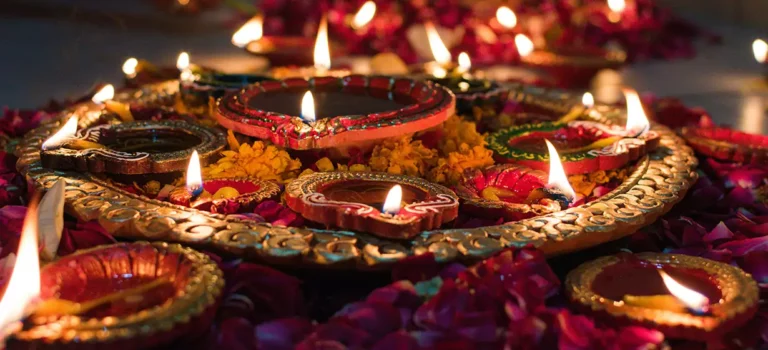
2. Light Over Darkness: Diwali is fundamentally a celebration of light. The illumination of homes with diyas (oil lamps) and colourful rangoli (decorative patterns made from coloured powders) signifies the dispelling of ignorance and the arrival of knowledge.
3. New Beginnings: Diwali also heralds new beginnings. It is a time for people to reflect on the past year and set intentions for the year ahead. Many choose this time to start new ventures, believing that the blessings of Goddess Lakshmi, the deity of wealth and prosperity, will guide their efforts.
4. Unity and Community: The festival emphasizes unity among families and communities. It is a time for gatherings, sharing meals, and exchanging gifts. The communal celebrations foster a sense of belonging and reinforce social bonds.
5. Spiritual Reflection: Beyond the festivities, Diwali encourages spiritual reflection and inner growth. The rituals performed during the festival, such as prayers and meditation, provide an opportunity for individuals to connect with their spirituality.

The Five Days of Diwali
Diwali is celebrated over five days, with each day having its unique significance:
1. Dhanteras: The festival begins with Dhanteras, dedicated to wealth and prosperity. On this day, people clean and decorate their homes and purchase new items, especially metals, to invite good fortune. Devotees also worship Lord Dhanvantari, the god of Ayurveda, for health and well-being.
2. Naraka Chaturdashi (Choti Diwali): The second day, also known as Choti Diwali, commemorates Lord Krishna’s victory over the demon Narakasura. Celebrations include early morning rituals and the lighting of lamps to ward off darkness.
3. Diwali (Lakshmi Puja): The main day of the festival is dedicated to worshiping Goddess Lakshmi. Families perform Lakshmi Puja (prayer) in the evening, welcoming her into their homes. The night is filled with fireworks, and people exchange sweets and gifts, symbolizing joy and goodwill.
4. Govardhan Puja: The day after Diwali celebrates Govardhan Puja, honouring Lord Krishna’s defeat of Indra by lifting the Govardhan Mountain to protect the villagers. It is a day of feasting and preparing special meals.
5. Bhai Dooj: The final day of Diwali is Bhai Dooj, which celebrates the bond between brothers and sisters. Sisters pray for their brothers’ prosperity and well-being, and brothers, in turn, vow to protect their sisters.
Diwali celebrations today blend tradition with modernity. While many customs remain intact, urbanization and globalization have introduced new practices. In cities, elaborate public displays of lights and fireworks create a festive atmosphere, and community events often take place.
Social media plays a significant role in Diwali celebrations, with families sharing their festivities online. Virtual gatherings have also become common, allowing loved ones separated by distance to connect and celebrate together.
Food plays a central role in Diwali celebrations. Families prepare a variety of sweets and snacks, symbolizing the sharing of joy. Traditional treats like ladoos, barfis, and savory snacks are prepared and exchanged among friends and neighbours.
In recent years, there has been a growing awareness of the environmental impact of Diwali celebrations, particularly regarding air and noise pollution caused by fireworks. Many communities are adopting eco-friendly practices, such as using fewer firecrackers and opting for sustainable decorations.
Initiatives promoting “green Diwali” encourage the use of natural materials for decorations and the creation of eco-friendly lamps. Educating communities about the importance of environmental conservation during festivities has become a significant focus, reflecting a broader shift towards sustainability.
Finally, Diwali is much more than a festival; it is a profound celebration of life, hope, and community. With its rich history and deep significance, Diwali encourages individuals to reflect on their values, promote positivity, and strengthen bonds with loved ones. As the Festival of Lights continues to evolve, it remains a timeless reminder of the enduring power of goodness and the light within each of us.
This remarkable celebration, steeped in tradition yet adaptable to contemporary values, will undoubtedly continue to inspire generations to come, illuminating lives and hearts with its radiant spirit.

Parenting, if only there was a manual!

Parenting, if only there was a manual!

Parenting, if only there was a manual!

When an appliance or car is purchased, it comes with a user manual, but when we become parents there is no instructions included! Fumbling in the dark, sleep deprived, away from community and family young parents try to figure out how to look after their newborn. As a new mother I often wished someone would write me a manual many a time. There have been many moments of doubt and self-criticism. In the end we all do what we can. Being on the path of yoga and training to be a yoga teacher gave me many gifts, in fact it has a manual! Now if only I had found this earlier in my parenting journey.
Yoga is a holistic philosophy that gives us a set of tenets how to navigate life in a connected and meaningful way. Yoga as a practice reminds us there is a depth to life other than just the daily grind. It allows us to find the beauty and wisdom in all that is around us. Yoga as a practice brings harmony between the mind and body. It acknowledges and treats the whole person; we ARE more than our bodies.
To complete my 300-hour yoga teacher training a thesis was required. By this stage my children were young adults, but it dawned on me as I delved deep in study of the one of main texts for yoga – Patanjali Yoga Sutras – that there is something very special here for parents also. Patanjali Yoga Sutras is the collection of verses about the theory and practice of yoga. While the sutras are guide to a person on path of self-inquiry and self-realization; it does also hold wisdom for the house holder.
Contrary to what we see in popular culture yoga is more than just bending the bodies in to fantastic postures. There are eight limbs of yoga, it is prescribed that they are to be learned sequentially, mastering one before progressing to the next. They are:
1. Yama – are principles that guide us how to live wholistically, it teaches us how to treat others and the world around us.
2. Niyamas – are standards fof self-discipline.
3. Asana – practice of yoga postures, allows the one to connect with their body, bring their outwardly focused mind back into the body.
4. Pranayama – breath control, through which we are able to invigorate our bodies and support destressing our nervous system.
5. Pratyahara – withdrawal of senses. It teaches to align focus inwardly for peacefulness.
6. Dharana – is concentration, it is a single pointed focus of the mind that supports meditation.
7. Dhyana – deep effortless contemplation on our reality, meditation.
My thesis focused on the Yama’s and Niyamas, the first two limbs. Specially there are five Yamas and five Niyamas. As you can already see yoga philosophy can be quite systematic. Systems, and routines are essential for parenting. They reduce the chaos of a busy life pulling parents in multiple directions.
As summarized by the Sri Sri Yoga School of Yoga: Yama are five social ethics. They include ahimsa – kindness, satya – truthfulness, asteya – nonstealing, brahmacharya – moderation and aparigraha – generosity. Niyamas are five personal practices or disciplines. They include saucha – purity, santosha – contentment, tapas – austerity, swadhyaya – self study and iswara-pranidhana – surrender.
Over the next issues of the Brisbane Indian Times, I will share what I wrote in my thesis and together we will explore practical strategies and tips of how we can take an ancient text on yoga philosophy and apply it today to parenting. It is a testament to our ancient knowledge keepers that they cognized knowledge that is timeless and relevant to today.
Disclaimer – I am not an expert in the Patanjali Yoga Sutras, I am a STUDENT. As a student what I have learned and understood I wish to share in the forth coming articles. These are my contemplations and learnings, if they resonate use it and do tell me about it! If your curiously has been sparked there are many books on the limbs of yoga and many schools of yoga, you can study with. I wholeheartedly encourage it! You don’t have to become a yoga teacher to do these teacher trainings, to me they are life trainings.
Written by Reema Naresh, Yoga Teacher and Ayurvedic Lifestyle Consultant. Reema, works at the University of Queensland at a research centre professionally. She is a keen holistic health enthusiast.

—————————————————————

August Part 2

Parenting, if only there was a manual!

The chaos parenting can be and why it is essential to have a solid foundation.

If you ask any first-time parents, they will share with you that with the intense joy and love they experience for their newborn infant they also feel intense anxiety and fear of caring for a vulnerable little human being.
It sure is a steep learning curve to fend for an infant’s biological needs, and a lot of focus goes into this in the early days. The new mother is hormonally primed to care and feed the baby. These needs get sorted out eventually and there is a sense of success as rhythms gets established. However, at each age new hurdles present, and parents very quickly learn not to gloat over mastering or achieving something as the baby for sure changes! This heralds in the new journey of a parent as more complex situations present and new parents have to navigate terrains they have never travelled.
Quite a lot of things impact how we parent. These include parents own mental and physical wellbeing, their own experiences of being parented, experience of trauma in early life or stability in marriage/partnerships. Then there is parenting alone, as a single mum or dad, mostly this falls on the mother in many communities. Then there is also progressing and balancing careers, including creating the economic stability to provide for their family. Then throw in the mix the increase and prevalence of behavioural and emotional difficulties, hyperactivity or internalising behaviours like aggression, anxiety and depression that children are experiencing. Let’s not even begin to talk about increase use of screens and the prevalence of attention deficient disorders.
When I think about my own parenting experience, away from my family and community, alone with only my nuclear family, I have immense empathy for newly immigrated families who have young children. Not only are you trying to start or establish your selves in a new job, but you will be learning to navigate new a health and education system, trying settle in new country and on top of all that you could be really home sick for family and traditions that would have surrounded you had you been back home. None of these are an easy feat! So, remember be kind to yourself. As with life – parenting is also a journey. Sometimes we are winning, and all is working well and other times we will be drowning in laundry, crying kids and looming deadlines at work. This is when I have turned to yoga, breathwork and meditation. It has been an iterative journey of self-correcting and as my kids grew older being told by them, when I erred!

Calling in some sanity to the chaos!
Yoga as philosophy is about going inward and becoming centred. When we to operate from a centred state, we are able to cope with whatever life throws at us. It is about creating equanimity in the chaos of life. It is about aiming for smaller/shorter reactions to experiences to the good or bad things that happen. The more centred we are, the more likely we will come from a place clarity and consideration for ourselves as parents and for our children and ourselves. Then we begin to see reactions to good or bad things morph into responses. The elegance of this can surprise you at times! Once, my primary school age kid asked me “you were really mad a minute ago, but now you are fine, how did you do that?”. That was a day I was winning and, trust me there were many when I was not.
I am huge proponent of parents investing in themselves and their wellbeing before they become parents. That’s right, parenting starts before we become parents. Because when all hells comes loose with a screaming, vomity baby at 3 am, several nights in a row; we will inevitably go to our default way of operating. Whether we agree with it, like it or not, we all will have moments where we have parented in ways that we would not have approved of had we not been in the that sleep depraved state!
Here I would encourage parents to invest in themselves before they become pregnant. It is what you have been practicing for a while, and that is the established habit or discipline that you will carry with you in your parenting phase. And, for those who have had babies, its not too late, you can still be work in progress, like the rest of us. Take some time and learn a stress management technique that can support you in your life and in your parenting. I have for over quite a few decades practiced a breathing technique call Sudarshan Kriya. So, by the time my children came this was a well-established practice for me. They grew up seeing me do these practices. So, look around and explore what suits you. If you want to know more about my twenty-minute daily practice you can reach me on [email protected].
So, in addition to having a practice that supports us daily, it helps to have a framework that we can look to for some structure and sanity. In parenting there were many moments when we all could have done with some structure and big picture views.
Let’s dive right into it! Why the Yama are good foundation for parenting: Yama are the social code of conduct, essentially the external discipline that helps create harmony with our outer world. Here are practical suggestions how the Yamas can be translated to parenting.
Disclaimer – I am not an expert in the Patanjali Yoga Sutras, I am a STUDENT. As a student what I have learned and understood I wish to share in the forth coming articles. These are my contemplations and learnings, if they resonate use it and do tell me about it! If your curiously has been sparked there are many books on the limbs of yoga and many schools of yoga, you can study with. I wholeheartedly encourage it! You don’t have to become a yoga teacher to do these teacher trainings, to me they are life trainings.
Written by Reema Naresh, BSc(Hons)(Psych), Yoga Teacher including post and prenatal yoga certified and Ayurvedic Lifestyle Consultant. Reema, professionally works at the University of Queensland at a research centre. She is a keen holistic health enthusiast. You can contact her via [email protected].

Yama Social Code of Conduct

Parent
Commitments of a parent to themselves and to their children
Young child / Teens
Values that parents can inculcate in their children
Ahimsa Kindness
Parent
  • I will be kind to myself and not be overly critical. I am learning how to be a parent.
  • I know how I behave will be how you will measure your interactions with others.
  • I will respect and honour your body. I will touch and speak to you with love and gentleness.
  • In the way I choose to discipline, I must build you up, not break you down.

Young child

• Mummy/Daddy will use their words; I can also.
• We will use gentle hands and words.
• We do not hit/bite/scream at others.
• We care for animals, nature, and other people

Teens

• I will figure out alternative ways to work through feelings of aggression/ anger/frustration.
• I will ask for help when I am struggling to fine a better way.
• Violence is a poor way to solve problems.

Satya Truthfullness
Parent
I will speak about my needs honestly and will ask for help.
I will speak my truth and walk my truth.  I will be an example and role model of truth for you.
I will create the possibility of an authentic relationship between us, by being my true self around you.
You can trust me. I will share what is age-appropriate for you.
Young Child
• Let’s be truthful.
• We tell the truth to each other.
• We speak from the heart.
• Telling the truth is good for my heart. I am happy when I tell the truth.
Teens
• My parents trust me and are honest with me. I will be honest with them also, even when I have done the worst thing and am really scared.
• I will honestly share my feelings with my parents, this way, we can learn how to help each other best.


Asteya Non-stealing

Parent

I will think deeply about what is really needed for me to parent well and what my children’s needs are.
I will be present for my children. I will not steal my attention from you (including screen time, tech hygiene, work life balance).
I will not protect, take away life experiences for you to satisfy my sense of insecurity or fears.
Young Child
• I can share my things.
• I take what is mine/my share and look after my things and others things.
Teens
• I respect others property.
• I will not take that which is not mine.
• I value my mental state of peace rather than taking a thing that is not mine.
• Sometimes I have to learn the hard way, and that means it will not be easy.


Brahmacharya Moderation

Parent

I will honour my body and its needs. I will rest when my baby rests, create time to care for myself.
I will look after my body, and role model healthy choices.
I will aim for the middle path of parenting – not to harden you with too much discipline and neither spoil you with none.
Young Child
• My body is mine.
• I respect and love my body.
• If I am scared or someone hurts me or my body I will talk to my parents
Teens
• I will keep my body clean, nourished, rested and well.
• I will honour your body and others body and their personal space and needs.
• Sex is something really special I will share with someone who I deeply care for.

Aparigraha Generosity

Parent

I will model moderation in my choices for myself and for my children’s needs.
You are not an object I don’t own my child.
My hopes, dreams and goals are mine and you do not have to achieve them.
You do not owe me anything, and you are free to live your own life.
I may not always agree/support all your choices, but I am always here and will always love you. I wish you freedom.
Young Child
• I will share. I don’t have to have all of the toys/biscuits….
• Things in our home belong to everyone, we all look after it.
• I will share my love and joy with everyone.
Teens
• I don’t need the latest and greatest. I will learn to practice moderation. It helps my mind feel at ease.
• I will learn to watch my feelings when I start to hanker and want something desperately.
• Being generous allows this quality to grow all around me.