Taiwanese Australian Art in Harmony Exhibition Concludes Successfully, Showcasing the Charm of Multicultural Art
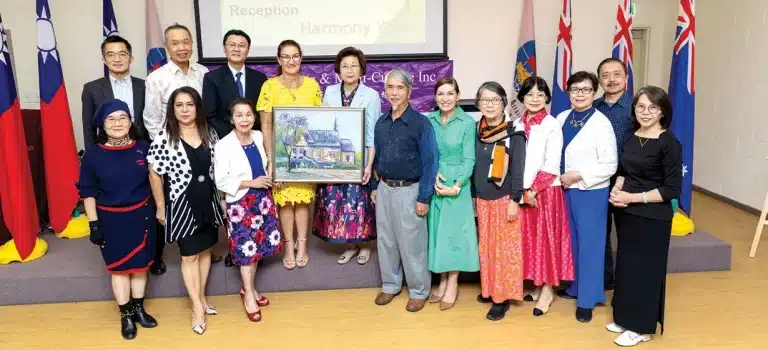
The Taiwanese Australian Art in Harmony Exhibition, organized by the World Arts & Multi-Culture Inc. (WAMCI), concluded successfully with a reception on March 19, 2025, at the Taiwan Centre in Queensland. This exhibition brought together artists from Taiwan, Australia, and the Philippines, showcasing the beauty of cultural fusion through various artistic mediums and styles, offering Brisbane an enriching visual and spiritual feast.
Art Without Borders: A New Milestone in Cultural Exchange
On the day of the reception, distinguished guests from the arts, politics, business, education, and multicultural communities gathered to witness this vibrant artistic and cultural exchange event.
Honoured Guests in Attendance:
Hon Leeanne Enoch MP, Shadow Minister for the Arts
James Martin MP, Queensland State Member for Stretton
Cr Kim Marx, Brisbane City Councillor Runcorn Ward
William Fan, Director-General, Taipei Economic and Cultural Office in Brisbane
Charles Ouyang , Director of the Taiwan Centre in Queensland
Several Council Members of Overseas Community Affairs Council, Taiwan and Taiwanese community leaders
Multicultural community leaders and artists from Germany, Japan, India, Fiji, Vietnam, Norway, the Philippines, and Brazil
Guests emphasized that art serves as a bridge that transcends language and cultural barriers, fostering understanding and respect among different communities. This exhibition not only highlighted the creative talents of participating artists but also deepened the connection between Taiwan and Australia’s multicultural communities.
Exhibiting Artists: A Showcase of Diverse Artistic Expressions
The exhibition featured a collection of talented artists who used oil paint, watercolors paint, sketch and multi-media creativity to share their unique cultural stories:
1) Taiwanese Artists:
Hwang Buh-Ching, Hwang Wey-Jeng, Su Chih-Che, Lin Li-Hua, Chuang Tsai-Chin, Wu Chui-Chuan, Chang Chung-Fan
2) Brisbane-Based Artists:
Ivabelle Bernabe (Philippines)
April Giblin (Australia)
3) Organizing Founder:
Melody Chen, Founding President of WAMCI
The exhibition showcased artworks spanning watercolor, oil painting, sketches, and mixed media, offering diverse cultural perspectives through various artistic styles. Attendees not only appreciated these global creations but also engaged in face-to-face conversations with the artists, gaining insight into their creative inspirations and artistic journeys.
Artistic Dialogue: Deepening Cultural Exchange
Throughout the event, art lovers, community members, and Griffith University art students attended and learned from live artist discussions. They gained valuable insights into artistic techniques influenced by different cultural backgrounds, while also experiencing the emotions and values embedded in the artworks.Additionally, several community media outlets and photographers documented this significant cultural event, ensuring that the Taiwan-Australia Art Exchange Exhibition reached a broader audience through news coverage and social media.
Art Connecting Communities: A Vision for Cultural Integration
This exhibition successfully promoted artistic and cultural exchange, enhanced the visibility of Taiwanese art in Australia, and allowed people from diverse backgrounds to find common ground through art.
The World Arts & Multi-Culture Inc. extends heartfelt gratitude to the Overseas Community Affairs Council of Taiwan, Brisbane City Council, and the Queensland Government for their generous support, which contributed to the event’s success.
Moving forward, WAMCI is committed to organizing more cultural and artistic events, fostering collaboration between Taiwan, Australia, and the global art community. Through art, we aim to build bridges across cultures and make multiculturalism shine even brighter in Australia.
(Provided by World Arts & Multi-Culture Inc.)
Community coming together and local news written by Xavier Hernandez
There are moments that truly make me proud to be a young Queenslander. Over the past few weeks, I’ve witnessed firsthand the incredible spirit of our community. During ex-tropical cyclone Alfred, people from all walks of life—different backgrounds, ages, genders, and beliefs—came together to support one another. I saw neighbours listen closely to Premier David Crisafulli’s advice, prioritizing their safety and that of their loved ones. This collective effort was inspiring and reminded me of just how resilient our community is.
From sandbagging and preparing homes to assisting with cleanup, countless acts of kindness unfolded across the community. Personally, I had the privilege of volunteering with my mum to deliver food to those in need and help neighbours move heavy items to safer spots in their homes. Whether it was a quick phone call to check on someone or hours spent assisting with cleanup, each act of support made a difference. I’m always happy to help or connect you with someone who can. Big shout out to organisation such as ECAQ (Eritrean Community Association in Queensland), has mobilized over 30 volunteer members to assist people seeking refuge at the Bethania Community Centre in response to Cyclone Alfred.
Last month, it was wonderful to meet so many readers of the Brisbane Indian Times at the Holi event at Mount Gravatt Showgrounds. The event, organized by the Sargam Music Academy and Platinum Services, was an explosion of color, culture, and joy. As I volunteered and participated in the festivities, I was reminded of the deeper significance of Holi. The Hindu festival, also known as the Festival of Colors, celebrates the arrival of spring, love, and equality. It honors the divine love of Radha and Krishna and symbolizes the triumph of good over evil. A special thanks to President Manish Saini, his team, and the incredible Bondita and Mithun Chakraborty and all the volunteers for going above and beyond to make the event a success.
Last month, many celebrated International Women’s Day (IWD). During the festivities, many women were recognized for their outstanding contributions to the community. One of the most touching moments for me was seeing my mum, Nayda Hernandez, receive the Cultural Diversity Champion Award for her years of selfless service. She has always been passionate about helping others and spreading joy, so it was incredibly heartwarming to see her efforts publicly acknowledged. A heartfelt thank you to the Deo family for their unwavering love and support to my family and the community.
Happy IWD day to a lady who does the work and but a very quite achiever, Shanjeshni Deo. Their invaluable work in keeping culture alive and thriving is deeply appreciated through the deo charitable fund, good will and community service. Special acknowledgement to community champion like Rohani Prasad, Irene Tavutavu and Usha Chandra to name a few who worked tirelessly this month to celebrate the achievement of other women and women who have grown their wings, like my late aunty Kelly who paved he way for others.
I was also fortunate to attend the IWD event hosted by the Indian Senior Citizens Association and the EKTA Women’s Group. The event raised more than $800 for the cause through an auction, with notable figures like JD Deo and Senator Paul Scarr generously contributing. The solidarity and generosity on display were truly uplifting. I now understand why Senator Scarr is called “the people’s senator” and why JD Deo and family is regarded as a community champion. I also had the opportunity to reconnect with dear friends, including Helen and her daughters.
Mara, a passionate young performer, showcased the incredible talent of our next generation. I’m proud that my family counts Helen and her daughters as friends, as well as Maria Brereton, a 14-year-old flutist who is seeking sponsorship to represent Australia at the Cluj International Music Competition in Romania. If you are interested in supporting Maria’s journey, you can donate via her GoFundMe page. Maria’s dedication and talent are inspiring, and I have no doubt she will make us all proud.
Focusing on local affairs, many readers have asked about the local developments that are affecting them via the survey. On March 25th, Premier David Crisafulli unveiled the plans for Brisbane’s 2032 Olympics, revealing the venues and outlining how this global sporting event is aimed at shaping a better future for generations of Queenslanders. This is an exciting milestone, and it promises to bring lasting benefits to our community.
In addition, the Albanese government has committed to a significant investment in education, pledging $30 billion over the next ten years to improve childhood literacy, numeracy, and school completion rates which is supported by Queensland, Premier David Crisafulli who co-signed the agreement. The Federal budget was announced on March 25th, same day that shows a deficit of $27.6 billion, which is an improvement from previous forecasts but still a cause for concern for people and economist. It’s clear that while efforts are being made to support Australians through tax cuts and relief measures, the challenges of rising costs and financial hardship are far from over.
What this means for us, as a community, is that we must continue to support one another, especially the most vulnerable among us. Charities and community groups will need more resources than ever, and it’s crucial that we remain proactive in reaching out to those in need. Although there are policies aimed at assisting families, it’s uncertain what the full impact will be in the long run. I encourage anyone who is struggling to seek help—whether from local organizations, neighbours, or friends. No one should have to face hardship alone.
Lastly, I want to hear from you. Please reach out if you have topics you’d like me to write about or any feedback. Your input is always welcome.
Current Australian Politics and Its Impact on the Indian Diaspora
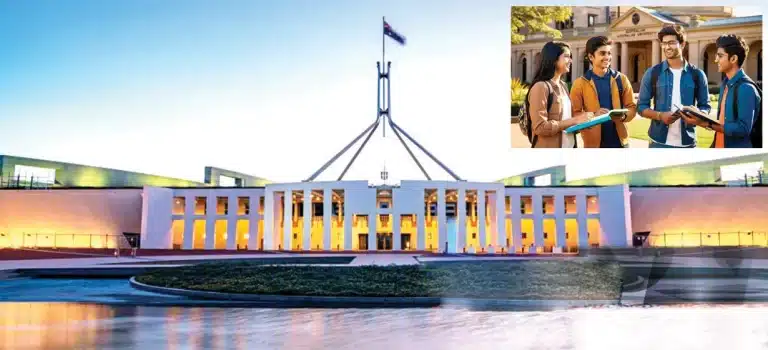
Australia’s political landscape has undergone significant changes in recent years, shaped by various domestic and international events, including debates surrounding immigration, national security, economic recovery, and social equity. As a multicultural society, Australia’s policies often reflect its commitment to diversity, but they also sometimes trigger tensions that affect various communities. One of the most prominent communities in Australia today is the Indian diaspora, which has grown substantially over the past few decades.
The Rise of the Indian Diaspora in Australia
The Indian diaspora in Australia has grown rapidly over the past 20 years, and it has become one of the fastest-growing ethnic groups in the country. The growth of this community reflects the increasing bilateral relations between Australia and India, driven by factors such as trade, education, tourism, and technology.
India is also a significant source of skilled migrants to Australia, with many young Indians coming to Australia for higher education or employment opportunities. As a result, the Indian diaspora has become a vital part of Australia’s economy, contributing to sectors such as healthcare, IT, engineering, hospitality, and retail. The community’s diversity—comprising people from different regions of India, speaking a variety of languages, and following different religious practices—adds richness to Australia’s multicultural fabric.
Immigration and Border Control
Immigration has been a central issue in Australian politics for many years, especially since the 2010s, with debates over the size and composition of migration programs. The Indian community, like many others, has been deeply impacted by policies surrounding skilled migration, family reunification, and international students.
Recent government policies, including stricter visa conditions and the emphasis on ‘Australian values,’ have created challenges for immigrants from non-Western countries. While the current Labor government under Prime Minister Anthony Albanese advocates for a more inclusive immigration policy, debates continue about the capacity of Australia’s infrastructure and housing to cope with the growing migrant population. The Indian diaspora is particularly affected by these policies, as they often seek to bring family members over or apply for skilled worker visas.
National Security and Race Relations
National security has been a significant issue in Australian politics, particularly after the rise of global terrorism and tensions in the Indo-Pacific region. The Indian community in Australia has experienced both the benefits and the challenges associated with these concerns.
In recent years, anti-terrorism legislation and policies have often been perceived as disproportionately targeting Muslim and South Asian communities. This has resulted in heightened scrutiny of individuals from the Indian subcontinent, particularly those of Sikh and Muslim faiths, which has impacted community relations. Indian students and workers have sometimes reported racial profiling and suspicion, even if they are not directly involved in any illicit activities.
On the other hand, the rise in Hindu nationalism in India and its resonance among some elements of the Indian diaspora in Australia has also contributed to tensions in the multicultural society. Political parties in Australia, particularly the conservative Liberal Party, have sometimes engaged with issues of national security that indirectly affect minority communities, such as the Indian diaspora.
Economic Policies and Employment
Australia’s economic policies also have a significant impact on the Indian diaspora. As a large section of the Indian community works in the services sector, healthcare, and technology, economic changes, such as budget cuts or changes in the minimum wage, can influence the livelihoods of many individuals.
Australia’s current Labor government has focused on creating jobs, raising wages, and implementing policies that benefit working-class people. Many members of the Indian diaspora, especially those in low-wage jobs in sectors like hospitality or healthcare, could benefit from these changes. However, issues such as the rising cost of living, housing affordability, and job insecurity have affected many migrant workers.
Social and Cultural Recognition
Social inclusion and cultural recognition are critical components of political discourse in Australia. While the Indian diaspora has been largely accepted as part of the national fabric, challenges remain in terms of integration and representation in mainstream politics. Indian Australians have sometimes felt excluded from political discussions and decision-making processes.
Representation of the Indian community in Australian politics has been gradually improving. The election of Indian-origin politicians, such as former Liberal MP Tim Wilson and current Labor Senator Mehreen Faruqi, reflects growing political engagement within the community. However, debates continue about whether the Indian diaspora’s concerns are adequately represented and whether there is enough focus on issues such as racism, access to education, and healthcare for migrants.
Racial Discrimination and Hate Crimes
Racial discrimination remains a significant issue for many members of the Indian diaspora, particularly in the wake of high-profile incidents of violence against Indian students in the past decade. Although the number of hate crimes targeting the Indian community has decreased over time, occasional attacks still occur, often fuelled by racial prejudice or cultural misunderstandings.
The political rhetoric around national security, immigration, and multiculturalism sometimes fuels anti-immigrant sentiment, which affects communities like the Indians. While the government and law enforcement agencies have made efforts to address these concerns, more proactive measures are needed to tackle racism and hate crimes comprehensively.
Education and Student Visa Policies
Education is one of the most important sectors for the Indian community in Australia, with thousands of Indian students enrolled in Australian universities every year. While Australia’s education system is highly regarded internationally, recent shifts in policies regarding student visas and work rights have created uncertainties for many Indian students.
The previous government’s stance on international students, including restrictions on post-study work visas and fee increases, caused anxiety among Indian students. However, the current Labor government has shown a more supportive stance toward international students, which has positively impacted the Indian diaspora, especially students looking for long-term career opportunities in Australia.
Healthcare and Social Services
As the Indian community grows, there is increasing demand for healthcare services that cater to diverse cultural and linguistic needs. The Australian healthcare system has made strides in addressing multiculturalism, but there are still gaps in providing culturally competent care, particularly for older members of the Indian diaspora who may not be fluent in English.
The Indian diaspora’s growing numbers also require targeted support for mental health, as issues like migration stress, family separation, and cultural adjustment can take a toll on the community. The current government has made some commitments to improving mental health services, which could be beneficial for the Indian community.
The Future of the Indian Diaspora in Australian Politics
As Australia navigates complex political, economic, and social challenges, the Indian diaspora’s role in shaping the country’s future will only continue to grow. The relationship between Australian politics and the Indian community will undoubtedly evolve as migration policies change, the economy fluctuates, and social debates around multiculturalism intensify.
The Indian diaspora in Australia faces both opportunities and challenges. Politically, it has the potential to become an influential force, particularly as more members of the community enter the political arena and advocate for their interests. At the same time, the community must continue to address issues such as racial discrimination, access to education, and integration in the broader Australian society.
In the coming years, it is likely that the Indian diaspora will continue to contribute significantly to Australia’s cultural, economic, and political landscape, but this will depend on how well the current and future Australian governments can create inclusive policies that support this growing community while ensuring that they are fully integrated into the national fabric.
1st March – Zero Discrimination Day The theme for this year is ‘We Stand Together’
The 1st March 2025 is the eleveth year that Zero Discrimination Day has been acknowledged. This day was first celebrated by UNAIDS to recognise and raise awareness for people living with HIV/AIDS. It has now evolved with the United Nations recognising it as a day to recognise and celebrate everyone’s rights regardless of our differences.
Every person has the right to live a full and productive life, free from stigma and discrimination and with dignity. This includes any person living with a blood borne virus such HIV, hepatitis B and hepatitis C, or a person infected with a sexually transmissible infection.
Discrimination and stigma related to these health conditions are often due to fear, lack of knowledge and misunderstandings or misconceptions of how and why these conditions are transmitted.
In Queensland the highly trained team of the Love Health Program at the Ethnic Communities Council of Queensland (ECCQ) is proud to provide information, education and support for people from culturally and linguistically diverse backgrounds regarding these health conditions.
We encourage all people to ‘know their status’ and to get tested for these conditions to protect their health and wellbeing. We are pleased to be able to offer rapid finger prick testing to check for exposure to hepatitis C and for potential hepatitis B infection. This is performed confidentially, and the results are available within 30 minutes.
The butterfly is the symbol of Zero Discrimination Day, this symbolises positive transformation. Through increased knowledge and greater understanding, we can live more productive and healthy lives and stop discrimination.
For more information about our services and information about HIV, Hepatitis B and hepatitis C and sexually transmissible infections please visit our webpage www.eccq.com.au/bbv or contact us at: 3844 9166 or email [email protected].
If you are living in Cairns, you can contact Damian Garozzo-Vaglio at Cairns Sexual Health Services by calling 4226 4760 or emailing [email protected].
Dear reader, it is our joy to bring to you the word of God. One of the blessings from God is that we prosper and have more than enough, so it is not only us who are blessed but be a blessing to someone else. But if you have lived with a lack mindset, where you have continually struggled financially, then it is easy to form a habit of always thinking, “I will never get out of debt; I will never have enough to provide for my family.”
God has ways to increase you that you’ve never thought of. He’s not limited by your job, by your education, or by the family you were raised in. If you take the limits off him, God will bless you beyond your regular income, your salary, and what anyone in your family has seen. Proverbs 10v22 says, “The blessing of the Lord makes one rich.”
One of the ways God will increase you is when you learn to be generous with what has been given to you.
In the bible (Matthew 25v14-30), we read about a business owner traveling overseas and giving his employee one thousand dollars. This was not a wage but a gift from the owner. After a long time, the owner returned from the trip. The employee came and brought a thousand dollars more, saying, “Lord, you delivered to me one thousand dollars; look, I have gained one thousand more.”
The owner was very pleased with him and said, “Well done! You have been faithful over a few things. I will make you ruler over many things.” So, he was rewarded abundantly. In Jesus’ parable, the owner represents God, and the employee represents us.
We can learn three things from the business owner and the employee.
1. If God can get it through you, He will give it to you. When the owner gave the money as a gift, he expected the employee to release it, invest it, or be generous. Likewise, God has gifted you many talents, gifts, and finances. You will lose it when you hoard it, but when you give some of it away and be generous with it, you will get it back. As it says in the book of Luke, “Give and it shall be given back to you, good measure, pressed down, shaken together and running over shall be put into your bosom. The measure you use shall be returned to you.” The employee invested the money by releasing it. He got more back.
2. God is after your money. He does not want to take it from you, so you become poor, but on the contrary God wants to see you being blessed through your giving or generosity. In Malachi 3v10, God says, “Bring all the tithes into the storehouse, That there may be food in My house, and try Me now in this,” Says the LORD of hosts, “If I will not open for you the windows of heaven And pour out for you such blessing that there will not be room enough to receive it.” Everything in you will say, “I am going to be generous with my money when I overcome my problems and fix my finances.” But when you do your part by being generous with your money, even while you have your own struggles, then this is what is going to open the windows of heaven.
3. God has a sound financial plan for your life. If you don’t know it, you may not have discovered it yet. In the scriptures, we read that God has a good plan for your life, including your finances. The business owner gave his employee a thousand dollars. This was a surprise and came unexpectedly to him.
In the same way, God has many surprises for you. They will come to you when you are least expecting it. You didn’t see it coming. You didn’t dream that you could be so blessed. You don’t know what God has in store for you. You don’t know the promotions, the opportunities, the favour that he’s already ordained to come across your path. Psalm 35 says: “God takes pleasure in prospering you.” It brings a smile to God’s face to make things happen that amaze you.
The business owner was pleased to see his worker get so blessed. In the same way, it gives God pleasure to see you blessed, and you may not know how this can happen, but the scripture says, “God will supply all of our needs according to his riches.” It doesn’t say, “According to your job, according to your talent, if the boss likes you, if the economy’s up, if you have the right friends.” It’s not according to what you have. It’s according to what He has, and the good news is that God owns it all. He makes streets out of gold and can create them if he doesn’t have what you need. He speaks, and worlds come into existence.
And all this is possible from a relationship with God through His Son Jesus Christ. This relationship is possible when we confess our wrongs and sins, repent of them, and put our faith in Jesus Christ as our Lord and Saviour. We become children of God. We become partakers of the blessings God has for us.
Many people struggle with prayer, unsure of what to ask for or how to approach God. The key to effective prayer lies in aligning our requests with our divine purpose. When we pray outside of our purpose, we may experience frustration and disappointment. True confidence in prayer comes from knowing and pursuing God’s will in our lives.
Jesus demonstrated this perfectly. His prayers were always centered on fulfilling God’s purpose, not on seeking personal gain. One of His most profound prayers, recorded in John 17, reveals His understanding of His mission: to redeem those given to Him by the Father. He did not simply pray for blessings or personal desires but instead focused on completing the work set before Him. His prayer reflected His deep commitment to God’s will and His unwavering faith in its fulfillment.
When we seek God’s will in prayer, we can approach Him with confidence, knowing that our requests align with His greater plan. This is reinforced where God assures us that if we ask anything according to God’s will, He hears and grants our requests. Prayer is not about convincing God to do what we want but rather about positioning ourselves to receive what He has already planned for us.
Prayer as an Exercise of Authority
Prayer is more than just communication with God—it is a means of exercising our spiritual authority. God has given humanity dominion over the earth, and through prayer, we activate His power in our lives and communities. When we stop praying, we inadvertently hinder God’s purposes, allowing negative influences to take hold.
Jesus emphasised the necessity of persistent prayer, teaching His disciples to always pray and not give up. He entrusted them with spiritual authority, symbolised by the keys of the kingdom, empowering them to bind and loose according to God’s will. This illustrates that prayer is not passive—it is an active engagement in bringing God’s plans to fruition.
By neglecting prayer, we forfeit our role in God’s work. Though His ultimate plans will always come to pass, He seeks willing participants to collaborate with Him in shaping the world. When we pray, we invite God’s presence into our lives and circumstances, allowing Him to work through us for His glory.
Aligning Our Prayers with God’s Will
To develop confidence in prayer, we must cultivate a deeper understanding of God’s will. This requires time in His presence, studying His word, and seeking guidance through the Holy Spirit. When we align our hearts with God’s purposes, our prayers become powerful and effective.
We must also recognise that prayer is not about changing God’s mind but about transforming our own. As we submit to His will, our desires shift to reflect His priorities. We become instruments of His love, wisdom, and justice in the world.
Prayer and the Call to Action
Prayer is both a spiritual discipline and a call to action. Jesus not only prayed for God’s will to be done but also actively worked to accomplish it. Likewise, our prayers should be accompanied by faithful action. If we pray for healing, we should also offer support to the sick. If we pray for justice, we should stand against injustice. Faith without works is incomplete, and prayer without action lacks its full potential.
As leaders in faith and purpose, we must embrace prayer as a tool for transformation. Whether we are interceding for our families, communities, or global issues, we must remain steadfast in seeking God’s will. Through prayer, we gain clarity, strength, and direction, empowering us to fulfill our divine calling.
Let us commit to a life of purposeful prayer, confident that God hears us when we align our hearts with His. By doing so, we not only strengthen our relationship with Him but also become active participants in His divine plan for the world.
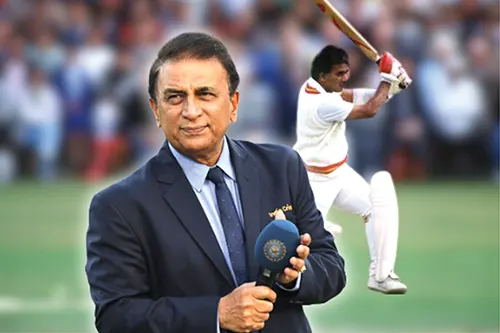
What Sunil Gavaskar taught me …and I don’t even play cricket!
Sunil Gavaskar
So, you want to work less, earn more and build awesome wealth. If you can do that you will be more fulfilled, never have to worry about money and spend more time with the ones you love. Most people do not realise but sports can show businesses and business owners how to do that.
A long time ago I played cricket. I was quite good too. But I am old now and that means my knees are no longer reliable as they used to be. When I kneel, all muscles below my waist freeze and I am unable to get up again unless there is an incentive such as a delicious chocolate cake on offer. And my hips only operate when I use them to visit the fridge to see if miraculously a dish of butter chicken has turned up that 5 minutes ago was not there.
This then means if I padded up to play cricket, I would be useless.
But in December 2024 a fantastic organisation called Simple Minds organised a fundraiser for cancer and their guest of honour was Sunil Gavaskar.
Now he was my childhood hero. But I appreciate anyone beyond Gen X or those not into cricket may have no idea who I am talking about.
This guy is a legend even by today’s standards. Yes, he may be 75 years old but this a small man (he is only 5ft 4in) but has a big personality. Also, his knees and hips seem to still operate so he knows a lot more than I. Obviously.
Anyway, I have always said the sports world has a lot to teach business owners about operating a business.
If you look at traits of successful sports people and successful business owners there is a pattern.
So, during the question-and-answer session, Sir Gavaskar was asked what advice he would give to parents of children showing promise in the field of cricket.
And he responded that parents put enormous pressure on their children and that many are not ready or have the right mindset to make it. Many do not have the three D’s. And when I heard what the 3 D’s were, I knew that these are relevant to any business, to any business owner and even to those not in business.
So, what are the three D’s?
1. Dedication
I advise startups constantly. I will see two things with a startups. I either think the product or service is great. Or it is crap. But the number of times I am proved wrong is incredible because the great product or service business fails and the crap one somehow becomes a success.
How or why? Well, the business success is not about the product or service. It is about how much the business owner is dedicated to their business and its success.
I also see a lot of businesses fail. In most cases it is because the business owner was not dedicated or did not give the business enough focus to make it a success.
Sir Gavaskar asked me a question privately. How many successful sports people do you know who are not dedicated to or love their sport? The answer is, obviously, not a lot.
Love and be dedicated to your business. It is the first D to success.
2. Determination
Know that life is hard. Business is hard. Being a sports personality is hard.
It is how you respond and react to failures or times when things are tough that count. How determined are you to be successful?
Most businesses I see fail or close down is because there is a lack of dedication. Many will come up with excuses to cover that they are not dedicated. I have seen all the excuses possible.
– I have health issues
– I have family issues
– I am not good at ……
– I don’t have the money
– I don’t have the resources
– I don’t have the staff; and I have even had some that say
– I needed to get my nails done or I am getting my hair done
Those that are dedicated to their business have a simple mindset. I will do whatever is necessary to make my business successful. And then they go out and do it. If you do not have that mindset, business is not for you.
Be dedicated to your business. It is the second D.
3. Discipline
I must admit this is not one of my strongpoints. And to be honest it is not a strong point for many business owners. That is because we know what we need to do but then we do not do it.
Sports people are particularly good at discipline. But I think I know why discipline works for sports people but not so much for business owners.
It works because sports people have dedicated coaches and mentors.
Businesspeople rarely do. You see coaches and mentors see things from the outside. And they are constantly pushing and constantly demand improvements. Tiger Woods was considered the best golfer in the world. He stayed there and became even better when his coaches changed his swing, and they were absolutely disciplined during the change. Most sports people employ dedicated nutritionists who are disciplined enough to ensure the right food is eaten every single day.
Discipline is doing the right things consistently. In most cases businesspeople are juggling a lot of things. We all know the catchphrase ‘’Jack of all trades but master of none’’
Sports people become masters through discipline and listening to their coaches and advisors. And in team sports such as cricket if the whole team has discipline is it likely the team achieves more? Research says it does.
Business owners should take heed and do the same. If your business does not have a dedicated business advisor, your chances of being fully disciplined is reduced.
The final D – be disciplined in your business.
So, there you have it. Sunil Gavaskar’s 3 tips to become successful not just in sports but in anything you want to achieve in life.
But I know what you are thinking. You must have some skills to become a successful cricket player, soccer player an even a darts player. Surely you need skills in business and life too.
And I will tell you what I learnt from one of the most successful soccer coaches call Sir Alex Ferguson. His view was that he could coach anyone to become a professional soccer player. Anyone who wants to become a great player needed to be completely focused, really want to be great and learn from their coach. I guess he was talking about the 3 D’s too.
And the same is true for business. Many of the successful business owners I know do not have any special skills. They just follow the three D’s.
Article by Hitesh Mohanlal from the WOW! Advisors Group.
By Pushpa Vaghela Director of Platinum Prestige Group (PPG) & Global Hotels and Residences (GHR)
Building wealth through property investment is one of the most reliable and rewarding ways to secure financial freedom. Whether you’re looking for a home to live in or an investment that generates passive income, property offers long-term capital growth, financial security, and opportunities to build a substantial asset base. With years of experience in residential and investment properties, I have seen firsthand how strategic property investment can lead to financial independence. Now is the perfect time to take advantage of market opportunities and expand your wealth management portfolio.
Why Invest in Property?
Unlike other forms of investment, such as stocks or cryptocurrencies, property offers tangible security and multiple revenue streams. Some of the key benefits include:
Capital Growth: Over time, property values generally appreciate, creating significant long-term wealth.
Passive Income: Rental returns provide a consistent cash flow, covering expenses and yielding profits.
Leverage Opportunities: With bank financing, you can control a high-value asset with a relatively small deposit.
Tax Advantages: Various tax deductions and incentives make property investment more financially viable.
Portfolio Diversification: Property balances out risk in an investment portfolio, offering stability.
Steps to Building a Strong Property Portfolio
1. Set Clear Investment Goals
Before you start investing, define your financial objectives. Are you looking for passive income, long-term capital growth, or both? Understanding your goals will shape your investment strategy.
2. Research and Choose the Right Property
Location is crucial. Invest in areas with strong growth potential, infrastructure developments, and high rental demand. Consider factors such as proximity to schools, public transport, shopping centers, and employment hubs.
3. Finance Your Investment Wisely
Leverage bank loans effectively while ensuring a healthy debt-to-income ratio. Explore different mortgage options and work with financial advisors to secure the best interest rates.
4. Maximise Rental Returns
Well-maintained properties attract quality tenants, ensuring steady rental income. Renovations, property management, and tenant screening all contribute to maximizing returns.
5. Diversify Your Portfolio
To mitigate risk, consider investing in different types of properties, such as apartments, townhouses, and commercial real estate. Diversification ensures stable income across various market conditions.
6. Continuously Review and Adjust Your Strategy
Property investment is not a set-and-forget strategy. Regularly reviewing your portfolio, rental yields, and market conditions will help you make informed decisions and optimize your returns.
Why Now is the Best Time to Invest
Market conditions are currently favorable, with low interest rates and increasing rental demand. With inflation impacting traditional savings, property investment serves as a hedge against economic uncertainties. If you’ve been considering growing your portfolio, now is the time to act.
Join Us at GHR Wealth Mastery Networking Event
To help you navigate the world of property investment, we are hosting the GHR Wealth Mastery Networking Event on March 19th, 6:00 PM – 8:30 PM, in Woolloongabba. This event is an excellent opportunity to gain expert insights, network with industry professionals, and explore strategies to grow your property portfolio.
For more details, contact Pushpa or Rachael at 0497 998 829.
Final Thoughts
Wealth creation through property is a long-term game that requires careful planning, strategic execution, and ongoing management. Whether you are a first-time investor or looking to expand your portfolio, partnering with experienced professionals can make all the difference. Take charge of your financial future by making informed property investment decisions today.
For expert guidance on property investment, reach out to Platinum Prestige Group and Global Hotels and Residences—your trusted partners in wealth creation.
The Evolving Influence of the Indian Diaspora in Australia
The Indian diaspora in Australia has emerged as a dynamic and influential community, shaping the nation’s economic, political, and cultural landscape through its growing presence and contributions.
The Indian diaspora in Australia, which numbers around 976,000 individuals as per the census, is one of the fastest-growing and most influential communities in the country. Recent developments have significantly impacted various aspects of the community, including property investments, political engagement, cultural dynamics, societal challenges, and media representation.
Indian-Australian property investors continue to expand their presence in the Australian real estate market. One such investor, Rupinder Brar, has made substantial land acquisitions in Victoria, reflecting the growing economic influence of the Indian community. Brar owns 20 Kinloch Pty Ltd, which purchased a 12-hectare land in Craigieburn for $13 million. Additionally, Doyles 600 Pty Ltd, a company associated with Brar, acquired three blocks in Shepparton for $4.5 million. These strategic investments highlight the increasing financial footprint of Indian-Australians in the real estate sector.
The political influence of the Indian diaspora is also expanding. Home Affairs Minister Tony Burke has introduced a pre-election citizenship initiative aimed at clearing the backlog of pending applications. This initiative is particularly beneficial for the Indian community, given that many new Australian citizens are of Indian origin. By expediting citizenship approvals, the initiative aims to enable more Indian-Australians to participate in the electoral process, strengthening their political engagement and representation.
As the Indian diaspora continues to grow, so does the need for government support in fostering multiculturalism and addressing community aspirations. Ensuring inclusive policies and initiatives will be crucial in promoting the well-being and representation of Indian-Australians in all facets of society.
The Indian diaspora in Australia continues to make significant contributions across various sectors, from real estate investments to political participation. While the community faces challenges such as internal divisions and social disparities, its resilience and economic influence continue to expand. The evolving dynamics of the Indian-Australian experience highlight the diaspora’s integral role in shaping Australia’s multicultural identity and future.
Honoring ANZAC Legacy, Supporting Community, and Celebrating Culture
I’m delighted to begin this April edition of the Australian Indian Times by acknowledging a significant date in our calendar—110 years since Australian and New Zealand troops first landed at Gallipoli. ANZAC Day offers a time for us to reflect on the sacrifices made by both soldiers and animals. This year, I’ll be volunteering with the Lions Club of Inala for the March and Service at I.S.A Memorial Park, Inala. If you’d like to join us or need information on a nearby service, please don’t hesitate to reach out. On this day, many will also wear red and purple poppies and lay a wreath of remembrance.
The Australian and New Zealand Army Corps (ANZAC) was established in 1914 in Egypt, consisting of the Australian Imperial Force and the New Zealand Expeditionary Force. The name “ANZAC” has remained a lasting symbol of the bond between our nations and the sacrifices made in both world wars and beyond. It’s also important to recognize the significant contributions made by Indian and British soldiers alongside the ANZACs. Around 16,000 Indian troops fought in the Gallipoli campaign, with approximately 1,600 losing their lives. Therefore, I encourage readers to take part or attend their local service. This month, many have participated in the Leukaemia Foundation’s World’s Greatest Shave to raise awareness and funds for blood cancer research. Blood cancer affects over 150,000 Australians, and tragically, 17 lives are lost daily. Personally, I’ve seen the impact of cancer within my own family and among friends. Some have passed, while others continue to live with the trauma of their diagnoses.
I’d like to take this opportunity to recognize the efforts of Cr. Paul Jackson, Councillor for Division 5 in Logan, who raised over $2,000 by shaving his head and eyebrows in support of this cause and team that includes Cr. St Ledger, Cr. Bannan alongside others, and everyone in the community who has contributed to raising vital funds for cancer research. A special shoutout goes to our very own Prav and Bob Pillay from Cornerstone Law Office, who generously donating $515.50 towards Cr. Jackson shaving his eyebrows. These small acts of kindness make a huge difference in the lives of those affected by blood cancer by raising funds and awareness at the same time.
On a lighter note, I recently had the pleasure of attending the Greater Springfield Kite Festival 2025, organized by the Greater Springfield Indian Association (GSIA). The event brought together hundreds of attendees from across the state . Now in its third year, the festival has become a cherished Indian and local much loved event in our community.
Thanks to GSIA President Mukesh Dubey, the festival featured thrilling rides, games, multicultural food, and local crafts. The support from officials like Hon. Shaynne Neumann MP and Hon. Senator Paul Scarr has helped make the event a fantastic celebration of cultural diversity and community unity. I’m already looking forward to next year’s festival!
As we remember our shared history and look toward the future, it’s essential to continue supporting one another. Whether through honoring those who served or participating in community-driven initiatives, we can build a brighter, more connected future together.
Lastly, I’m excited to announce that the monthly surveys are back, following their success last year. Please take a moment to scan the barcode and share your feedback. If you have any questions or just want to connect, I’d love to hear from you.


 The Taiwanese Australian Art in Harmony Exhibition, organized by the World Arts & Multi-Culture Inc. (WAMCI), concluded successfully with a reception on March 19, 2025, at the Taiwan Centre in Queensland. This exhibition brought together artists from Taiwan, Australia, and the Philippines, showcasing the beauty of cultural fusion through various artistic mediums and styles, offering Brisbane an enriching visual and spiritual feast.
 Art Without Borders: A New Milestone in Cultural Exchange
 Honoured Guests in Attendance:
 Multicultural community leaders and artists from Germany, Japan, India, Fiji, Vietnam, Norway, the Philippines, and Brazil
 Exhibiting Artists: A Showcase of Diverse Artistic Expressions
 The exhibition showcased artworks spanning watercolor, oil painting, sketches, and mixed media, offering diverse cultural perspectives through various artistic styles. Attendees not only appreciated these global creations but also engaged in face-to-face conversations with the artists, gaining insight into their creative inspirations and artistic journeys.
 Artistic Dialogue: Deepening Cultural Exchange
 Moving forward, WAMCI is committed to organizing more cultural and artistic events, fostering collaboration between Taiwan, Australia, and the global art community. Through art, we aim to build bridges across cultures and make multiculturalism shine even brighter in Australia.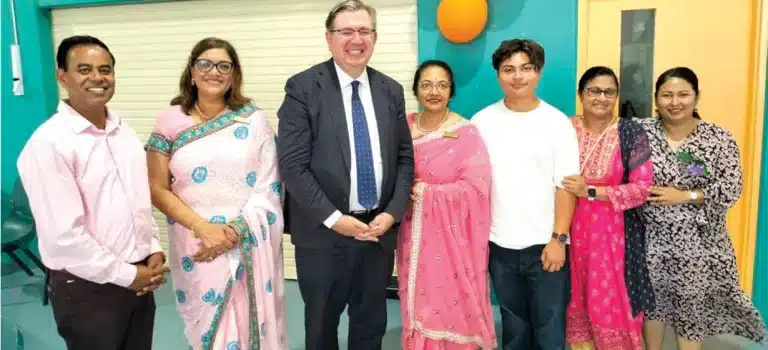
 There are moments that truly make me proud to be a young Queenslander. Over the past few weeks, I’ve witnessed firsthand the incredible spirit of our community. During ex-tropical cyclone Alfred, people from all walks of life—different backgrounds, ages, genders, and beliefs—came together to support one another. I saw neighbours listen closely to Premier David Crisafulli’s advice, prioritizing their safety and that of their loved ones. This collective effort was inspiring and reminded me of just how resilient our community is.
 From sandbagging and preparing homes to assisting with cleanup, countless acts of kindness unfolded across the community. Personally, I had the privilege of volunteering with my mum to deliver food to those in need and help neighbours move heavy items to safer spots in their homes. Whether it was a quick phone call to check on someone or hours spent assisting with cleanup, each act of support made a difference. I’m always happy to help or connect you with someone who can. Big shout out to organisation such as ECAQ (Eritrean Community Association in Queensland), has mobilized over 30 volunteer members to assist people seeking refuge at the Bethania Community Centre in response to Cyclone Alfred.
 Last month, it was wonderful to meet so many readers of the Brisbane Indian Times at the Holi event at Mount Gravatt Showgrounds. The event, organized by the Sargam Music Academy and Platinum Services, was an explosion of color, culture, and joy. As I volunteered and participated in the festivities, I was reminded of the deeper significance of Holi. The Hindu festival, also known as the Festival of Colors, celebrates the arrival of spring, love, and equality. It honors the divine love of Radha and Krishna and symbolizes the triumph of good over evil. A special thanks to President Manish Saini, his team, and the incredible Bondita and Mithun Chakraborty and all the volunteers for going above and beyond to make the event a success.
 Last month, many celebrated International Women’s Day (IWD). During the festivities, many women were recognized for their outstanding contributions to the community. One of the most touching moments for me was seeing my mum, Nayda Hernandez, receive the Cultural Diversity Champion Award for her years of selfless service. She has always been passionate about helping others and spreading joy, so it was incredibly heartwarming to see her efforts publicly acknowledged. A heartfelt thank you to the Deo family for their unwavering love and support to my family and the community.
 Happy IWD day to a lady who does the work and but a very quite achiever, Shanjeshni Deo. Their invaluable work in keeping culture alive and thriving is deeply appreciated through the deo charitable fund, good will and community service. Special acknowledgement to community champion like Rohani Prasad, Irene Tavutavu and Usha Chandra to name a few who worked tirelessly this month to celebrate the achievement of other women and women who have grown their wings, like my late aunty Kelly who paved he way for others.
 Mara, a passionate young performer, showcased the incredible talent of our next generation. I’m proud that my family counts Helen and her daughters as friends, as well as Maria Brereton, a 14-year-old flutist who is seeking sponsorship to represent Australia at the Cluj International Music Competition in Romania. If you are interested in supporting Maria’s journey, you can donate via her GoFundMe page. Maria’s dedication and talent are inspiring, and I have no doubt she will make us all proud.
 In addition, the Albanese government has committed to a significant investment in education, pledging $30 billion over the next ten years to improve childhood literacy, numeracy, and school completion rates which is supported by Queensland, Premier David Crisafulli who co-signed the agreement. The Federal budget was announced on March 25th, same day that shows a deficit of $27.6 billion, which is an improvement from previous forecasts but still a cause for concern for people and economist. It’s clear that while efforts are being made to support Australians through tax cuts and relief measures, the challenges of rising costs and financial hardship are far from over.
 Australia’s political landscape has undergone significant changes in recent years, shaped by various domestic and international events, including debates surrounding immigration, national security, economic recovery, and social equity. As a multicultural society, Australia’s policies often reflect its commitment to diversity, but they also sometimes trigger tensions that affect various communities. One of the most prominent communities in Australia today is the Indian diaspora, which has grown substantially over the past few decades.
 The Rise of the Indian Diaspora in Australia











 The Indian diaspora in Australia has emerged as a dynamic and influential community, shaping the nation’s economic, political, and cultural landscape through its growing presence and contributions.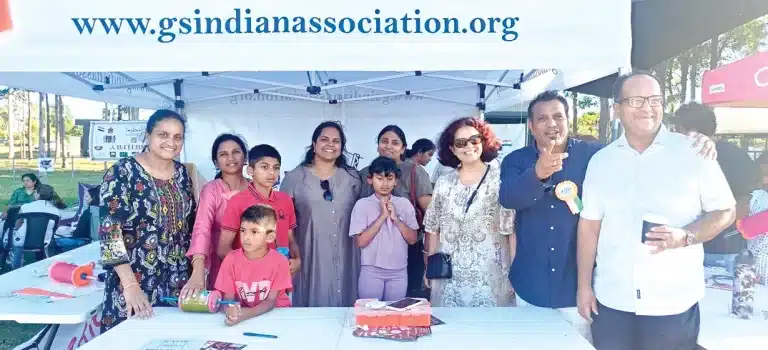
 I’m delighted to begin this April edition of the Australian Indian Times by acknowledging a significant date in our calendar—110 years since Australian and New Zealand troops first landed at Gallipoli. ANZAC Day offers a time for us to reflect on the sacrifices made by both soldiers and animals. This year, I’ll be volunteering with the Lions Club of Inala for the March and Service at I.S.A Memorial Park, Inala. If you’d like to join us or need information on a nearby service, please don’t hesitate to reach out. On this day, many will also wear red and purple poppies and lay a wreath of remembrance.
 This month, many have participated in the Leukaemia Foundation’s World’s Greatest Shave to raise awareness and funds for blood cancer research. Blood cancer affects over 150,000 Australians, and tragically, 17 lives are lost daily. Personally, I’ve seen the impact of cancer within my own family and among friends. Some have passed, while others continue to live with the trauma of their diagnoses.