

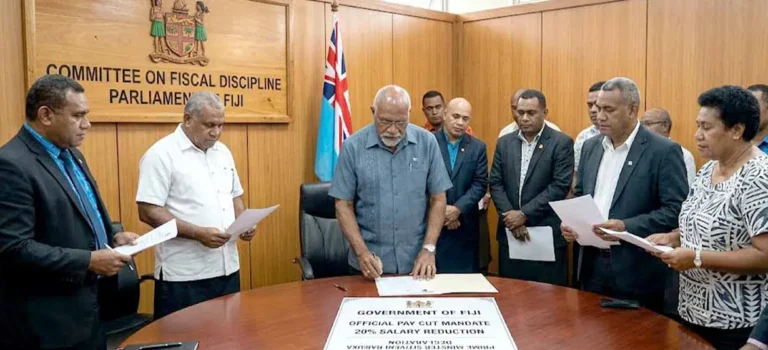
Fiji’s Leadership Takes 20% Pay Cut Amidst Economic Headwinds
In a bold move that has resonated across the Pacific and through the halls of the Fijian diaspora in Australia, Prime Minister Sitiveni Rabuka has announced a significant austerity measure: a 20% salary reduction for all Government Ministers and Members of Parliament. This decisive “lead by example” approach comes as Fiji navigates a complex economic landscape defined by global inflationary pressures and the high costs of post-cyclone reconstruction.
A Mandate for Fiscal Discipline
The pay cut is the centrepiece of a broader, more aggressive austerity package aimed at stabilizing the national budget. Prime Minister Rabuka, speaking from Suva, emphasized that the burden of economic recovery should not fall solely on the shoulders of the taxpayers. “If we are to ask our civil servants and our citizens to be prudent, the leadership must be the first to tighten its belt,” the Prime Minister stated.
Beyond the immediate salary reductions, the government has implemented a strict freeze on new civil service hiring and an absolute ban on non-essential overseas travel for government officials. This shift marks a departure from previous administrative styles, signalling a new era of fiscal transparency and restraint in the “Blue Pacific.”
Strategic Reallocation of Resources
The savings generated from these cuts are not merely symbolic. The government intends to redirect these funds into two critical areas: frontline disaster recovery following Tropical Cyclone Vaianu and the strengthening of Fiji’s social safety nets.
With global fuel prices remaining volatile and shipping costs impacting the price of basic goods, the austerity measures are designed to provide the government with the “fiscal breathing room” needed to intervene in the market and subsidize essential commodities. For the average Fijian family, this top-down sacrifice is a welcome sign of accountability.
The View from the Diaspora
For the Indian Fijian community in Australia, the news has sparked intensive discussion. Many in the diaspora, particularly in the business-heavy corridors of Sydney and Brisbane, view the move as a necessary step to restore investor confidence. A leaner, more disciplined government is often seen as a prerequisite for the kind of economic stability that encourages foreign direct investment and remittances.
Community leaders in Australia have noted that this move mirrors some of the broader global trends in governance, where transparency and “servant leadership” are becoming the benchmark for success. As Fiji continues its recovery, the diaspora remains a vital partner, and the government’s commitment to fiscal responsibility is likely to strengthen those bilateral ties.
A New Chapter in Pacific Governance
As Fiji moves forward, the success of this austerity package will be closely monitored by regional neighbours and international financial institutions alike. By choosing to reduce their own pay checks, the Rabuka administration has sent a powerful message: that the “Bula Spirit” is not just about hospitality, but about mutual sacrifice and shared resilience.
This development stands as a reminder of the evolving political maturity in the region.
Fiji is proving that even in the face of significant economic headwinds, a clear vision and a commitment to leading by example can pave the way for a more stable and prosperous future.
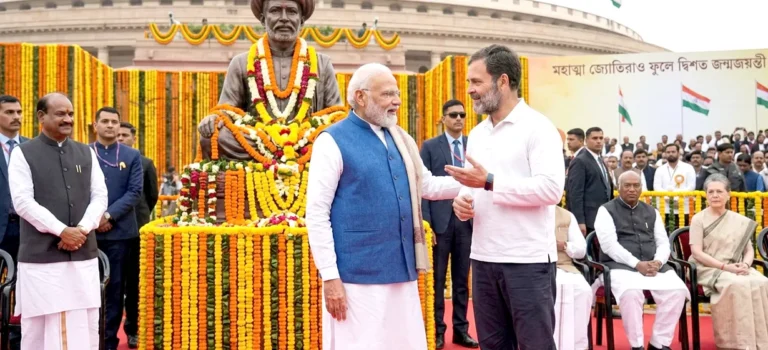
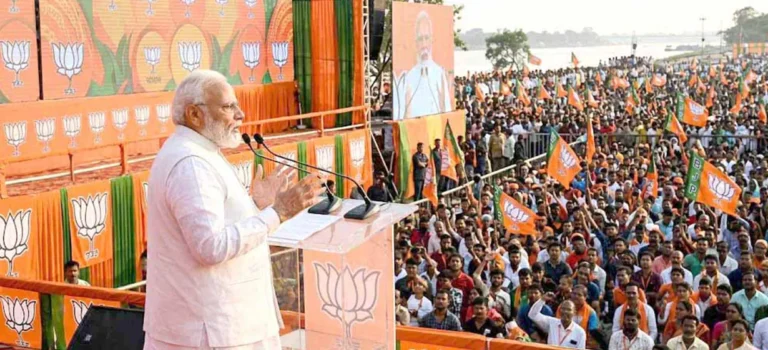
 As the heat intensifies across the Indian subcontinent, both meteorologically and politically, Prime Minister Narendra Modi has brought a high-decibel campaign to the heart of West Bengal. Addressing massive rallies in the districts of Burdwan and Murshidabad this week, the Prime Minister launched a blistering critique of the ruling Trinamool Congress (TMC), signalling a strategic shift in the BJP’s quest to capture the eastern stronghold.

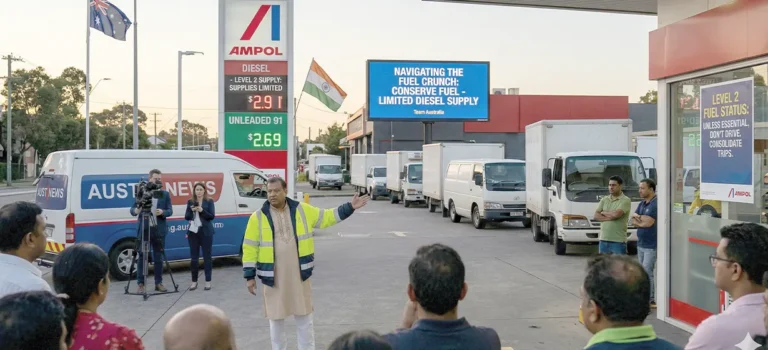
 As the autumn leaves begin to fall across Australia, a shadow of uncertainty has stretched from the Middle East to our local suburban bowsers. The year 2026 has brought with it an unprecedented energy challenge that tests not just our economy, but the very fabric of our national character. With the Strait of Hormuz, the world’s most vital artery for oil has effectively throttled by regional conflict, Australia finds itself at a critical crossroads.
 The Australian people have lost confidence, and that, perhaps more than anything else, is of profound concern for the Australian economy,” Senator Scarr remarked.

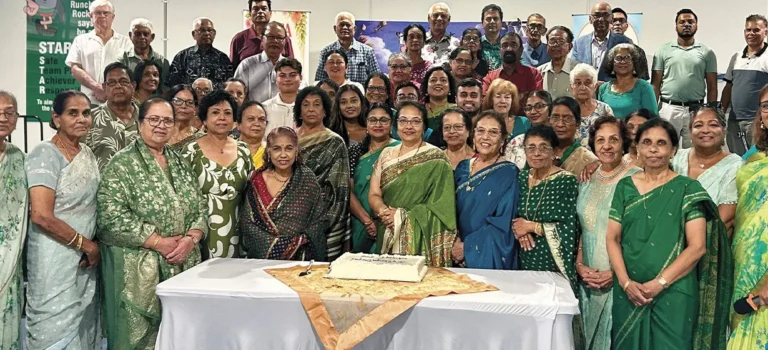
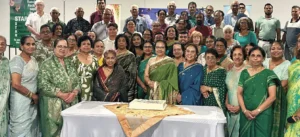 The spirit of resilience and the warmth of community were on full display as the Indian Senior Citizens Association (ISCA) gathered to celebrate International Women’s Day. In a room filled with the wisdom of our elders and the energy of a new generation, the event served as a powerful reminder that the journey of women’s empowerment is a baton passed from one era to the next.
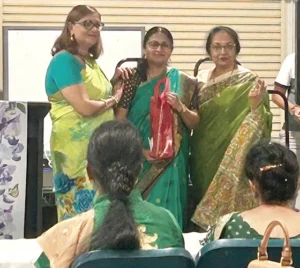 Shanjeshni Deo delivered a speech that was as much a tribute to the past as it was a call to action for the future. Drawing on the theme of “Inspire Inclusion,” she spoke passionately about the “invisible labour” of the women in the room, the mothers and grandmothers who migrated to Australia, often sacrificing their own professional dreams to ensure their children had every opportunity.
 Women’s empowerment, particularly within the South Asian diaspora, is a multifaceted journey. It begins with education and economic independence, but it matures through cultural agency. For the Indian Senior Citizens Association, empowerment is reflected in the way women have taken the lead in preserving the “Sanatan” values of Sewa (service) and Shakti (strength).
 Dear reader, it is with great joy that we bring you the word of God. Today, I want to speak to parents, single parents, grandparents, guardians, mentors, spiritual parents, and anyone who wishes to become a parent. Because parenting is not easy. Then we have other people, the social media, the culture, telling parents how to raise a child, but not everyone is pointing the parents to God’s way of raising a child. The world mostly wants to produce children who are only successful and popular. But God brings up children who are prepared and saved. And God has given parents tools to do so.